LOS ANGELES (AP) — Lawyers for D4vd began showing glimpses into their defense strategy Thursday, pressing police on why they didn't conduct more DNA testing on items found in the singer's home and in his car that authorities said were used in the killing of 14-year-old Celeste Rivas Hernandez.
The questioning came on the third day of a preliminary hearing where a judge will decide whether there is probable cause for D4vd, whose legal name is David Burke, to be put on trial on charges of murder, sexual abuse of a child and mutilation of a body.
Click to Gallery
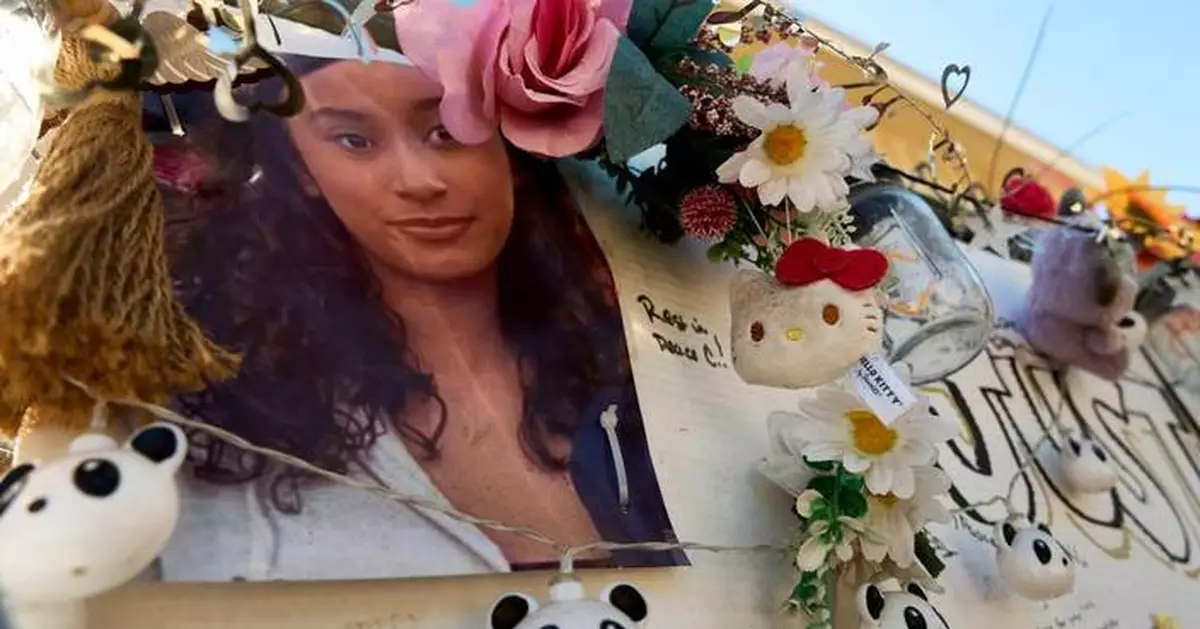
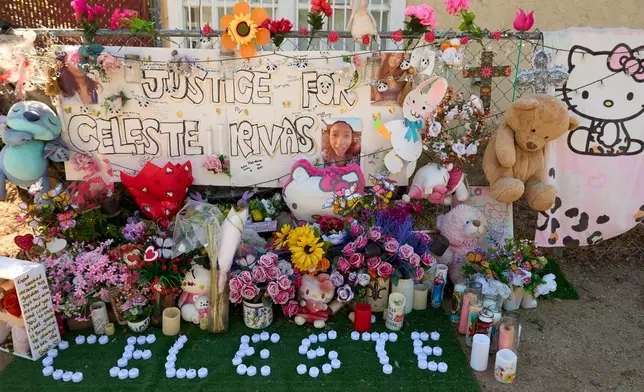
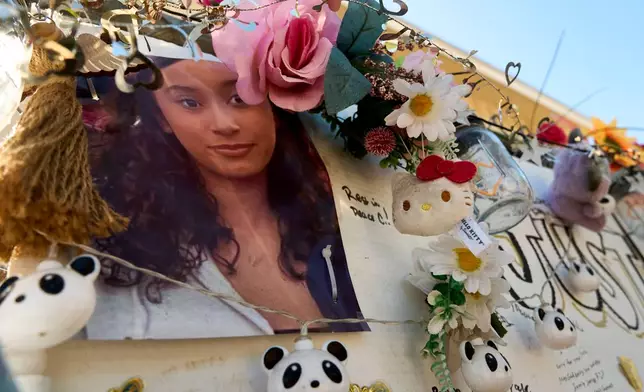
FILE - A makeshift Memorial for Celeste Rivas Hernandez, who was killed and found inside a vehicle owned by singer D4vd, is placed outside her home in Lake Elsinore, Calif., on April 21, 2026. (AP Photo/Damian Dovarganes, file)
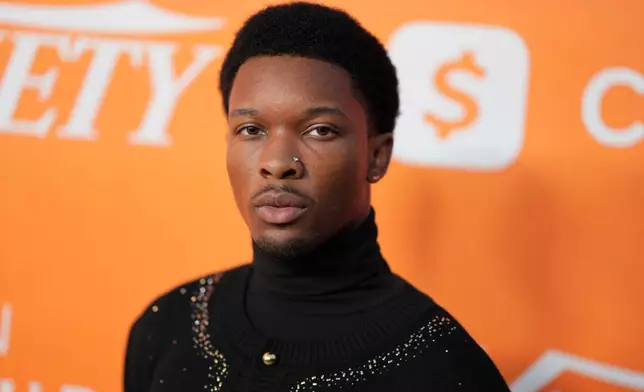
FILE - D4vd appears at Variety's Power of Young Hollywood in Los Angeles on Aug. 8, 2024. (Photo by Jordan Strauss/Invision/AP, File)
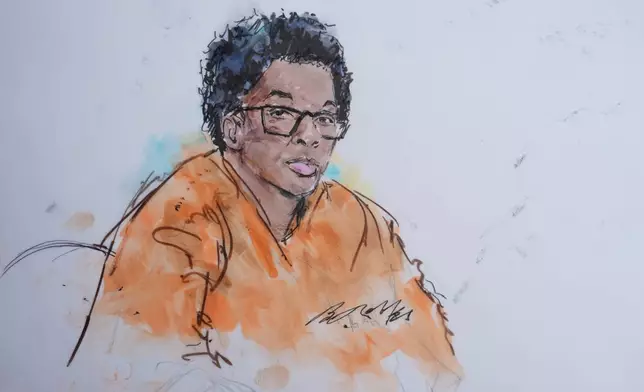
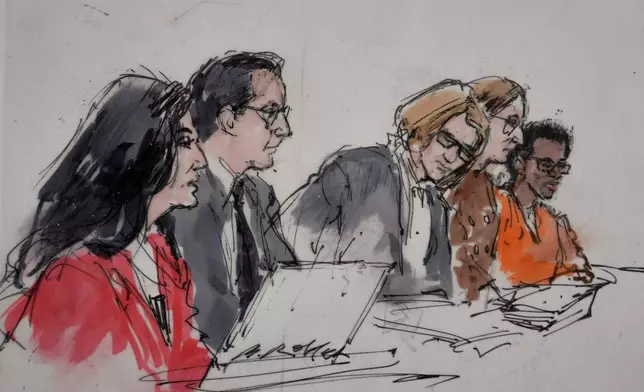
In this courtroom sketch, David Anthony Burke, who is known as D4vd, is seen in court Tuesday, July 21, 2026, in Los Angeles. (Bill Robles via AP)
In this courtroom sketch, David Anthony Burke, also known as D4vd, far right, is seen in court Tuesday, July 21, 2026, in Los Angeles, during his trial for the killing of Celeste Rivas Hernandez. (Bill Robles via AP)
FILE - A makeshift memorial for Celeste Rivas Hernandez, whose body was found inside a vehicle owned by singer D4vd, is displayed outside her home in Lake Elsinore, Calif., on April 21, 2026. (AP Photo/Damian Dovarganes, File)
He has pleaded not guilty. His lawyers have said they will vigorously defend his innocence, but have previously given little indication of any counternarrative they may present about how Rivas Hernandez was killed and how her dismembered body was found in the trunk of Burke's Tesla.
Defense attorney Blair Berk dwelled on a pair of small chain saws found in Burke's garage, where prosecutors say he dismembered the body. Lauren Wallace, a criminalist with the Los Angeles Police Department, testified that initial chemical tests showed no signs of blood on the saws, so the handles were not swabbed for any DNA left behind by someone who touched it.
“If an item has somebody else’s DNA on it, you wouldn’t be able to see that at the time,” Berk said.
“No you’re not able to see touch DNA,” Wallace said, then reiterated that the blades had tested negative for blood.
“But that doesn’t preclude at all that there could be somebody else’s touch DNA,” Berk said.
Under prosecution questioning, Wallace said testing for DNA at the suspect's residence wouldn't make sense because the suspect's DNA would be everywhere.
Berk soon after asked her: “You were aware that multiple people lived at this residence, right?”
Wallace answered, “Yes, we were aware.”
Wallace testified earlier that throughout the garage, she found indications of blood that had been cleaned up.
She said Thursday that her team also found jugs of fake blood in the garage. Berk suggested through her questioning that Burke had used it in music videos.
An indie-pop singer whose music and online presence brought him a huge following, D4vd's songs and videos often have dark and violent imagery often delivered through an alter-ego character he calls Itami. His breakthrough single in 2022 was called “Romantic Homicide,” one of several of his songs with more than a billion plays on Spotify. His debut full-length album, “Withered,” was released two days after prosecutors say Rivas Hernandez was killed.
On Thursday, he wore orange jail clothes and glasses, sitting at the defense table calmly and intently watching the witnesses testify. He did not betray any emotion during the proceedings but was seen during the recess interacting with and smiling with his attorneys.
Rivas Hernandez's parents were back in the courtroom Thursday afternoon, sitting in the front row. They did not have a visible reaction to the mostly technical testimony.
A police detective also testified that cell-tower tracking of Burke's phone and a system in his Tesla showed he was at his Hollywood home on the night of April 23, 2025 — the time and place prosecutors say Rivas Hernandez was killed. The data showed that later that night, he traveled to a remote part of Santa Barbara County about 95 miles (152 kilometers) to the northwest. He made two subsequent visits to the area in May, including to a spot where Rivas Hernandez's passport was found by a highway worker, the detective testified.
Prosecutors are seeking to prove Burke began a sexual relationship with Rivas Hernandez when she was 13 and he was 18.
They said in a court filing that she had grown jealous of his relationships with other women and threatened to expose him and ruin his multimillion-dollar career the night before she was killed. The court filing said he sent a car to pick her up on the night of April 23, 2025, and stabbed her when she arrived at his home.
Prosecutors say he kept the body for weeks or months in the front trunk of the Tesla, where it was found after the car was towed 4 1/2 months later in September.
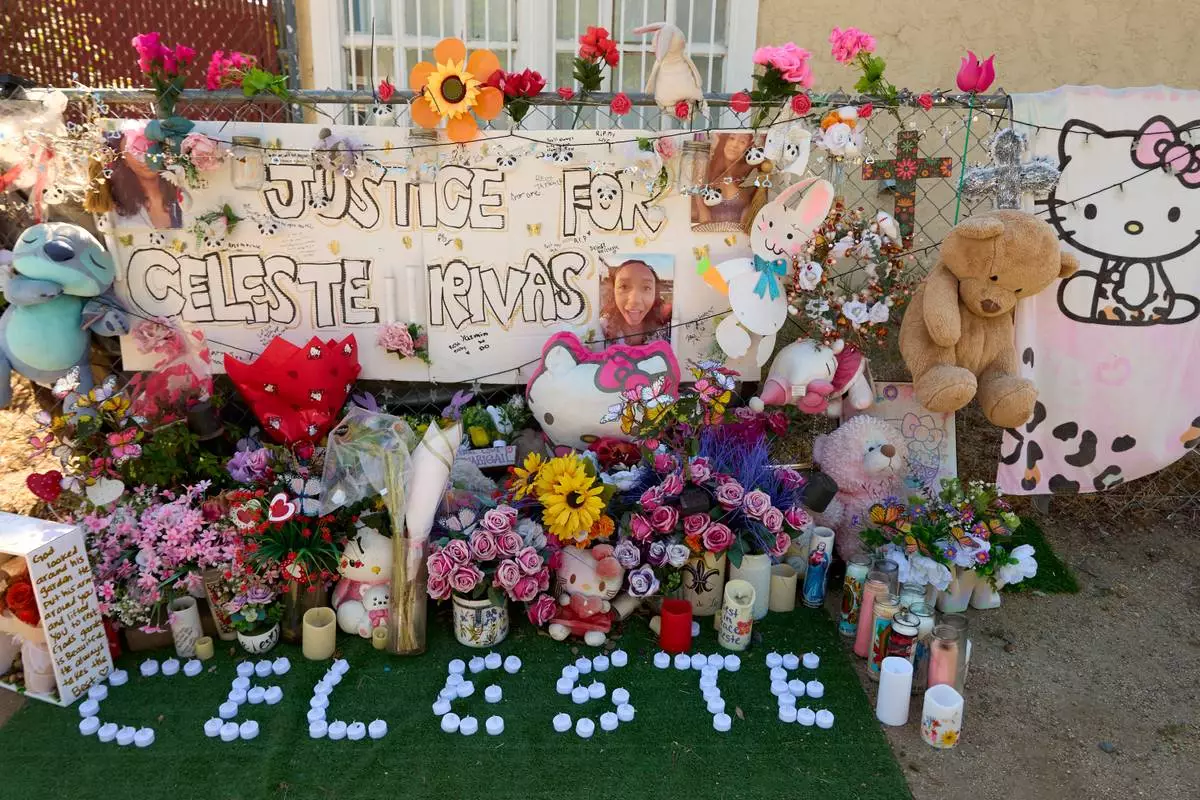
FILE - A makeshift Memorial for Celeste Rivas Hernandez, who was killed and found inside a vehicle owned by singer D4vd, is placed outside her home in Lake Elsinore, Calif., on April 21, 2026. (AP Photo/Damian Dovarganes, file)
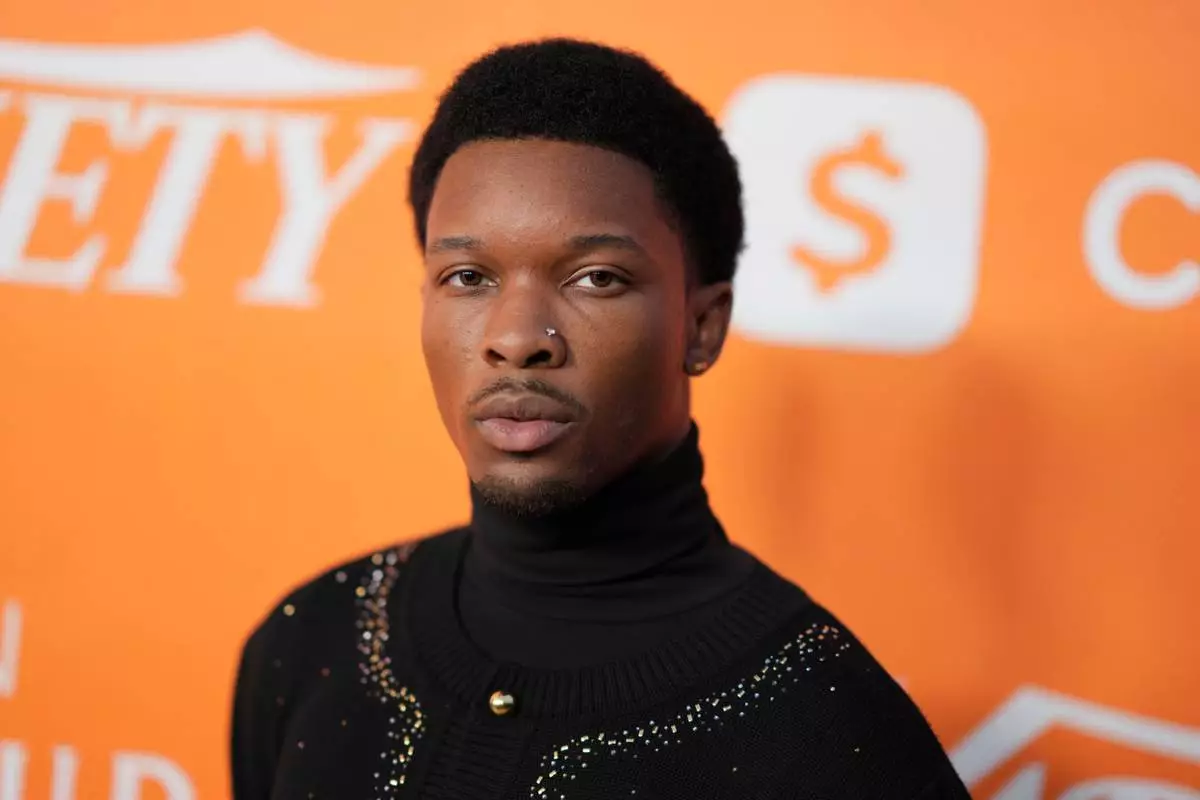
FILE - D4vd appears at Variety's Power of Young Hollywood in Los Angeles on Aug. 8, 2024. (Photo by Jordan Strauss/Invision/AP, File)
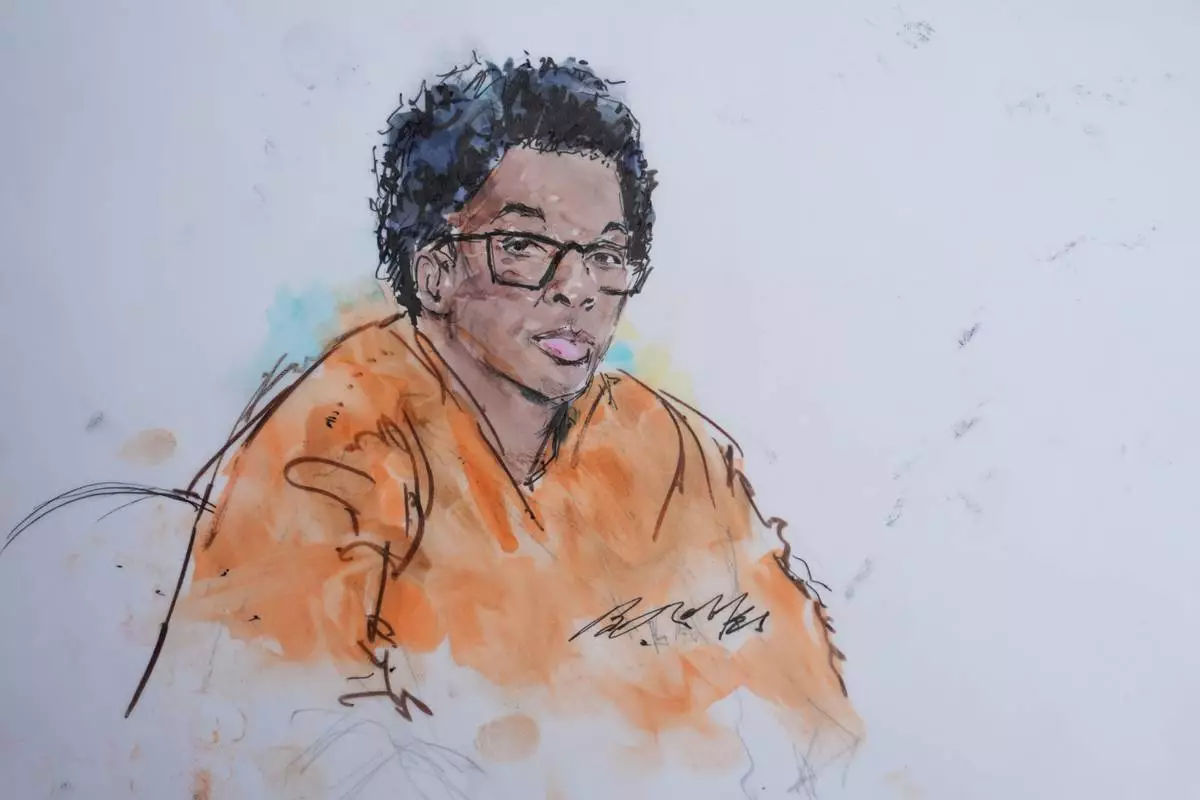
In this courtroom sketch, David Anthony Burke, who is known as D4vd, is seen in court Tuesday, July 21, 2026, in Los Angeles. (Bill Robles via AP)
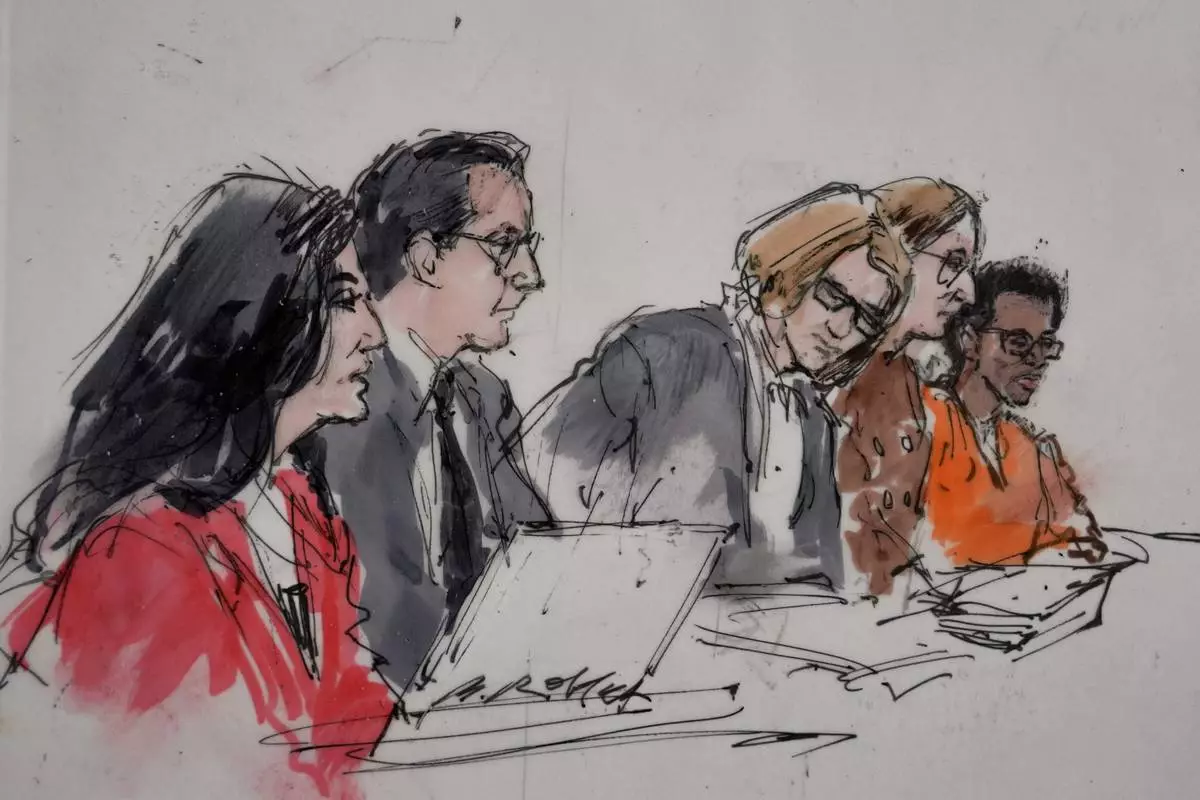
In this courtroom sketch, David Anthony Burke, also known as D4vd, far right, is seen in court Tuesday, July 21, 2026, in Los Angeles, during his trial for the killing of Celeste Rivas Hernandez. (Bill Robles via AP)
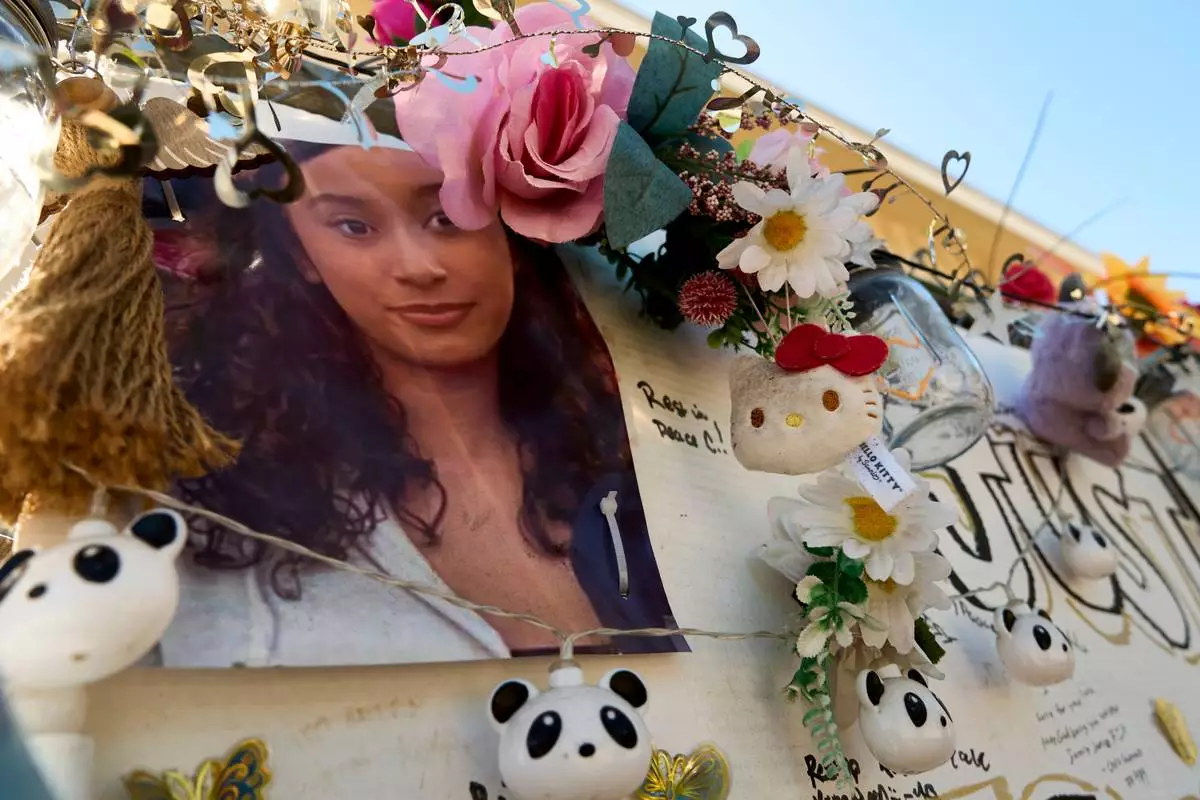
FILE - A makeshift memorial for Celeste Rivas Hernandez, whose body was found inside a vehicle owned by singer D4vd, is displayed outside her home in Lake Elsinore, Calif., on April 21, 2026. (AP Photo/Damian Dovarganes, File)
BUFFALO, N.Y. (AP) — Four years after being stabbed on an amphitheater stage, Salman Rushdie sat across a courtroom from his convicted attacker Thursday and told jurors for a second time about the ambush that nearly killed him.
The prize-winning writer recalled feeling what he thought was a punch under his chin, then feeling blood coming from his neck.
Soon “I was on the stage, lying down, with an enormous pool of blood all around me,” Rushdie testified. “It was an enormous and expansive lake of blood.”
A Buffalo federal court jury watched Rushdie fixedly as he testified — and at one point removed his glasses to show his now sightless right eye — at Hadi Matar's terrorism trial. He has pleaded not guilty.
Matar already was convicted of a state-level attempted murder charge in the 2022 attack at a cultural institution where Rushdie was poised to speak about threats to writers and artists. Federal prosecutors say Matar was acting on such a threat — an Iranian leader's 1989 call for Rushdie's death because of his novel “The Satanic Verses.”
“I can’t say what his ambitions or his aim was, but the wounds were dispersed across my body,” Rushdie testified.
Rushdie, 79, was composed and straightforward during little more than an hour on the witness stand. He outlined the attack — which blinded him in the right eye, damaged his liver, paralyzed his left hand for a time and briefly put him on a ventilator — and his lengthy recuperation and enduring injuries.
“The knife was a millimeter from my brain,” said Rushdie, whose attacker climbed on stage, approached from behind him and then slashed the author 15 times as the Chautauqua Institution audience gasped. Spectators and another speaker, Henry Reese, scrambled to aid Rushdie and restrain Matar, who was arrested by law enforcement assigned to the event. Rushdie has described the stabbing and recovery previously during Matar’s earlier trial, in a memoir and in interviews with The Associated Press and other outlets.
As Rushdie testified, Matar, 28, looked down at the defense table, sometimes rested his hand on his chin or turned to speak to his lawyer, looking toward the author only as Rushdie walked out a door. The writer glanced at Matar fleetingly, if at all.
Matar's defense has argued that prosecutors can't prove his intent or mindset at the time of the attack — a key element in their claim that it was an act of terrorism motivated by allegiance to Iran's government and the Iranian-backed Hezbollah militant group. Matar, currently serving a 25-year state prison sentence, faces a potential life sentence if convicted of federal charges that include engaging in an act of transnational terrorism.
When defense lawyer Nathaniel Barone asked whether Rushdie believed the defendant had ties to terrorism, the author replied: “I had no knowledge, but I had my suspicions.
Iran’s late Ayatollah Ruhollah Khomeini issued the 1989 fatwa, or religious edict, calling for Rushdie to be killed over “The Satanic Verses,” which includes a dream sequence about Islam’s Prophet Muhammad that some Muslims considered blasphemous. The novel sparked often-violent protests against Rushdie, who was born into a Muslim family, and the fatwa drove him into hiding for years. He gradually emerged after the Iranian government distanced itself from the order in 1998, though the fatwa was never officially repealed.
“For two decades or more, I led a public life without a hint of trouble,” Rushdie testified Thursday.
Barone repeatedly asked Rushdie whether he had anticipated blowback from the book.
“Probably, but I don’t believe the book to be on trial here. I believe someone else is on trial,” Rushdie said. At Barone's request, the judge struck the comment from the court transcript.
Prosecutors say Matar was animated partly by comments that a former Hezbollah leader, the late Hassan Nasrallah, made about Rushdie and the fatwa in 2006. The U.S.-born Matar also holds citizenship in Lebanon, where Hezbollah is based, and Matar's mother has said a 2018 trip there left him moody and withdrawn.
Matar started researching Rushdie in 2020 and eventually wrote to himself, “We need to kill him ASAP,” Assistant U.S. Attorney Timothy Lynch said in an opening statement Wednesday. Matar cast the killing as part of what he considered a jihad, or holy war, Lynch said.
Matar's New Jersey bedroom and electronics held photos and other material showing his regard for Hezbollah, and he carried a fake driver's license with a name similar to that of a Hezbollah figure, said Lynch. The U.S. government designates Hezbollah as a terrorist organization.
Matar's lawyer has said the government is asking jurors “to connect the dots” in a case without hard evidence about what he was thinking on the date of the attack. In a seeming effort to scrutinize how much the fatwa was on anyone’s mind by Aug. 12, 2022, the defense also has asked some witnesses about the relatively light security around Rushdie that day. A state trooper and a sheriff's deputy were assigned to the event.
Matar declined to testify at his state court trial but may do so at the federal trial, Barone said outside court Thursday.
Rushdie was born in India, raised in Britain and is now a U.S. citizen. He won the Booker Prize in 1981 for his novel “Midnight’s Children.” His most recent work is “The Eleventh Hour,” a book of short stories and novellas published last year.
Iran's government denied involvement in the 2022 stabbing, but its Foreign Ministry's then-spokesperson suggested Rushdie invited trouble by insulting Islam. Hezbollah's Nasrallah did not comment on the attack.
Peltz reported from New York.
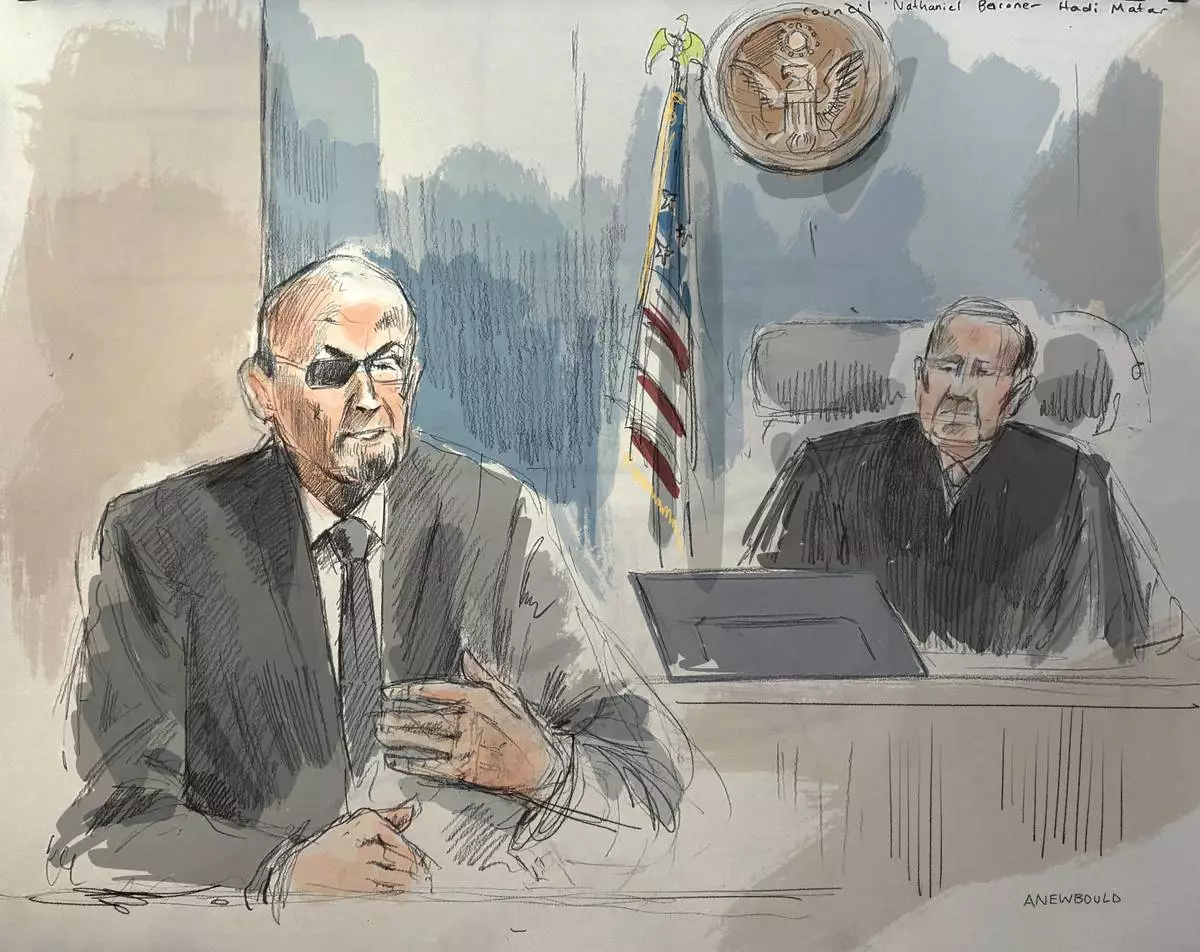
In this courtroom sketch, Salman Rushdie, left, testifies in federal court during the terrorism trial for Hadi Matar, Rushdie's alleged attacker, Thursday, July 23, 2026, in Buffalo, N.Y. (Alexandra Newbould via AP)
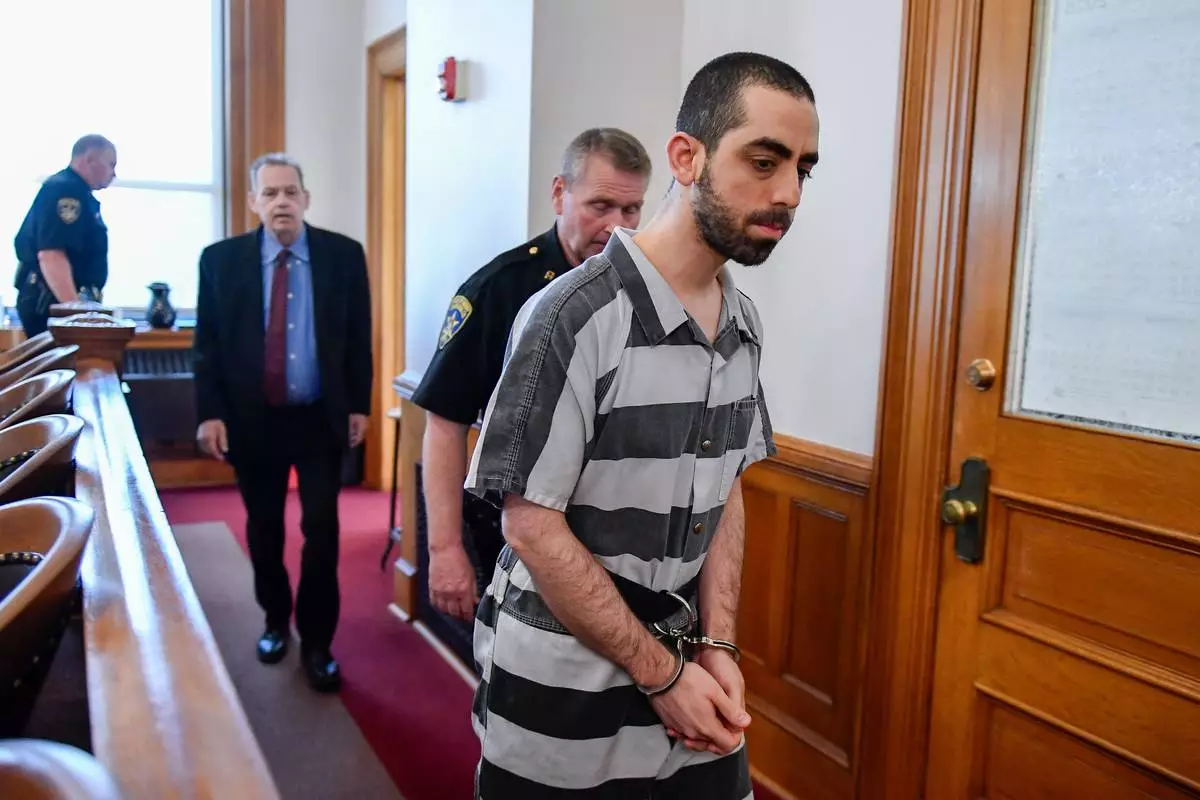
FILE - Hadi Matar walks in to the Chautauqua County court in Mayville, N.Y., May, 16, 2025. (AP Photo/Adrian Kraus, File)
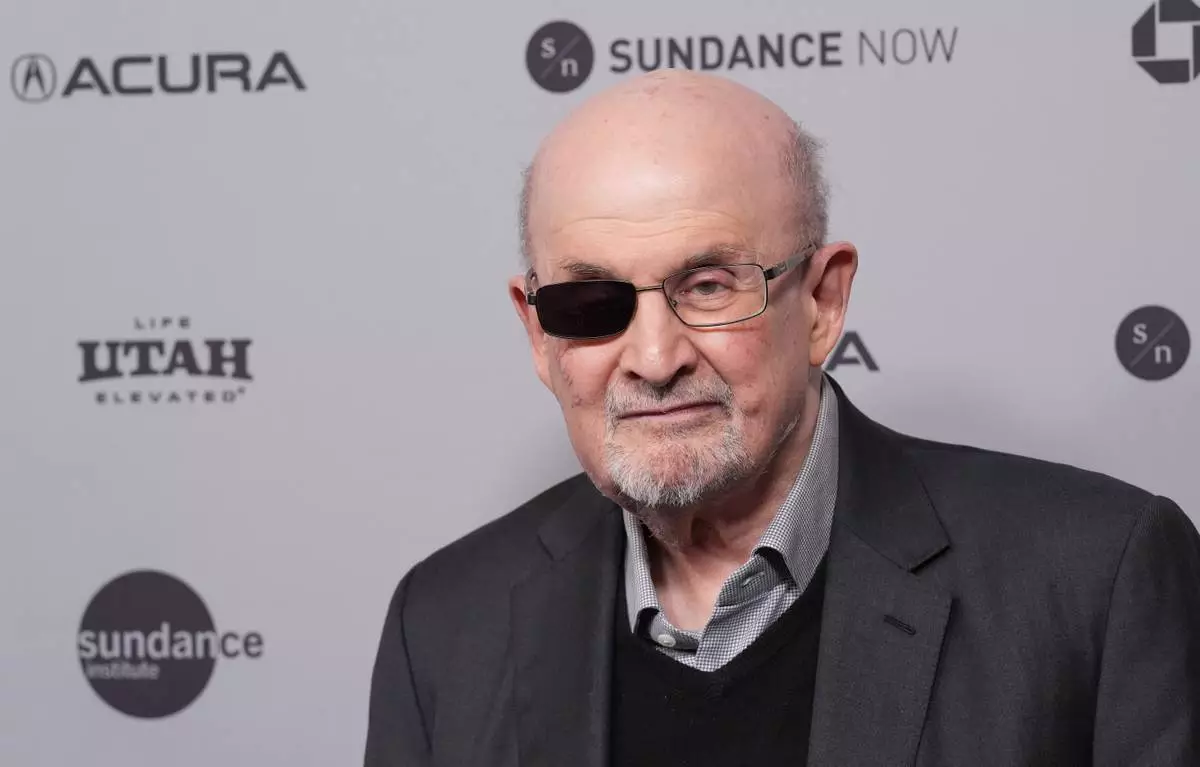
FILE - Novelist Salman Rushdie attends the premiere of the documentary film "Knife: The Attempted Murder of Salman Rushdie" during the Sundance Film Festival on Jan. 25, 2026, at The Ray in Park City, Utah. (AP Photo/Chris Pizzello, File)
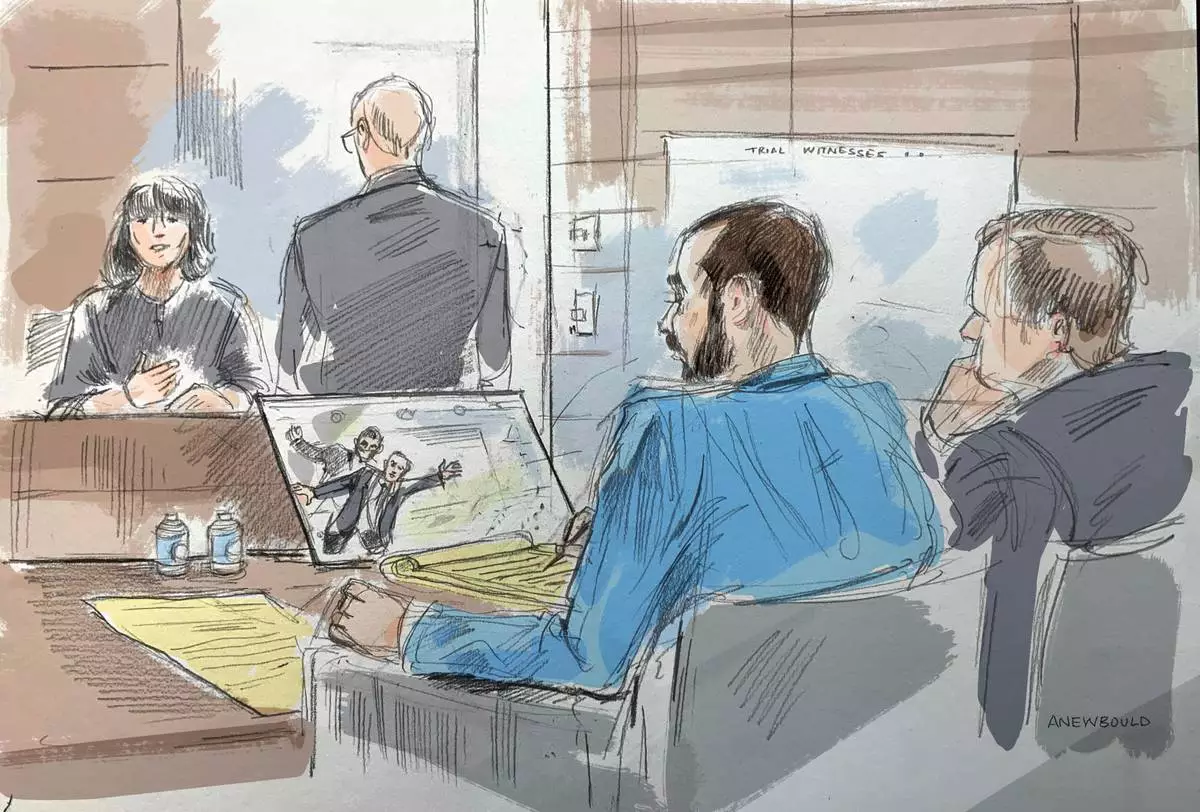
In this courtroom sketch, a witness describes video of an alleged attack on Salman Rushdie by Hadi Matar, in federal court in Buffalo, N.Y., Wednesday, July 22, 2026. Matar, foreground, is seated with his lawyer's co-council. (Alexandra Newbould via AP)