China has stepped up efforts to combat crimes enabled by artificial intelligence as criminals increasingly exploit the technology to carry out telecom fraud, infringe on personal privacy, undermine public trust and even threaten national security, the Ministry of Public Security (MPS) said on Friday.
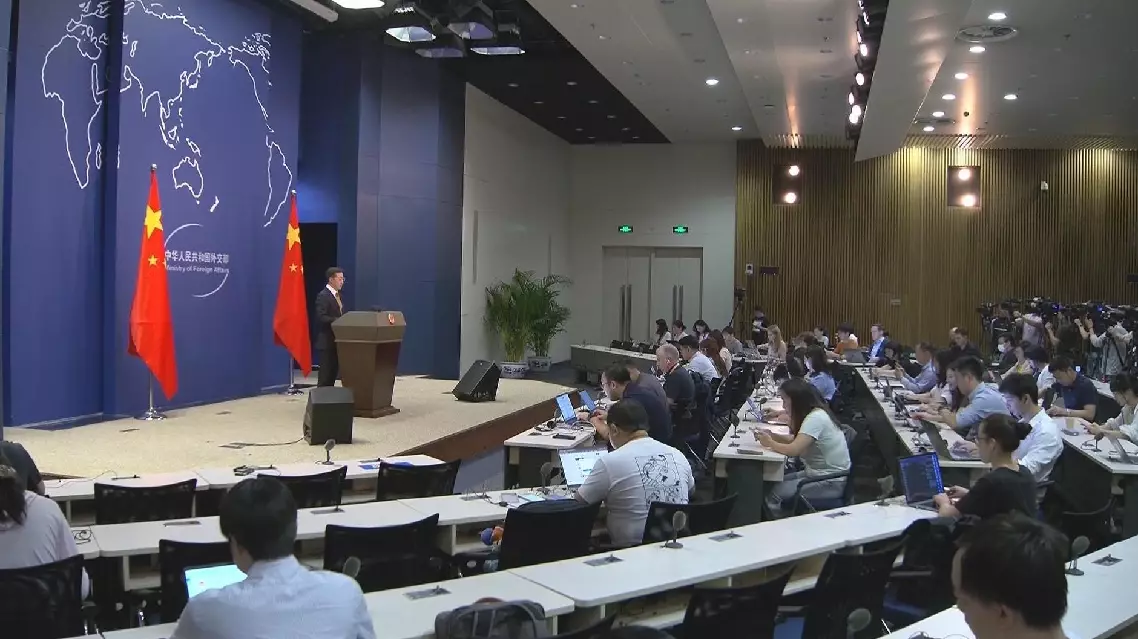
Speaking at a press conference in Beijing, MPS officials said police have adopted a broad range of measures to crack down on AI-enabled crimes while strengthening oversight of AI technologies and applications.
In the first half of the year, police investigated more than 170 cases involving AI-generated online rumors and took actions against more than 190 people.
Authorities also conducted more than 600 inspections of AI application services and imposed 30-plus administrative penalties, including warnings, rectification orders and service suspensions, on the relevant service providers, according to the ministry.
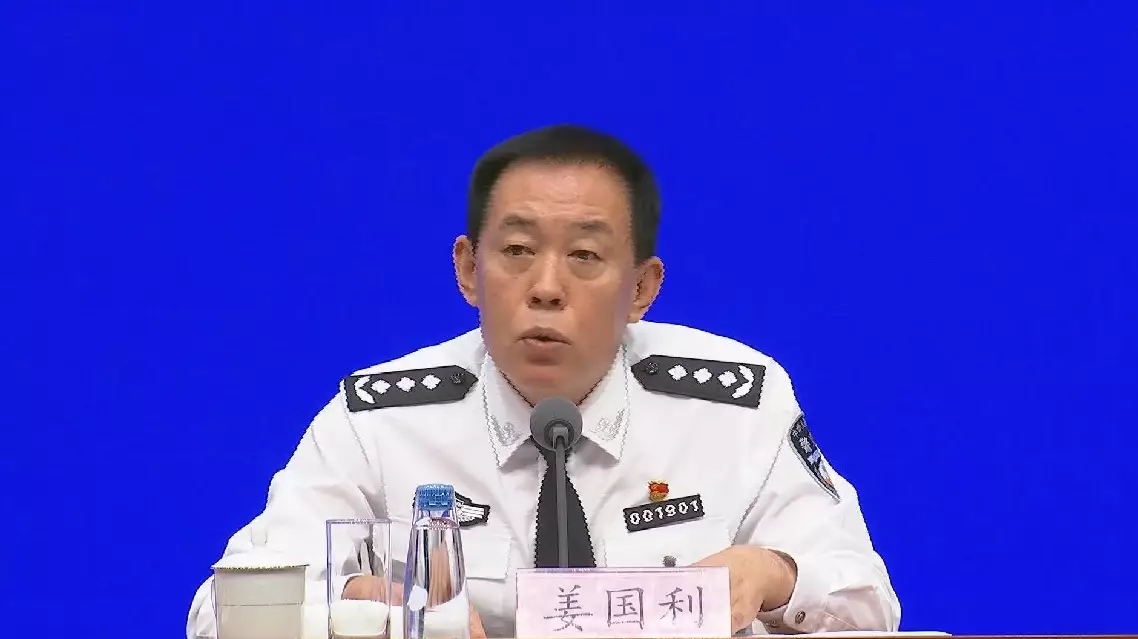
Jiang Guoli, director of the MPS Criminal Investigation Bureau, outlined the major types of AI-enabled crimes currently targeted by police.
"The main types of emerging AI-enabled crimes include using AI to forge identities to infiltrate government and corporate information systems to steal personal information and assets, impersonating acquaintances or authoritative figures to gain victims' trust before carrying out fraud, and using AI tools to generate online rumors that disrupt the public order. Public security authorities are making every effort to crack down on such crimes while also targeting criminal groups that provide technical support, with the aim of eliminating the breeding ground for such crimes," Jiang said.
Authorities are also using big data analytics to identify emerging fraud tactics, including frequent video calls from unknown contacts, silent calls, repeated collection of facial images within a short period, and overseas-initiated video requests. The analysis enables local police to issue early warnings and intervene before potential victims could fall prey to fraud.
China steps up crackdown on AI-enabled crimes: authorities