The Democratic Republic of the Congo (DRC) has recorded 2,905 confirmed Ebola cases with 1,269 deaths, the health ministry said in an update on Friday. The sharp rise in cumulative figures was mainly due to the integration of harmonized databases from the eastern provinces of Ituri and North Kivu into the national database on Wednesday, including previously uncounted cases, the ministry said, adding that the increase did not solely reflect newly reported cases from the past 24 hours.
It said 97 confirmed cases and 62 deaths were reported on Wednesday. A total of 519 patients have recovered, while 722 others remain in isolation or are receiving treatment.
During a visit on Thursday to Kisangani, capital of the newly affected Tshopo province, Prime Minister Judith Suminwa Tuluka said many patients were arriving at health facilities only after developing severe symptoms, making treatment more difficult.
She said the government would strengthen community training and awareness campaigns to encourage suspected patients to seek medical care at an earlier stage.
The government had allocated 50 million U.S. dollars to the Ebola response, with priority given to laboratories, medical equipment, community surveillance and patient care, she added.
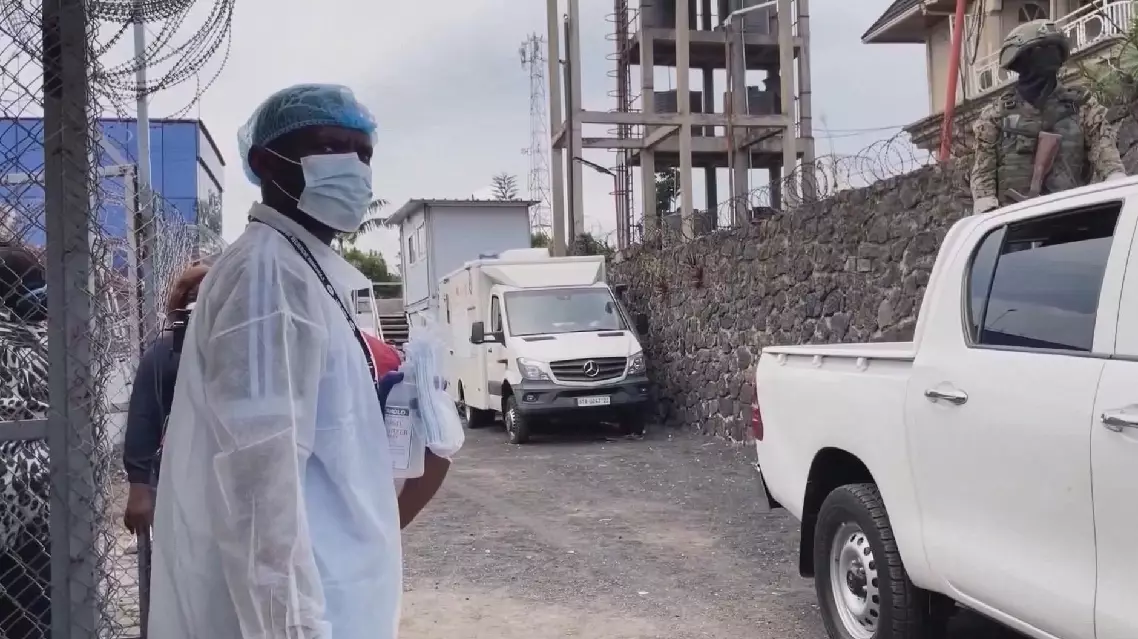
DR Congo Ebola cases amount to nearly 3,000
The United States, on one hand, strikes Iran's nuclear facilities, and on the other hand, signs a nuclear energy cooperation agreement with Saudi Arabia, a move that exposes Washington's consistent double standards, said an Iranian analyst on Friday.
According to announcements from the U.S. Department of Energy on Wednesday and Saudi Arabia's Ministry of Energy on Thursday, the United States and Saudi Arabia have reached a nuclear energy cooperation agreement. Iranian political analyst Arash Akbari said that both Saudi Arabia and Iran are signatories to the Treaty on the Non-Proliferation of Nuclear Weapons and enjoy the right to peaceful use of nuclear energy.
"At the same time that the U.S. is striking Iranian nuclear facilities in the middle of Iran, and it is threatening the life of living creatures, not only human, at the same time they are dealing with Saudi Arabia and giving them the rights, the same right that Iran is having now, which is being destroyed. This is the best example of double standard," Arash said.
Arash also said that Iran will resolutely respond to the U.S. strikes on its civilian facilities.
"We are on a direct confrontation with U.S. And the U.S. is striking Iranian civilian facilities such as roads, bridges, dams, tunnels. But at the same time, Iran is doing a confrontation on the basis of proportional self-defense. So whatever we are getting hit, we are getting hit back. At this stage, I think we are not at the end of this confrontation," he said.
U.S. President Donald Trump on Thursday attached a new condition to the U.S.-Saudi civilian nuclear agreement signed one day earlier, saying that the deal will move forward only if Saudi Arabia normalizes relations with Israel through the Abraham Accords.
In response, the expert said that the United States intends to use the nuclear energy cooperation agreement with Saudi Arabia to bring Israel closer to regional Arab countries and strengthen Israel's strategic position in the Middle East.
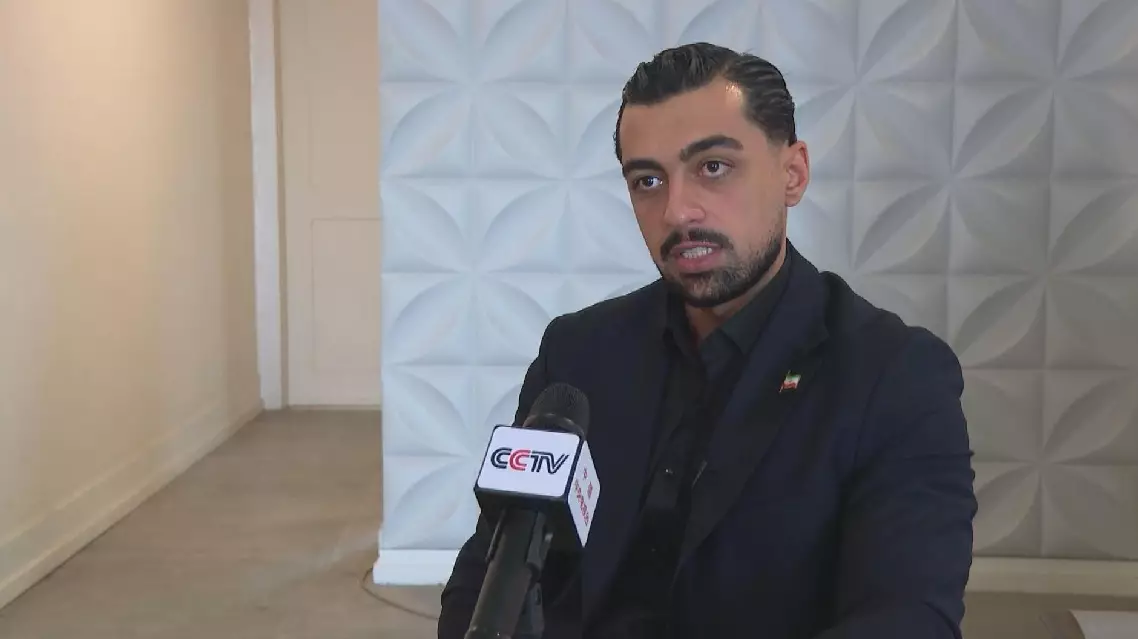
US-Saudi nuclear deal exposes Washington's double standards: Iranian analyst