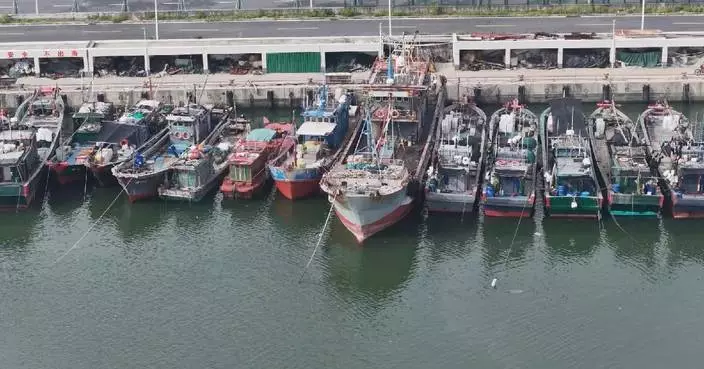
The United Nations secretary-general has expressed deep alarm at the resumption of Houthi attacks on commercial vessels transiting in the Red Sea, warning that the assaults risk escalating regional tensions and undermining peace efforts in Yemen.
Speaking to reporters on Friday, U.N. Spokesman Stephane Dujarric said Secretary-General Antonio Guterres called for an immediate de-escalation and urged the Houthis to halt further attacks on commercial shipping.
Dujarric said the attacks threaten to widen the current cycle of regional escalation, draw Yemen deeper into conflict, and have serious economic, humanitarian and environmental consequences.
"The Secretary-General is deeply alarmed by the resumption of Houthi attacks on commercial vessels transiting in the Red Sea and the renewed threats to maritime navigation. The attacks on commercial vessels, claimed by the Houthis, risks further heightening regional tensions and widening of the current cycle of escalation with the potential to draw Yemen deeper into the regional conflict. Further hostilities in Yemen will undermine prospects for peace, and cause serious economic, humanitarian and environmental consequences across and beyond the region," said Dujarric.
"The Secretary-General calls for an immediate de-escalation and urges Houthis to refrain from any further attacks or other escalatory actions, in line with Security Council resolution 2722 and subsequent relevant resolutions concerning attacks against commercial vessels and freedom of navigation in the Red Sea. International navigational rights and freedoms in and around Bab al-Mandab must be fully restored," said the spokesman.
The secretary-general also stressed that international navigational rights and freedoms in and around the Bab al-Mandab Strait must be fully restored, in line with Security Council Resolution 2722 and subsequent resolutions on freedom of navigation in the Red Sea.
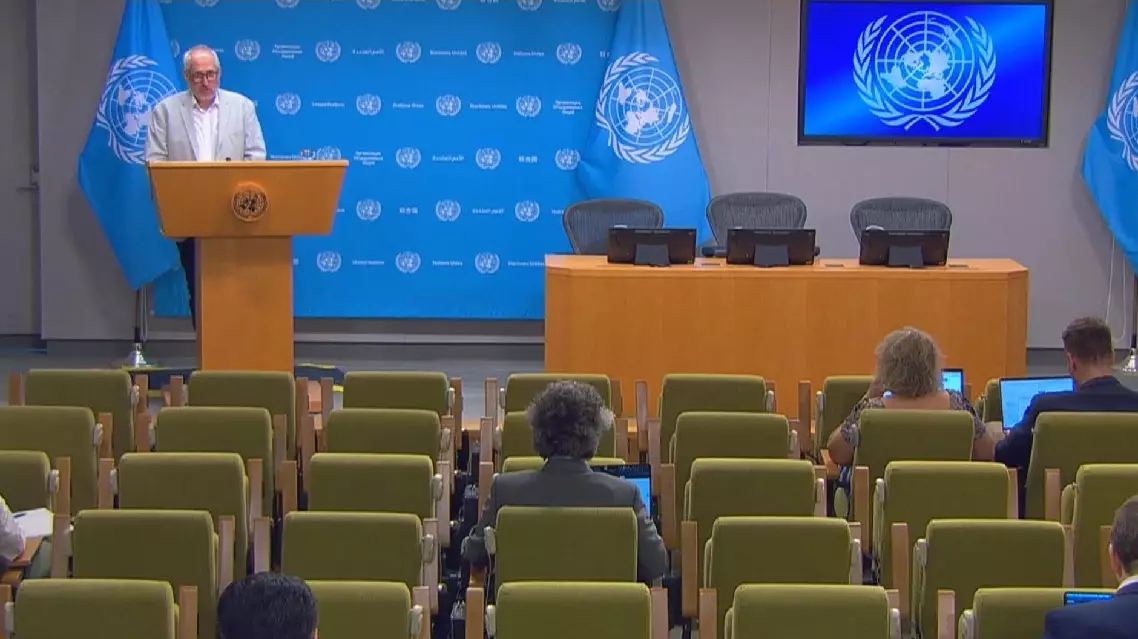
U.N. chief urges Houthis to halt Red Sea shipping attacks
U.N. chief urges Houthis to halt Red Sea shipping attacks
Japan's Cabinet Office on Friday released its annual report on the Japanese economy and public finance, or the economic white paper, for fiscal 2026, noting that Japan's economic recovery continues to face multiple challenges, including imported inflation driven by the Middle East conflict and persistent structural problems such as labor shortages.
According to the white paper, heightened tensions in the Middle East have pushed up international crude oil prices, with the increase filtering through supply chains to raise costs for petroleum and coal products, chemicals and other goods.
Although the Japanese government has sought to cushion the impact by providing fuel subsidies, releasing oil reserves, and promoting alternative sourcing of raw materials, higher import costs could still squeeze corporate profits and add to the financial burden on households.
The white paper also identifies labor shortages as one of the most significant structural challenges facing Japan's economy.
In recent years, higher labor force participation among women and the elderly has helped ease pressure caused by the shrinking workforce. Nevertheless, labor shortages continue to worsen, particularly at small and medium-sized enterprises and in the non-manufacturing sector.
At the same time, structural mismatches in the labor market persist, with skilled positions in fields such as construction and nursing care remaining chronically difficult to fill.
The report further notes that Japan's potential economic growth rate remains low. Insufficient capital accumulation continues to curb growth momentum, while investment in areas such as digitalization and automation is not enough to fully offset the impact of the country's declining working population.
The Japanese government publishes the white paper on the economy and public finance every year to analyze the country's economic conditions, fiscal performance, and employment situation, while also providing recommendations for future economic and fiscal policies.

Inflation, labor shortages weigh on Japan's growth: economic white paper