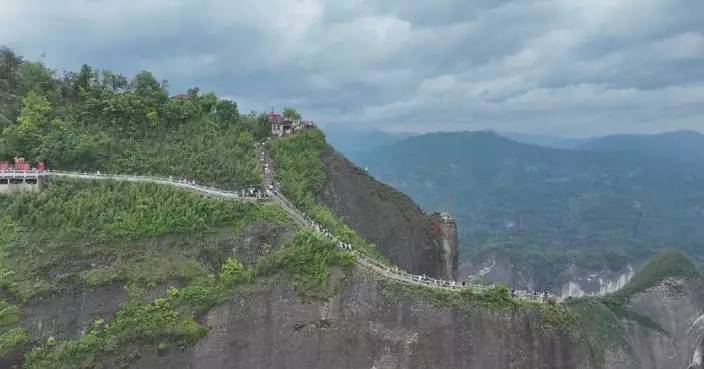
The Inner Mongolia Autonomous Region in north China recorded nearly 1.5 million cross-border entries made by international visitors from January to July 20, up more than 23 percent year on year, as the region's cool climate and the country's visa free policies fuel a summer tourism boom.
Border control data show the majority of arrivals entered visa free, with top source markets including Mongolia, Russia, Malaysia, South Korea, Singapore and Thailand.
"[Since the visa-free policy was introduced,] there has been a steady influx of tourists from Thailand, Malaysia, and even Europe. I have already handled about 30 to 31 tour groups since April," said a tour guide from Thailand.
Local authorities in Inner Mongolia have allocated 16 million yuan (about 2.36 million U.S. dollars) to boost consumption and enhance tourist experiences with nighttime shows, regional cuisine, and immersive cultural activities.
A local water park was packed with visitors in recent days.
"This water park is my favorite. The moment you dive into the pool, it's so refreshing and thrilling at the same time," said a tourist from Mongolia.
China currently offers unilateral visa-free entry to ordinary passport holders from 50 countries. Meanwhile, nationals from 55 countries can now utilize the 240-hour visa-free transit program to enter China via 65 designated ports.
In the first half of this year, visa-free entries by foreign nationals surged 30.6 percent year on year to surpass 17.8 million, accounting for 77.7 percent of all foreign arrivals, according to the National Immigration Administration of China.
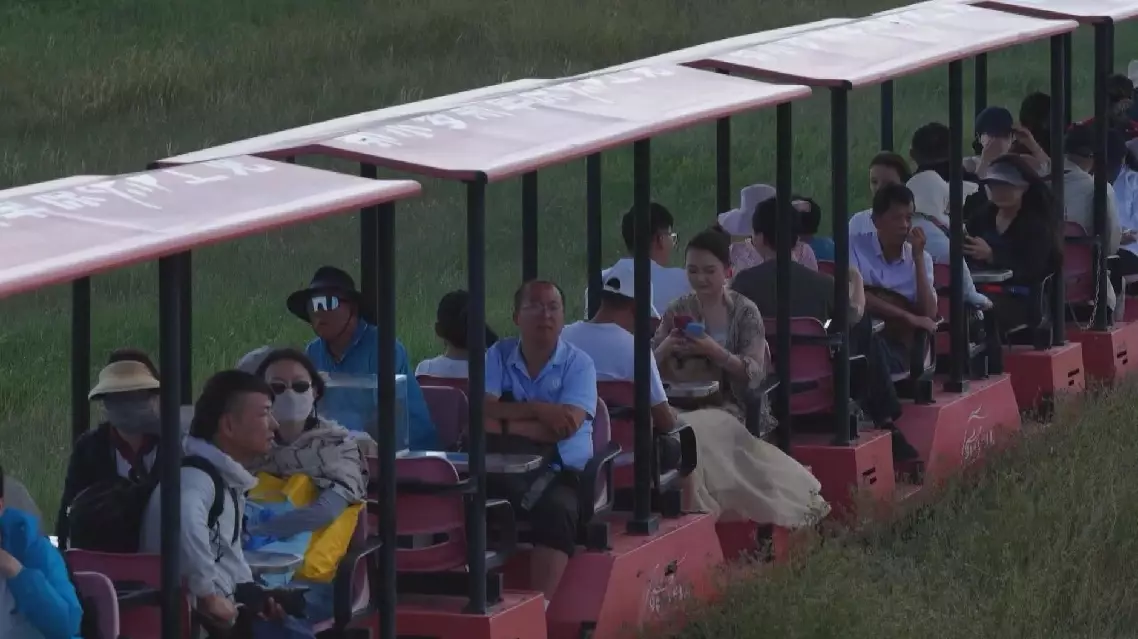
Visa‑free policies, cultural charm fuel surge in Inner Mongolia tourism
The number of confirmed Ebola cases in the Democratic Republic of Congo (DRC) has surpassed 3,000, according to official figures released on Saturday.
Health authorities reported 3,075 confirmed cases since the latest outbreak began in May, including 1,354 deaths and 556 recoveries. Another 755 patients are currently hospitalised or in isolation.
The epidemic has spread across five provinces, namely Ituri, North Kivu, South Kivu, Haut-Uele and Tshopo.
Speaking on Friday in Bunia, the capital of Ituri Province and the outbreak's epicenter, Prime Minister Judith Suminwa Tuluka said the government has allocated 50 million U.S. dollars for the response, in addition to funds mobilized by international partners.
However, she acknowledged that the main challenge now lies in ensuring more efficient delivery of logistical resources, including laboratory equipment, water and oxygen supplies, ambulances, hygiene materials, and equipment for safe and dignified burials.
Tuluka said researchers were working to develop a treatment and a vaccine against the Bundibugyo ebolavirus, the virus strain responsible for the current outbreak in the DRC.
Expressing hope that a vaccine and treatment could become available "within two to four months," she said the government has provided funding for the research but did not give further details on the development stage or expected approval process.
No vaccine or specific treatment is currently approved for the Bundibugyo strain, though several experimental candidates are undergoing clinical evaluation.
The University of Oxford announced on Friday that the first volunteer has been vaccinated in the world's first human trial of a vaccine, known as ChAdOx1 BDBV, designed to protect against the Bundibugyo ebolavirus.
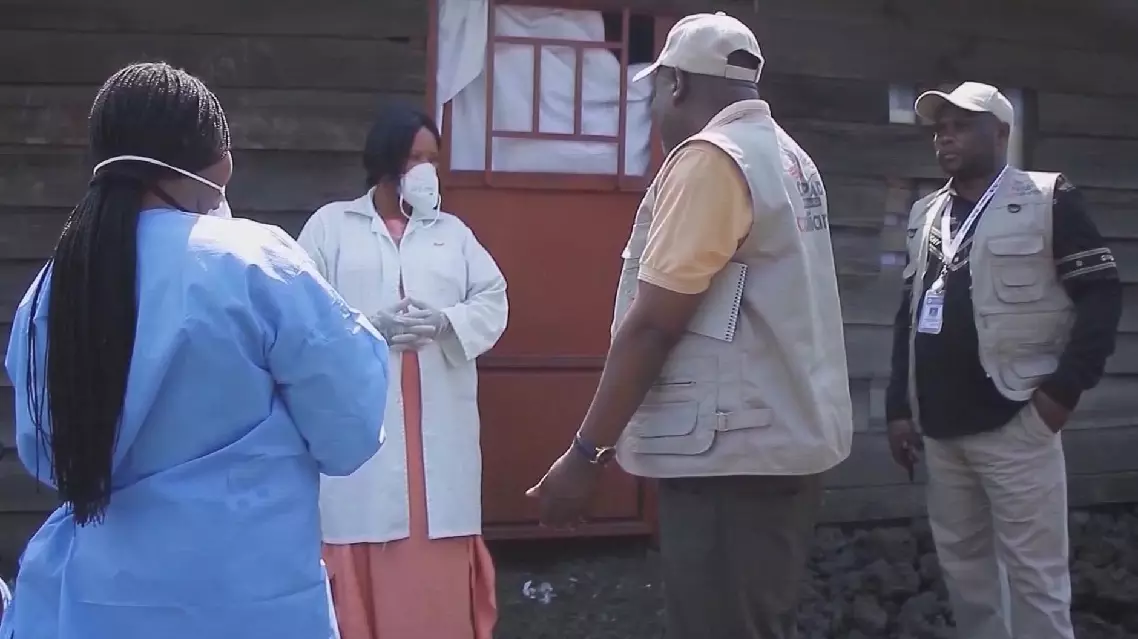
DR Congo Ebola cases top 3,000 as vaccine research advances