Nearly all of the 755 billion yuan (around 111.76 billion U.S. dollars) in central budget investment earmarked for this year has been allocated, the National Development and Reform Commission (NDRC) said on Friday.
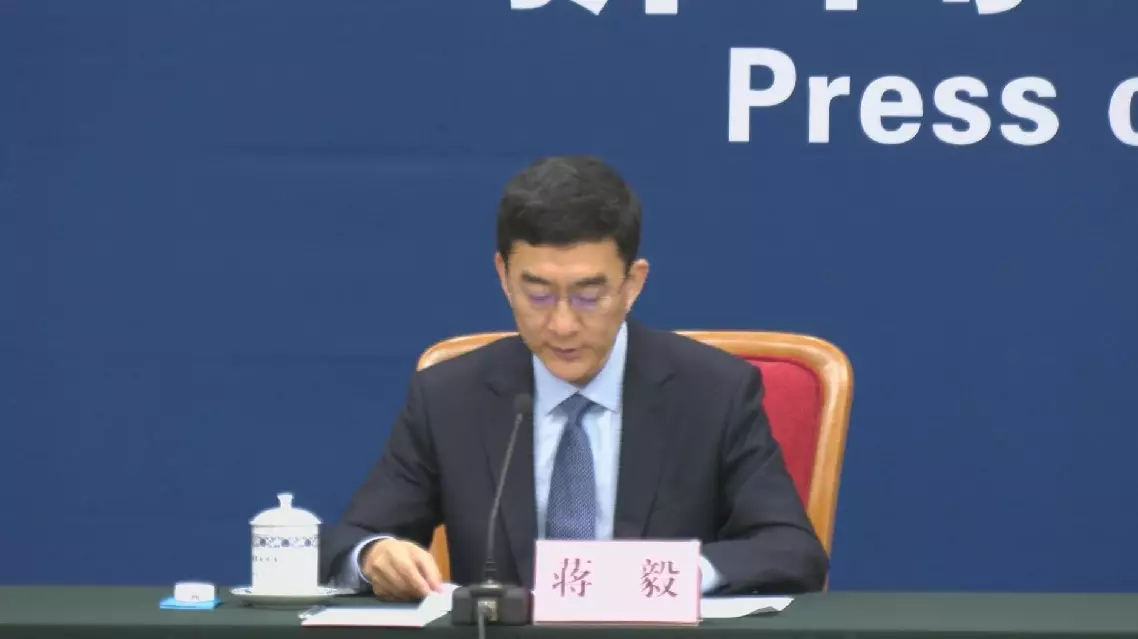
Jiang Yi, spokesperson for the NDRC said at a regular media conference that the investments cover both physical assets such as infrastructure, as well as human capital, scaling up government spending on people's well-being.
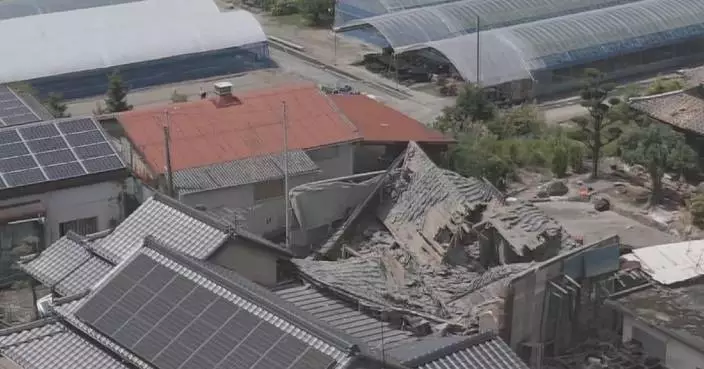
"We adhere to the close integration of investment in physical assets and in people, and further increase government investment in livelihood-related areas. For example, in terms of emergency rescue and disaster relief, since the onset of the flood season this year, our Commission has urgently allocated 14 batches of central budget investment, totaling 750 million yuan (around 111 million U.S. dollars), to support disaster-affected areas in carrying out post-disaster emergency restoration of infrastructure and public service facilities. In another example, in terms of work-relief programs, this year we have allocated 39.5 billion yuan (around 5.85 billion U.S. dollars) to implement more than 7,800 projects, employing 1.5 million workers and increasing per capita income by over 10,000 yuan (around 1,480 U.S. dollars), fully leveraging the comprehensive effects of promoting employment, boosting income, and improving people's livelihoods," said Jiang.
China allocates nearly all 755-billion-yuan central budget investment: NDRC
Heavy rainfall that hit the Sichuan Basin and surrounding areas in western China on Friday is forecast to persist through Monday, according to the China Meteorological Administration.
The persistent heavy rainfall has increased the risk of rain-triggered floods and mountain torrents in parts of southwest China's Sichuan Province. The Sichuan Provincial Department of Water Resources on Thursday afternoon upgraded its emergency response for flood control from Level IV to Level III, while the province's meteorological service issued a yellow alert for rainstorms. Meanwhile, the provincial department of natural resources simultaneously issued a yellow alert for geological disasters.
China has a four-tier, color-coded weather warning system, with red representing the most severe warning, followed by orange, yellow and blue. The emergency response system and flood-control emergency response system also have four tiers, with Level I being the most severe.
Forecasts show the rainfall will persist through around Monday, with heavy downpours expected in cities including Guangyuan, Mianyang, Deyang, Chengdu and Meishan, and even more intense rain in some localized areas.
Emergency flood control preparations and evacuation readiness have been put in place across the affected regions.
To ease the strain on flood defenses, the Wudu Reservoir on the Fujiang River upstream of Mianyang City opened two floodgates on Thursday afternoon, adjusting outflows to free up more storage capacity.
In the northwestern province of Shaanxi, heavy rains triggered by severe convective weather also pounded the provincial capital Xi'an, prompting local meteorological authorities to issue a red rainstorm alert.
In the city's southern suburbs, intense downpours left standing water on roads and under overpasses. All major valleys along the Qinling Mountains have been closed to visitors as a precaution.
Meanwhile, parts of northwest China's Gansu Province have endured several consecutive days of heavy rainfall. From Tuesday evening through Wednesday, water levels in the Dang River, which flows through the city of Dunhuang, surged rapidly, with floodwaters briefly spilling over discharge channels.
Local authorities have taken emergency measures including releasing water from reservoirs in advance to create buffer capacity. Floodwaters have since receded gradually, and as of Friday afternoon, cleanup efforts in inundated areas have been completed, with all major urban roads restored to normal traffic.

Heavy rains to lash parts of China for days