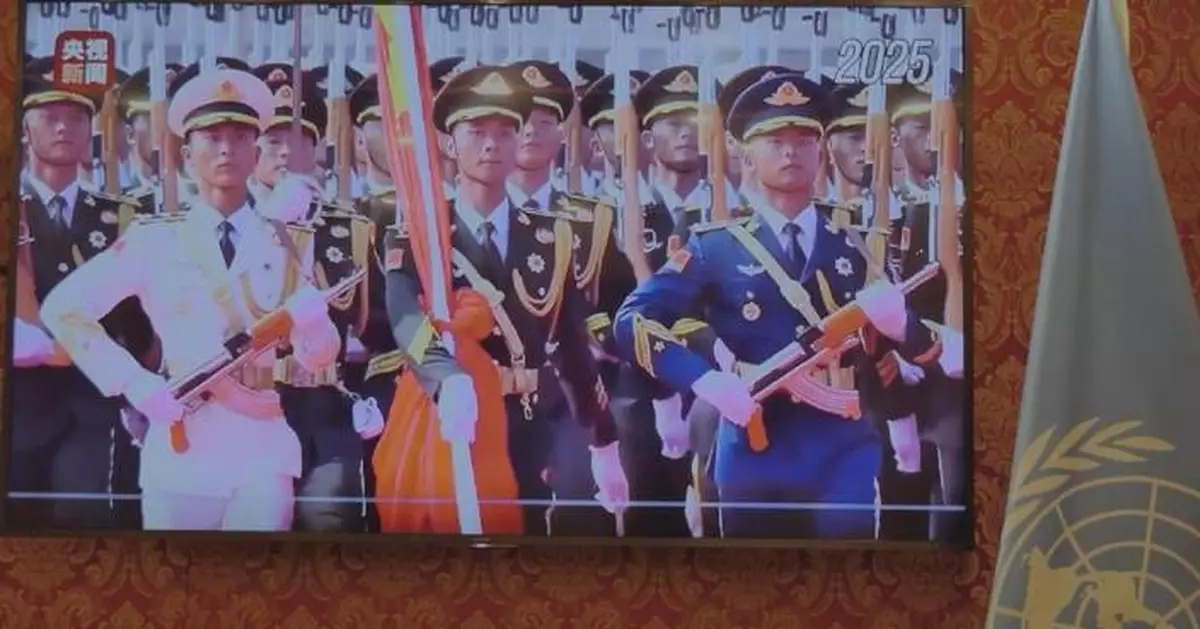
Chinese embassies across the world held events marking the 99th founding anniversary of the Chinese People's Liberation Army (PLA), which falls on August 1.
More than 200 guests attended a reception in New York held by the Permanent Mission of China to the United Nations. Guests extended congratulations on the PLA's achievements.
The Chinese Embassy and the PLA Support Base in Djibouti held a reception which included a photography exhibition highlighting the military's modernization.
Chinese embassies in Cuba, Serbia, Germany, France and Poland hosted their respective receptions. Guests spoke highly of the Chinese army's contributions to safeguarding world peace.
"The Chinese People's Liberation Army is a military created and shaped by the Communist Party of China, and it is a military that truly protects the people. Having such a world-class Chinese military at present is reassuring," said Victor Rojo Ramos, chief of the Political Directorate of the Cuban Revolutionary Armed Forces.
On August 1, 1927, the PLA was born out of a mission to seek national independence and liberation of the Chinese people.
Nearly ten decades have passed. And now the PLA, ever developing and modernizing, has not only been standing guard for the security and well-being of the Chinese people, but also contributing to regional and global peace and security.
China has been actively engaged in UN peacekeeping operations since 1990, taken part in 26 peacekeeping missions, and sent over 50,000 peacekeepers to more than 20 countries and regions.
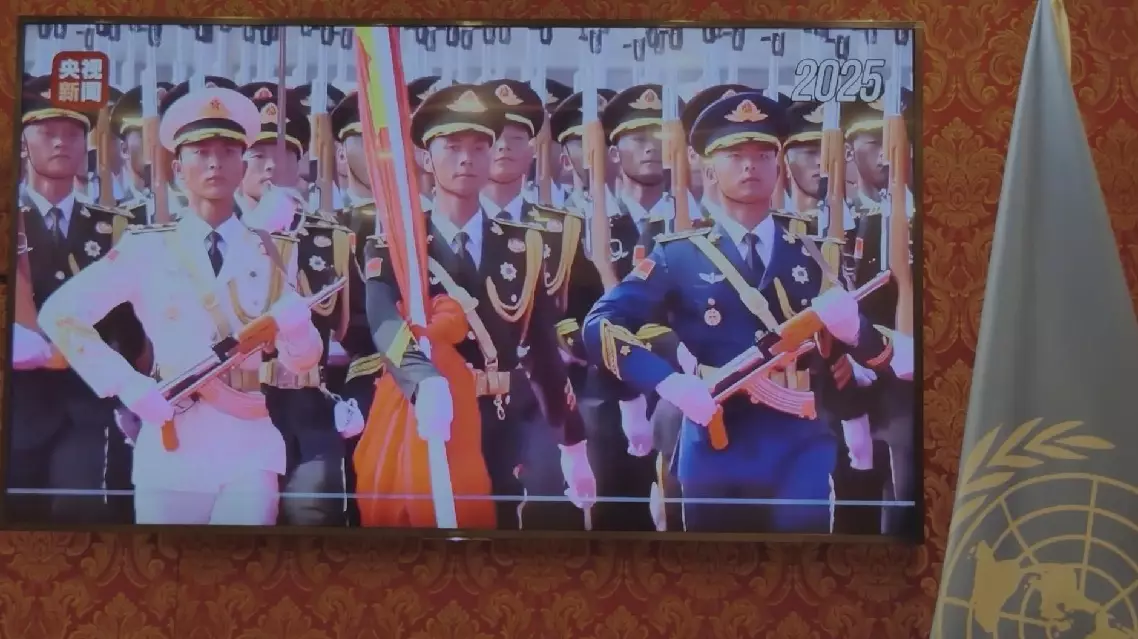
Chinese embassies worldwide mark PLA's 99th founding anniversary
The World Trade Organization (WTO) released the latest data on Friday which showed that global merchandise trade growth exceeded expectations in the first quarter of 2026, as surging trade in electronic components related to artificial intelligence (AI) offset the negative impact of the Middle East conflict.
According to the data, the seasonally adjusted volume of world merchandise trade rose by 1.9 percent quarter on quarter and 3.2 percent year on year in the first quarter of this year.
In value terms, global merchandise trade increased by 2 percent from the previous quarter and by 11 percent from the same quarter of 2025.
The year-on-year growth rate recorded in the first quarter of 2026 is particularly noteworthy, given that trade growth in the first quarter of 2025 had been largely driven by front-loading of imports in North America ahead of expected tariff hikes.
The robust trade in AI-related electronic components more than offset the adverse effects of the outbreak of the war in the Middle East, including disruptions to shipments through the Strait of Hormuz and slower GDP growth in net fuel-importing countries due to higher energy prices.
While no specific data are available on global trade volumes of AI-enabling products, their U.S. dollar-denominated trade value surged by over 40 percent year on year in the first quarter.
The conflict has severely hit merchandise trade in the Middle East. The region's seasonally adjusted export and import volumes dropped by 9.7 percent and 11.9 percent year on year, respectively, in the first quarter, and even sharper declines are expected for the second quarter.
At the same time, AI-related investment spending lifted trade volumes in Asia during the first quarter. Asia's seasonally adjusted exports and imports were up 12.9 percent and 14.6 percent year on year, respectively. Much of Asia's trade expansion came from intra-regional circulation of AI-enabling goods.
In North America, first-quarter exports rose by 7.0 percent year on year, while imports fell by 10.7 percent year on year.
The WTO expects that the next quarter's trade data will more fully reflect the disruptions to shipments through the Strait of Hormuz.
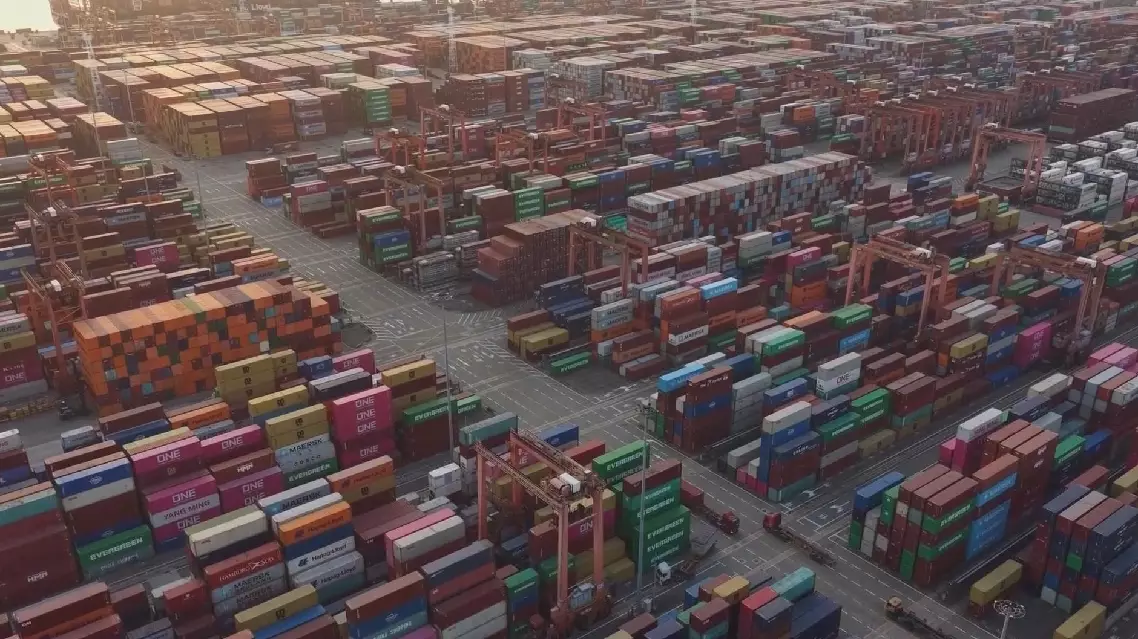
WTO says global goods trade growth exceeds expectations in Q1