The first Hualong One nuclear power unit in south China's Hainan Province -- Unit 3 of the Phase II Changjiang Nuclear Power Plant -- was connected to the grid on Saturday, officially generating the first kilowatt-hour of electricity.
Developed by China Huaneng Group, the project's power generation marks a major step forward in acquiring the ability to put the unit of third generation nuclear reactor technology into operation.
Next, the unit will carry out efficiency increase and a series of performance tests as planned.
"The project plans to build two 1.2-million-kilowatt nuclear power units, expected to generate 18 billion kilowatt-hours of electricity annually once completed. This will save some 6.3 million tons of standard coal a year and reduce carbon dioxide emissions by 11.6 million tons, effectively ensuring energy security and helping achieve China's dual carbon goals," said He Qingwei, a senior operator of Phase II Changjiang Nuclear Power Plant.
China has set the dual carbon goals of peaking carbon dioxide emissions before 2030 and achieving carbon neutrality before 2060.
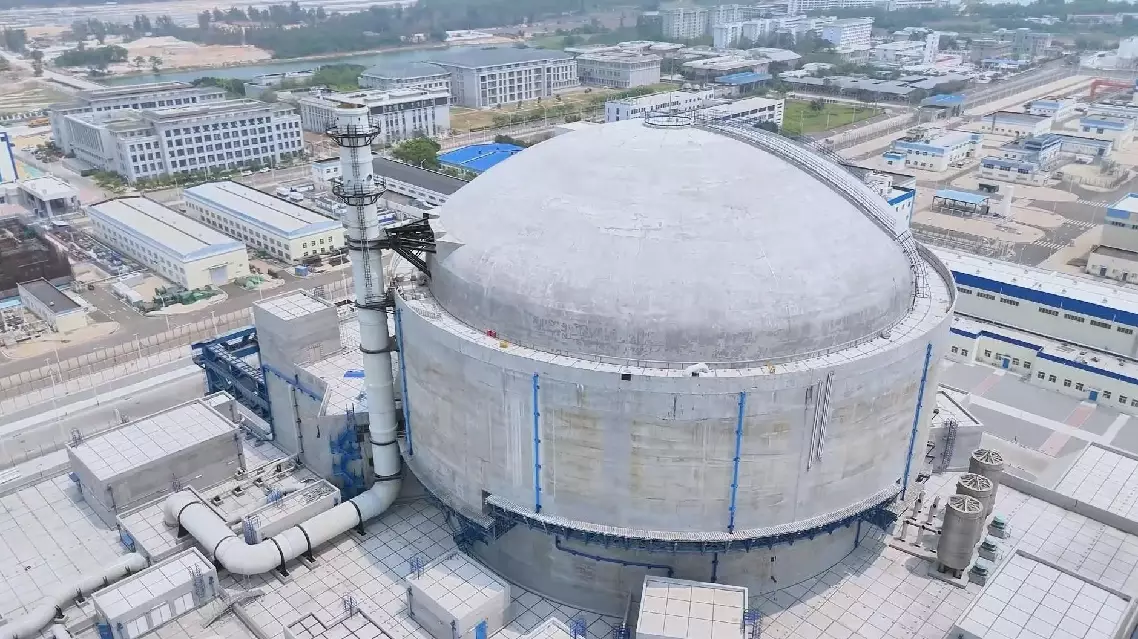
Hainan's 1st Hualong One nuclear power unit connected to grid
The Cyberspace Administration of China has drafted a set of guidelines to ensure healthy and safe internet use by minors, laying out a series of regulations for relevant service providers.
The draft was made public on Friday and is open to public comment until Oct. 17.
The draft encourages the research, development and manufacture of smart terminal products specifically designed for minors and tailored to the laws and characteristics of their physical and mental development, as well as internet technologies and services conducive to the healthy growth of minors.
Minors shall not be exposed to online social networking services with strangers, virtual intimate relationship services, and online services that induce addiction in minors or are detrimental to their physical and mental health, the draft reads.
Internet services for minors under 16, such as online social networking services and artificial intelligence services that may affect minors' cognition, can only be provided through a minor mode, according to the draft.
It also clarifies the functions of the minor mode, which include identifying online information detrimental to minors' physical and mental health, protecting minors' personal information rights and interests, preventing minors from becoming addicted to the internet, and facilitating guardians in fulfilling their guardianship responsibilities.
As of December 2025, China had more than 200 million internet users aged 6 to 19, the 57th Statistical Report on China's Internet Development revealed.
With the increasingly evident impact of social media on minors' mental well-being, behavior and safety, a growing number of countries and regions have recently started to explore ways to raise the legal threshold for minors' use of social media platforms, said Wang Zhiqin, deputy director of the China Academy of Information and Communications Technology.
The draft proposes a model with Chinese characteristics for protecting minors online, representing a positive response to the global trend toward strengthening online protection for minors, Wang said.
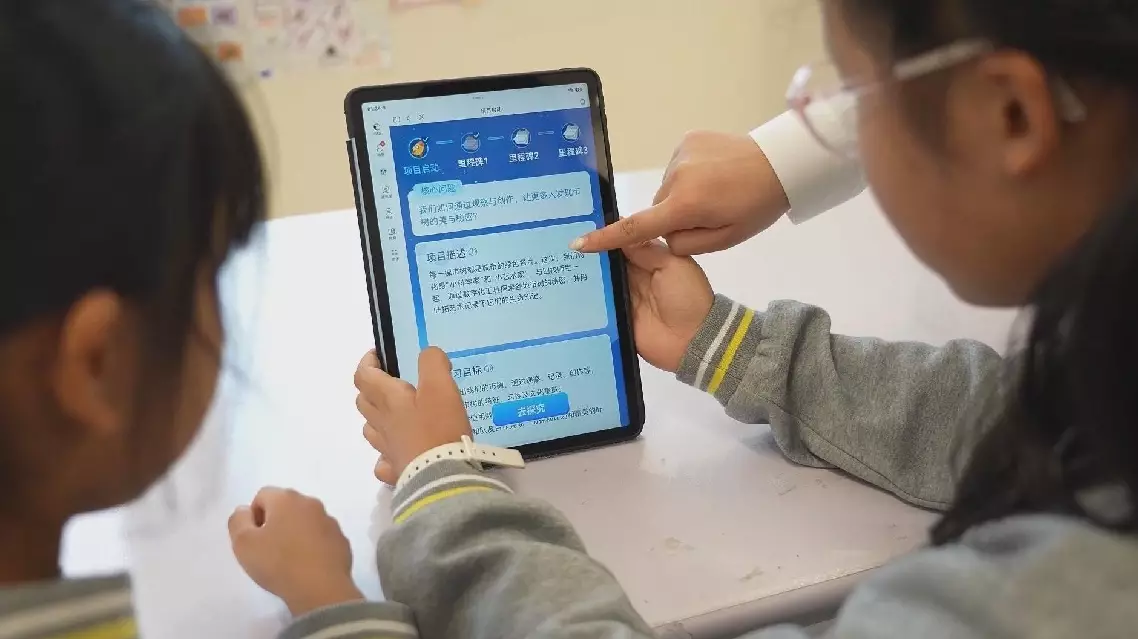
China drafts guidelines to strengthen online protection for minors