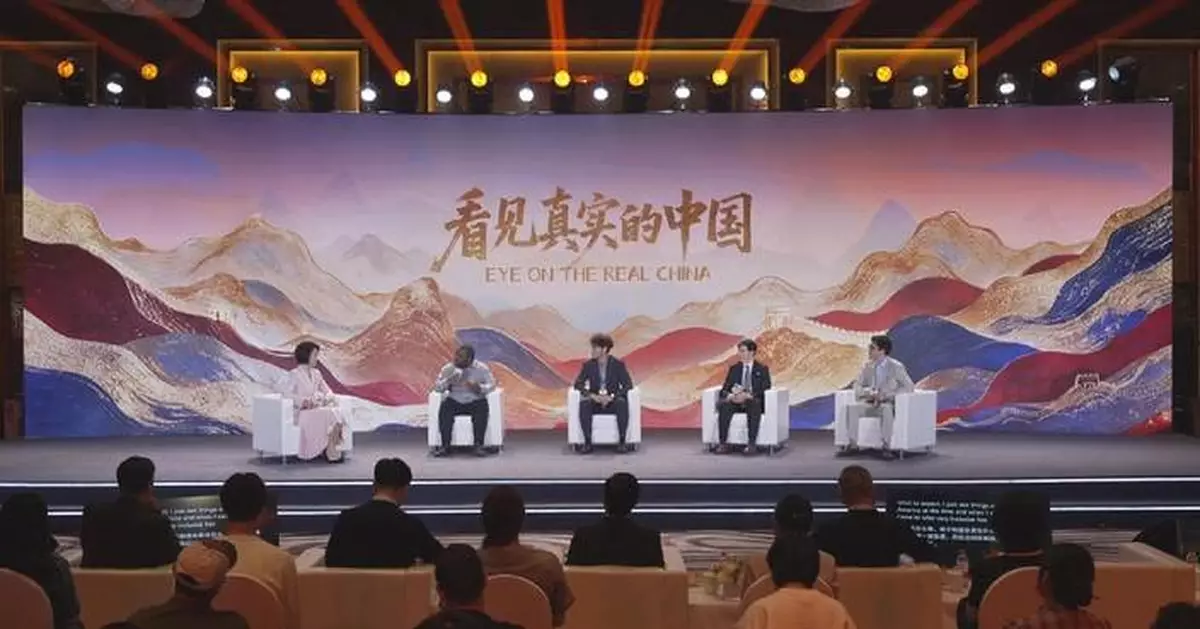
American educator Oluwaseyi Christopher Oniya remembered feeling overcome with nerves during his first flight to China in 2008, long before he made Beijing his home as a university professor.
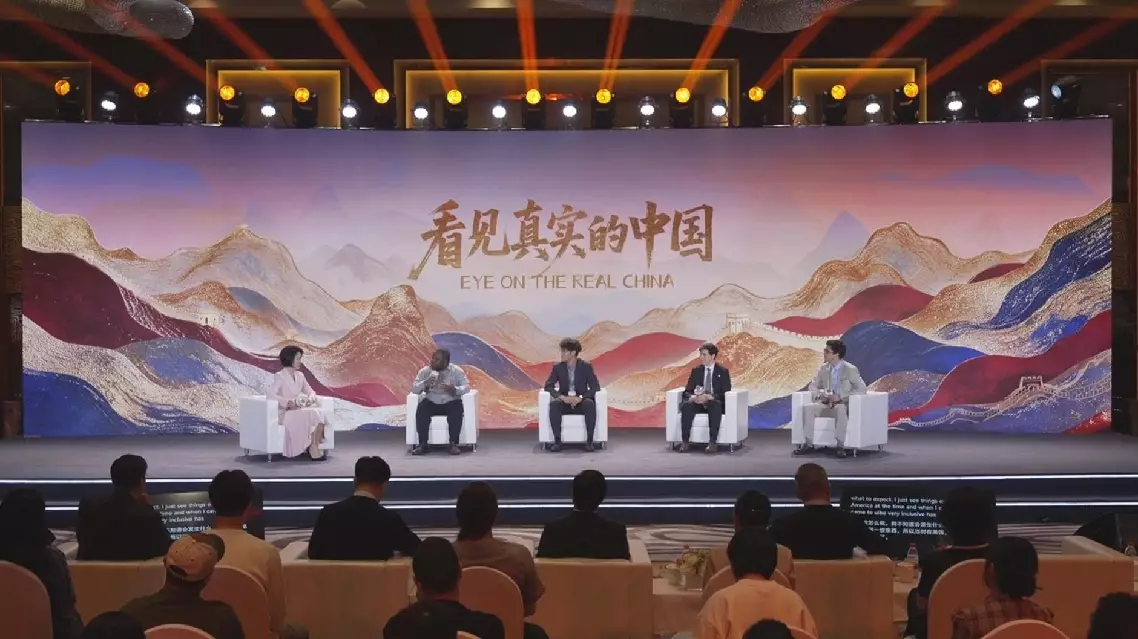
Now a faculty member at the University of International Business and Economics in Beijing, Oniya reflected on his personal transformation during CGTN's "Eye on the Real China" exchange event.
Speaking to attendees, he recalled his early anxieties about traveling to an unfamiliar country and described how campus life quickly fostered a lasting sense of belonging and cross-cultural community.
"So when I first was on the plane coming from America in 2008, I was really nervous. I've never been to China before. I didn't know what to expect. I was worried. This might sound kind of ignorant now, but I was like, do they even have salt there? I didn't know what to expect. I just see things on TV, so in America at the time. And when I came here, I came to UIBE, [it’s] very inclusive, has so many foreigners, so many people. I made so many friends. I felt like I had a new home in China," he said.
Highlighting his involvement in bilateral youth initiatives, Oniya pointed to programs like the Guling Exchange, where young people from China and the United States came together to plant trees and exchange stories emphasizing historical ties between the two countries.
"So it wasn't just Americans or it wasn't just Chinese, but it was both of us, Chinese and American, working hand in hand to understand what actually happened 100 years ago. And so you have the Chinese and you have the foreigners there talking, getting along, sharing stories, planting trees. And so it was a very amazing experience that allowed us to interact with our Chinese comrades and get to know each other more," he said.
American educator in Beijing highlights US-China youth exchanges, shared history