Skip to Content Facebook Feature Image

Heatwave drives up sales for Chinese air conditioners in Serbia

China

China

China

Heatwave drives up sales for Chinese air conditioners in Serbia

2026-08-03 16:05 Last Updated At:18:17

Heat waves across Europe have pushed Serbia's air conditioning market into high gear, with Chinese brands gaining increasing favor among local consumers.

A home appliance store manager in Belgrade says air conditioner (AC) sales have risen sharply amid the heat, with Chinese AC brands most favored by consumers.

"It's usually up to 10 to 20 percent increased and most of them are Chinese brands, I would say half of them are Chinese brands," said Borko, the manager.

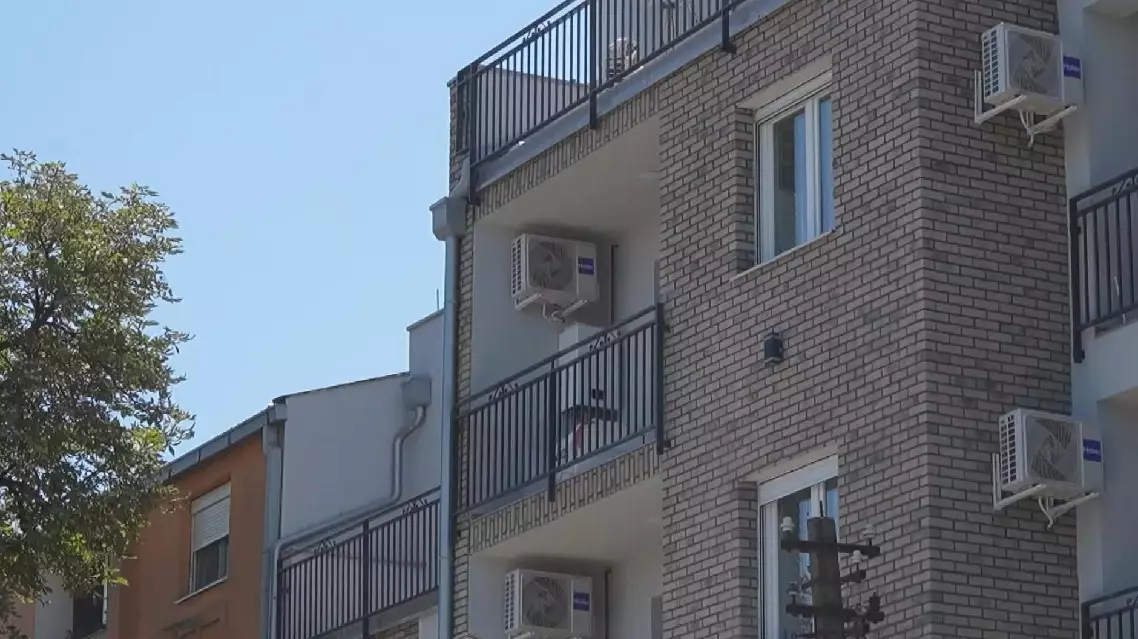
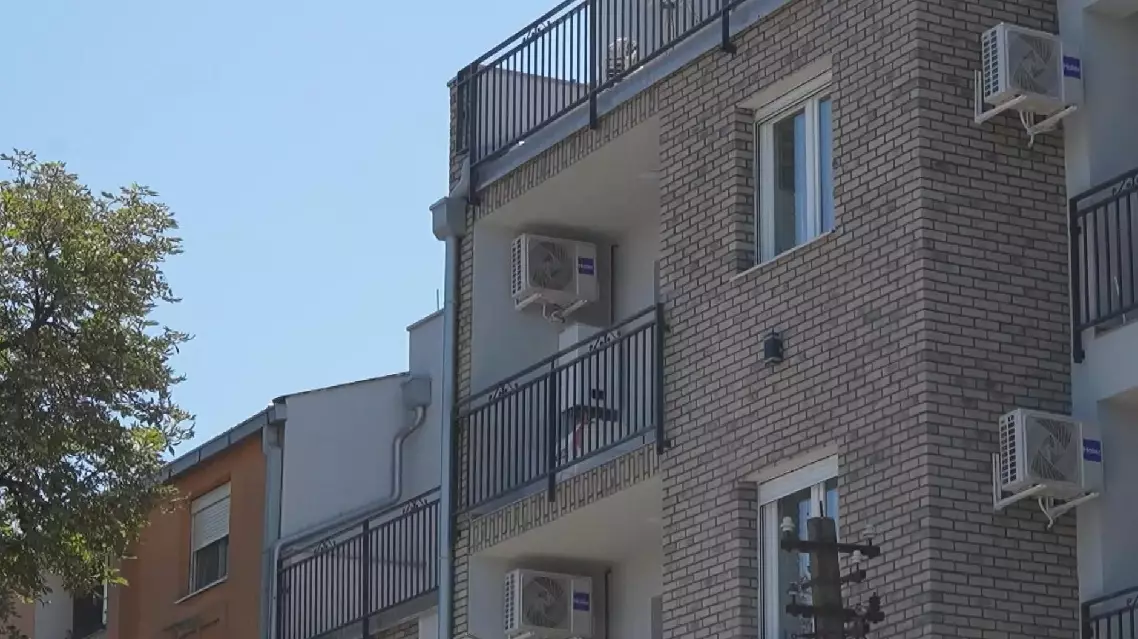
Chinese-brand units are also common on building exteriors across the city, and the installation of such units by real estate developers in new residential developments has increasingly become standard practice.

"About 95 percent of the air conditioning equipment I've installed comes from China. I also have a Chinese brand air conditioner at home. First, the cost-performance ratio is very high, and it comes with a warranty—five years of quality guarantee service. What I value is the reliability of the equipment, easy replacement of spare parts, and better after-sales service," said Sinisa Kisic, an air conditioning installer.

The appeal of Chinese brands is shifting from price alone to quality, technology, and after-sales service.

"We have the increase in product quality, in post-service phases and in the process of distribution. So all these supply chain factors have influenced, from one side, the increasing demand for Chinese products," said Veljko Mijuskovic, a professor of economics at Belgrade University.

Mijuskovic also pointed out that China-Serbia free trade agreement, which took effect on July 1, 2024, has further lowered tariffs and streamlined market access for Chinese home appliance brands.

"From the Chinese side, yes, you can position a wider variety of products onto the Serbian market, especially products of higher quality and of higher added value. On the other hand, the Serbian side here has, I would say, a free battlefield, which can be positioned onto the Chinese market if you are competitive enough. So this is definitely a win-win situation and something that has to be continued in the years to come," he said.
Heatwave drives up sales for Chinese air conditioners in Serbia
Heatwave drives up sales for Chinese air conditioners in Serbia

Heatwave drives up sales for Chinese air conditioners in Serbia
Heatwave drives up sales for Chinese air conditioners in Serbia
Israel has tightened restrictions on Palestinian workers from the occupied West Bank, suspending numerous permits since the October 7, 2023 attacks.

Although some permits have been reinstated, many Palestinians remain unable to legally work in Israel, placing heavy economic pressure on families.

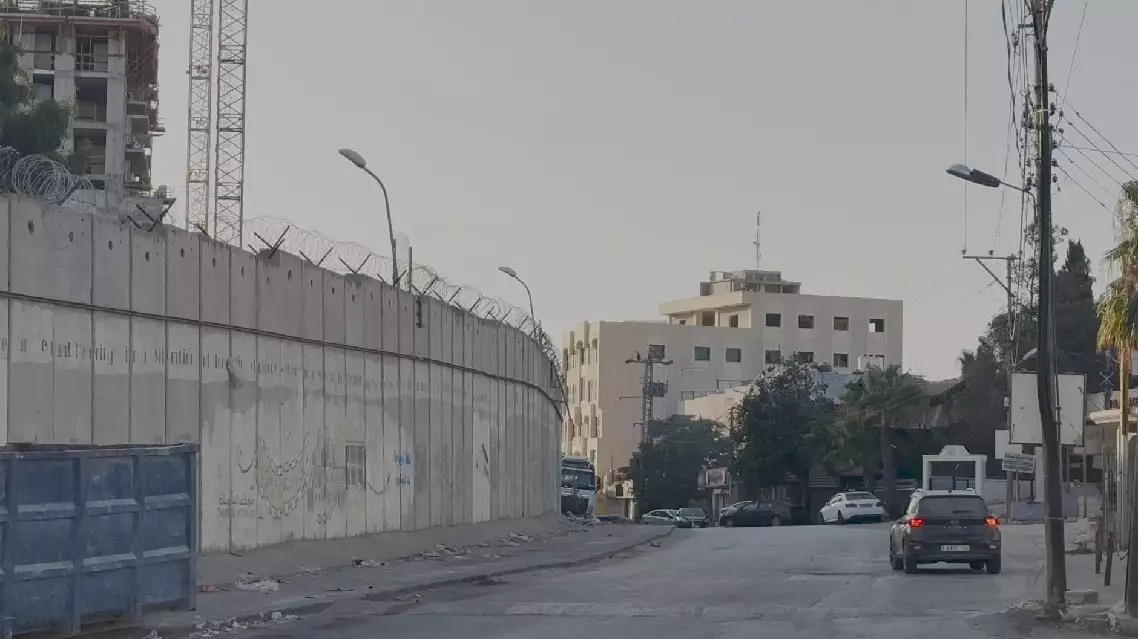
A separation wall divides Israel from the occupied West Bank, where workers line up at checkpoints each morning to reach jobs.

Hamdi Salama, a construction worker from Bethlehem, makes the daily journey to his job in Jerusalem.

"Before October 7, we used to pass through the 300 checkpoint. After October 7, I think they removed all permits for all workers in Palestine, and there were no workers left, no permits for workers at all," he said.

The 300 checkpoint is one of the main crossings between Bethlehem and Jerusalem. Before October 7, thousands of Palestinian workers passed through here on their way to jobs in Israel.

Hamdi lost his permit along with thousands of other workers. He only managed to get a new one a few months ago, but now pays thousands of shekels each month: far more than the few hundreds he used to pay. For many Palestinians, legal work is now out of reach.

Unable to obtain permits, many Palestinians have turned to risky crossings without authorization, using breaches in the separation barrier or remote areas.

"Over the past two years, many have been killed, many have been injured, and prisons are full of workers, all because there are no resources," said Hamdi Salama.

Those caught risk arrest and imprisonment. Others are shot while trying to cross. But many say they have little choice if they want to provide for their families.

"[People say,] 'I have a fifty percent [chance] of being shot, but if I stay at home, there’s an eighty percent [chance] that my children will starve. So I prefer to risk myself and go to work.’," said Assaf Adiv, executive director of the independent Union MAAN Workers Association in Israel.

The tightened restrictions have also affected Israel’s labor market. Construction, one of the sectors most dependent on Palestinian workers, faces major shortages as many employers struggle to replace them.

Israel curbs West Bank labor, leaving Palestinian families under economic strain

Israel curbs West Bank labor, leaving Palestinian families under economic strain

Recommended Articles