The Hong Kong media delegation began its first day of visits to Fujian on Monday (August 3), departing from Hong Kong and heading directly to Xiamen. In the afternoon, they visited Xiamen Sitan Semiconductor Co., Ltd. and the Xiamen Free Trade Zone to gain first-hand insight into Fujian's latest progress in third-generation semiconductors and institutional opening-up.
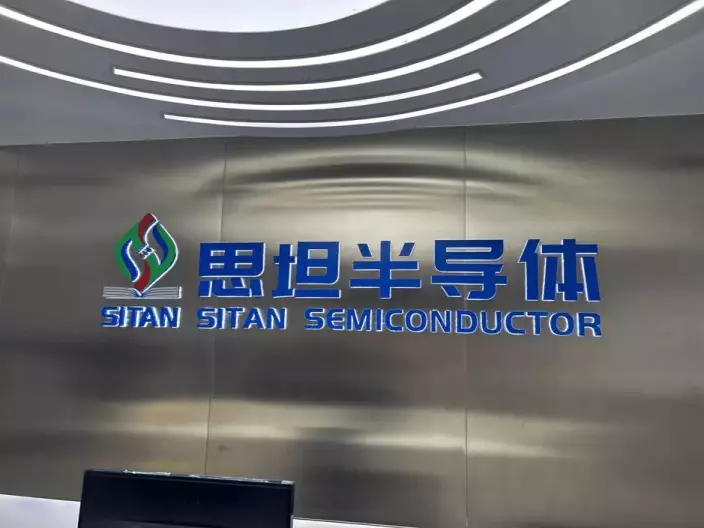
The delegation's first stop was Xiamen Sitan Semiconductor Co., Ltd., located in the Torch High-tech Zone in Huli District, Xiamen. Photo by Bastille Post
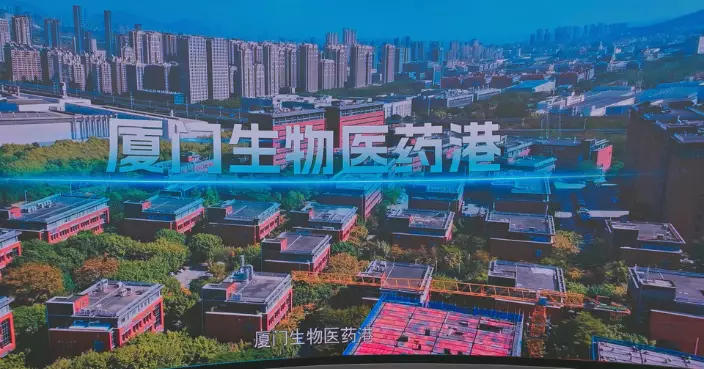
The delegation's first stop was Xiamen Sitan Semiconductor Co., Ltd., located in the Torch High-tech Zone in Huli District. A national-level "specialised and sophisticated" "little giant" enterprise, the company is a leading player in China's Micro LED micro-display sector, specialising in AR/XR micro-display chips and automotive optical screens. It holds more than 800 independent patents and has invested RMB 1.2 billion in a state-of-the-art Micro-LED silicon-based mass production line, one of the most advanced in Chinese Mainland.
Click to Gallery
The delegation's first stop was Xiamen Sitan Semiconductor Co., Ltd., located in the Torch High-tech Zone in Huli District, Xiamen. Photo by Bastille Post
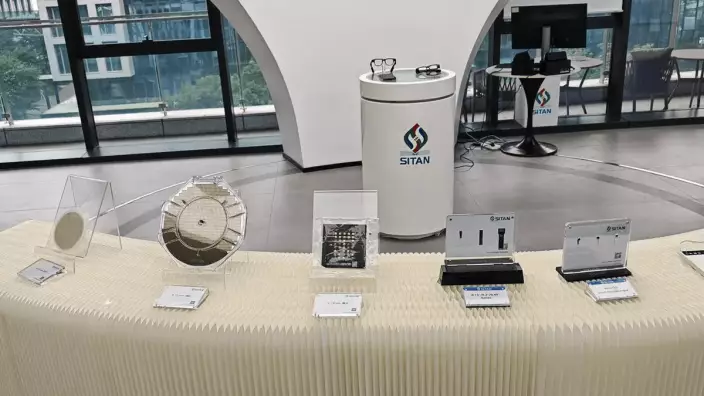
Photo by Bastille Post
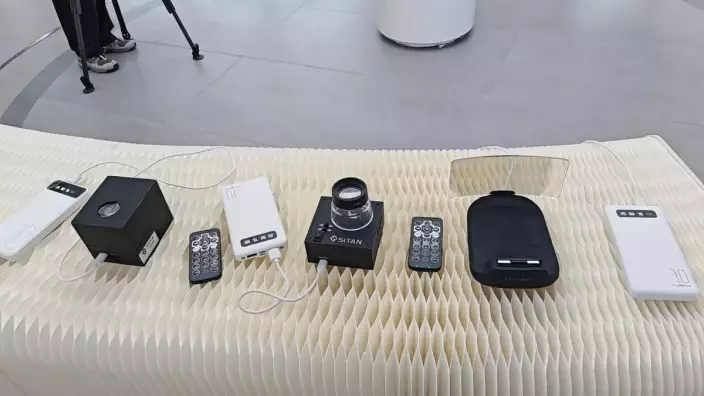
Photo by Bastille Post
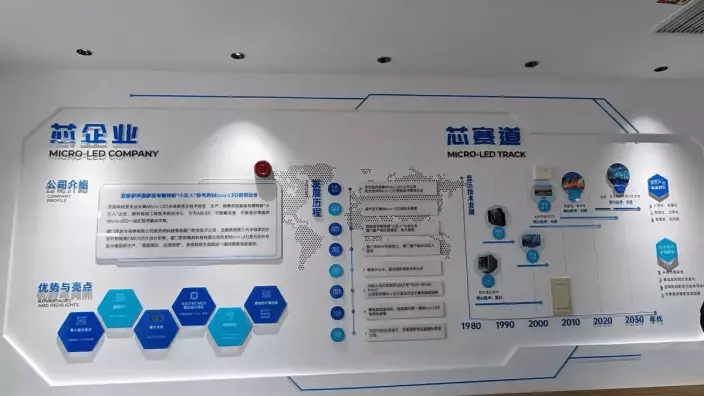
Photo by Bastille Post
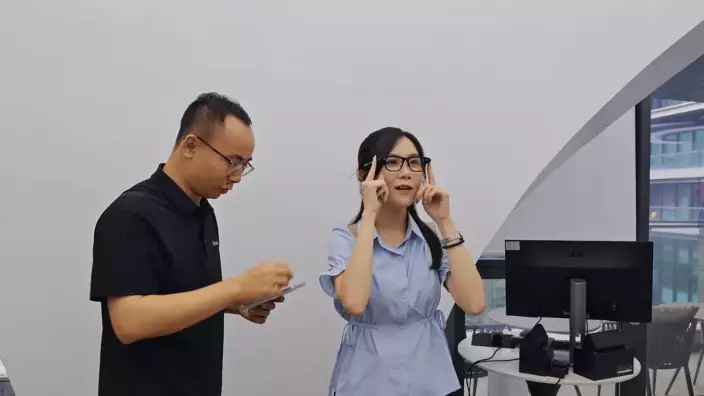
The smart glasses on display drew significant attention from the media, with accompanying reporters trying them on. Photo by Bastille Post
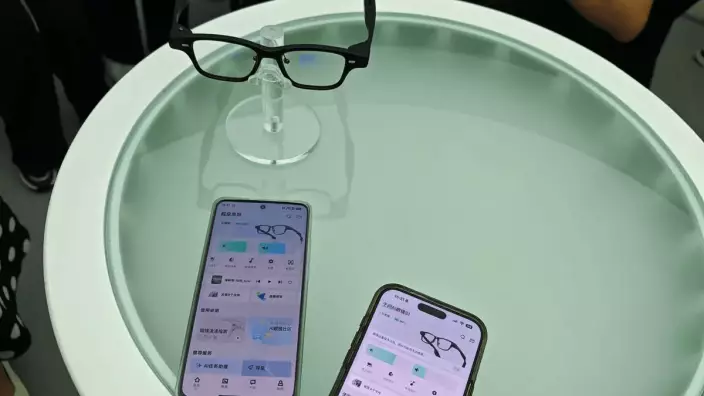
Photo by Bastille Post
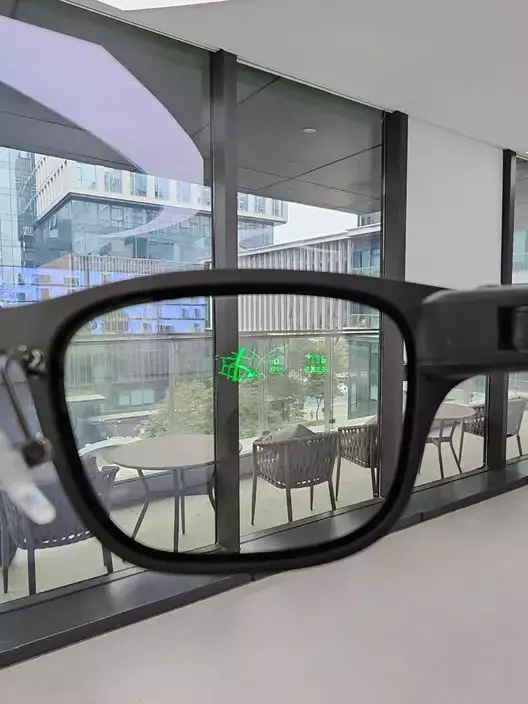
The smart glasses, equipped with Sitan's self-developed chip, can project real-time navigation overlays, making them suitable for walking and cycling, while also featuring instant translation and music playback functions. Photo by Bastille Post

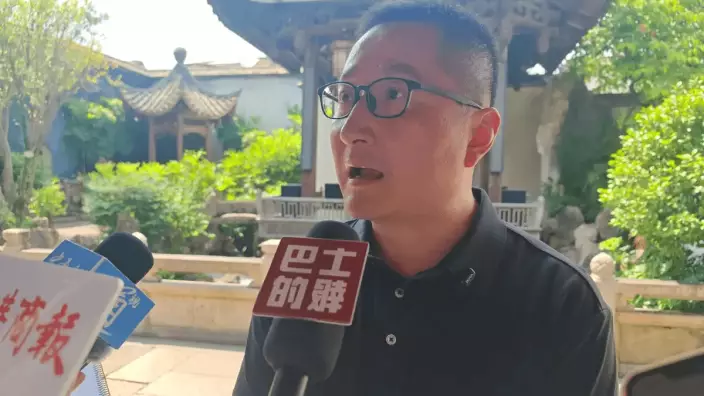
Liu Yibo, Deputy Director of the R&D Centre of Sitan Semiconductor Co., Ltd., gives an interview to the media. Photo by Bastille Post
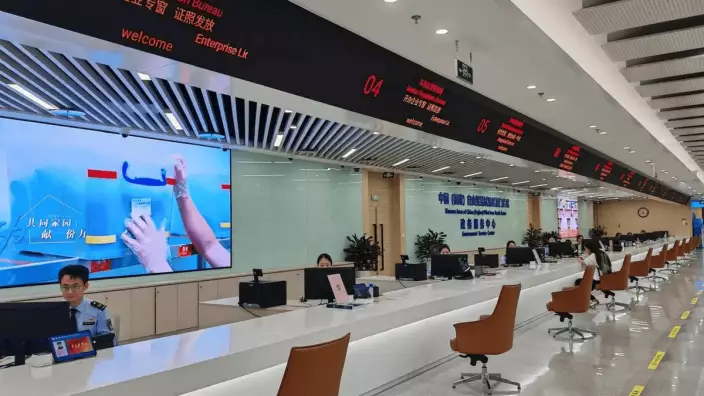
The delegation then visited the Xiamen Free Trade Zone, Photo by Bastille Post
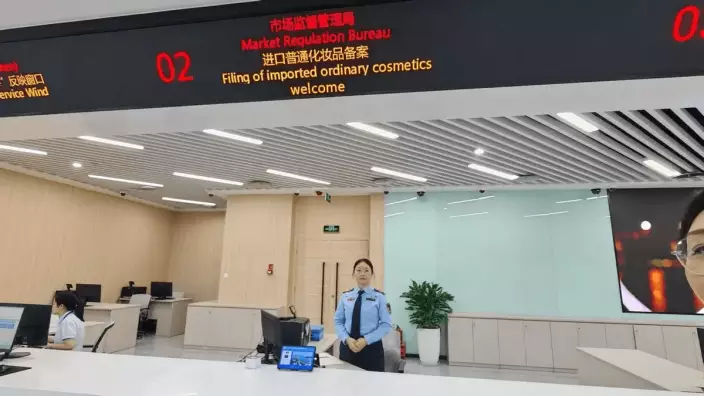
The delegation followed the guide along the route taken during President Xi's inspection visit, visiting in turn the service windows for import cosmetic registration and comprehensive business establishment. Photo by Bastille Post
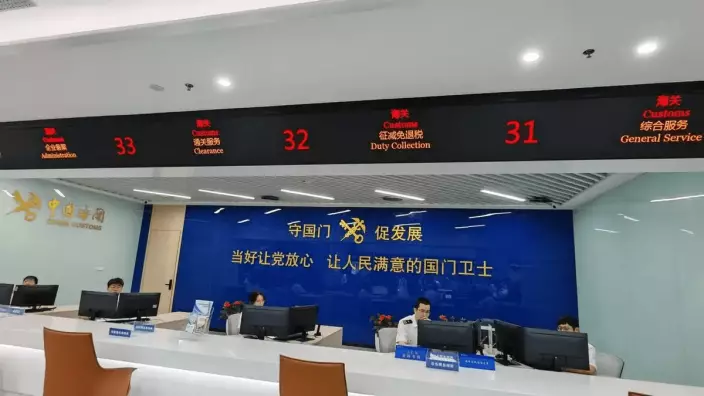
Dongdu Customs Comprehensive Service Hall, Photo by Bastille Post
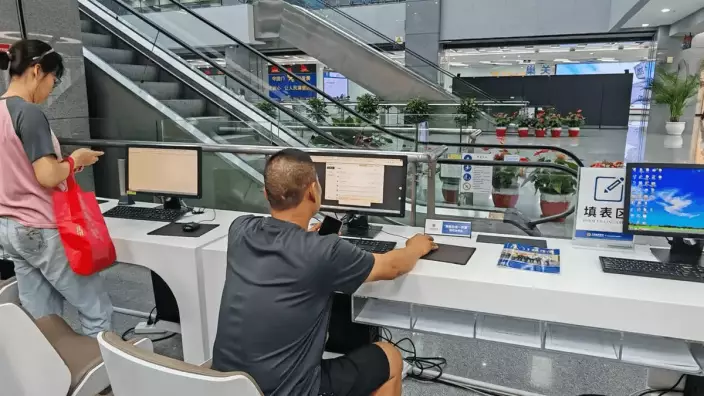
Photo by Bastille Post
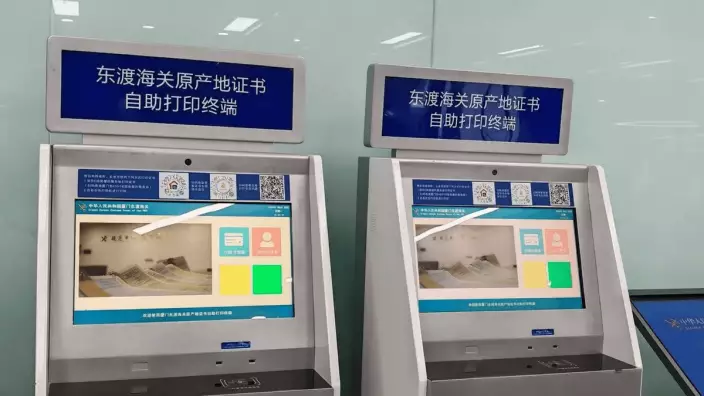
The self-service Certificate of Origin printing machines, Photo by Bastille Post
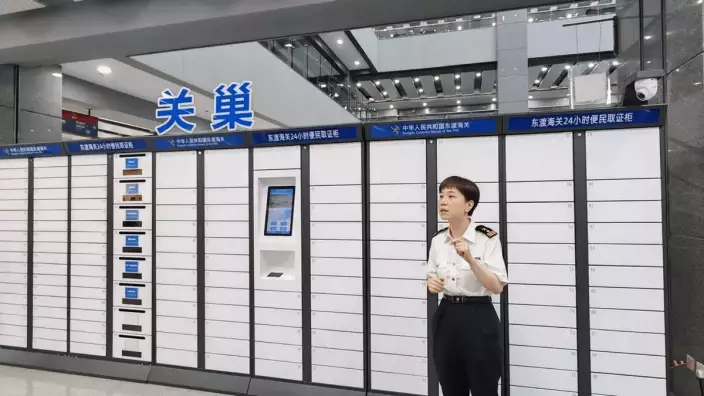
24-hour self-service document collection lockers, Photo by Bastille Post
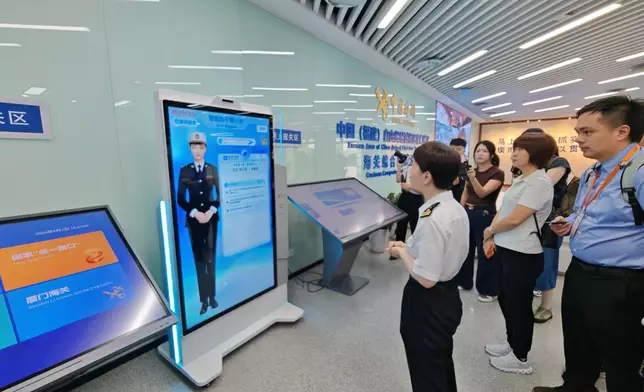
AI smart consultation machine, Photo by Bastille Post
Photo by Bastille Post
According to the company, its Phase I production base in Tong'an broke ground in 2022 and commenced production in 2023. The facility features both Class 100 and Class 1,000 cleanrooms, with hardware specifications approaching those of a professional IC wafer fabrication plant. Annual production capacity reaches tens of millions of micro-display panels, suited for applications including AR smart glasses and in-vehicle projection systems.
Sitan Technology's technical roots are closely intertwined with Hong Kong. The company was founded in 2018 by alumni and scholars of the Hong Kong University of Science and Technology (HKUST). Its core R&D team emerged from the HKUST State Key Laboratory of Display and Opto-Electronics, focusing on Micro-LED chips and display modules. A significant portion of the company's foundational Micro Display technologies was transferred from the laboratory through patent licensing agreements.
Photo by Bastille Post
Unlike most industry players that can only produce light-emitting panels independently, Sitan Semiconductor is one of only two companies in Chinese Mainland capable of both manufacturing Micro LED panels and independently designing CMOS driver chips. Operating under a fabless R&D model, the company collaborates with global foundry leaders including TSMC, CR Microelectronics, and SMIC. This enables Sitan to offer integrated "panel + driver IC" custom solutions to Tier 1 automotive suppliers in South Korea and international automakers in Europe and the US.
Photo by Bastille Post
Sitan's self-developed Micro LED technology outperforms traditional LCD and OLED screens in image quality, power consumption, and brightness. Pixel sizes can be refined to nanometre-level precision, and its self-developed single-chip full-colour panels deliver 120% NTSC colour gamut coverage, combined with infinite contrast, ultra-low power consumption, and exceptional outdoor brightness. Two mature product lines are now in mass production: a 0.13-inch micro-optical engine module for AR/XR wearable devices, embedded in the Alibaba Qianwen AR glasses and capable of projecting virtual images via a waveguide optical path; and a 0.53-inch white light module for automotive welcome projection, alongside an ADB intelligent headlight system under development. Sitan is also the first manufacturer in Chinese Mainland to have a Micro LED projection solution pass rigorous automotive-grade certification.
Compared to the widely adopted TI DLP automotive projection solutions, Sitan's proprietary technology offers a simpler optical path structure and more compact form factor. It also eliminates costly overseas patent licensing fees. The company has already begun supplying Mobis—a Tier 1 supplier for Hyundai and Kia—and is advancing projects with BMW's "Angel Wings" illumination system and Li Auto, among others.
The smart glasses on display drew significant attention from the media, with accompanying reporters trying them on. Photo by Bastille Post
The smart glasses on display drew considerable interest from reporters, many of whom tried them on. Equipped with Sitan's self-developed chip, the device can project real-time navigation overlays, making it suitable for walking and cycling. It also features instant translation and music playback functions.
Photo by Bastille Post
Company management revealed that while a second-phase production line had originally been planned for mobile phone and television panels, market research led to a strategic reassessment. With the traditional display market saturated and AR wearables offering thin margins, the company is now focusing entirely on the automotive smart display sector, where growth is more certain and product premiums are higher.
The smart glasses, equipped with Sitan's self-developed chip, can project real-time navigation overlays, making them suitable for walking and cycling, while also featuring instant translation and music playback functions. Photo by Bastille Post
Looking at the global Micro LED landscape, a complete manufacturing supply chain is critical. Mainland manufacturers enjoy an irreplaceable competitive advantage through scale and cost control. Overseas tech giants such as Apple and Meta focus solely on end-product development and rely on mainland suppliers for core micro-display modules. Sitan's self-developed optical engines, exported to Japan and South Korea, command prices double those in the mainland market.
Liu Yibo, Deputy Director of the R&D Centre of Sitan Semiconductor Co., Ltd., gives an interview to the media. Photo by Bastille Post
In an interview, Liu Yibo, Deputy Director of the company's R&D Centre, shared that the team initially attracted venture capital by winning a million-yuan innovation prize in the HKUST Entrepreneurship Competition. The decision to base operations in Xiamen was driven by the city's well-established LED supply chain: "Industry leaders like Sanan Optoelectronics and AU Optronics are right here, making resources readily accessible. Xiamen's policies for tech companies and engineering talent also offer comprehensive advantages over Shenzhen."
On cross-border collaboration, Liu noted that Sitan has established a subsidiary, Sitan International Semiconductor, at the Hong Kong Science Park. All overseas client engagement and participation in international trade shows, including CES, are conducted through the Hong Kong entity.
He also identified Hong Kong as a primary listing destination: "Our overseas client base continues to grow. Though it hasn't yet reached 50% of revenue, our South Korean client's new vehicle project is expected to enter mass production in the third or fourth quarter of next year, which will significantly boost our overseas revenue share. With clients spanning Japan, South Korea, the US, and Europe, and the global shift toward new energy vehicles, our automotive business has substantial growth potential. The Hong Kong capital market is an ideal financing platform for us."
The delegation then visited the Xiamen Free Trade Zone, Photo by Bastille Post
The delegation then visited the Xiamen Free Trade Zone (FTZ). As a strategic national platform for opening-up, the zone has cultivated emerging sectors including cross-border e-commerce, lithium battery exports, international supply chains, and offshore finance. It has introduced multiple pioneering trade and logistics policies and built an integrated sea-land-air international logistics network.
The delegation followed the guide along the route taken during President Xi's inspection visit, visiting in turn the service windows for import cosmetic registration and comprehensive business establishment. Photo by Bastille Post
The delegation first toured the FTZ Government Service Centre, following the route taken during President Xi's inspection visit. They observed service windows for import cosmetic registration and business incorporation, learning about reform measures including "one licence, one code", "35 certificates in one", "tidal window" services, and the "one-stop efficient service" initiative. They also experienced the Fujian provincial government's online service platform (now in its 9.0 iteration), witnessing the zone's streamlined business environment.
According to official data, the Xiamen FTZ has registered over 48,000 enterprises, including nearly 600 Hong Kong-invested companies, accounting for 15% of all Hong Kong-invested enterprises in Xiamen, with a focus on aircraft leasing, finance leasing, and cross-border supply chains. More than 1,000 Taiwan-invested enterprises are also based in the zone, leveraging its bridging role in cross-strait trade and the development of Hong Kong, Macao, and Taiwan businesses.
Dongdu Customs Comprehensive Service Hall, Photo by Bastille Post
At the Dongdu Customs Comprehensive Service Hall, the delegation observed the full process for Certificate of Origin applications, from online submission and over-the-counter filing to SMS pickup reminders and express delivery. The hall is equipped with self-service terminals, AI-powered consultation kiosks, and 24-hour self-service document collection lockers, significantly reducing processing times.
Photo by Bastille Post
The self-service Certificate of Origin printing machines, Photo by Bastille Post
24-hour self-service document collection lockers, Photo by Bastille Post
Customs officials noted that Xiamen has deployed 450 self-service Certificate of Origin printing points across the city, including at subway stations and convenience stores. The zone has also introduced the "Cross-Border One-Lock" customs clearance mechanism connecting Fujian, Guangdong, Hong Kong, and Macao, streamlining regional logistics and reducing cross-border trade costs. The zone's Industry Exhibition Centre showcased cross-border digital trade, advanced manufacturing exports, and Fujian-Hong Kong collaborative projects.
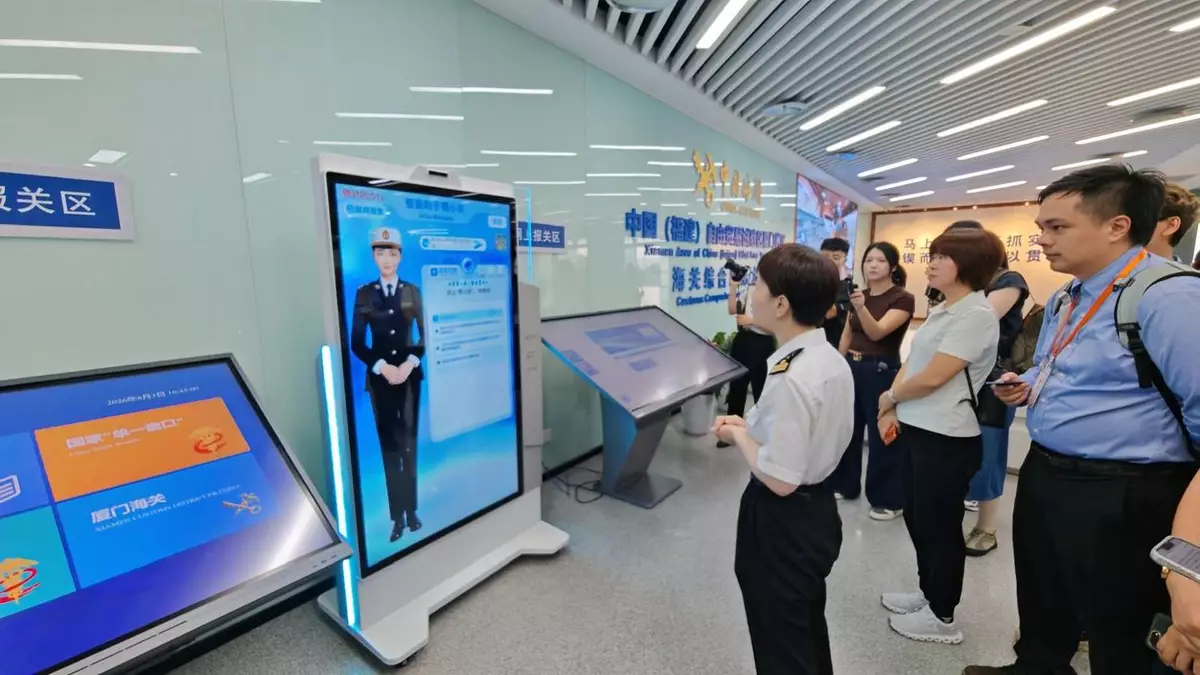
AI smart consultation machine, Photo by Bastille Post