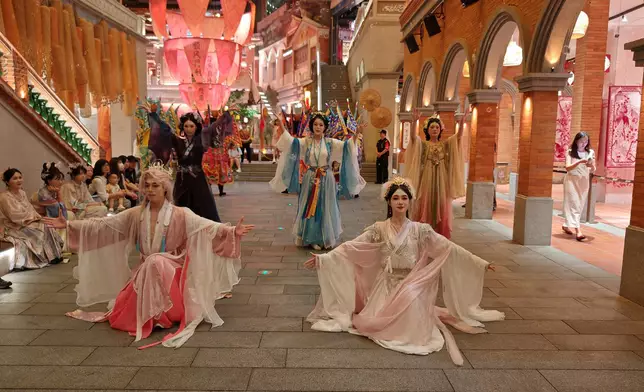
The Hong Kong media delegation visiting Fujian continued its itinerary on the evening of August 3, arriving at Time Meets Island, a Minnan-themed immersive cultural attraction.
As China's first immersive cultural park dedicated to Minnan (southern Fujian) culture, the attraction has been transformed from a former cruise terminal space. It brings together 83 living intangible cultural heritage items from Xiamen, Zhangzhou and Quanzhou, and features eight Minnan-style streets and alleys alongside 116 distinctive historical buildings. The park also hosts over 100 daily performances of Nanyin music, Gaojia opera and puppet shows.
Click to Gallery
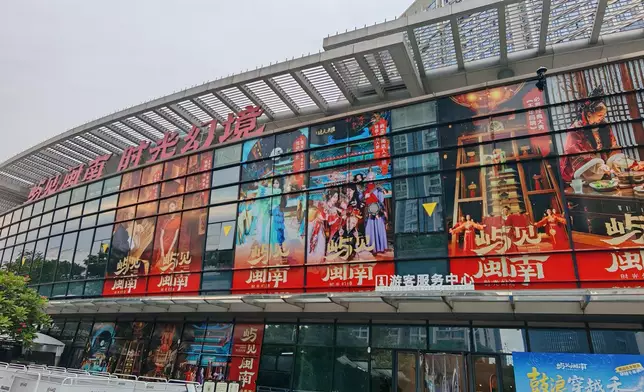
Time Meets Island: Minnan Cultural Theme Park, Photo by Bastille Post
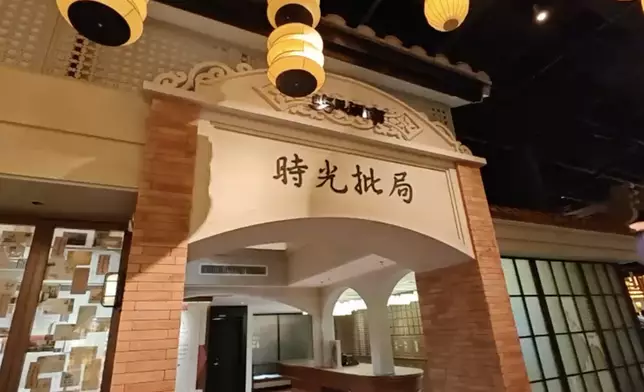
Time Post Office, Photo by Bastille Post
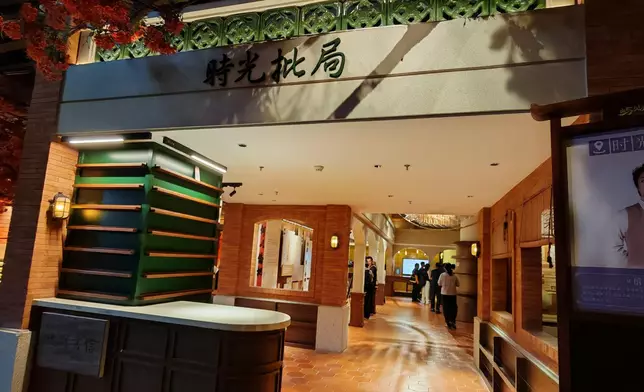
Time Post Office, Photo by Bastille Post
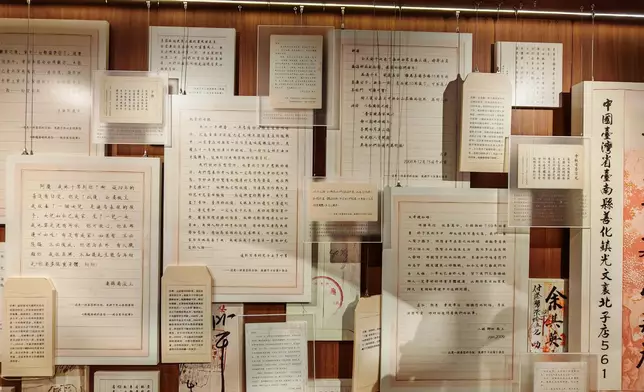
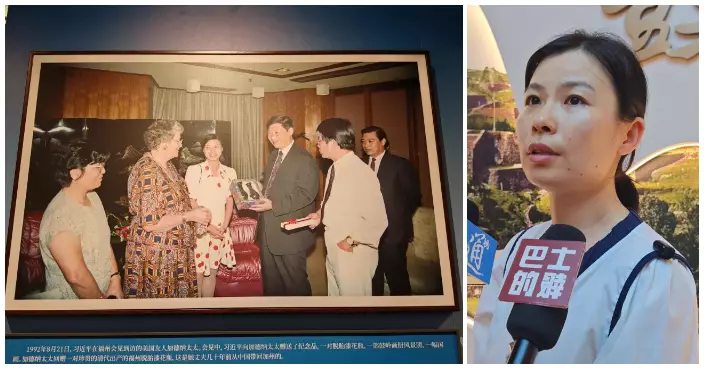
A collection of Qiaopi displayed at the Time Post Office, Photo by Bastille Post
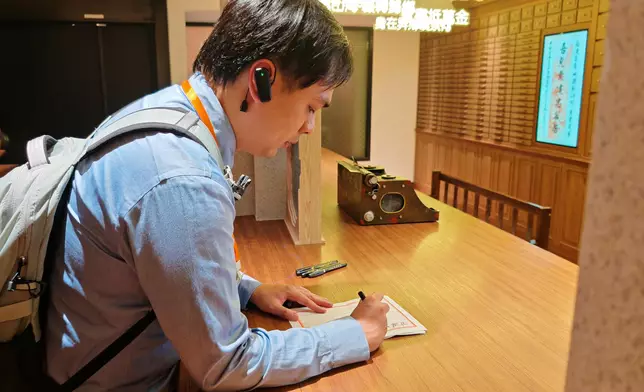
Visitors can write messages to their families on retro Qiaopi paper with a brush or fountain pen. Photo by Bastille Post
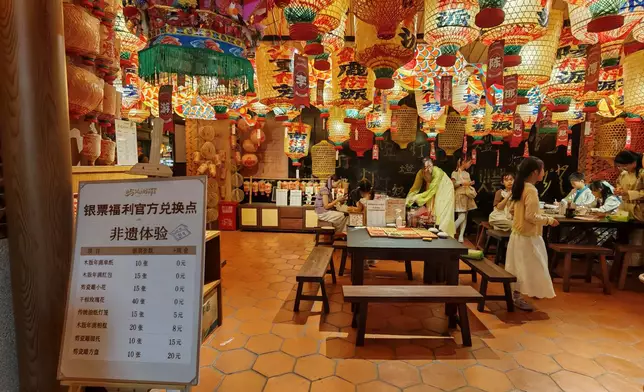
Visitors can also redeem free handicrafts with their “silver notes." Photo by Bastille Post
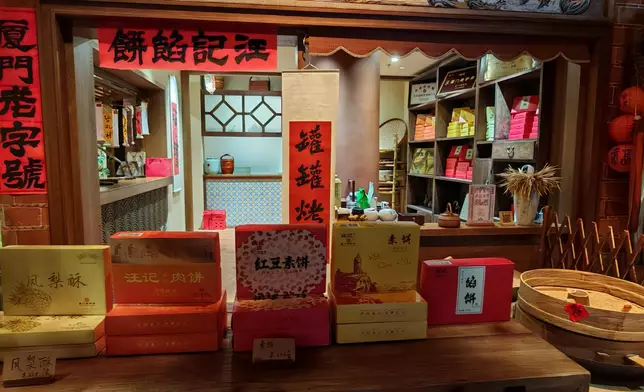
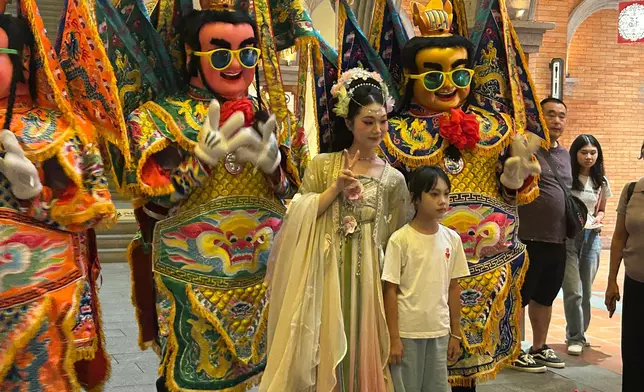
The park offers Minnan specialities and snacks for purchase, along with plenty of photo‑worthy moments. Photo by Bastille Post
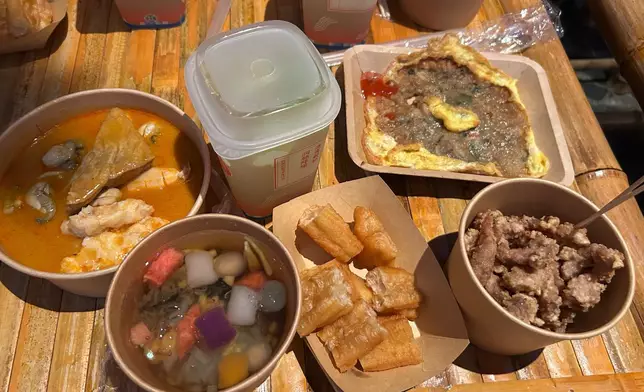
The park offers Minnan specialities and snacks for purchase, along with plenty of photo‑worthy moments. Photo by Bastille Post
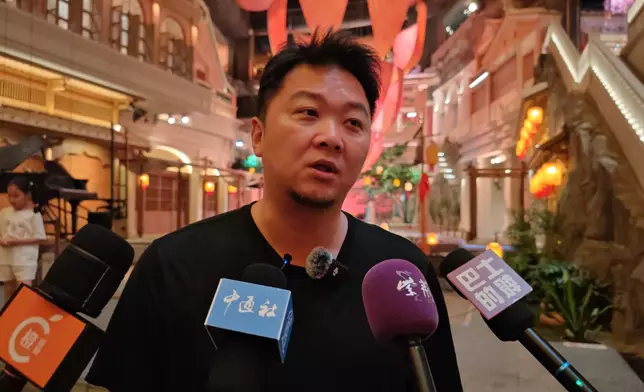
Hong Tao, Deputy General Manager of the park, Photo by Bastille Post
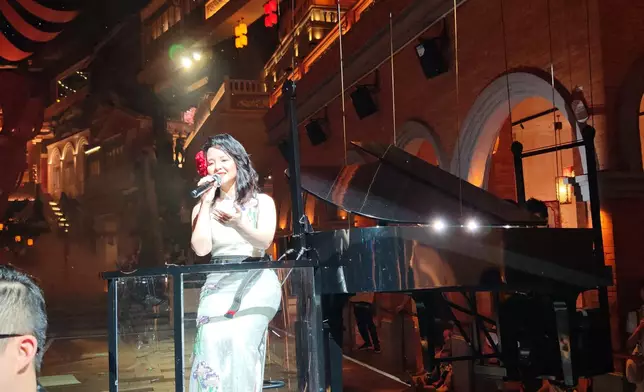
A singer performed a Teresa Teng classic on stage. Photo by Bastille Post
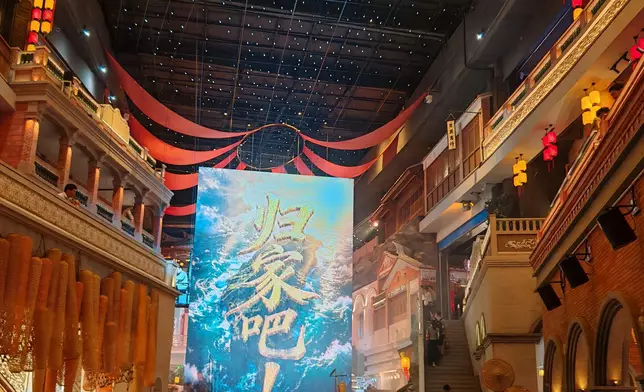
A banner bearing the words “Come Home” was displayed at the finale. Photo by Bastille Post
Chen Tao, the director in the park, Photo by Bastille Post
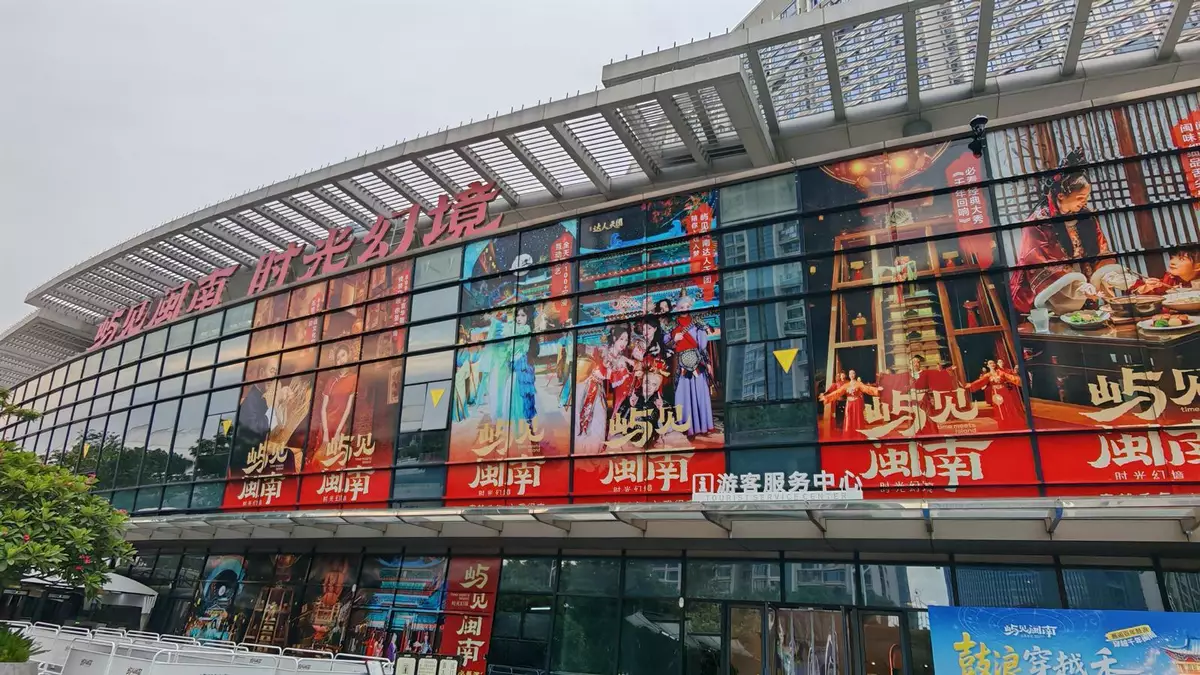
Time Meets Island: Minnan Cultural Theme Park, Photo by Bastille Post
Positioned as a “Window to Minnan Culture,” the park follows the principles of “tracing origins without being conservative, innovating without simply replicating, and being both authentic and dreamlike.” From nearly a thousand intangible cultural heritage items across the three cities, it has selected 83 to create a five‑sensory experience, one that can be tasted, touched, worn, heard, and seen.
At the heart of the park's experience lies the history of “going to Southeast Asia.” “Qiaopi” — overseas Chinese remittance letters — serve as a vital cultural carrier of this history, bearing witness to the struggles and homesickness of Minnan ancestors. These were letters that combined family news with remittances, sent home by Chinese emigrants to support their loved ones.
The park transforms this history into an immersive experience. In the “Time Post Office,” visitors can take part in a fun quiz about Qiaopi, unlock the “Thousand-Mile Delivery” mission, and experience the unwavering commitment of the “water carriers” who once delivered these precious letters.
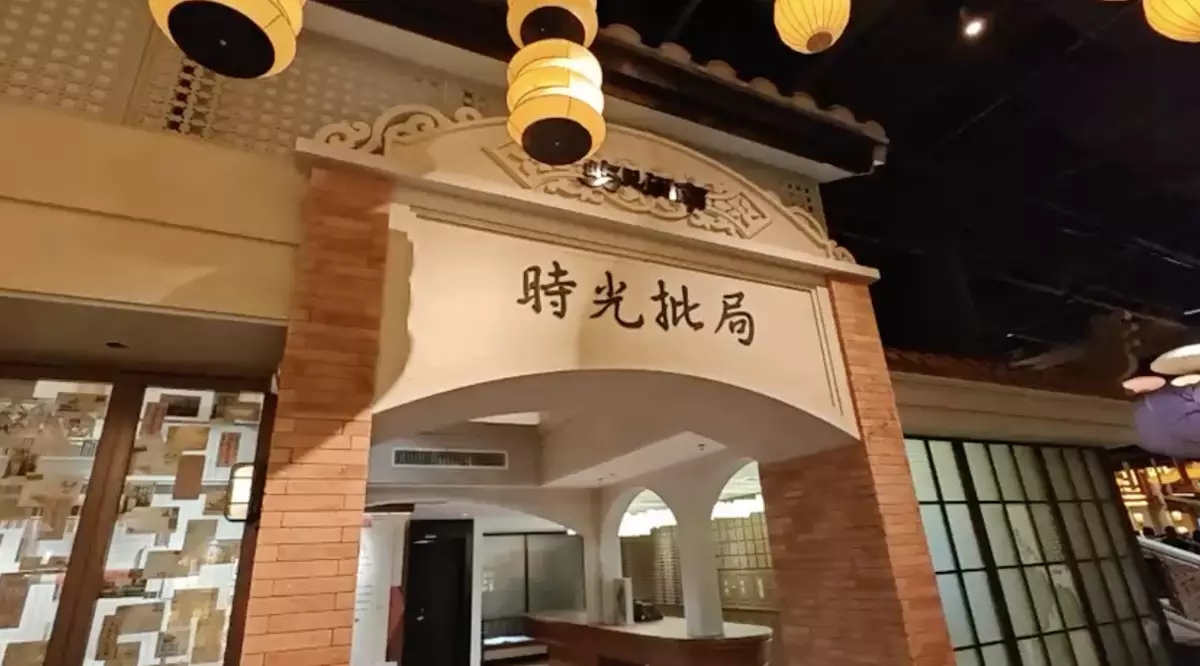
Time Post Office, Photo by Bastille Post
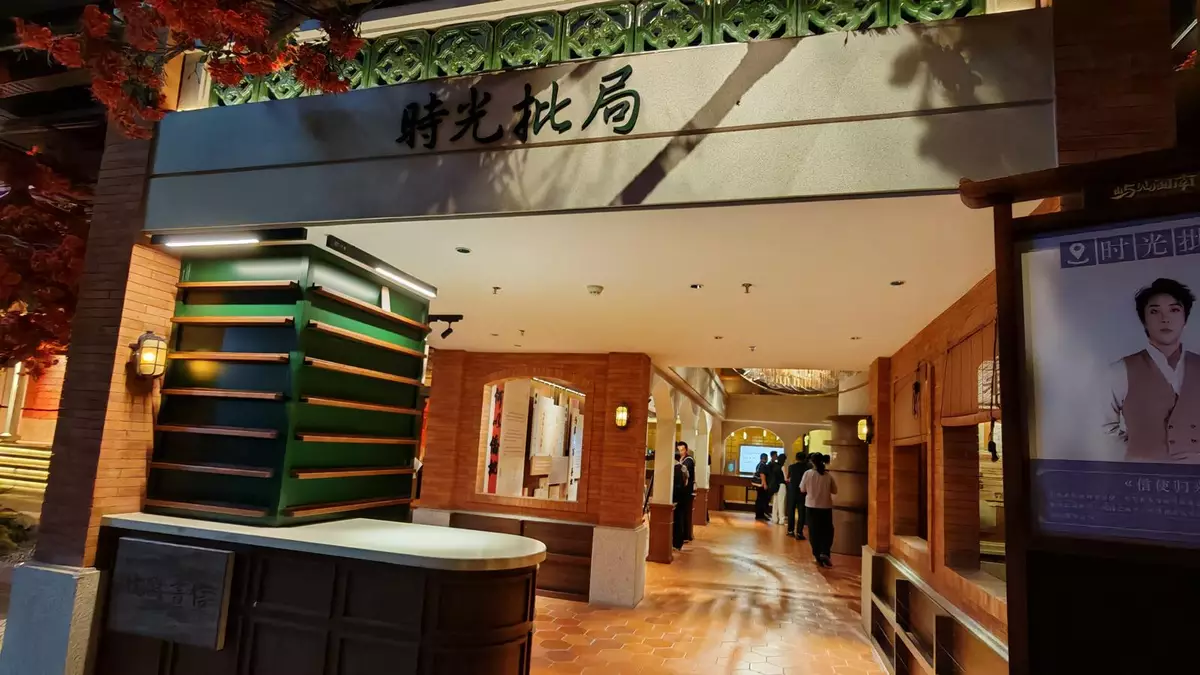
Time Post Office, Photo by Bastille Post
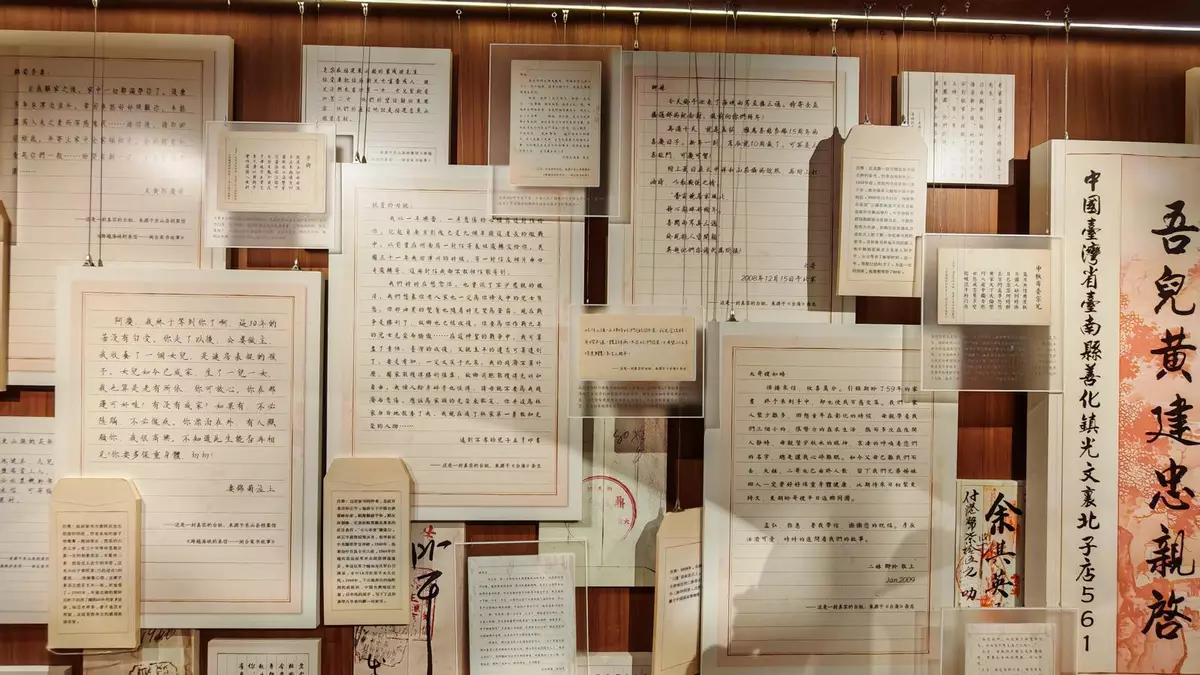
A collection of Qiaopi displayed at the Time Post Office, Photo by Bastille Post
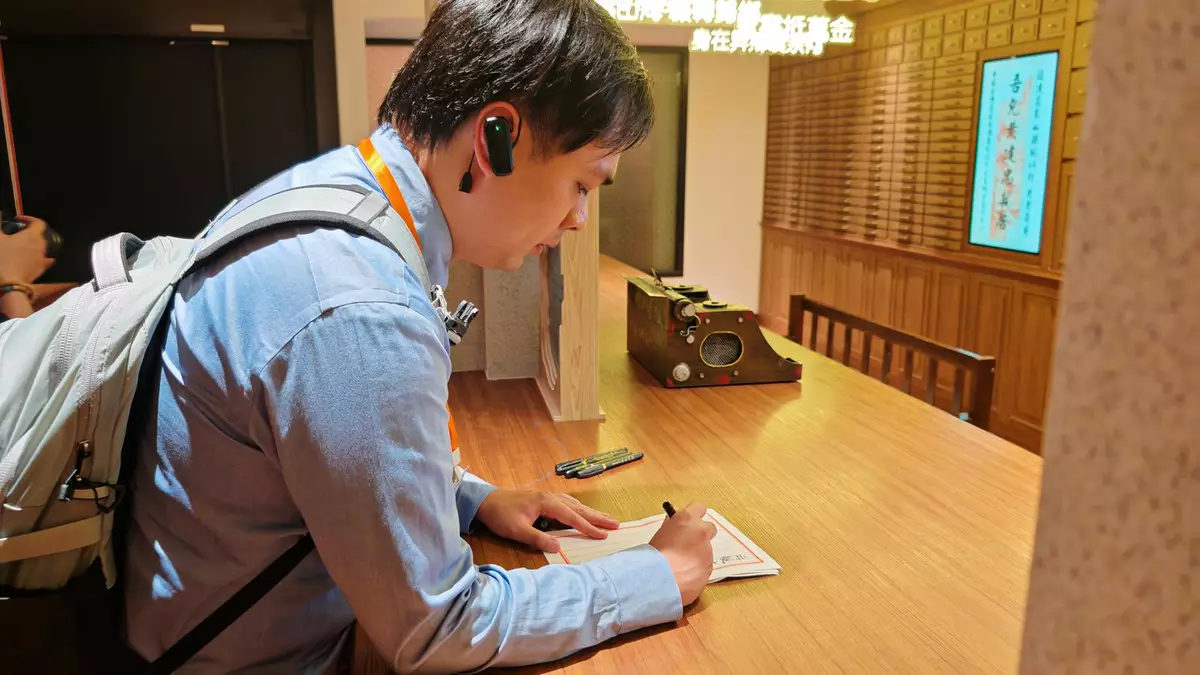
Visitors can write messages to their families on retro Qiaopi paper with a brush or fountain pen. Photo by Bastille Post
Members of the media delegation also experienced this firsthand: writing messages to their families on retro Qiaopi paper with a brush or fountain pen. The activity proved especially popular among families with children, with many parents and little ones writing down their feelings on‑site and turning them into a cherished keepsake. Visitors can also redeem free handicrafts with their “silver notes,” and the park offers Minnan specialities and snacks for purchase, along with plenty of photo‑worthy moments.
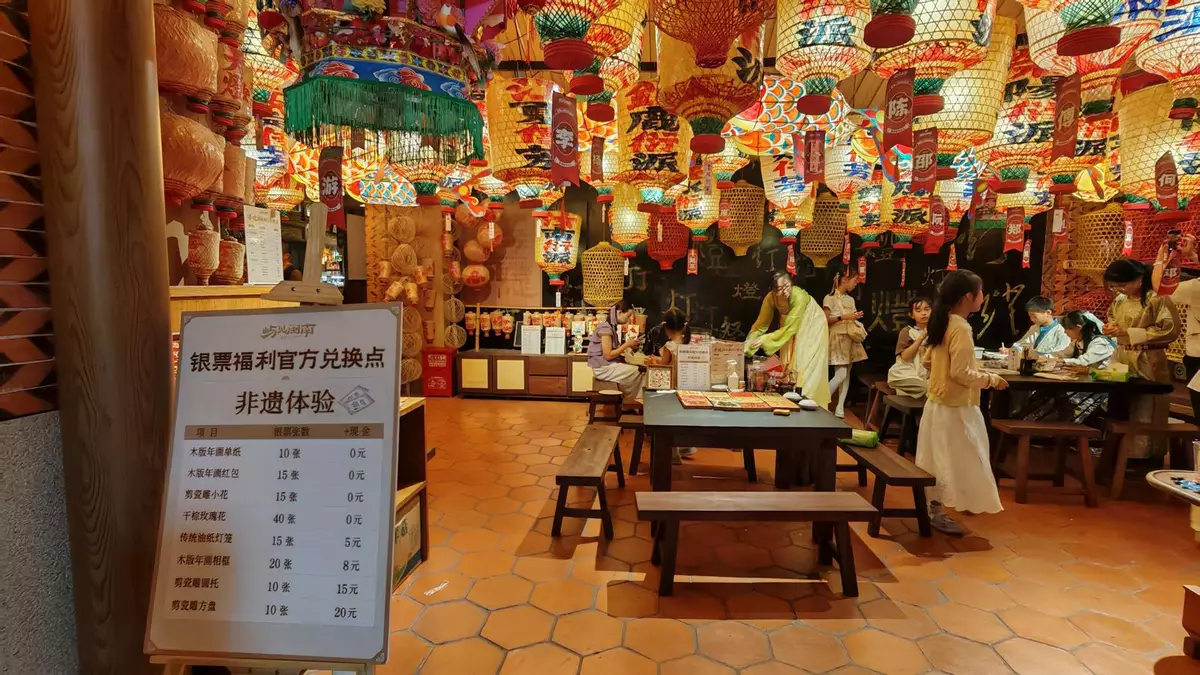
Visitors can also redeem free handicrafts with their “silver notes." Photo by Bastille Post
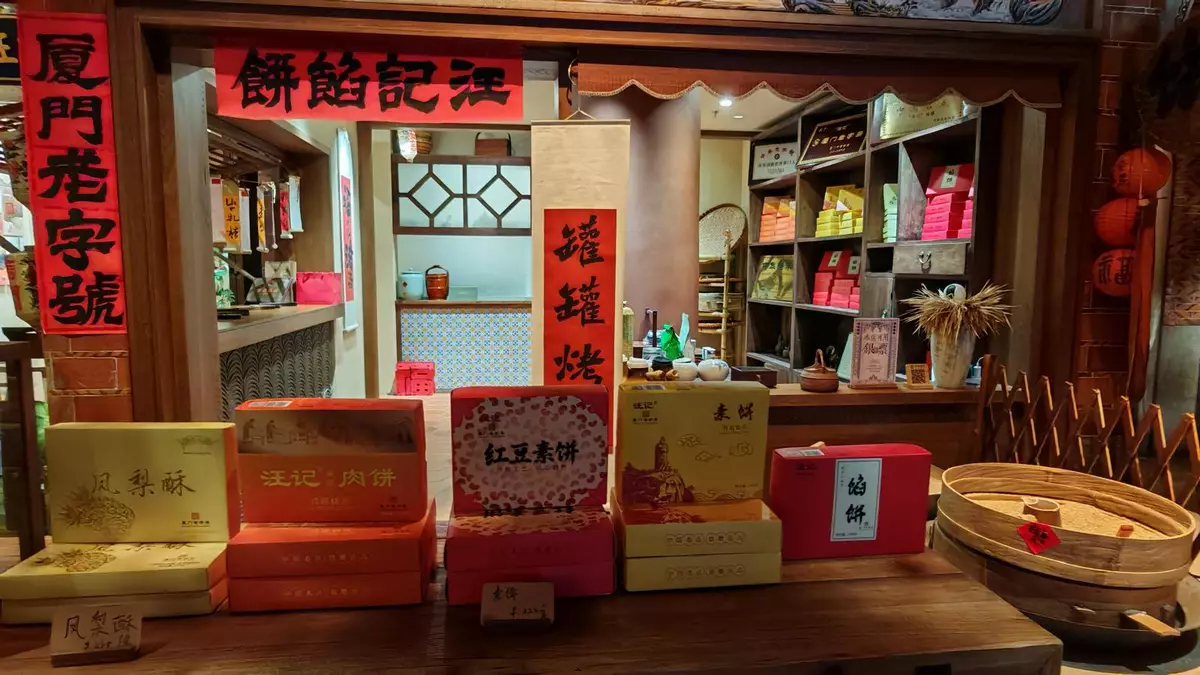
The park offers Minnan specialities and snacks for purchase, along with plenty of photo‑worthy moments. Photo by Bastille Post
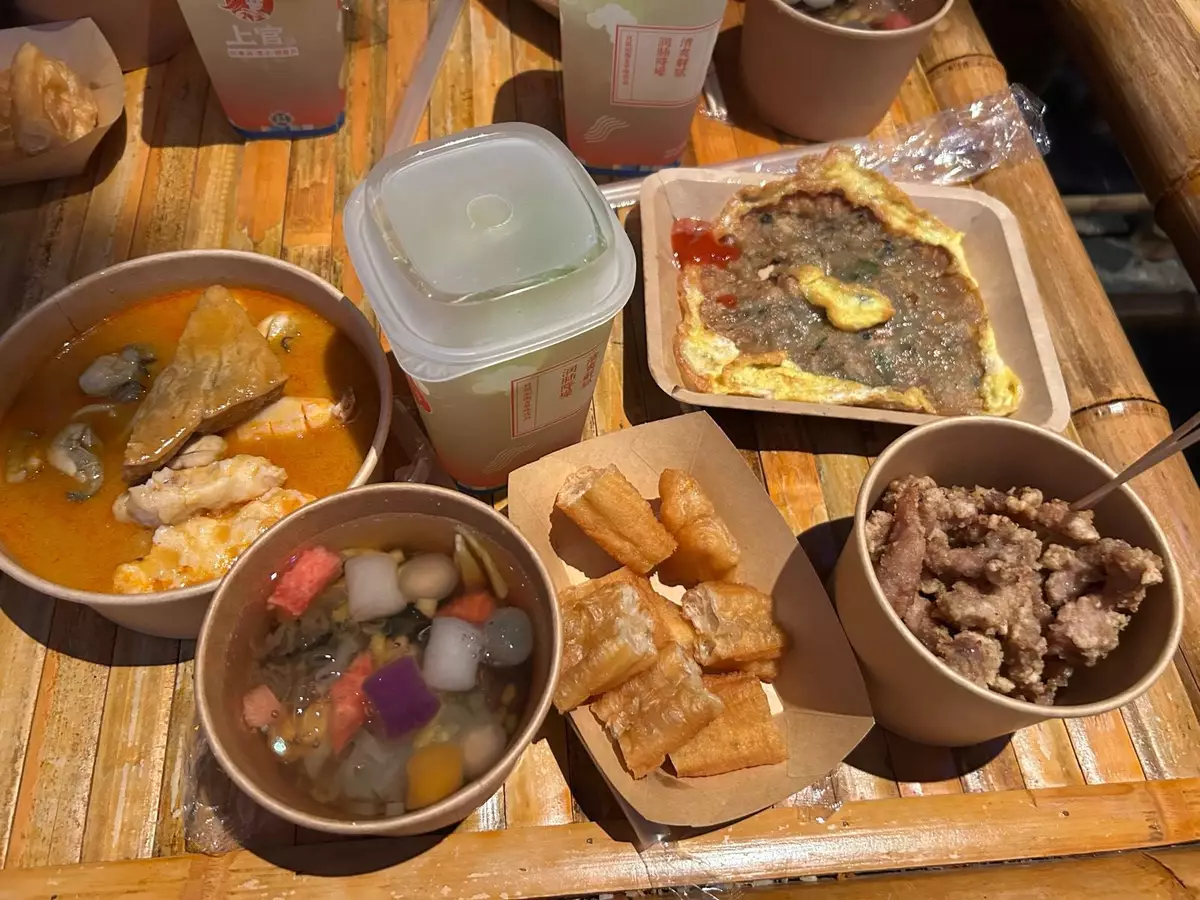
The park offers Minnan specialities and snacks for purchase, along with plenty of photo‑worthy moments. Photo by Bastille Post
The park showcases an innovative fusion of tradition and modernity. At Nanyin Square, eight folk Nanyin teachers from Kinmen regularly perform. The park plans to add Chinese subtitles in the future and bring classic plays such as Chen San and Wu Niang to the stage, allowing more young tourists to understand this ancient music.
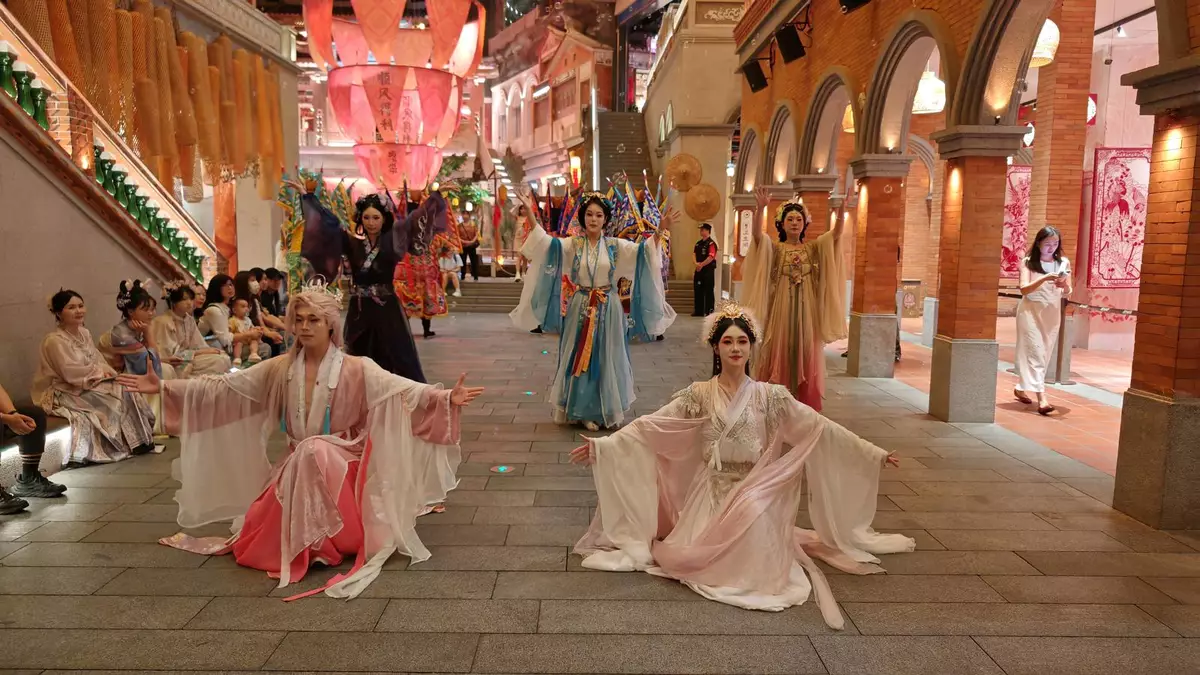
Photo by Bastille Post
The “Electronic Music Prince” parade, combining traditional intangible cultural heritage costumes with electronic music, became a sensation in Chinese Mainland as early as 2016 and is now one of the most popular interactive attractions for young visitors at the park.
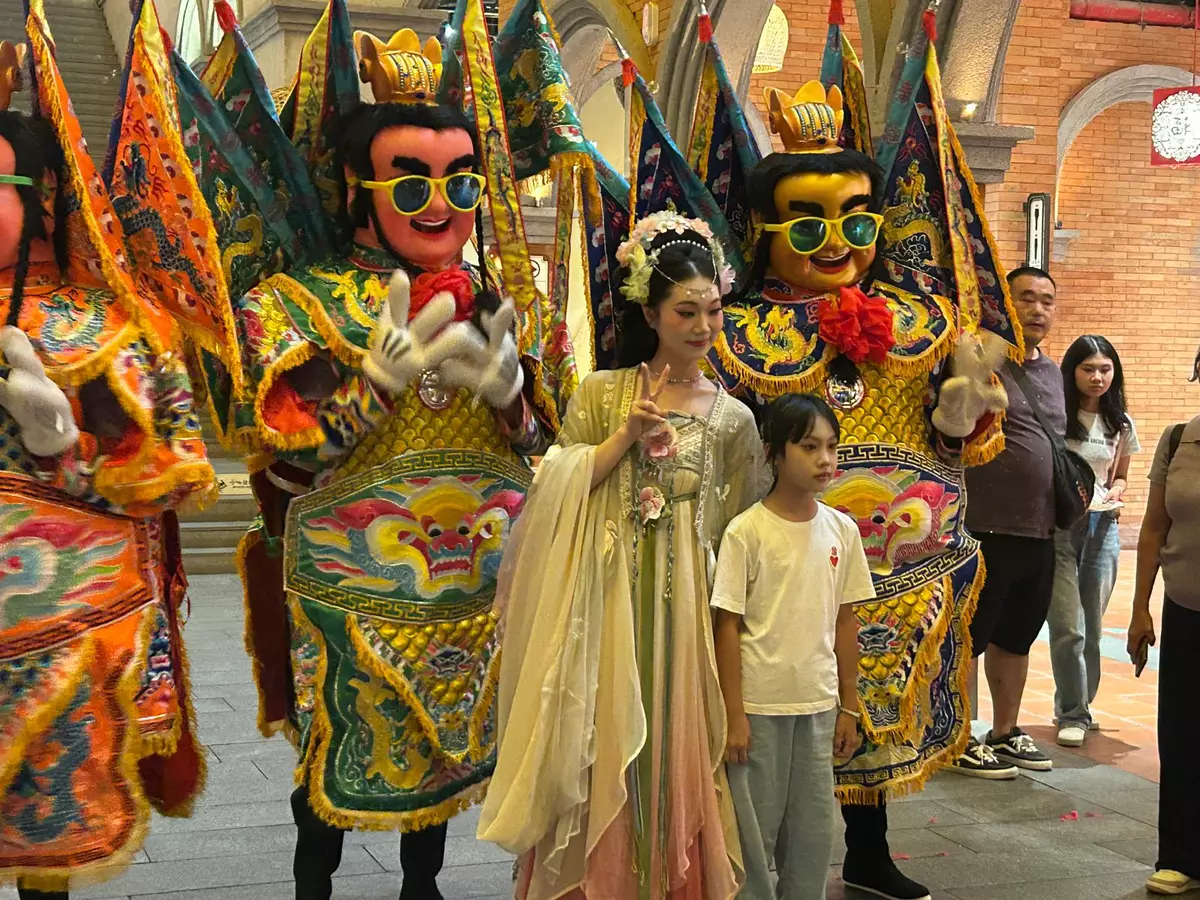
Photo by Bastille Post
Hong Tao, Deputy General Manager of the park, said that during the summer, peak daily visitor flow increased by approximately 75% compared to weekdays, with visitors spending an average of five hours per day. The proportion of families with children and overseas tourists has risen significantly. So far this year, the park has received over 40,000 overseas visitors, with Taiwanese visitors accounting for about half. The number of Hong Kong tourists and student groups continues to grow, making them an important source of visitors.

Hong Tao, Deputy General Manager of the park, Photo by Bastille Post
He noted that the park's location at the cruise terminal was carefully planned, adjacent to the Dongdu Passenger Terminal and the International Cruise Terminal. Visitors can experience intangible cultural heritage after arriving from Gulangyu Island. Since the second half of last year, Star Cruises has been calling at Xiamen, with many Hong Kong tourists disembarking and visiting the park. “The park’s costume changes, food and interactive performances have all received high praise.”
This summer, the park launched a brand‑new, nationally first‑ever aerial piano music interactive show under the theme “Encountering a Century of Gulangyu Island, Journeying Through a Thousand Years of Minnan.” Inspired by the romance of Gulangyu Island, known as the “Piano Island," the performance features a high‑altitude piano concerto on a retro stage, incorporating interactive elements such as song recognition and duets of classic hits. The carefully selected repertoire includes popular songs like “Waves of Gulangyu,” “The Moon Represents My Heart,” and “Hometown Clouds,” using familiar melodies as “letters home” to invite travellers from home and abroad to visit and experience the charm of Minnan.
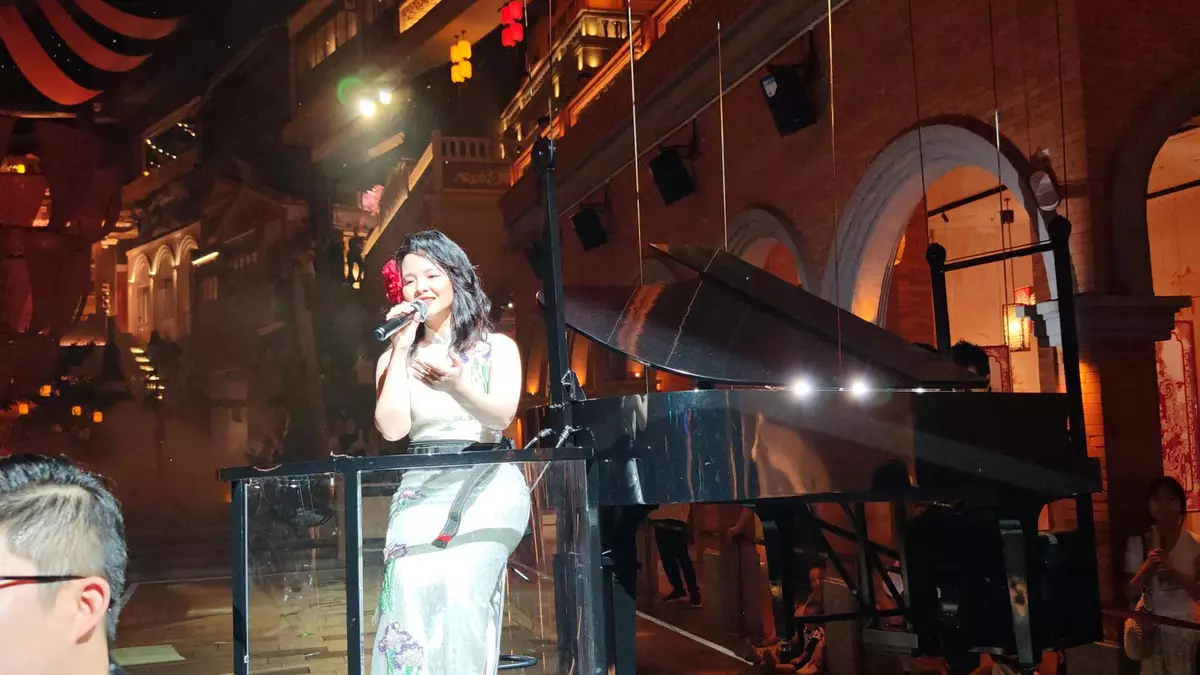
A singer performed a Teresa Teng classic on stage. Photo by Bastille Post
Chen Tao, the director in the park, explained that the selection of Teresa Teng’s songs was intended to evoke childhood memories for visitors of all ages and to resonate with the feeling of kinship between people on both sides of the Taiwan Strait through classic melodies. He shared a touching detail: “When ‘Hometown Clouds' reached its climax, a Taiwanese tourist stood on the bridgehead, watching the sails of returning travellers rise, and took out a tissue to wipe away tears. At first, I thought he was unwell, but upon looking more closely through the lens, I realised he was indeed crying, and his family gently patted him to comfort him.”
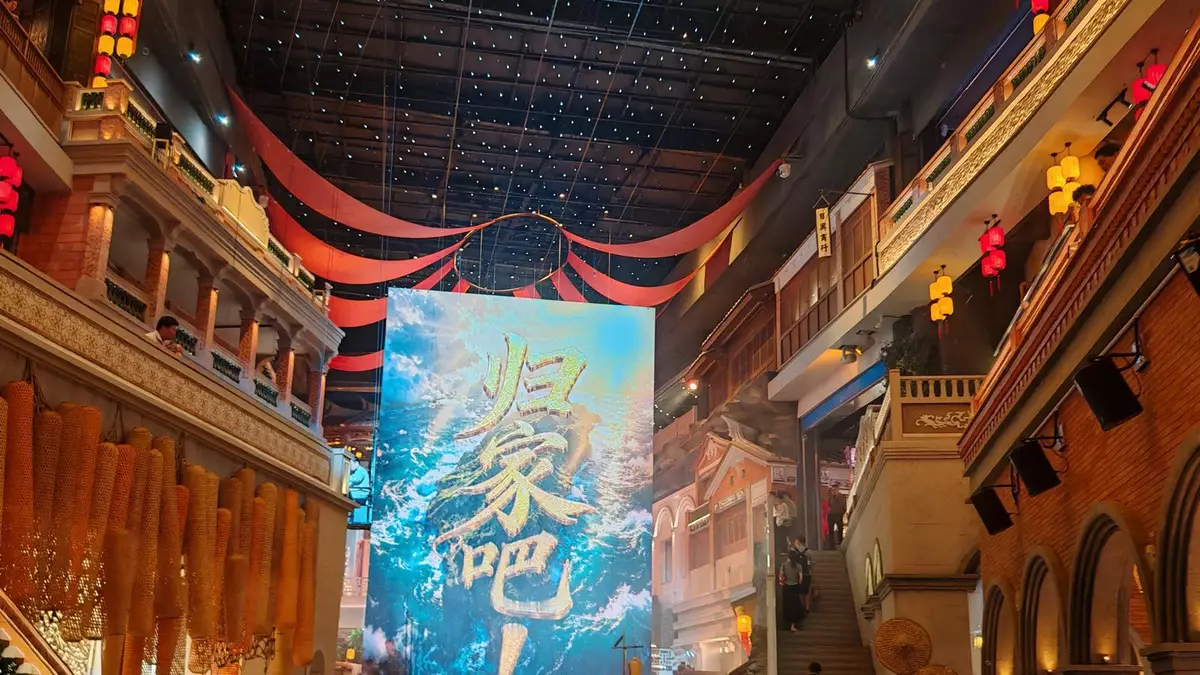
A banner bearing the words “Come Home” was displayed at the finale. Photo by Bastille Post
Chen Tao said the Taiwanese audience was particularly enthusiastic during the photo sessions after each performance. Some elderly people even said, “We are one family, and Kinmen will soon have a road connection," which was especially moving. “The Taiwanese audience's feelings towards these performances are even deeper than those of mainland audiences; this is a real occurrence.”
The “Jun Jun” character in the aerial piano show aims to evoke emotional resonance across different age groups through familiar music. Whether it's tourists from Hong Kong, Macau and Taiwan, or mainland families and middle‑aged and elderly tourists, everyone is very familiar with Teresa Teng and her classic songs. The park uses these musical elements to connect everyone with shared emotions.
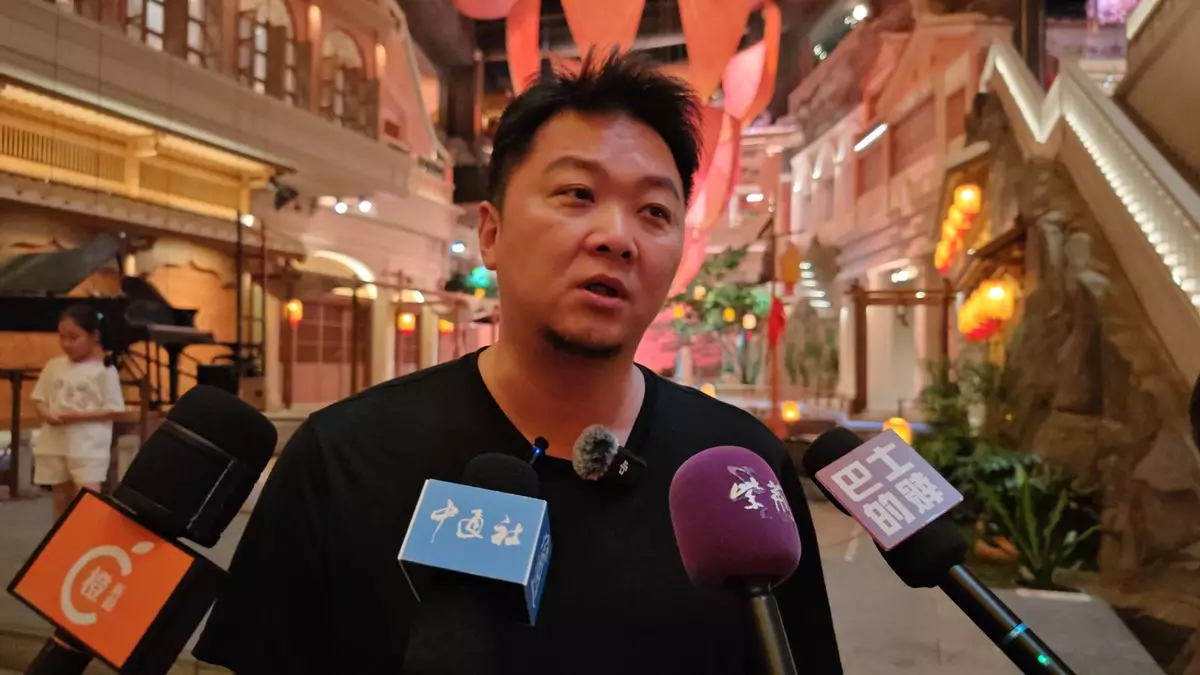
Chen Tao, the director in the park, Photo by Bastille Post
Chen Tao said this summer’s Nanyin performance invited 12 Nanyin performance groups from Hong Kong, Xiamen, Quanzhou and other places to perform together. Plans include inviting more teams from Taiwan, overseas Chinese communities and the Mainland to collaborate. He pointed out that the park is not only geared towards Taiwanese compatriots, but also towards all overseas Chinese worldwide. “We use these works to welcome overseas Chinese and Taiwanese compatriots, allowing people on both sides of the strait to connect through music.”
Regarding expansion into the Hong Kong and Macau markets, the park has already established deep partnerships with local study tour and travel agencies. It will subsequently collaborate with universities such as Xiamen University to connect with institutions from Hong Kong and Macau, creating customised study tours and team‑building experiences for students.
The first phase of the park‘s themed street is already operational. The second phase, a large‑scale moving performance drama titled Echoes of Ancient Waves, is planned for release next Spring Festival, and the third phase is also in the planning stages.
“We warmly welcome young people, families and student groups from Hong Kong and Macau to visit,” Hong Tao said. “The park’s indoor areas are cool and offer rich interactive experiences, making it perfect for summer family outings.”
The Hong Kong media delegation’s visit to Fujian concluded with visits to the Shangxiahang Historic District and the Sanfang Qixiang Historical and Cultural Block (also known as The Three Lanes and Seven Alleys). They toured the Ming and Qing dynasty architectural complexes, learned about cultural heritage preservation and revitalisation, and explored opportunities for cultural and tourism cooperation between Fujian and Hong Kong, as well as spaces for youth exchange.
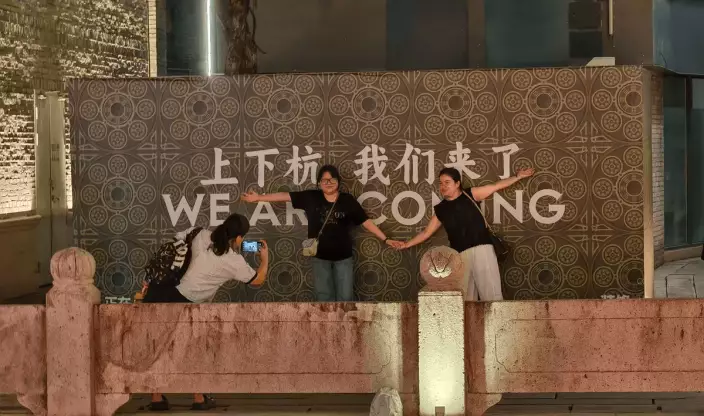
The Shangxiahang Historic District, Photo by Bastille Post
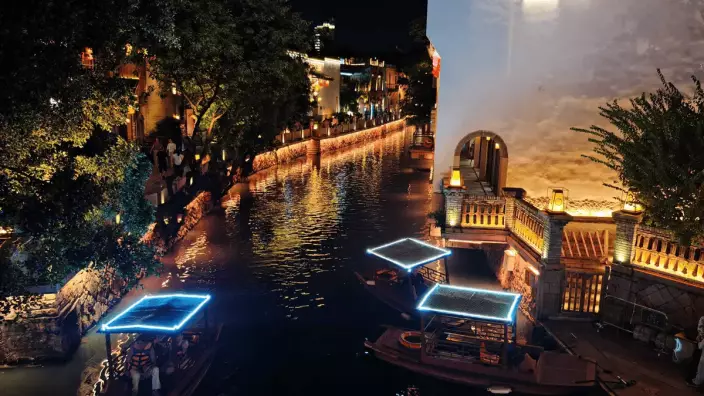
Photo by Bastille Post
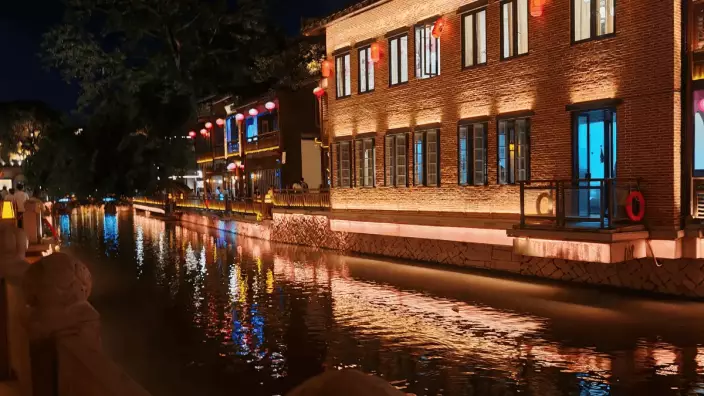
Photo by Bastille Post
The delegation visited the Shangxiahang Historic District on Nantai Island in Fuzhou. Located near the Minjiang River, this area was once Fuzhou’s most important commercial port and a hub for overseas Chinese merchants. The district retains numerous warehouses, shops, and arcade buildings from the Ming and Qing dynasties to the Republic of China period. The bluestone paths and ancient wharf relics intertwine, telling the story of its bustling past with the flow of goods and remittances.
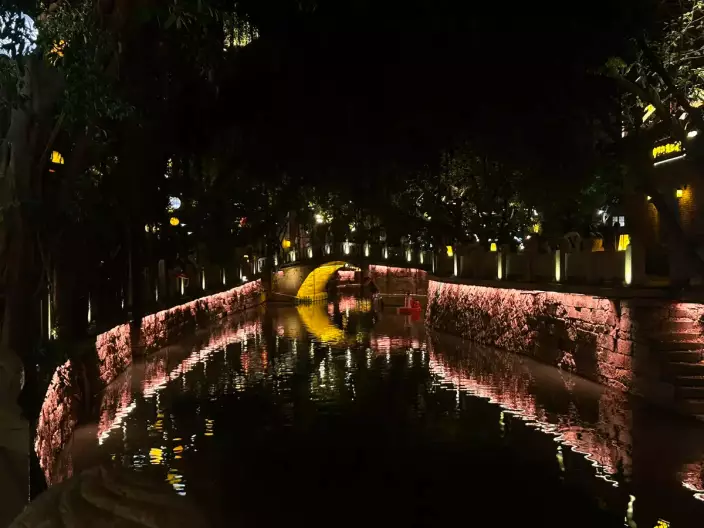
The Shangxiahang Historic District, Photo by Bastille Post
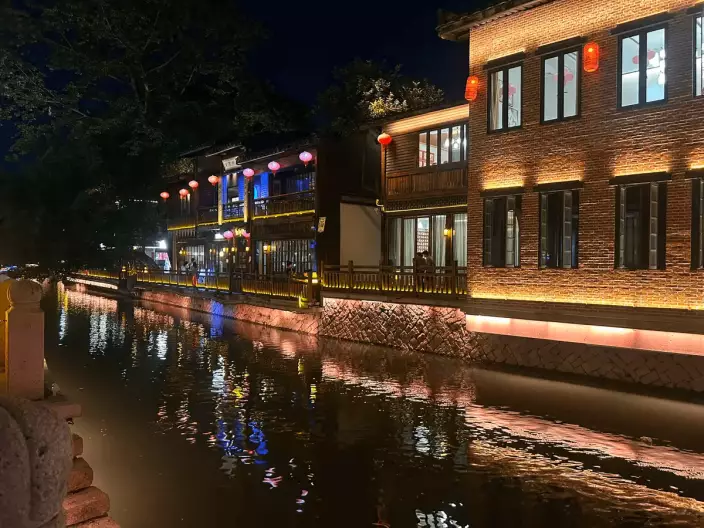
Photo by Bastille Post
Today, through protective restoration and the integration of cultural and creative elements, the Shangxiahang Historic District is gradually transforming into a cultural space that blends historical memory with modern life. Visitors can stroll among the ancient houses and experience the profound commercial culture of Fujian.
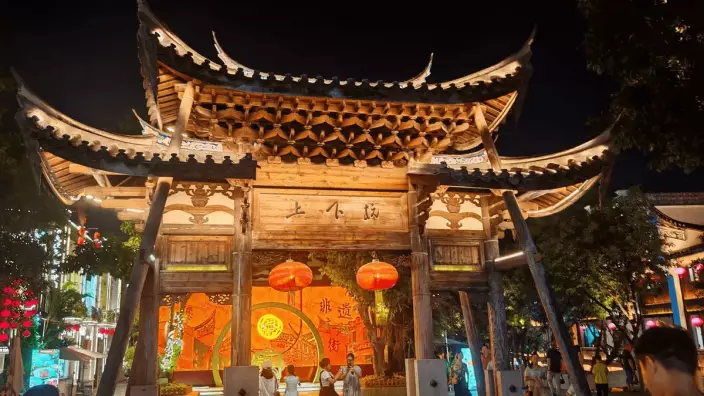
The Shangxiahang Historic District, Photo by Bastille Post
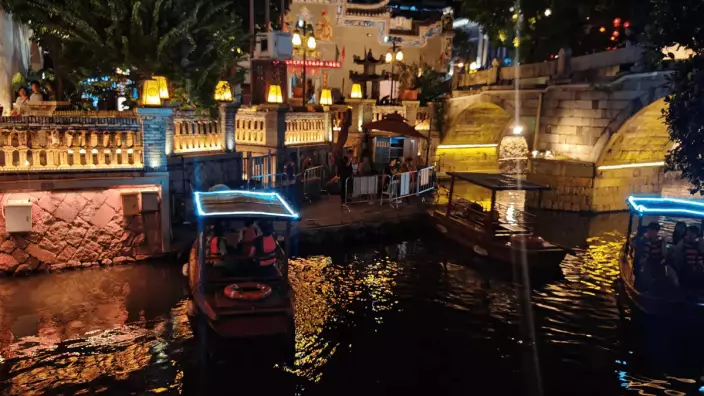
Photo by Bastille Post
The prosperity of the Shangxiahang Historic District is inseparable from the delicate fragrance of jasmine. Jasmine is the city flower of Fuzhou. A century ago, the streets of Shangxiahang were lined with tea warehouses, their fragrance filling the air. Tens of thousands of dan (1 dan ≈ 50 kg) of jasmine tea departed from the docks, its aroma spreading far and wide. The city’s most representative tea‑making technique, the Fuzhou jasmine tea scenting process, became Fuzhou's first world‑class intangible cultural heritage item. In 2014, Fuzhou jasmine tea scenting process was included in the fourth batch of National Representative List of Intangible Cultural Heritage. In 2022, six national‑level intangible cultural heritage representative projects, including “Scenting Techniques of Jasmine Tea, Fuzhou” from “Traditional tea processing techniques and associated social practices in China,” were inscribed on UNESCO's Representative List of the Intangible Cultural Heritage of Humanity. Thus, Fuzhou jasmine tea possesses two highly valuable “world‑class” titles.
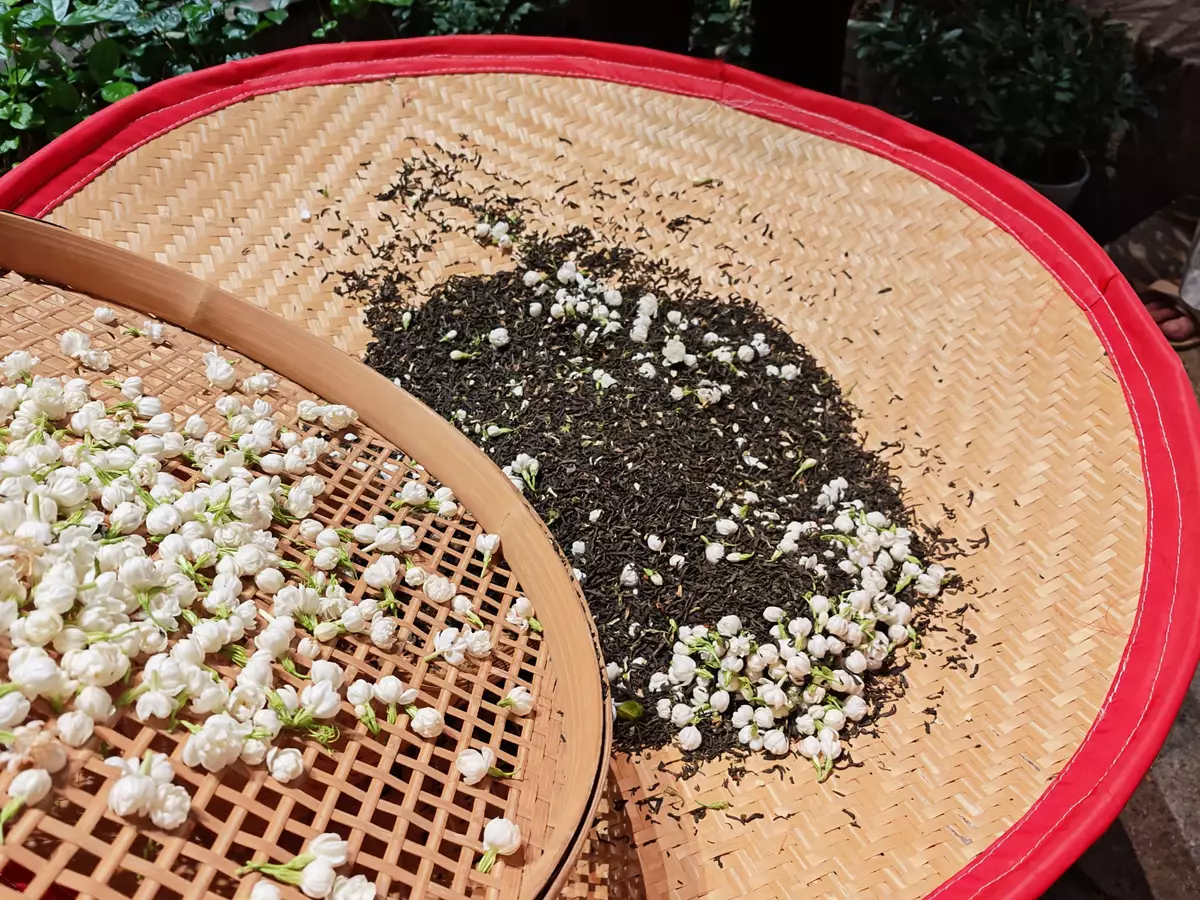
The Fuzhou jasmine tea scenting process, Photo by Bastille Post
The Fuzhou jasmine tea scenting process uses roasted green tea as a base, mixing in fresh jasmine buds. After several rounds of mixing and resting, the aromas blend, allowing the tea flavour and floral fragrance to permeate each other and become one. Fujian is the birthplace of jasmine tea, employing a “scenting” process. This involves piling jasmine flowers and tea leaves together, allowing the flowers to release their fragrance and the tea leaves to absorb it. Finally, the flowers are sifted out, leaving only the tea leaves. Therefore, Fujian's distinctive jasmine tea is “tea without flowers” – you taste the tea, but smell the delicate jasmine aroma.
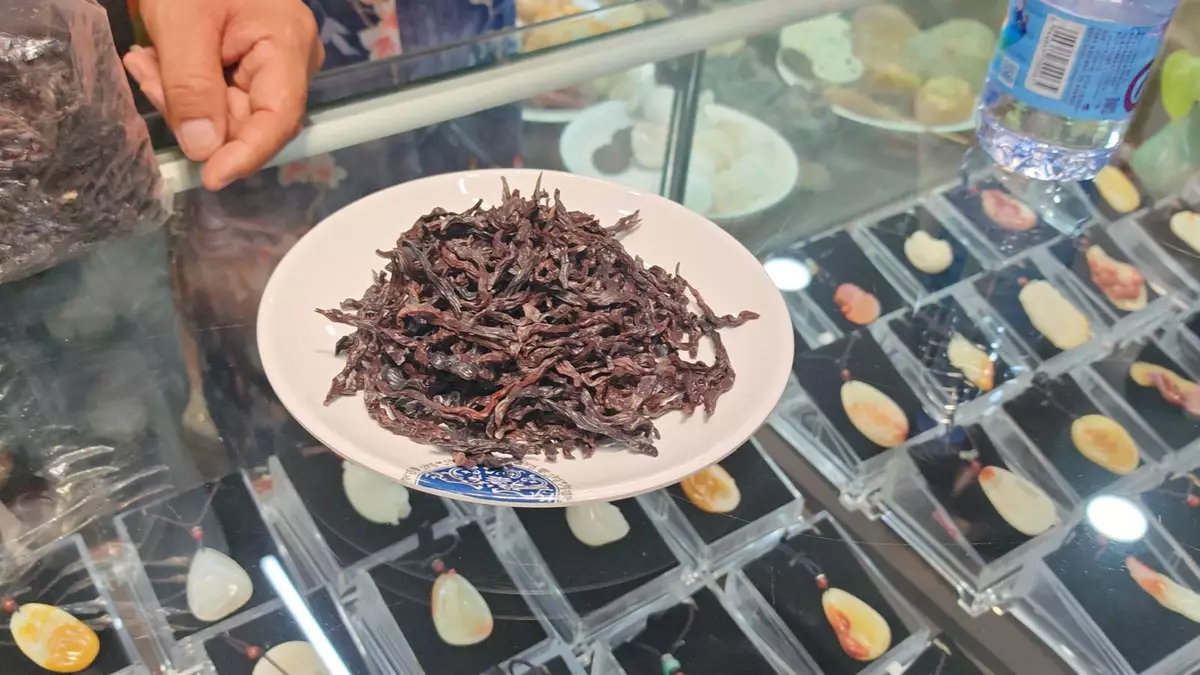
Tea leaves, Photo by Bastille Post
The tea‑making process is meticulously timed. Jasmine flowers must be picked in the afternoon, around 2 or 3 pm when the sun is strongest, as the buds are full and the fragrance is most intense. After being transported back, they need to be spread out in a well‑ventilated area overnight, allowing the buds to naturally open and release their fragrance. The tea artisans then stay up all night to ensure the aroma is at its peak, locking the fresh essence of jasmine into the tea leaves. During the scenting process, layers of flowers and tea are alternately piled up. The tea absorbs the floral fragrance, and then the flowers are sifted out, completing one “scenting cycle”, which in the local tea artisans' dialect is called “yin”, a term passed down through generations in the industry. The minimum is three scenting cycles, considered an entry‑level process, while the maximum can reach nine. Nine‑scented jasmine tea requires three months to process. Between each scenting cycle, the tea leaves need to “rest” for several days to allow their properties to stabilise before proceeding to the next cycle. After scenting, the final step is roasting to lock in the aroma and moisture. The entire process is lengthy and complex, relying entirely on the tea maker's experience and patience.
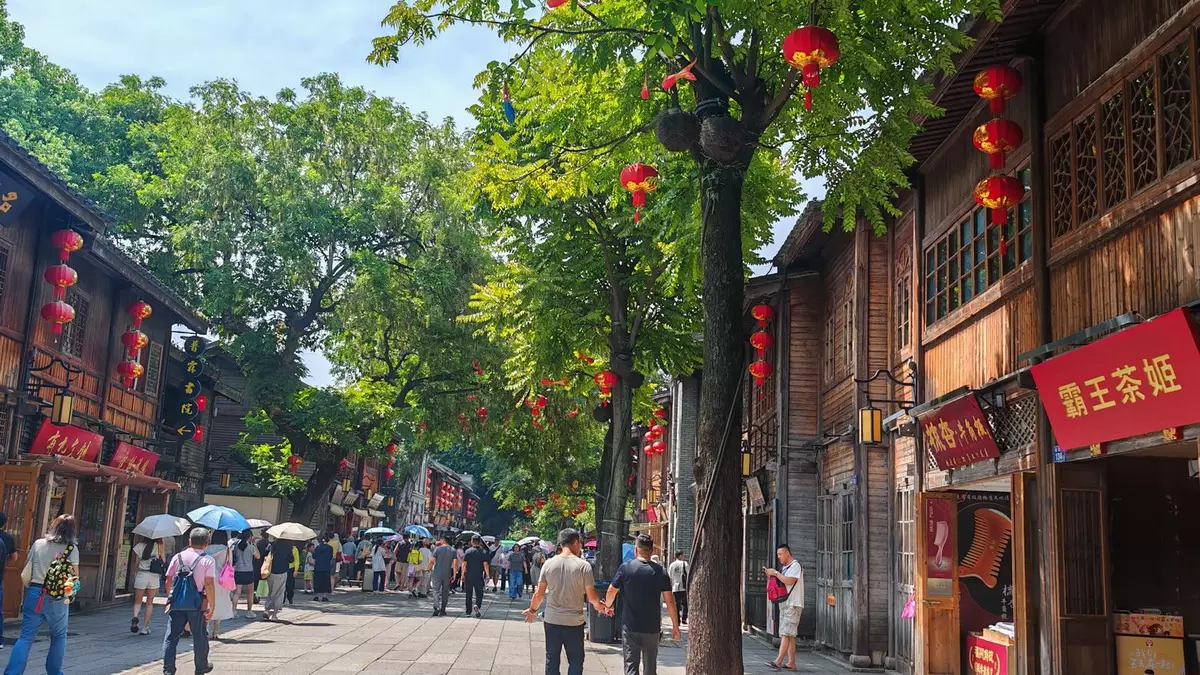
The Sanfang Qixiang Historical and Cultural Block (also known as The Three Lanes and Seven Alleys), Photo by Bastille Post
Another representative attraction in Fuzhou, the Sanfang Qixiang Historical and Cultural Block (also known as The Three Lane and Seven Alleys), is a national‑level historical and cultural block, hailed as a “living fossil of the residential ward system.” Composed of three lanes, seven alleys, and a central axis, Nanhou Street, the block preserves over 200 ancient buildings from the Ming and Qing dynasties. It produced a large number of influential figures in modern Chinese history, including Lin Zexu, Yan Fu, Shen Baozhen, Lin Juemin, and Bing Xin, hence the saying, “One Sanfang Qixiang Historical and Cultural Block is half of modern Chinese history.” The block perfectly preserves its Ming and Qing architectural complex, with a well‑organised layout of lanes and alleys, and simple yet elegant residences, revealing the profound cultural heritage of Fuzhou.
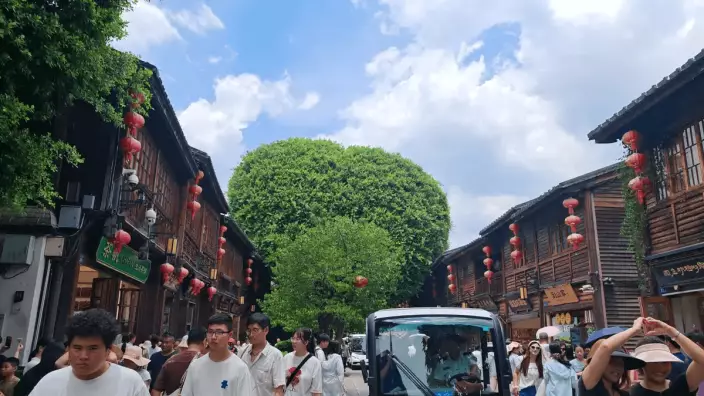
Sanfang Qixiang's 'Love Tree," Photo by Bastille Post
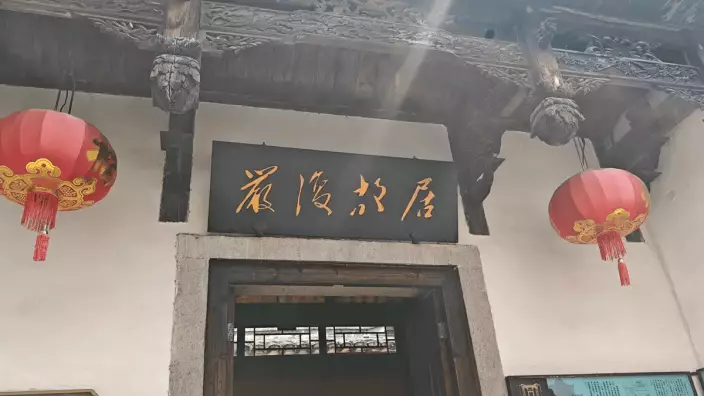
Yan Fu's historic residence, Photo by Bastille Post
The delegation visited Yan Fu's historic residence, an old house built in the Qing Dynasty, which was the residence of Yan Fu, a modern Chinese enlightenment thinker, in his later years. Although the house is not large, its layout is rigorous, and the furnishings in the halls are simple, revealing the scholarly spirit of this translator of Evolution and Ethics. Then, the delegation entered the Waterside Performing Stage, a wooden stage built over a pond. This stage, once a place for officials and their families to hold banquets and watch plays, still retains its exquisite elegance.
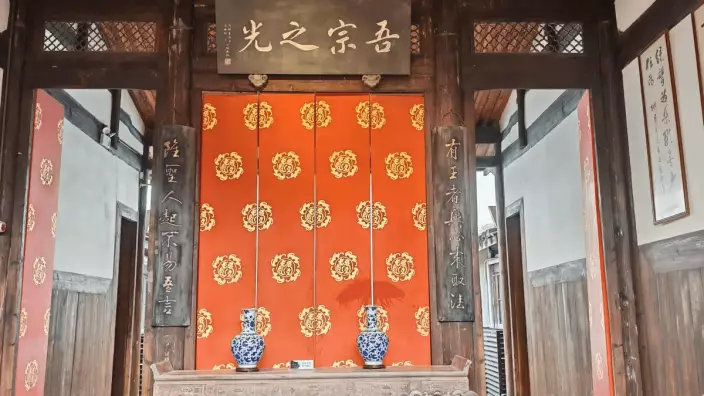
Yan Fu's historic residence, Photo by Bastille Post
Besides the ancient architecture, the Sanfang Qixiang Historical and Cultural Block also features Yanyuan restaurant, which serves the renowned Tongli Rouyan (also known as Tongli tiny wontons). Founded during the Guangxu period of the Qing Dynasty, Tongli Rouyan has been passed down through five generations and are one of Fuzhou's most renowned time‑honoured brands. Rouyan, also known as “Taiping Yan,” is an indispensable traditional delicacy for Fuzhou people during festivals, weddings, and funerals. Its name, a homophone for “Taiping” (meaning peace and prosperity), embodies the Fuzhou people's good wishes for peace and good fortune.
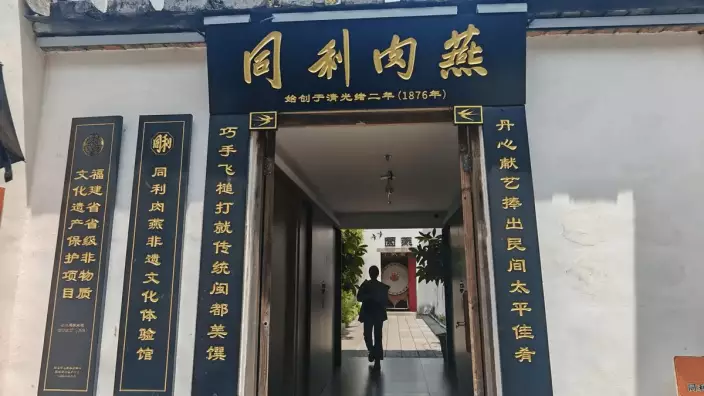
Tongli Rouyan, Photo by Bastille Post
Chen Junfan, the fourth‑generation inheritor of Fujian's intangible cultural heritage of Rouyan craftsmanship, explained that Tongli Rouyan insists on traditional handmade production, selecting lean pork from the hind leg, repeatedly pounding it to create paper‑thin wonton wrappers, which are then wrapped around a special meat filling. The finished product is crystal clear and has a tender texture. He revealed that he will travel to Hong Kong to participate in this year's HKTDC Food Expo at the Hong Kong Convention and Exhibition Centre, allowing Hong Kong citizens to experience the taste of Fuzhou.
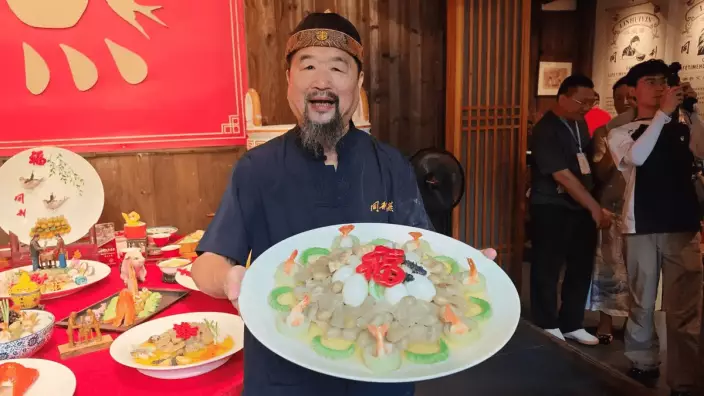
Chen Junfan, Photo by Bastille Post
The delegation also observed the Shoushan stone carving technique up close. Shoushan stone is the foremost of China's traditional “Four Great Seal Stones,” produced in Shoushan Township, northern suburbs of Fuzhou. It was included in the first batch of National Representative List of Intangible Cultural Heritage lists in 2006. At the Shoushan Stone Intangible Cultural Heritage Inheritance Base, the delegation saw a “Manchu-Han Imperial Feast”, including sea cucumber, durian, and even a hamburger carved from Shoushan stone.
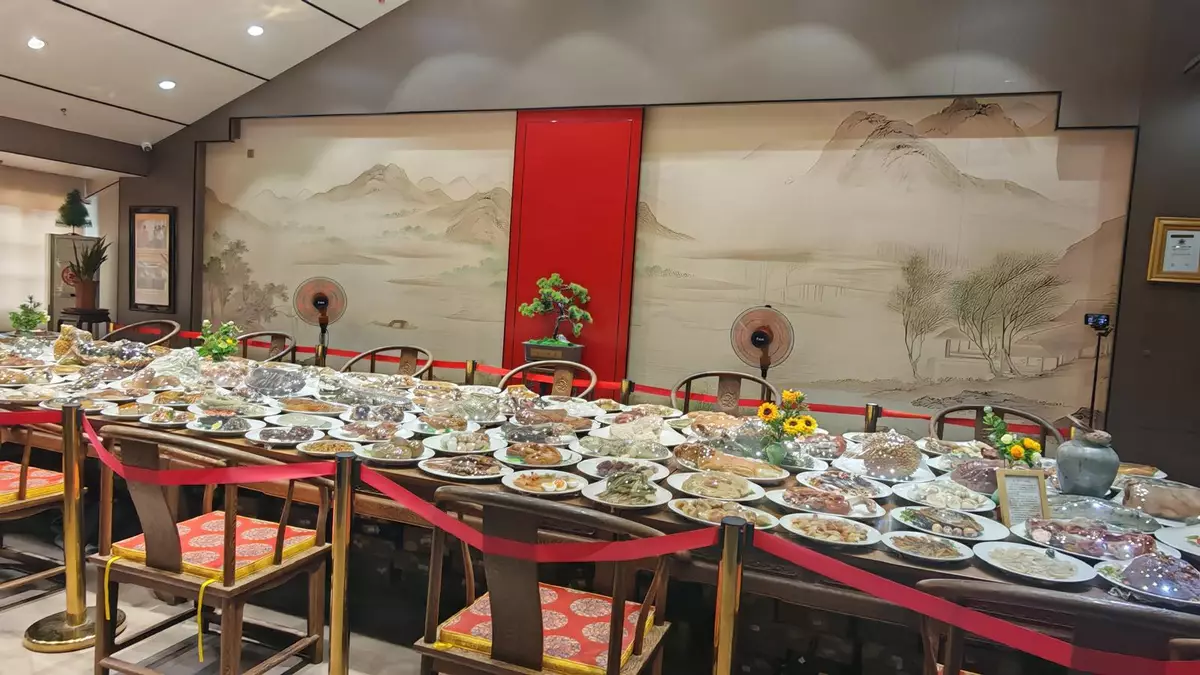
The Manchu-Han Imperial Feast carved from Shoushan stone, Photo by Bastille Post
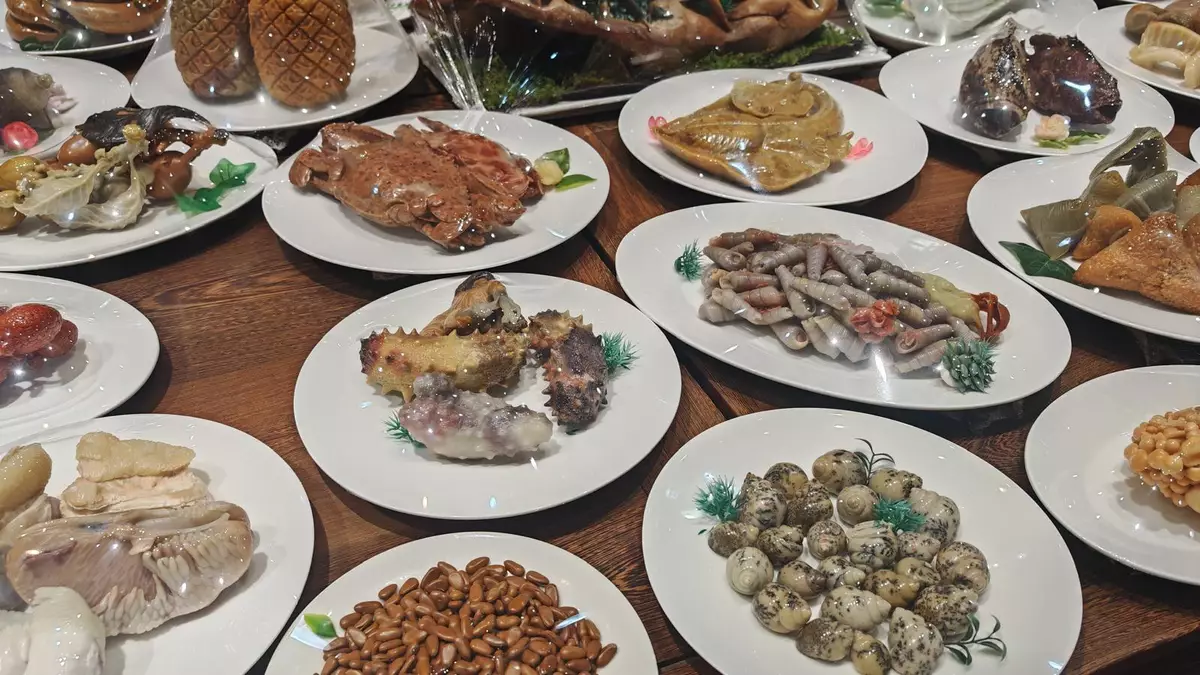
The Manchu-Han Imperial Feast carved from Shoushan stone, Photo by Bastille Post
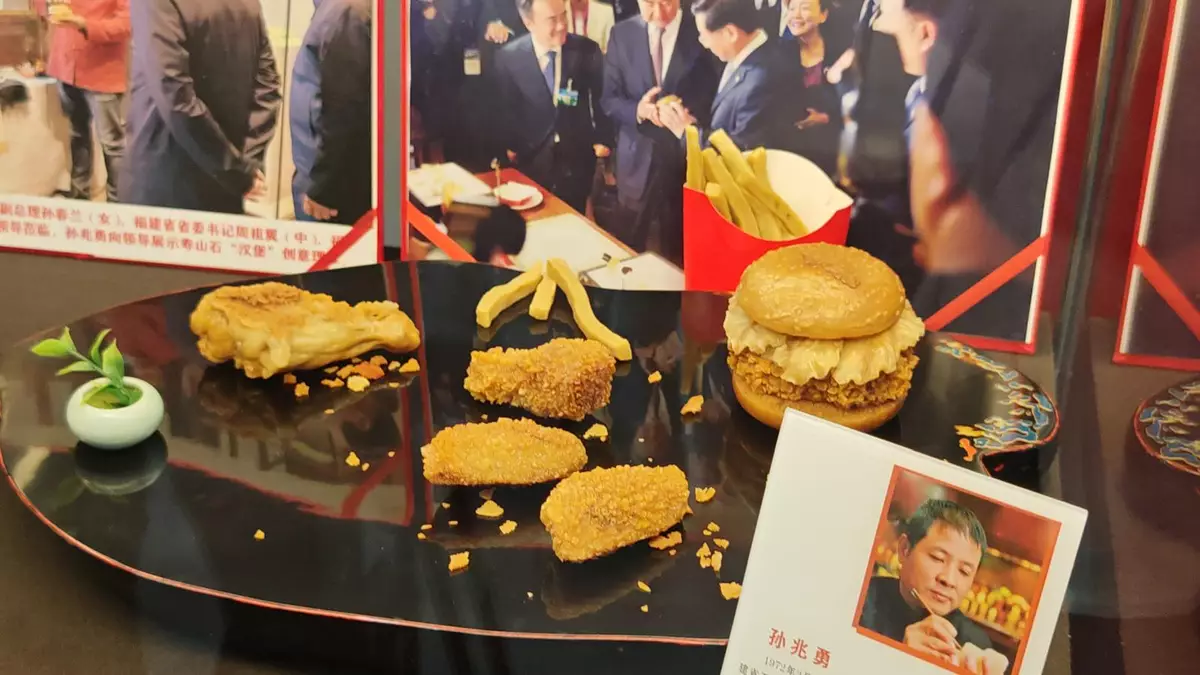
The hamburger carved from Shoushan stone, Photo by Bastille Post
Ye Qin, an inheritor of Shoushan stone carving technique, explained that Shoushan stone has been mined since the Song Dynasty. Due to its soft texture and rich colours, it is particularly suitable for intricate carving, requiring great skill in design from the carver. She pointed out that the Song Dynasty was the most prosperous period for literati, and seals were widely used in calligraphy and painting. Shoushan stone, with its moderate softness, ease of carving, and ability to leave clear impressions, became the preferred material for seals. She emphasised that seals are a unique symbol of China's five‑thousand‑year culture, “This is the symbol of China.”
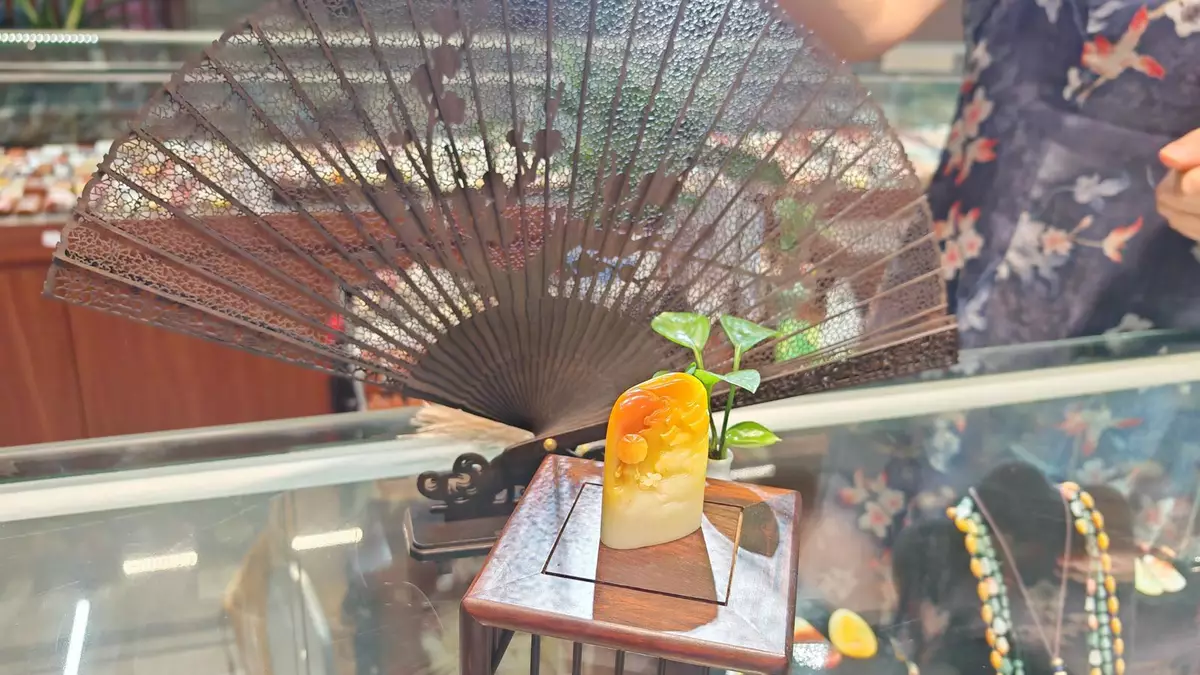
The stone seal, Photo by Bastille Post
Ye Qin further pointed out that Shoushan stone is a non‑renewable resource, with a formation cycle of hundreds of millions of years. With increasingly strict controls, its mining volume will continue to decrease in the future. “If you come to Fuzhou in 5 or 10 years, there may not be any more of this stone for carving, but the carving technique is eternal; only the medium of creation has changed.”
Sun Zhaoyong, another representative inheritor of Shoushan stone carving technique, said he is currently creating the “Fuzhou Fu” series, incorporating Fuzhou cultural symbols such as Wuyi rock tea and jasmine tea into Shoushan stone carvings.
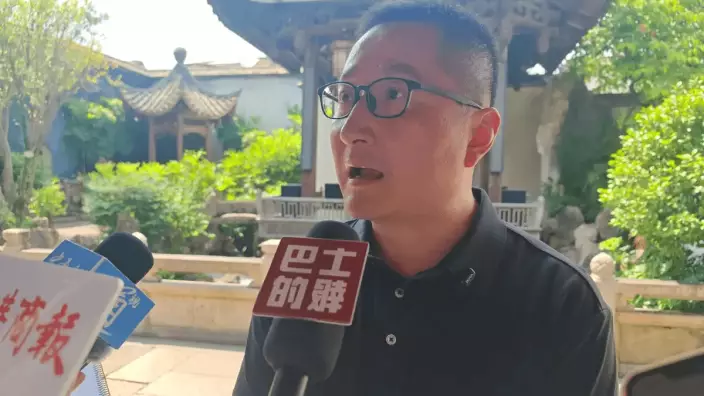
Zhou Wei. Photo by Bastille Post
Zhou Wei, chief engineer of the Sanfang Qixiang Historical and Cultural Block, stated that the block has adhered to the principle of “protection first, rescue first,” actively utilising digital means to empower cultural tourism experiences while repairing and protecting historic buildings. An AR tour project has already been launched, allowing tourists to interact with ancient architecture through their mobile phones, making the old houses “speak and interact,” telling the historic stories of the thousand‑year‑old alleys to the public in a more vivid way.
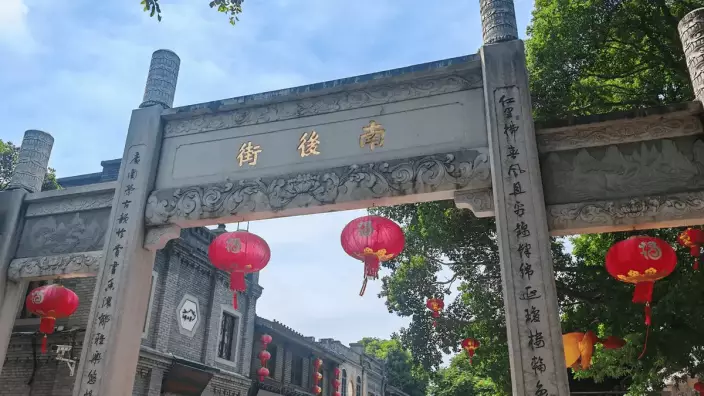
The ancient structures on site, Photo by Bastille Post
According to Zhou Wei, the Sanfang Qixiang Historical and Cultural Block has established a mature research and study reception system. The block has a Fujian‑Hong Kong Youth Science and Technology Innovation Exchange Base, which regularly receives Hong Kong youth research groups. In 2025, the block officially received 10 groups of Hong Kong tourists, totalling over 200 people. The “Connecting Hearts, Meeting in Youth: Fuzhou & Hong Kong” event held this March attracted 100 Hong Kong youths to the block for study tours, enhancing their understanding of Fujian culture through visits to traditional houses and experiences in intangible cultural heritage.
He also mentioned that Fujian and Hong Kong have reached a cultural tourism cooperation agreement to jointly develop multi‑stop tours, joint promotion of intangible cultural heritage, and study tours of traditional houses for Hong Kong and Macau youth. The Fujian‑Hong Kong Youth Science and Technology Innovation Exchange Base established within the block continues to provide a platform for cultural exchange and entrepreneurial cooperation between young people from both regions.