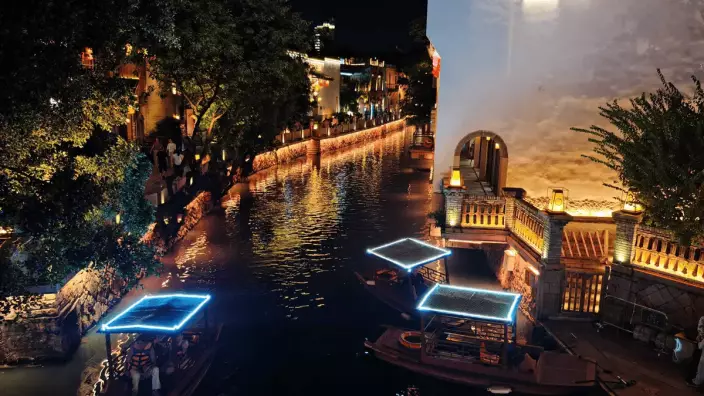
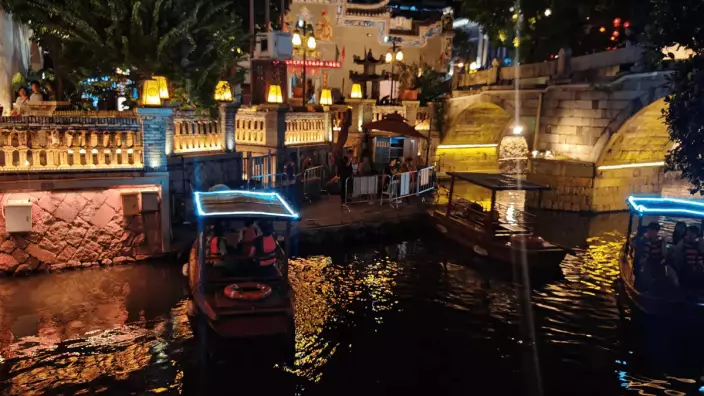
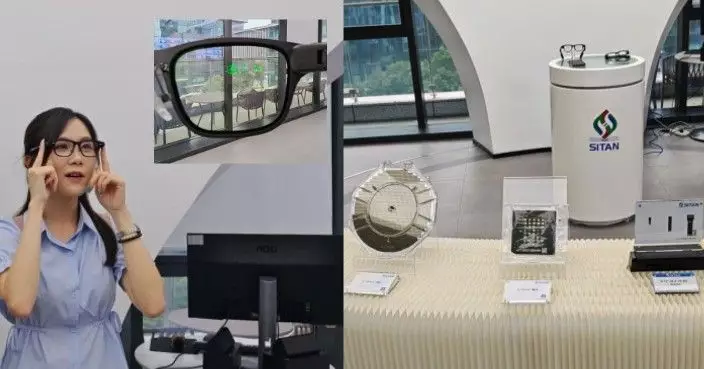
The Hong Kong media delegation's itinerary on August 6 focused on Ningde, visiting Contemporary Amperex Technology Co., Limited (CATL), a global leader in lithium batteries, and SKEQI, a smart equipment company. In the evening, they boarded the 'Star of East Lake' electric ship, witnessing the application of new energy technology in cultural tourism scenarios on the azure waters.
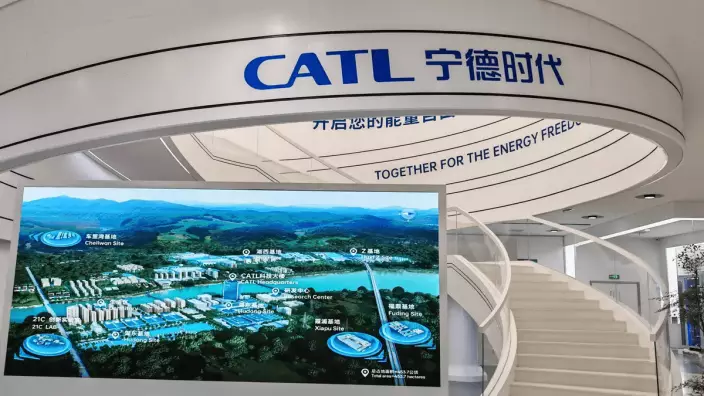
CATL, Photo by Bastille Post
Ningde is known as the 'Lithium Battery Capital,' with its lithium battery new energy industry output exceeding RMB 300 billion. It holds approximately one-third of the global market share for power batteries and energy storage batteries, maintaining its position as the world's number one for nine consecutive years. As the city's most representative enterprise, CATL is a leading global new energy innovation technology company, committed to providing world-class solutions and services for global new energy applications.
Click to Gallery
CATL, Photo by Bastille Post
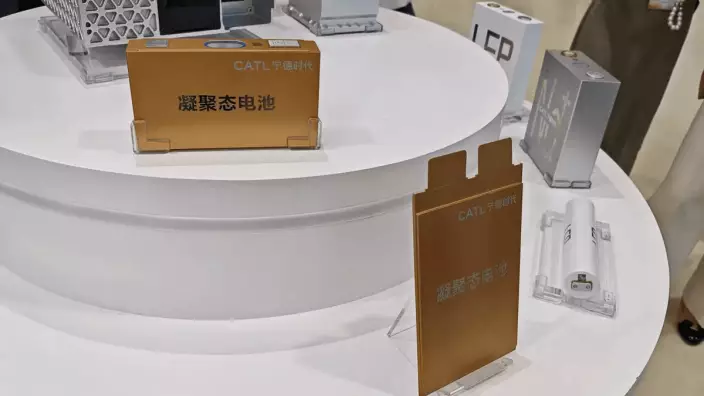
Condensed Matter Battery, Photo by Bastille Post
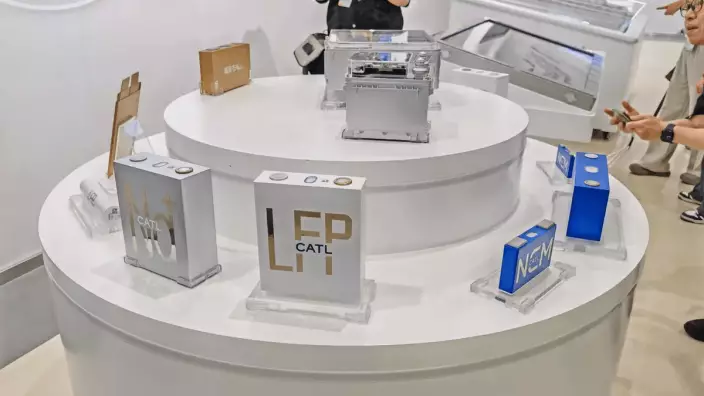
Photo by Bastille Post
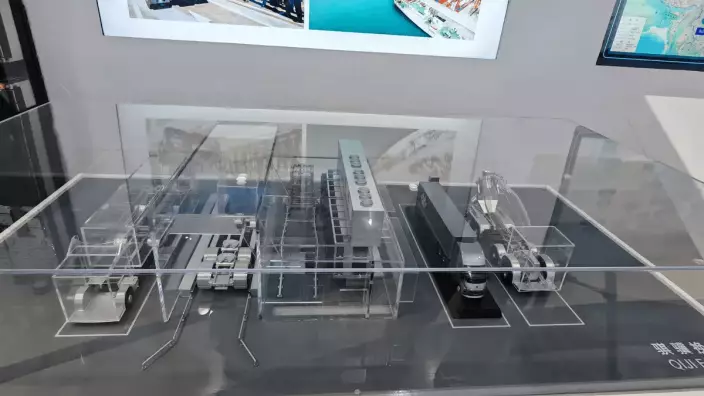
Qiji Battery Swap, Photo by Bastille Post
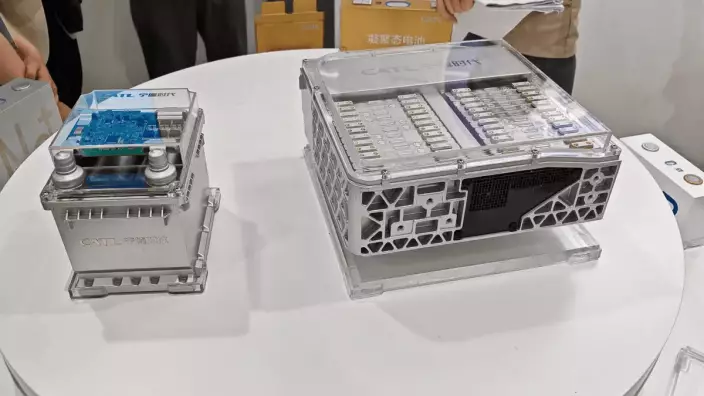
Photo by Bastille Post
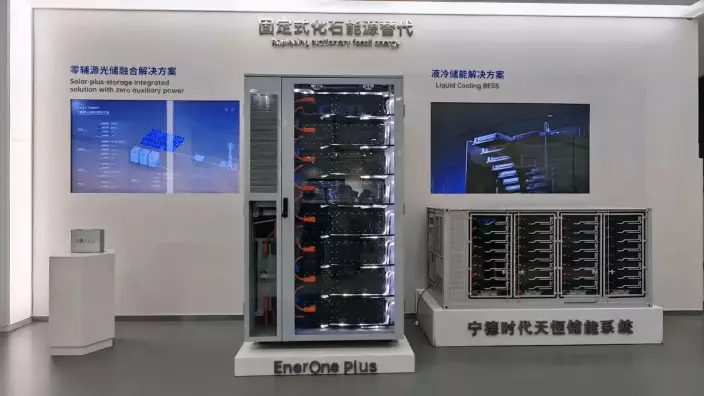
Photo by Bastille Post
CATL, Photo by Bastille Post
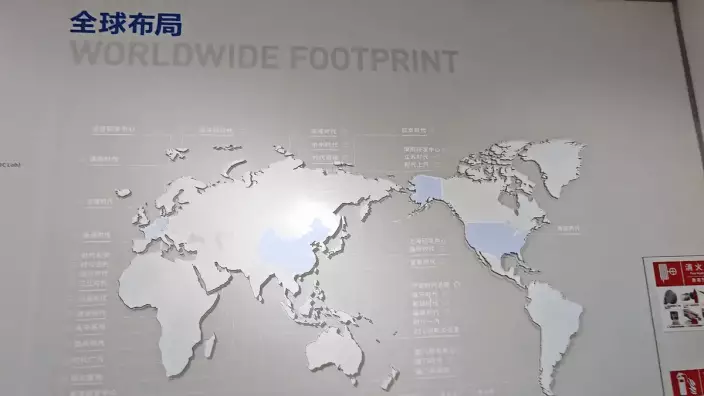
Photo by Bastille Post
Sodium-ion Battery, Photo by Bastille Post
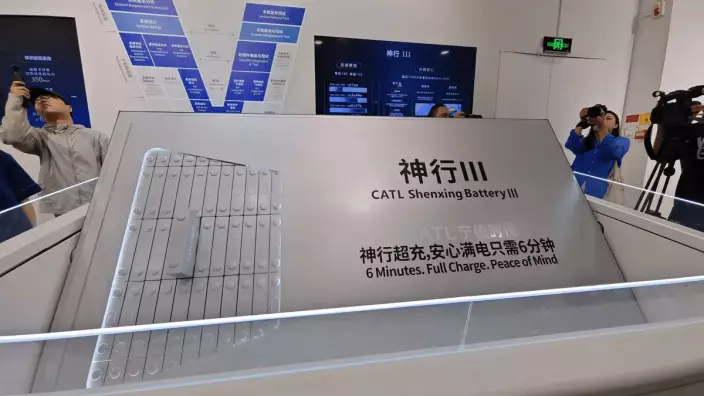
Photo by Bastille Post
"Star of East Lake" electric ship, Photo by Bastille Post
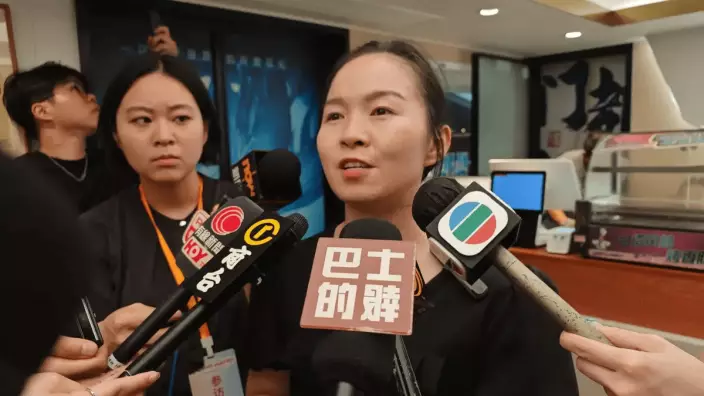
Ye Chengfang, an employee of Ningde Tourism Development Group, Photo by Bastille Post
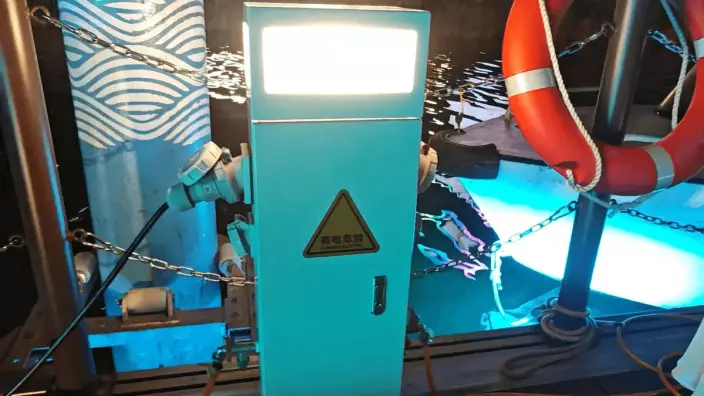
Charging facility for the "Star of East Lake" electric ship, Photo by Bastille Post
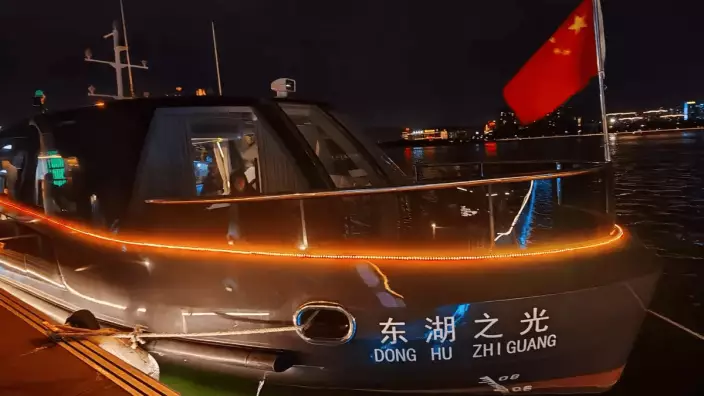
"Donghu Zhiguang" electric ship, Photo by Bastille Post
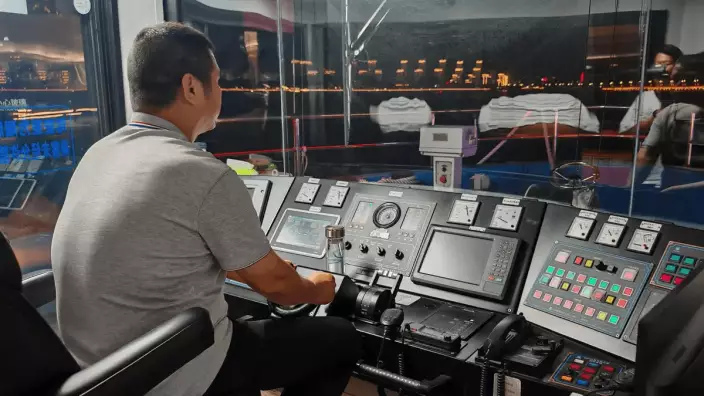
"Star of East Lake" electric ship, Photo by Bastille Post
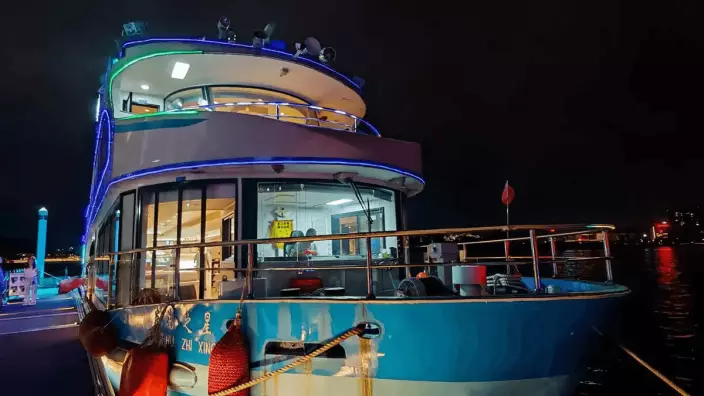
"Star of East Lake" electric ship, Photo by Bastille Post
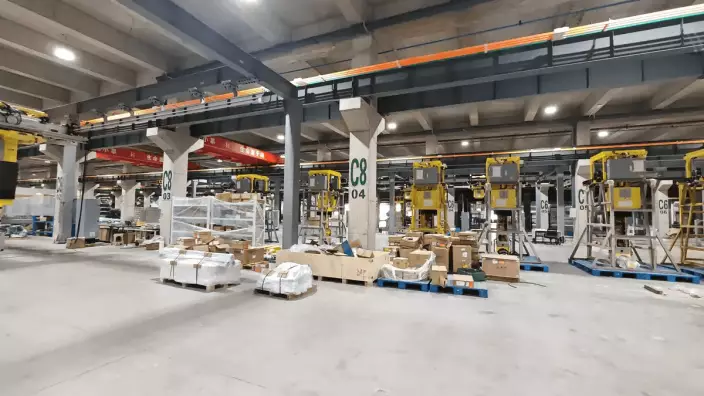
Photo by Bastille Post
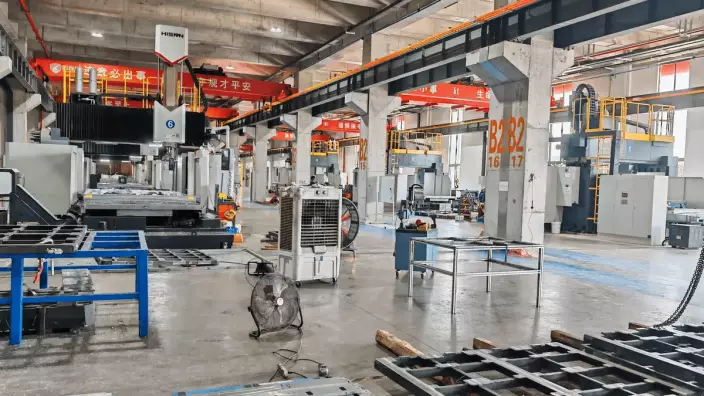
Photo by Bastille Post
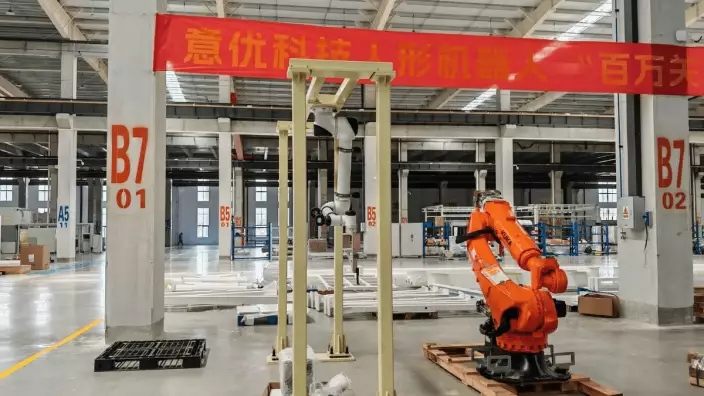
Photo by Bastille Post
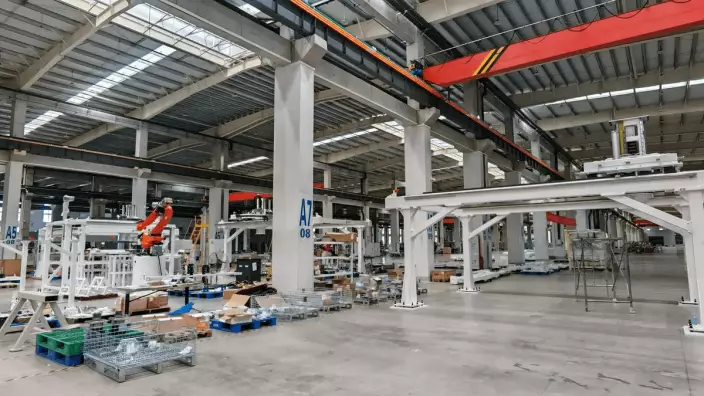
Photo by Bastille Post
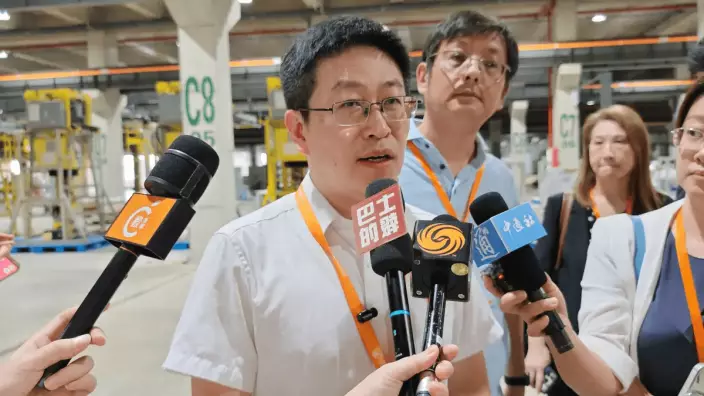
Zheng Ting, General Manager of SKEQI's Marketing Centre, Photo by Bastille Post
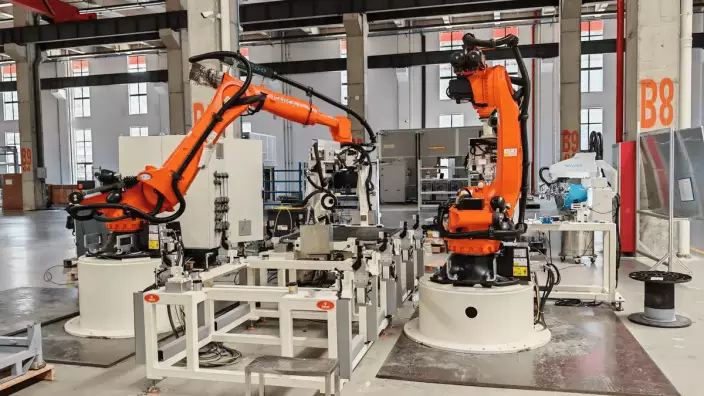
Photo by Bastille Post
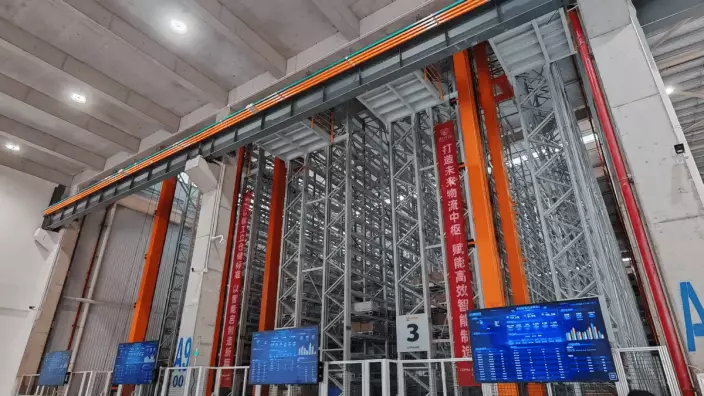
Photo by Bastille Post
Condensed Matter Battery, Photo by Bastille Post
The company was listed in Hong Kong in May 2025. Currently, it has established 13 battery manufacturing bases globally, including those in Ningde in Fujian Province, Liyang in Jiangsu Province, Yibin in Sichuan Province, Erfurt in Thuringia, Germany and Debrecen in Hungary. Among these, the Ningde, Yibin, and Liyang bases have been recognised as Global Lighthouse Factories by the World Economic Forum, making them the only three such facilities in the lithium battery industry. The company already owns 10 zero-carbon factories, with the Yibin base being the world's first zero-carbon battery factory. As of November 2025, CATL has served over 23.99 million vehicles, and its products have been sold to 67 countries and regions.
Photo by Bastille Post
The company is driven by innovation, having established four major innovation systems: materials and material systems, system structure, green extreme manufacturing, and business model. It has also established six R&D centres in Ningde, Liyang, Shanghai, Xiamen, Hong Kong, and Munich, Germany. The 21C Lab has become a global research hub for cutting-edge energy storage and conversion technologies. CATL currently employs over 20,000 researchers globally, holding more than 60,000 patents and adding an average of 17 new patents daily.
Qiji Battery Swap, Photo by Bastille Post
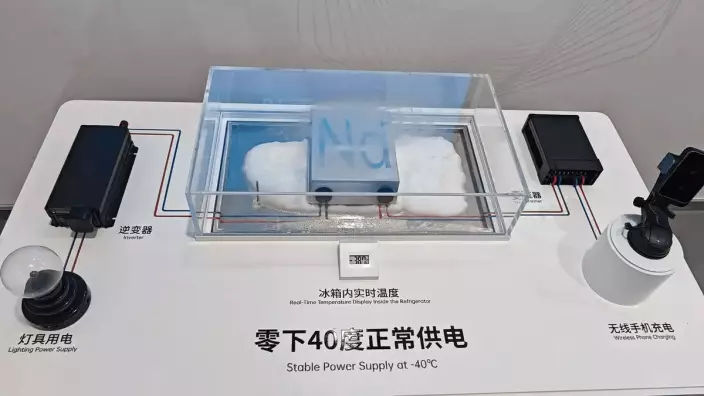
In terms of materials and material system innovation, CATL's independently developed sodium-ion battery (NACHURA) exhibits excellent low-temperature performance, maintaining stable power supply even in extremely cold environments down to -40°C. Its condensed matter batteries have successfully completed test flights on a 4-tonne manned electric aircraft, and a vehicle-grade version of the condensed matter Kirin battery was launched at the 2026 Beijing Auto Show.
Photo by Bastille Post
Regarding battery system integration technology, CATL pioneered and mass-produced AB battery technology. A single cell can accommodate two different chemical systems of battery materials, offering flexible and diverse combinations—such as lithium batteries combined with sodium batteries, or ternary lithium batteries combined with lithium iron phosphate batteries. This breaks through the performance limitations of single battery materials, allowing for customised configurations based on customer needs. The Xiaoyao range-extended battery is a representative product of this technology.
Photo by Bastille Post
Building upon this foundation, the team further developed the Cell-to-Pack (CTP) Kirin battery integration technology, integrating multiple components such as water-cooling plates and hydraulic plates into a single, multi-functional water-cooling structure, thereby increasing the overall battery system integration efficiency to 72%. As for the next-generation technology route, Cell-to-Chassis (CTC), it directly integrates the battery cells into the vehicle chassis. This technology boasts two core advantages. First, its layered structure can absorb 80% of the impact energy during a vehicle collision. Experimental videos show that even when a vehicle impacts a guardrail at 120 km/h, the battery did not emit smoke or catch fire. Second, this technology significantly simplifies the vehicle development process for automakers. With CATL responsible for the R&D and production of the chassis battery module, the new vehicle development cycle can be shortened to 12 to 18 months.
CATL, Photo by Bastille Post
Regarding highly automated manufacturing, CATL possesses a rigorous end-to-end quality traceability system. The complete production traceability data for a single battery exceeds 10,000 records, and all production data can be fully retained and traced for 20 years. All battery series offer a unified 16-year and 2-million-kilometre warranty. Each production line in the factory can manufacture an average of one battery cell per minute, producing approximately 50,000 cells per day. The production lines operate 24/7, with 95% of the equipment undergoing full-process control. Furthermore, all production lines are flexible manufacturing lines; the same equipment can dynamically switch between producing cells for passenger vehicles, energy storage, or commercial vehicles, requiring only parameter adjustments based on product specifications to flexibly meet different order demands.
Photo by Bastille Post
In addition, CATL has launched a supercharging and battery swapping integrated station, divided into two systems: 'Chocolate Battery Swap' for passenger vehicles and 'Qiji Battery Swap' for commercial vehicles. The name 'Chocolate Battery Swap' has two meanings: first, each standard battery pack is small and square, resembling the shape of a chocolate bar; second, the battery packs have standardised specifications, supporting both charging and swapping modes, compatible with multiple vehicle brands, and a swap can be completed in as little as 99 seconds; if direct charging is selected, the entire battery pack can be fully charged in 6 minutes. The 'Qiji Battery Swap' system is specifically designed for larger commercial vehicles with greater capacity. A complete battery swap for a truck or bus takes only 5 to 6 minutes, far faster than traditional long-term charging and even more efficient than refuelling a traditional gasoline vehicle.
Sodium-ion Battery, Photo by Bastille Post
From 2020 to 2025, CATL's installed capacity of power batteries has ranked first globally for nine consecutive years, maintaining a global market share of over 50%. It has cumulatively supplied power to 27 million electric vehicles, with products sold to 150 countries and regions. This means that one in every three electric vehicles globally is equipped with a CATL battery.
Photo by Bastille Post
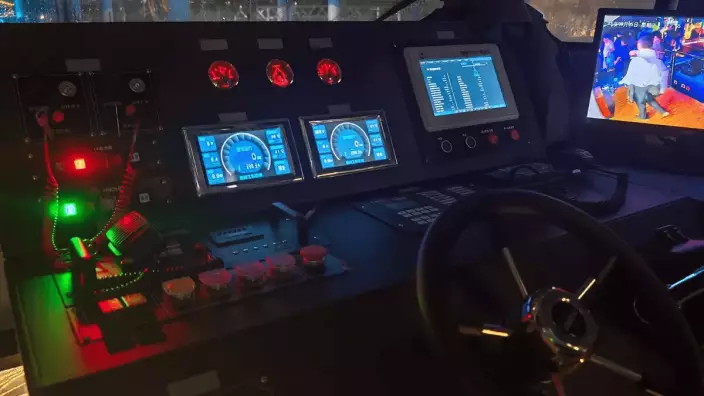
The 'Star of East Lake' electric ship, owned by Ningde Tourism Development Group, is a prime example of CATL's battery technology being applied to cultural tourism. This is Fujian Province's first pure electric sightseeing boat to receive the highest environmental certification, 'Green-Eco Ship-3,' from the China Classification Society (CCS). It is 26.67 metres long and can carry 58 tourists. The ship is equipped with CATL's self-developed marine power batteries and an Azimuth Thruster with Intelligent Control System, achieving zero fuel consumption, low noise, and zero exhaust pollution during operation. In addition, Donghu Lake also offers electric cruise ships such as Donghu Zhiguang and Ning Youyou, each with different tonnages to serve tourist groups of varying sizes.
"Star of East Lake" electric ship, Photo by Bastille Post
Ye Chengfang, an employee of Ningde Tourism Development Group, stated that the group operates both fuel-powered and electric boats. Fuel-powered boats mainly operate on offshore routes, including the transit between Xiapu coast and the Sishuang Islands. 'The biggest difference with those boats is the larger waves at sea; the engine vibration and noise are very noticeable, and there are also sudden stops and other issues. But on electric boats, there are absolutely no such problems. Electric boats are smooth and comfortable, providing a completely different experience.'
Ye Chengfang, an employee of Ningde Tourism Development Group, Photo by Bastille Post
Charging facility for the "Star of East Lake" electric ship, Photo by Bastille Post
Regarding the choice of electric boats for Donghu Lake, Ye Chengfang explained that Donghu Lake is a national wetland park with over 110 recorded protected bird species, including common birds like black-headed gulls and cormorants. 'Using fuel-powered boats would pollute the surrounding area and disrupt the ecological balance. Electric boats are zero-pollution, low-energy, and low-noise, making their journey on the lake completely unnoticed. This benefits both passenger experience and environmental protection, and is compatible with the needs of local residents—a project with all upside and no downside,' she said.
"Donghu Zhiguang" electric ship, Photo by Bastille Post
She added that the company chose to partner with CATL because CATL possesses advantages across the entire lithium battery industry chain, making its transportation and costs more competitive. "CATL can promptly help us optimise and correct any problems encountered in actual operation, allowing our products to better serve everyone." Statistics show that the "Star of East Lake" can save 30 tonnes of fuel and reduce carbon emissions by 100 tonnes annually. Although the initial investment cost is 20% to 30% higher than similar fuel-powered boats, the annual fuel cost savings are considerable, and the initial price difference can be offset after 3 to 5 years of operation. A single full charge allows for 56 hours of continuous sailing.
"Star of East Lake" electric ship, Photo by Bastille Post
Regarding charging infrastructure, she stated that the company currently has an electric ship manufacturing base in Gantang Town and is simultaneously building a maritime charging station. 'Just like cars need charging stations, we can install charging stations in different scenarios to support the ship's range.' Regarding emergency plans, the ship is equipped with two sets of batteries, one of which serves as a backup system. 'When one battery fails, the other can be immediately activated and switched over. If an activity requires a full day's operation, both sets of batteries can be fully charged, and when one is depleted, the other can be switched over to extend the range.'
"Star of East Lake" electric ship, Photo by Bastille Post
She revealed that the electric ship project is currently in the industrial demonstration phase, with the long-term goal of integrated mass production, continuous testing and iteration, and providing better products to the market. She pointed out that the demand in Hong Kong's Victoria Harbour and commuter ferry market is huge, making it a highly valued partner for the company. 'We hope to reduce costs through integration in the future, giving Hong Kong more space to invest in electric ships, thereby promoting the global electrification of ships and achieving the goal of energy conservation and emission reduction.'
Photo by Bastille Post
The delegation also visited Ningde SKEQI Intelligent Equipment Co., Ltd. The company is a specialised and innovative 'little giant' in the Chinese Mainland's lithium battery intelligent manufacturing field. It is deeply involved in the R&D of intelligent equipment for the entire lithium battery production process, holding over 300 independent patents. It has overcome key technological bottlenecks such as laser welding, machine vision, and fully automated warehousing, breaking the monopoly of overseas high-end equipment. Unlike end-user battery manufacturers like CATL, SKEQI is a complete new energy equipment line integrator—it does not produce finished batteries but specialises in R&D, manufacturing, and assembling complete battery production lines for battery factories, making it an upstream equipment supplier for battery companies such as CATL and EVE Energy.
Photo by Bastille Post
The company's Ningde base covers 175 mu with a building area of nearly 300,000 square metres. Its second-phase super factory features a 21-metre-high unmanned automated warehouse and a full-process digital production system, coupled with self-developed industrial software, achieving full localisation and intelligent upgrading of the lithium battery production line.
Photo by Bastille Post
Regarding digital material management in the workshop, SKEQI has independently developed an end-to-end traceability system. With up to one million parts per production line, all components are uniformly coded for warehousing and assembly, with the entire process recording whether materials are installed and their installation location, achieving full lifecycle traceability. Materials are categorised and stored according to their corresponding production workstations. Employees retrieve materials through self-service terminals, and industrial handling robots automatically deliver them to the production line workstations, significantly reducing human error. After the entire production line is assembled and fully trial-run in the factory, it is unpacked and shipped to the customer's factory in sections. After on-site assembly, production can be quickly put into operation, effectively shortening the customer's ramp-up cycle. From signing the contract to the customer reaching full production, the mature standard solution can now be compressed to 120 to 130 days.
Photo by Bastille Post
Zheng Ting, General Manager of SKEQI's Marketing Centre, explained that thanks to its deep technical foundation, which evolved from arc welding to laser welding in its early years, SKEQI successfully passed various process verifications and was successfully included in CATL's qualified supplier system. Since then, the cooperation between the two parties has continued to deepen: from a single workstation between 2016 and 2019, it gradually expanded to multiple work sections; and since 2020, it has begun to undertake complete line orders—from bare cells to battery pack module/PACK assembly lines, which has become SKEQI's core business.
Zheng Ting pointed out that with the continuous accumulation of core technologies, the company has also begun to expand into the upstream field of battery cell manufacturing equipment. The recently launched industrial CT testing equipment for new energy batteries, with the support of CATL, has been widely deployed in production lines. Currently, SKEQI and CATL have formed a mutually beneficial cooperative relationship.
Zheng Ting, General Manager of SKEQI's Marketing Centre, Photo by Bastille Post
He explained that CATL, SKEQI's core cornerstone customer, currently accounts for approximately 40% of revenue, with stable orders. The second tier includes major domestic battery manufacturers such as EVE Energy Co., Ltd., Gotion High-Tech Co., Ltd., and Sunwoda Electronic Co., Ltd. Emerging incremental customers come from companies transforming into new energy enterprises and humanoid robot component equipment manufacturers. Orders in the first half of 2026 increased by nearly 50% year-on-year, with the core driver of growth being a significant increase in energy storage lithium battery shipments.
Zheng Ting stated that SKEQI is actively leveraging Hong Kong's international platform to expand into overseas markets such as the Middle East and Southeast Asia. The company has already established a subsidiary in Hong Kong, primarily with two core functions: firstly, financial investment, using the Hong Kong entity to complete all overseas investments outside the Chinese Mainland; the Hungarian subsidiary was established through the Hong Kong entity. Secondly, forward-looking planning, using this platform to attract international talent and establish overseas R&D centres in the future.
Photo by Bastille Post
Zheng Ting further pointed out that overseas orders accounted for 15% of total orders in the first half of 2026, with the full-year target expected to rise to 25%. Based on a conservative estimate of approximately RMB 2 billion in full-year revenue, the corresponding overseas business target is RMB 400-500 million, which is expected to be achieved by the end of the year. Currently, the overseas footprint covers three major markets: in Europe, this includes Hungary, CATL's factory in Germany, and an energy storage battery factory in Italy; in North America, it includes heavy-duty truck fuel tank production lines in the United States and Mexico; and in Southeast Asia and South Asia, it covers battery production lines in Thailand, Indonesia, Malaysia, Vietnam, and India.
Photo by Bastille Post
Regarding Hong Kong's role, Zheng Ting pointed out that Hong Kong possesses unique advantages in finance and international regulations, is familiar with European and American legal systems and overseas business rules, and can assist companies in accurately interpreting overseas new energy-related policies and effectively avoiding cross-border business risks. It is an indispensable key node in the corporation's globalisation strategy.