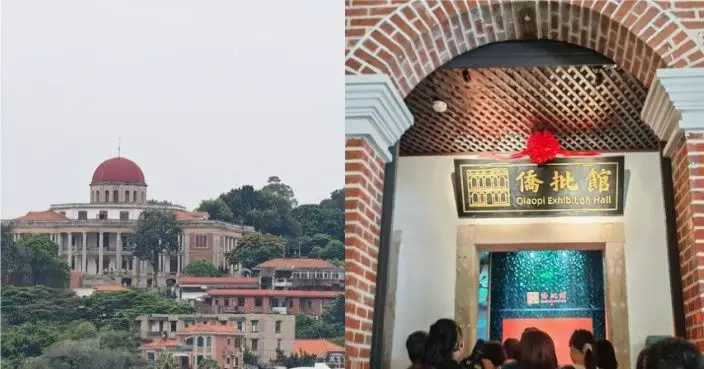
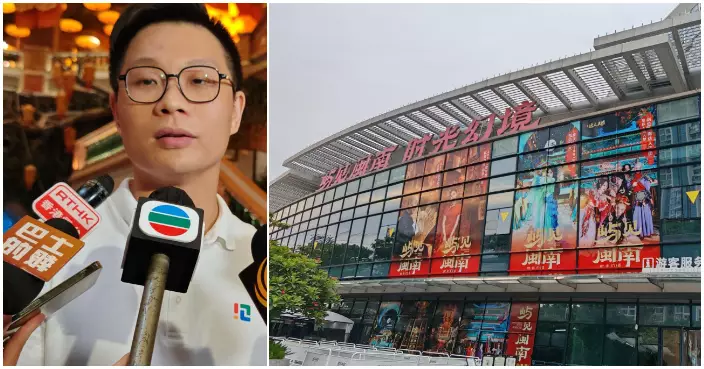
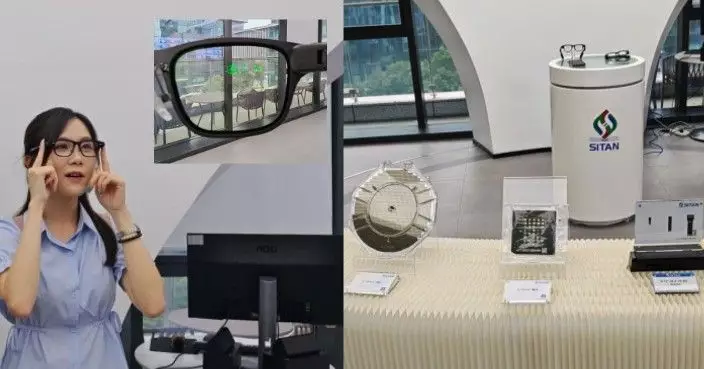
The Hong Kong media delegation’s visit to Fujian concluded with visits to the Shangxiahang Historic District and the Sanfang Qixiang Historical and Cultural Block (also known as The Three Lanes and Seven Alleys). They toured the Ming and Qing dynasty architectural complexes, learned about cultural heritage preservation and revitalisation, and explored opportunities for cultural and tourism cooperation between Fujian and Hong Kong, as well as spaces for youth exchange.
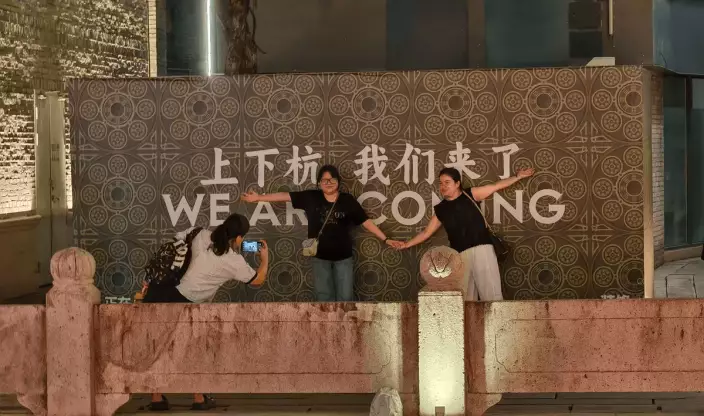
The Shangxiahang Historic District, Photo by Bastille Post
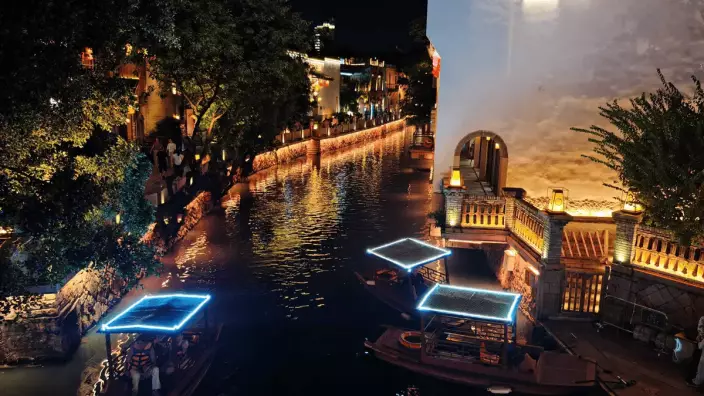
Photo by Bastille Post
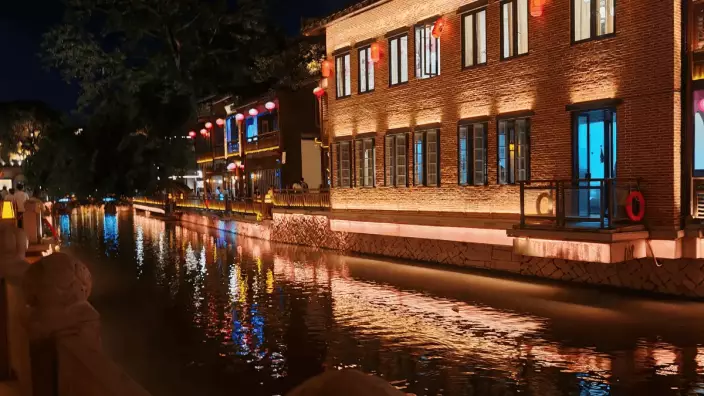
Photo by Bastille Post
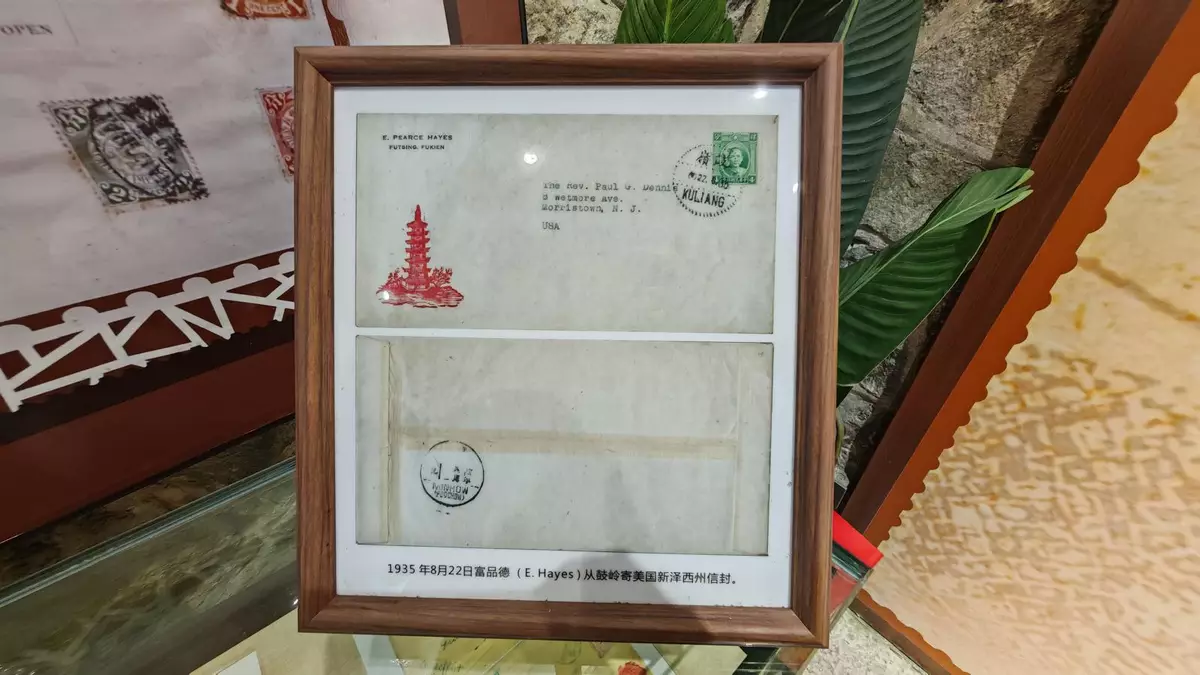
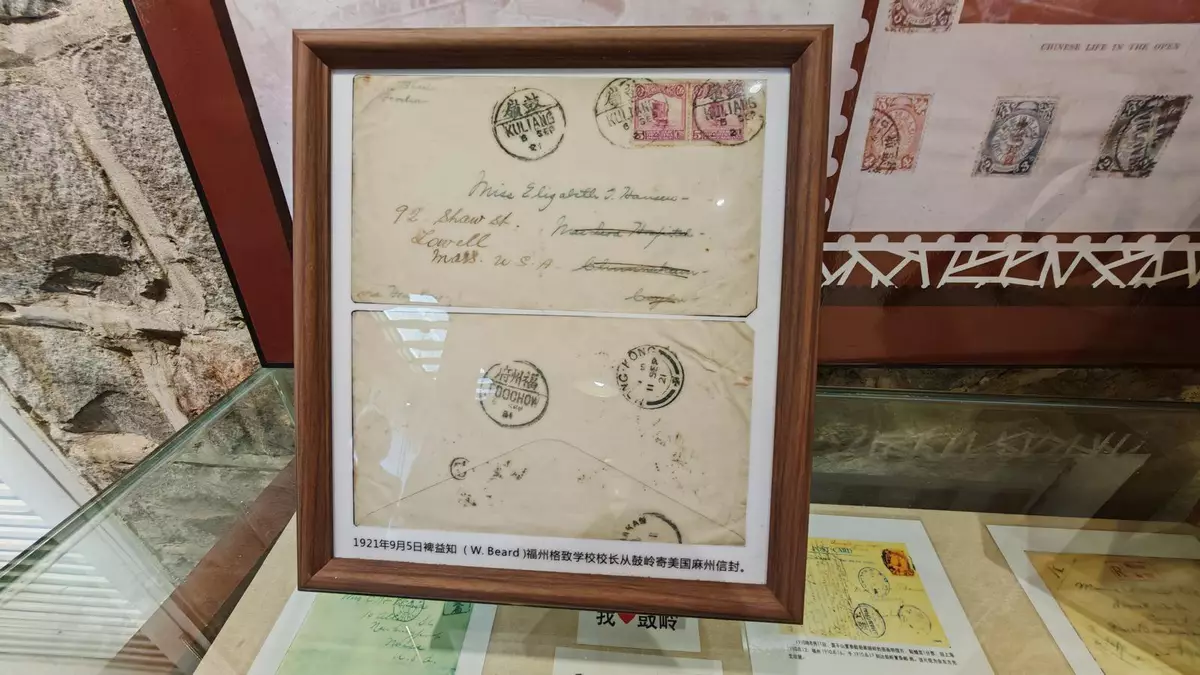
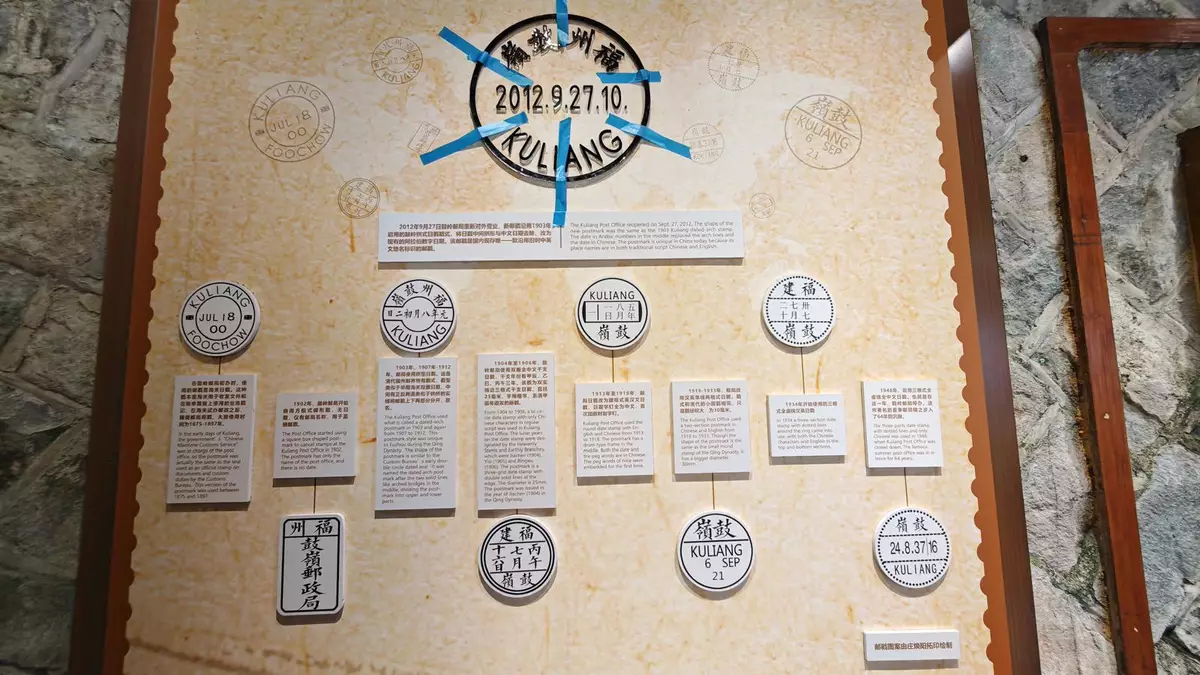
The delegation visited the Shangxiahang Historic District on Nantai Island in Fuzhou. Located near the Minjiang River, this area was once Fuzhou’s most important commercial port and a hub for overseas Chinese merchants. The district retains numerous warehouses, shops, and arcade buildings from the Ming and Qing dynasties to the Republic of China period. The bluestone paths and ancient wharf relics intertwine, telling the story of its bustling past with the flow of goods and remittances.
Click to Gallery
The Shangxiahang Historic District, Photo by Bastille Post
Photo by Bastille Post
Photo by Bastille Post
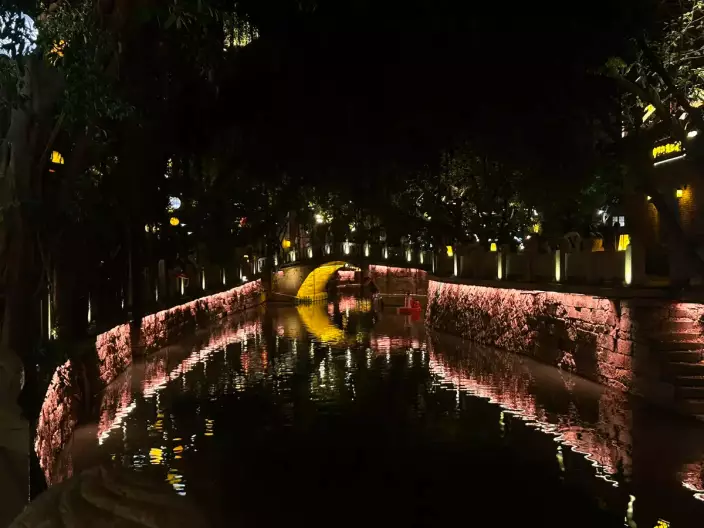
The Shangxiahang Historic District, Photo by Bastille Post
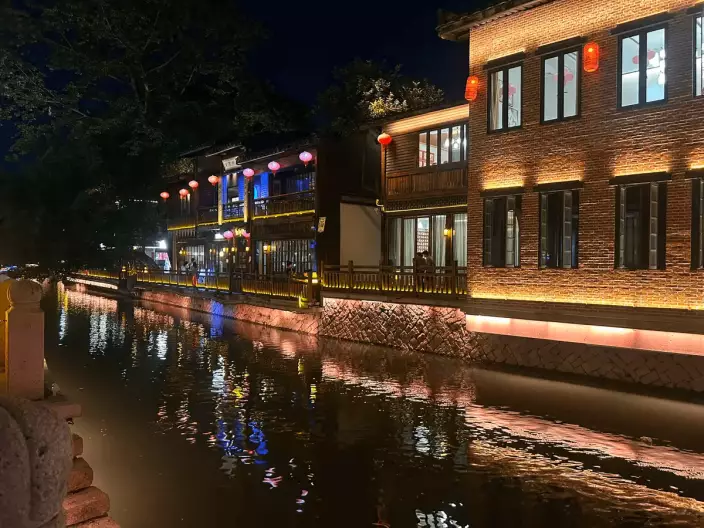
Photo by Bastille Post
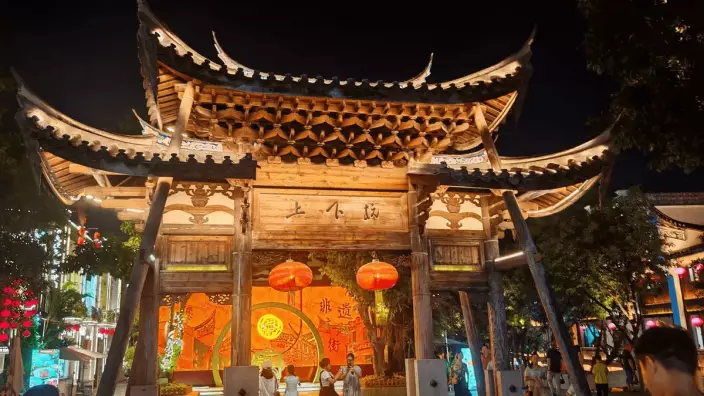
The Shangxiahang Historic District, Photo by Bastille Post
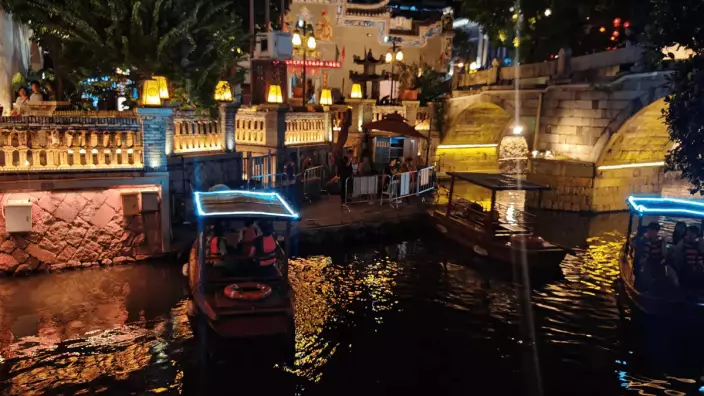
Photo by Bastille Post
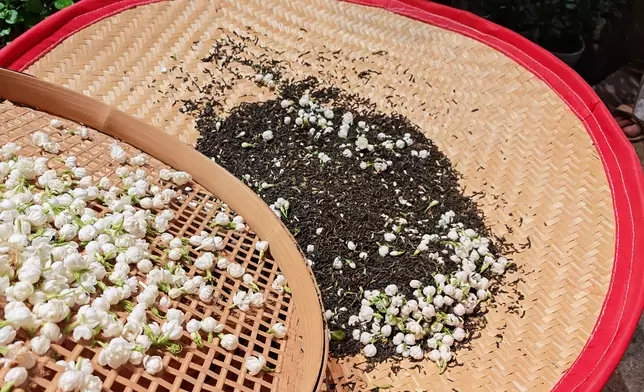
The Fuzhou jasmine tea scenting process, Photo by Bastille Post
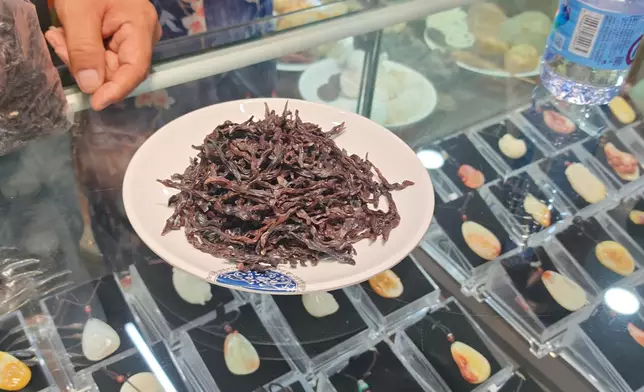
Tea leaves, Photo by Bastille Post
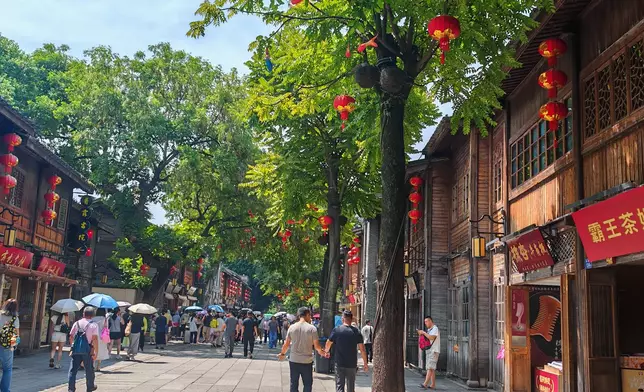
The Sanfang Qixiang Historical and Cultural Block (also known as The Three Lanes and Seven Alleys), Photo by Bastille Post
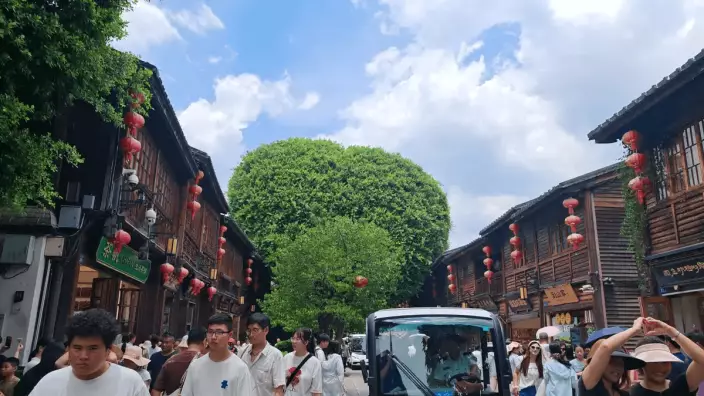
Sanfang Qixiang's 'Love Tree," Photo by Bastille Post
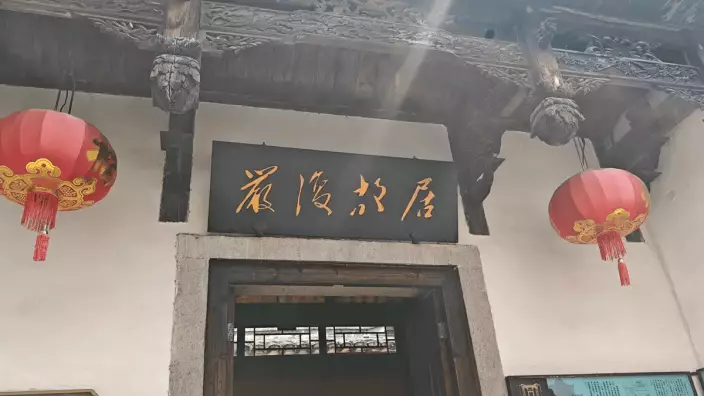
Yan Fu's historic residence, Photo by Bastille Post
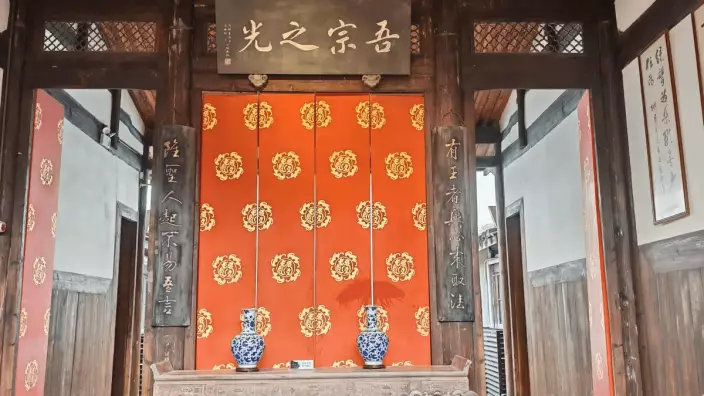
Yan Fu's historic residence, Photo by Bastille Post
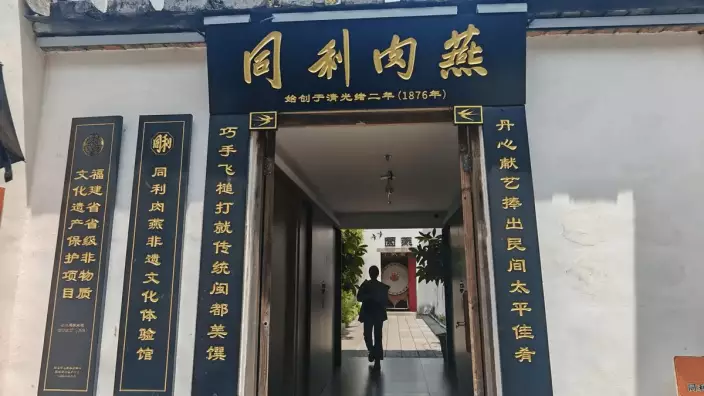
Tongli Rouyan, Photo by Bastille Post
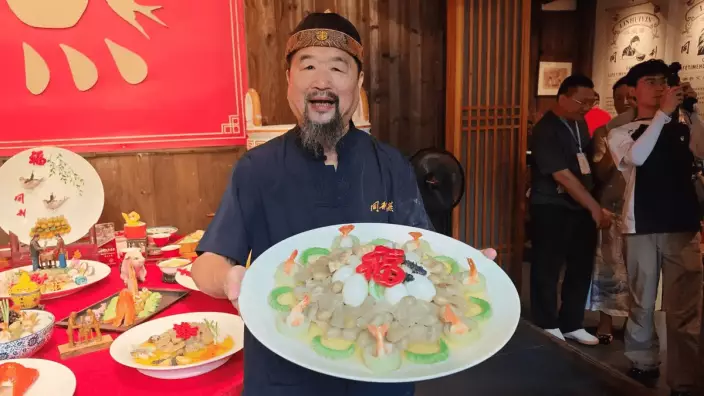
Chen Junfan, Photo by Bastille Post
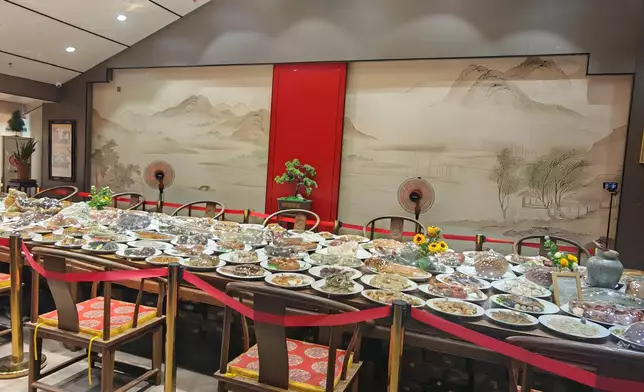
The Manchu-Han Imperial Feast carved from Shoushan stone, Photo by Bastille Post
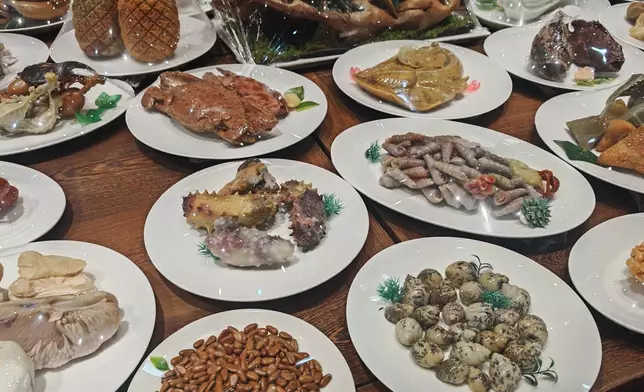
The Manchu-Han Imperial Feast carved from Shoushan stone, Photo by Bastille Post
The hamburger carved from Shoushan stone, Photo by Bastille Post
The stone seal, Photo by Bastille Post
Zhou Wei. Photo by Bastille Post
The ancient structures on site, Photo by Bastille Post
The Shangxiahang Historic District, Photo by Bastille Post
Photo by Bastille Post
Today, through protective restoration and the integration of cultural and creative elements, the Shangxiahang Historic District is gradually transforming into a cultural space that blends historical memory with modern life. Visitors can stroll among the ancient houses and experience the profound commercial culture of Fujian.
The Shangxiahang Historic District, Photo by Bastille Post
Photo by Bastille Post
The prosperity of the Shangxiahang Historic District is inseparable from the delicate fragrance of jasmine. Jasmine is the city flower of Fuzhou. A century ago, the streets of Shangxiahang were lined with tea warehouses, their fragrance filling the air. Tens of thousands of dan (1 dan ≈ 50 kg) of jasmine tea departed from the docks, its aroma spreading far and wide. The city’s most representative tea‑making technique, the Fuzhou jasmine tea scenting process, became Fuzhou's first world‑class intangible cultural heritage item. In 2014, Fuzhou jasmine tea scenting process was included in the fourth batch of National Representative List of Intangible Cultural Heritage. In 2022, six national‑level intangible cultural heritage representative projects, including “Scenting Techniques of Jasmine Tea, Fuzhou” from “Traditional tea processing techniques and associated social practices in China,” were inscribed on UNESCO's Representative List of the Intangible Cultural Heritage of Humanity. Thus, Fuzhou jasmine tea possesses two highly valuable “world‑class” titles.
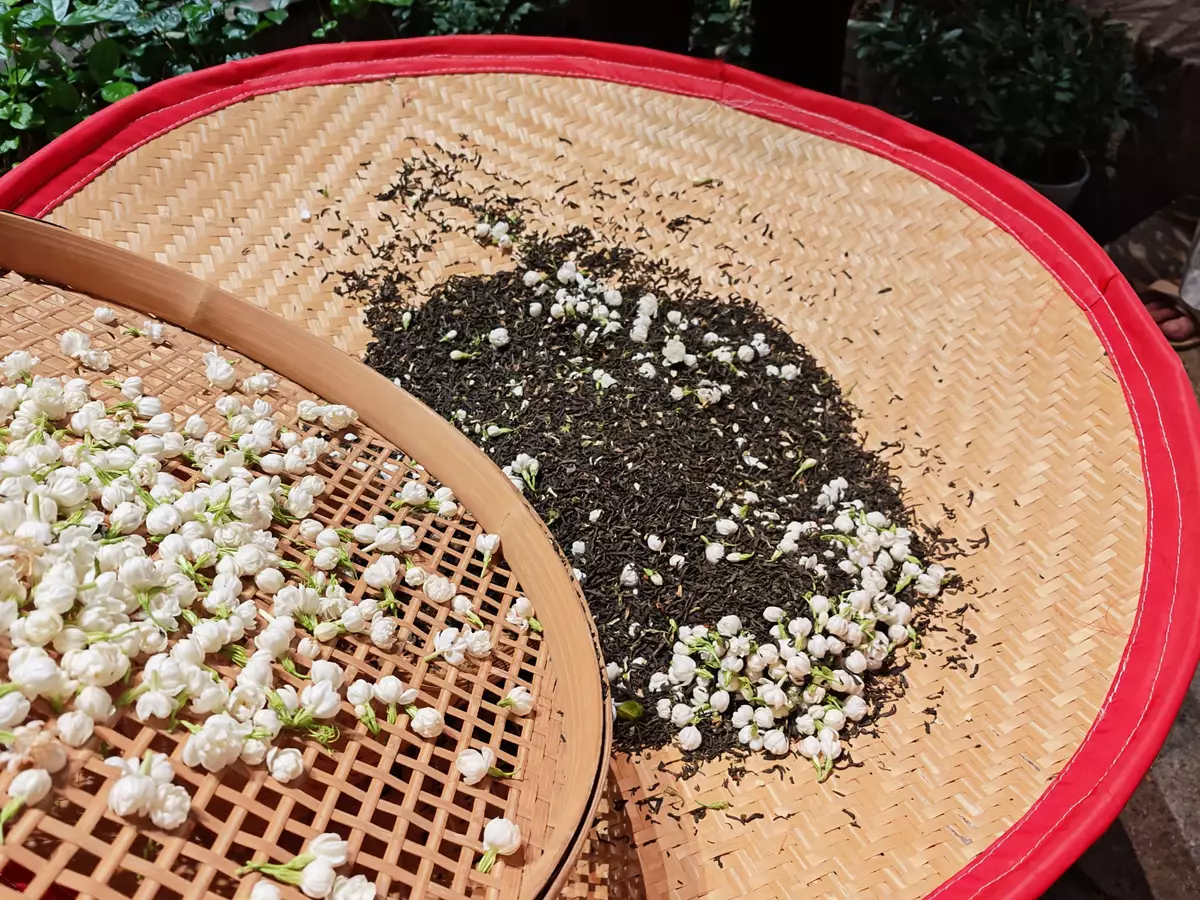
The Fuzhou jasmine tea scenting process, Photo by Bastille Post
The Fuzhou jasmine tea scenting process uses roasted green tea as a base, mixing in fresh jasmine buds. After several rounds of mixing and resting, the aromas blend, allowing the tea flavour and floral fragrance to permeate each other and become one. Fujian is the birthplace of jasmine tea, employing a “scenting” process. This involves piling jasmine flowers and tea leaves together, allowing the flowers to release their fragrance and the tea leaves to absorb it. Finally, the flowers are sifted out, leaving only the tea leaves. Therefore, Fujian's distinctive jasmine tea is “tea without flowers” – you taste the tea, but smell the delicate jasmine aroma.
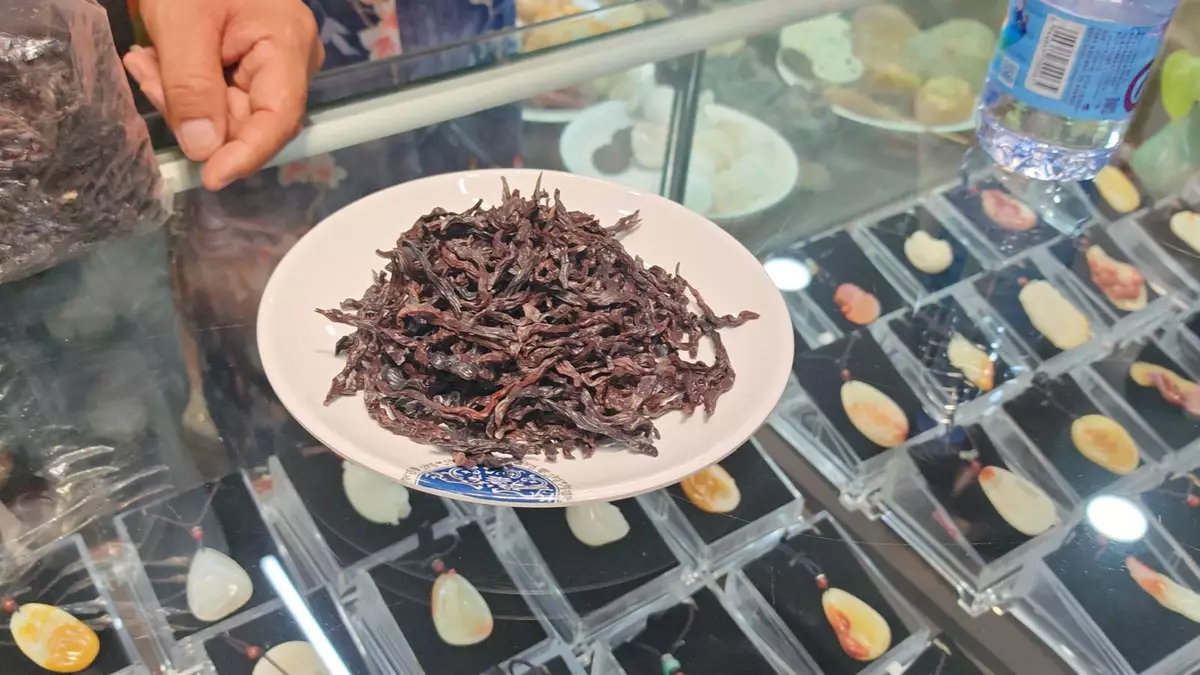
Tea leaves, Photo by Bastille Post
The tea‑making process is meticulously timed. Jasmine flowers must be picked in the afternoon, around 2 or 3 pm when the sun is strongest, as the buds are full and the fragrance is most intense. After being transported back, they need to be spread out in a well‑ventilated area overnight, allowing the buds to naturally open and release their fragrance. The tea artisans then stay up all night to ensure the aroma is at its peak, locking the fresh essence of jasmine into the tea leaves. During the scenting process, layers of flowers and tea are alternately piled up. The tea absorbs the floral fragrance, and then the flowers are sifted out, completing one “scenting cycle”, which in the local tea artisans' dialect is called “yin”, a term passed down through generations in the industry. The minimum is three scenting cycles, considered an entry‑level process, while the maximum can reach nine. Nine‑scented jasmine tea requires three months to process. Between each scenting cycle, the tea leaves need to “rest” for several days to allow their properties to stabilise before proceeding to the next cycle. After scenting, the final step is roasting to lock in the aroma and moisture. The entire process is lengthy and complex, relying entirely on the tea maker's experience and patience.
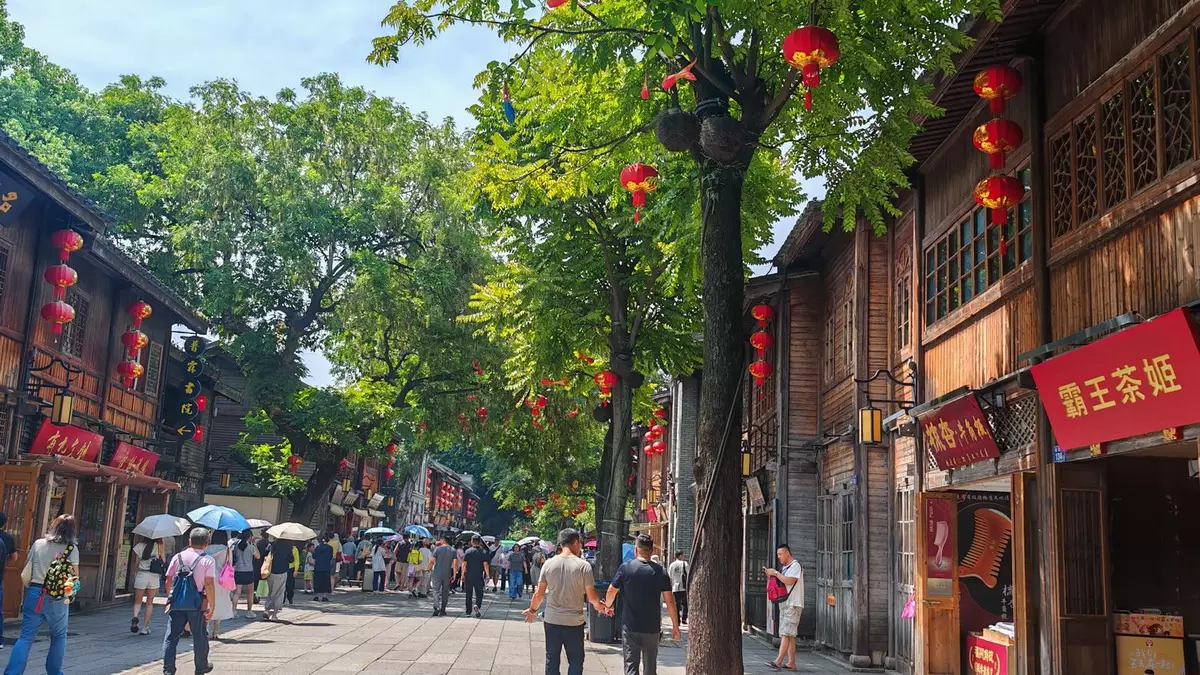
The Sanfang Qixiang Historical and Cultural Block (also known as The Three Lanes and Seven Alleys), Photo by Bastille Post
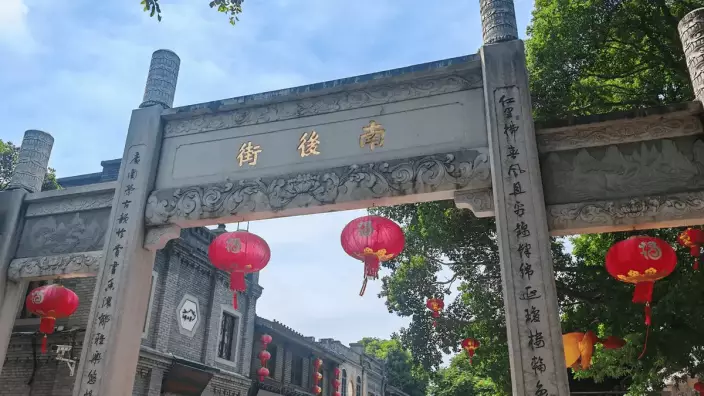
Another representative attraction in Fuzhou, the Sanfang Qixiang Historical and Cultural Block (also known as The Three Lane and Seven Alleys), is a national‑level historical and cultural block, hailed as a “living fossil of the residential ward system.” Composed of three lanes, seven alleys, and a central axis, Nanhou Street, the block preserves over 200 ancient buildings from the Ming and Qing dynasties. It produced a large number of influential figures in modern Chinese history, including Lin Zexu, Yan Fu, Shen Baozhen, Lin Juemin, and Bing Xin, hence the saying, “One Sanfang Qixiang Historical and Cultural Block is half of modern Chinese history.” The block perfectly preserves its Ming and Qing architectural complex, with a well‑organised layout of lanes and alleys, and simple yet elegant residences, revealing the profound cultural heritage of Fuzhou.
Sanfang Qixiang's 'Love Tree," Photo by Bastille Post
Yan Fu's historic residence, Photo by Bastille Post
The delegation visited Yan Fu's historic residence, an old house built in the Qing Dynasty, which was the residence of Yan Fu, a modern Chinese enlightenment thinker, in his later years. Although the house is not large, its layout is rigorous, and the furnishings in the halls are simple, revealing the scholarly spirit of this translator of Evolution and Ethics. Then, the delegation entered the Waterside Performing Stage, a wooden stage built over a pond. This stage, once a place for officials and their families to hold banquets and watch plays, still retains its exquisite elegance.
Yan Fu's historic residence, Photo by Bastille Post
Besides the ancient architecture, the Sanfang Qixiang Historical and Cultural Block also features Yanyuan restaurant, which serves the renowned Tongli Rouyan (also known as Tongli tiny wontons). Founded during the Guangxu period of the Qing Dynasty, Tongli Rouyan has been passed down through five generations and are one of Fuzhou's most renowned time‑honoured brands. Rouyan, also known as “Taiping Yan,” is an indispensable traditional delicacy for Fuzhou people during festivals, weddings, and funerals. Its name, a homophone for “Taiping” (meaning peace and prosperity), embodies the Fuzhou people's good wishes for peace and good fortune.
Tongli Rouyan, Photo by Bastille Post
Chen Junfan, the fourth‑generation inheritor of Fujian's intangible cultural heritage of Rouyan craftsmanship, explained that Tongli Rouyan insists on traditional handmade production, selecting lean pork from the hind leg, repeatedly pounding it to create paper‑thin wonton wrappers, which are then wrapped around a special meat filling. The finished product is crystal clear and has a tender texture. He revealed that he will travel to Hong Kong to participate in this year's HKTDC Food Expo at the Hong Kong Convention and Exhibition Centre, allowing Hong Kong citizens to experience the taste of Fuzhou.
Chen Junfan, Photo by Bastille Post
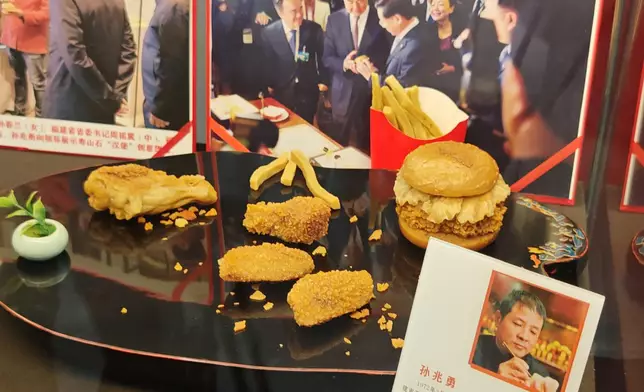
The delegation also observed the Shoushan stone carving technique up close. Shoushan stone is the foremost of China's traditional “Four Great Seal Stones,” produced in Shoushan Township, northern suburbs of Fuzhou. It was included in the first batch of National Representative List of Intangible Cultural Heritage lists in 2006. At the Shoushan Stone Intangible Cultural Heritage Inheritance Base, the delegation saw a “Manchu-Han Imperial Feast”, including sea cucumber, durian, and even a hamburger carved from Shoushan stone.
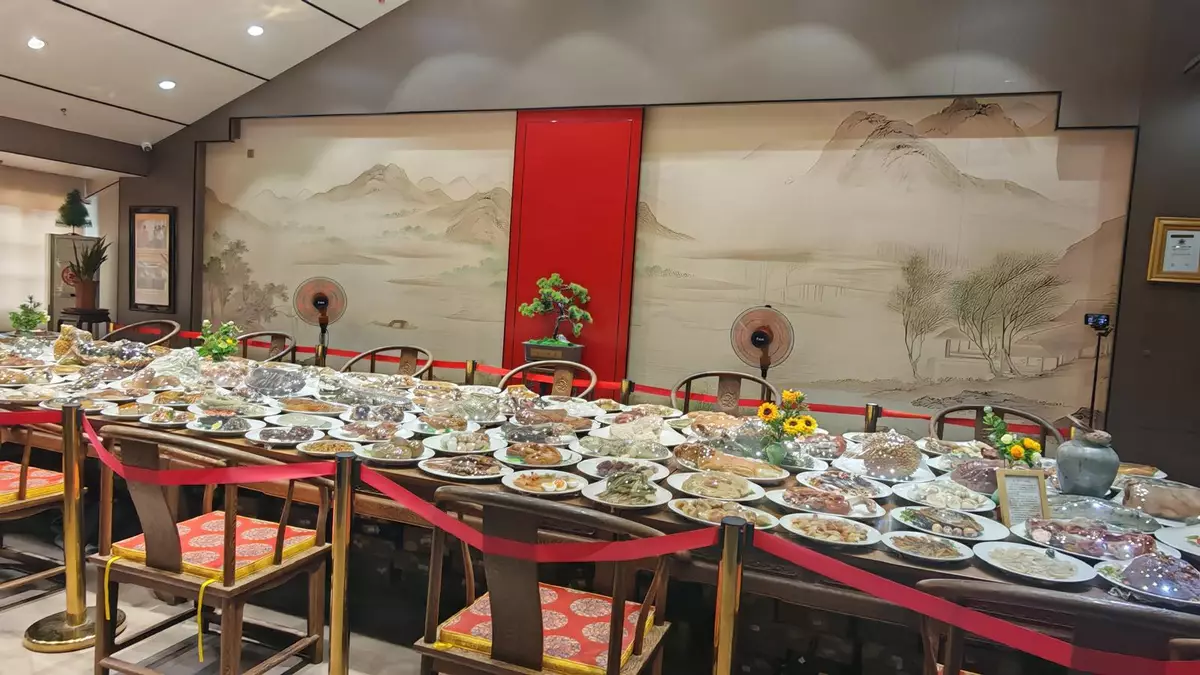
The Manchu-Han Imperial Feast carved from Shoushan stone, Photo by Bastille Post
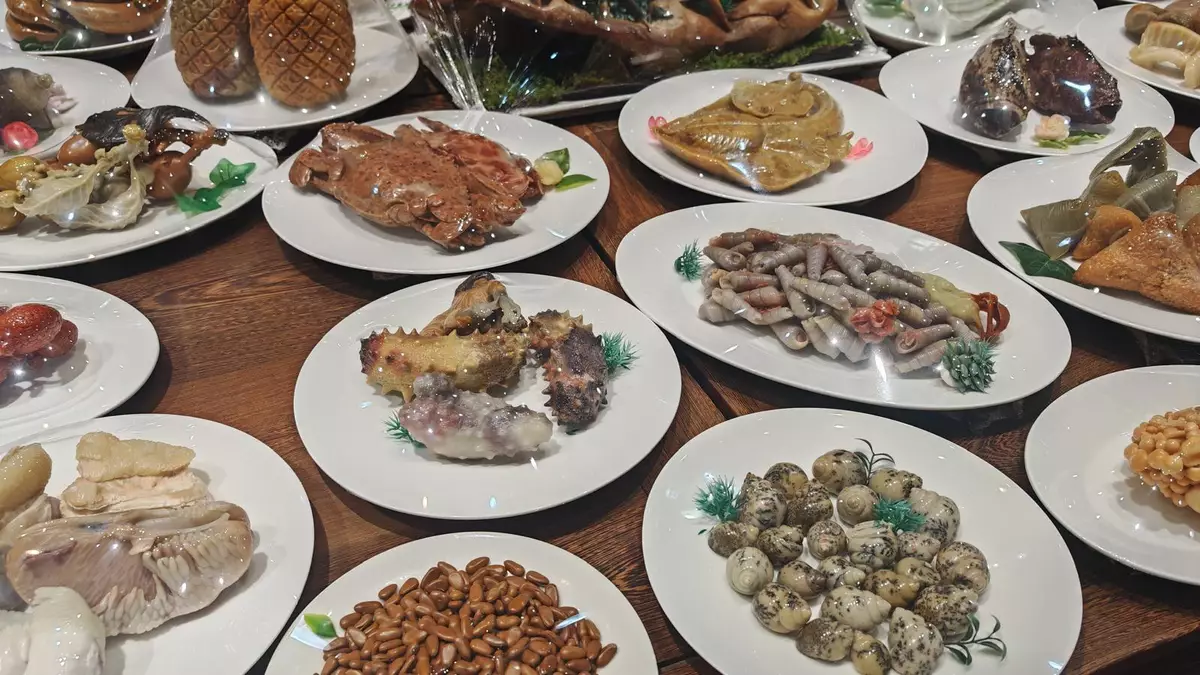
The Manchu-Han Imperial Feast carved from Shoushan stone, Photo by Bastille Post
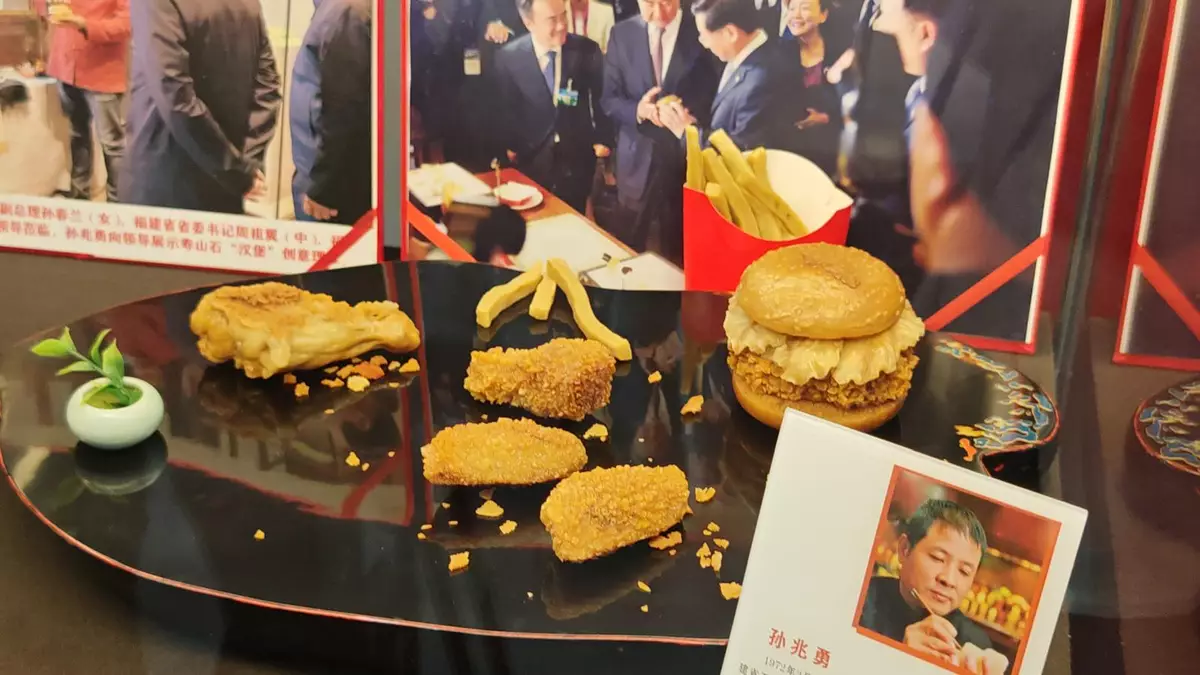
The hamburger carved from Shoushan stone, Photo by Bastille Post
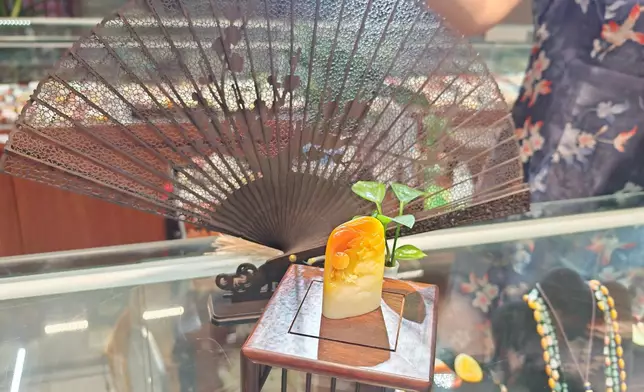
Ye Qin, an inheritor of Shoushan stone carving technique, explained that Shoushan stone has been mined since the Song Dynasty. Due to its soft texture and rich colours, it is particularly suitable for intricate carving, requiring great skill in design from the carver. She pointed out that the Song Dynasty was the most prosperous period for literati, and seals were widely used in calligraphy and painting. Shoushan stone, with its moderate softness, ease of carving, and ability to leave clear impressions, became the preferred material for seals. She emphasised that seals are a unique symbol of China's five‑thousand‑year culture, “This is the symbol of China.”
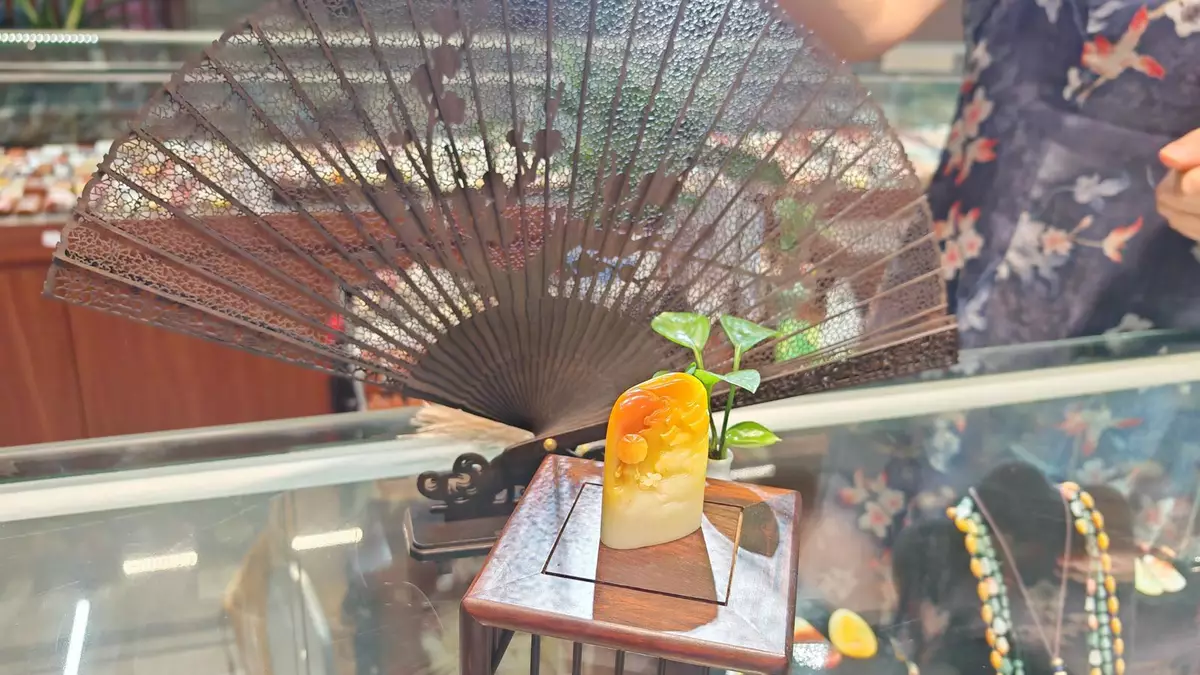
The stone seal, Photo by Bastille Post
Ye Qin further pointed out that Shoushan stone is a non‑renewable resource, with a formation cycle of hundreds of millions of years. With increasingly strict controls, its mining volume will continue to decrease in the future. “If you come to Fuzhou in 5 or 10 years, there may not be any more of this stone for carving, but the carving technique is eternal; only the medium of creation has changed.”
Sun Zhaoyong, another representative inheritor of Shoushan stone carving technique, said he is currently creating the “Fuzhou Fu” series, incorporating Fuzhou cultural symbols such as Wuyi rock tea and jasmine tea into Shoushan stone carvings.
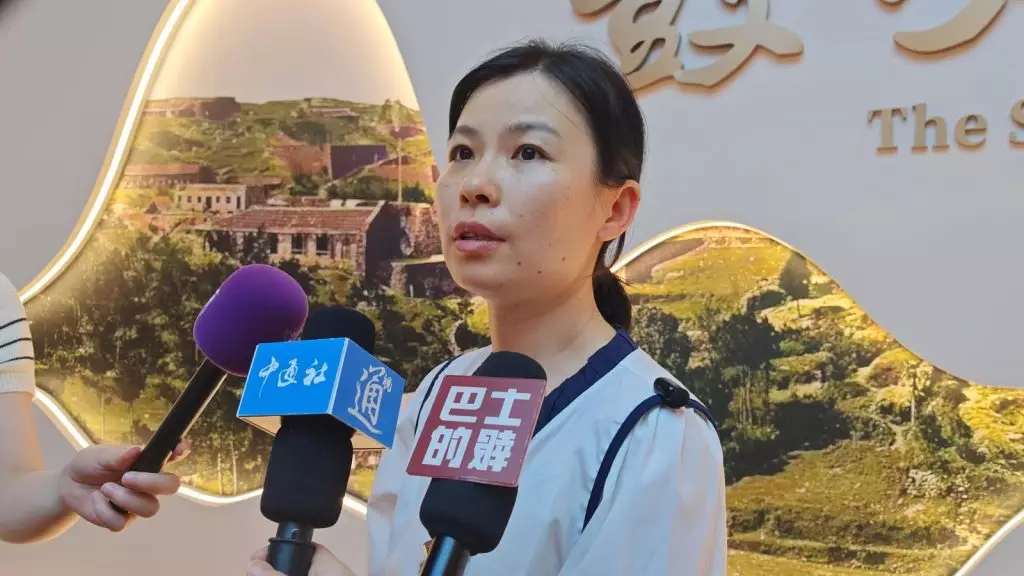
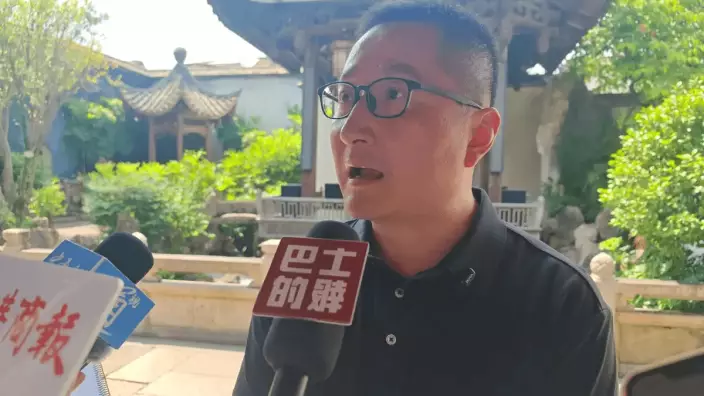
Zhou Wei. Photo by Bastille Post
Zhou Wei, chief engineer of the Sanfang Qixiang Historical and Cultural Block, stated that the block has adhered to the principle of “protection first, rescue first,” actively utilising digital means to empower cultural tourism experiences while repairing and protecting historic buildings. An AR tour project has already been launched, allowing tourists to interact with ancient architecture through their mobile phones, making the old houses “speak and interact,” telling the historic stories of the thousand‑year‑old alleys to the public in a more vivid way.
The ancient structures on site, Photo by Bastille Post
According to Zhou Wei, the Sanfang Qixiang Historical and Cultural Block has established a mature research and study reception system. The block has a Fujian‑Hong Kong Youth Science and Technology Innovation Exchange Base, which regularly receives Hong Kong youth research groups. In 2025, the block officially received 10 groups of Hong Kong tourists, totalling over 200 people. The “Connecting Hearts, Meeting in Youth: Fuzhou & Hong Kong” event held this March attracted 100 Hong Kong youths to the block for study tours, enhancing their understanding of Fujian culture through visits to traditional houses and experiences in intangible cultural heritage.
He also mentioned that Fujian and Hong Kong have reached a cultural tourism cooperation agreement to jointly develop multi‑stop tours, joint promotion of intangible cultural heritage, and study tours of traditional houses for Hong Kong and Macau youth. The Fujian‑Hong Kong Youth Science and Technology Innovation Exchange Base established within the block continues to provide a platform for cultural exchange and entrepreneurial cooperation between young people from both regions.