Government actively prepares for Seasonal Influenza Vaccination Programmes and has successfully completed procurement process for vaccines
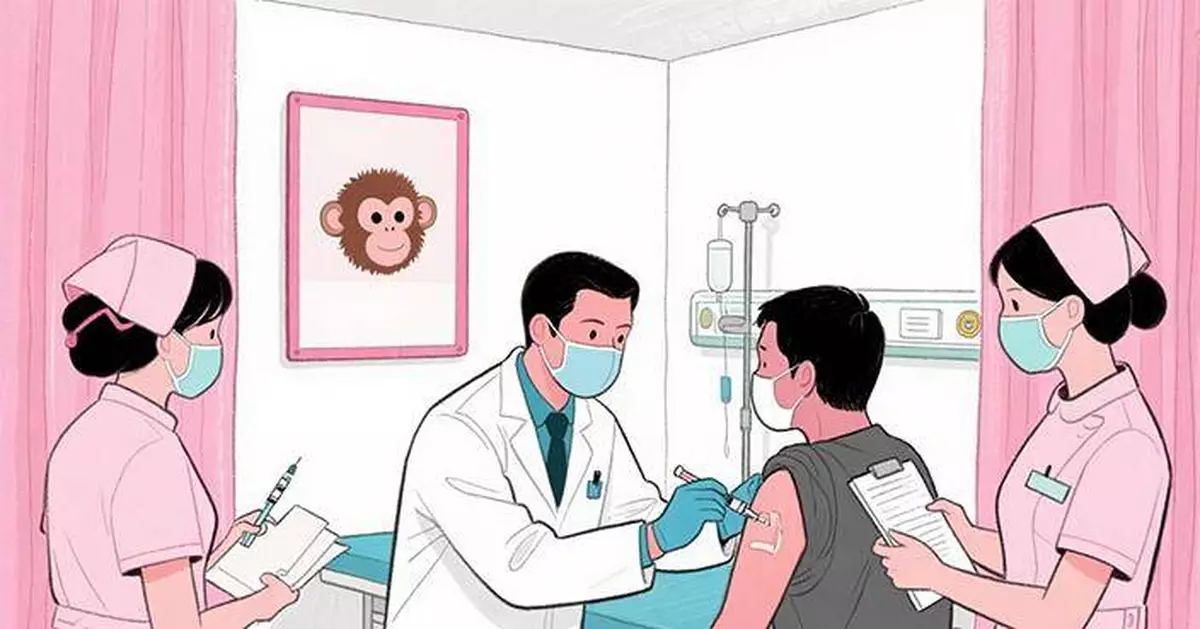
The Department of Health (DH) announced today (August 5) that the Government has completed the procurement process for the 2026/27 Seasonal Influenza Vaccination (SIV) Programmes and is actively preparing various vaccination arrangements.
To enhance the stability of vaccine supplies, the Government has enhanced the procurement procedures this year to introduce different brands and technology platforms of seasonal influenza vaccines that are supplied by different vaccine suppliers. The enhancement aims to diversify supply chain risks, ensure the reliability and sustainability of vaccine supplies, and enhance the flexibility of vaccine use in order to increase the vaccination rate. Meanwhile, to improve the efficiency of logistics management, the Government will continue to adopt the "first-in, first-out" principle to flexibly allocate the delivery of the vaccines according to the delivery schedules of the successful bidders.
All influenza vaccines procured for the SIV Programmes are registered with the Pharmacy and Poisons Board of Hong Kong under the Pharmacy and Poisons Ordinance (Cap. 138), which meet stringent standards regarding safety, efficacy and quality. Manufacturers of pharmaceutical products must comply with the Guide to Good Manufacturing Practice (GMP) for Medicinal Products, as promulgated by the international organisation Pharmaceutical Inspection Co-operation Scheme (PIC/S).
This year, the Government has procured approximately 1.3 million doses of vaccines for the SIV Programmes. Two licensed wholesale dealers of pharmaceutical products were awarded the contracts for the following four types of vaccines. All of them are trivalent seasonal influenza vaccines recommended by the Scientific Committee on Vaccine Preventable Diseases under the Centre for Health Protection of the DH. The influenza vaccines components also align with that as recommended by the World Health Organization for the 2026/27 northern hemisphere influenza season:
| Technical platform | Pharmaceutical company | Name of vaccine | Registration number | Quantity of procurement |
| Injectable inactivated influenza vaccine (IIV) (note) | Sanofi | (i) Vaxigrip Trivalent Influenza Vaccine | HK-68672 | Approximately 660 000 doses |
| Sinovac | (ii) Anflu Influenza Vaccine | HK-68671 | Approximately 530 000 doses | |
| Nasal spray live attenuated influenza vaccine | AstraZeneca | Flumist Trivalent Influenza Intranasal Vaccine | HK-68239 | Approximately 60 000 doses |
| Injectable recombinant influenza vaccine | Sanofi | Flublok Trivalent Influenza Vaccine | HK-68673 | Approximately 60 000 doses |
60 000 doses
Note: Depending on the supply arrangements of the successful bidders, vaccine (i) and vaccine (ii) are expected to arrive in Hong Kong in batches starting in mid-October and late August respectively.
The successful bidders and their bid prices will be published in the Gazette and on relevant websites of the Hong Kong Special Administrative Region Government in accordance with established procedures.
In addition, the Government launched the Pilot Scheme on Vaccine Procurement for Family Doctors (Pilot Scheme) in 2025/26, which received a positive response. With the experience gained from the Pilot Scheme, the Government will continue to implement the Pilot Scheme in the 2026/27 and strengthen the related arrangements, including (1) increasing the number of influenza vaccine doses available for procurement by eligible doctors from 100 000 to 300 000 (including Sanofi's IIV and Sinovac's IIV); (2) expanding the eligibility groups to include doctors who participate in the Vaccination Subsidy Scheme (VSS) and at least one other Government-subsidised primary healthcare programme; and (3) streamlining the overall workflow arrangements and simplifying the process for consenting to participate in the VSS. The above measures will help further enhance the stability of the vaccine supply in the private market and encourage eligible members of the public to receive vaccinations.
Receiving SIV is the most effective means to prevent seasonal influenza and its complications. It also reduces the risks of hospitalisation and mortality. According to previous local data, the winter influenza season typically occurs from January to March or April. It takes two weeks for the body to develop sufficient antibodies for effective protection after receiving the seasonal influenza vaccine. Therefore, members of the public should get vaccinated as early as possible before the winter influenza season arrives. The Government will announce the details of the 2026/27 SIV Programmes (including the SIV School Outreach Programme, Residential Care Home Vaccination Programme and VSS) later.

Source: AI-found images