Skip to Content Facebook Feature Image

Hong Kong's Health Department Seizes Unregistered Pain Relief Medicines, Arrests Man for Violating Pharmacy Regulations.

HK

Hong Kong's Health Department Seizes Unregistered Pain Relief Medicines, Arrests Man for Violating Pharmacy Regulations.
HK

HK

Hong Kong's Health Department Seizes Unregistered Pain Relief Medicines, Arrests Man for Violating Pharmacy Regulations.

2026-08-05 20:25 Last Updated At:20:38

DH cracks down on illegal sale or possession of unregistered medicine

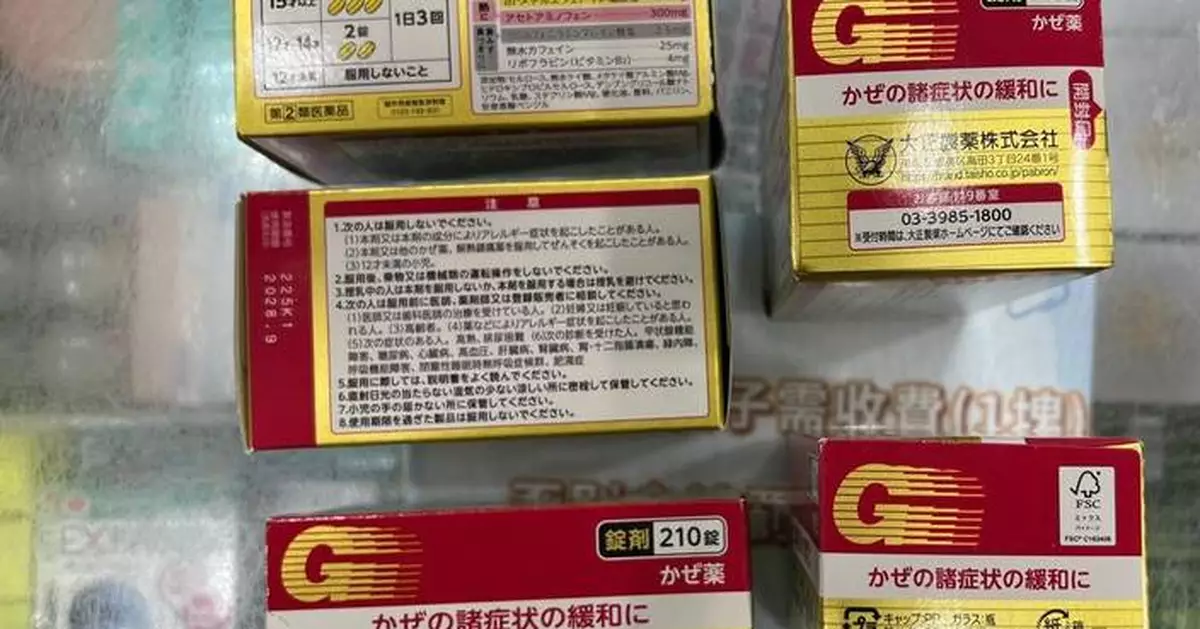
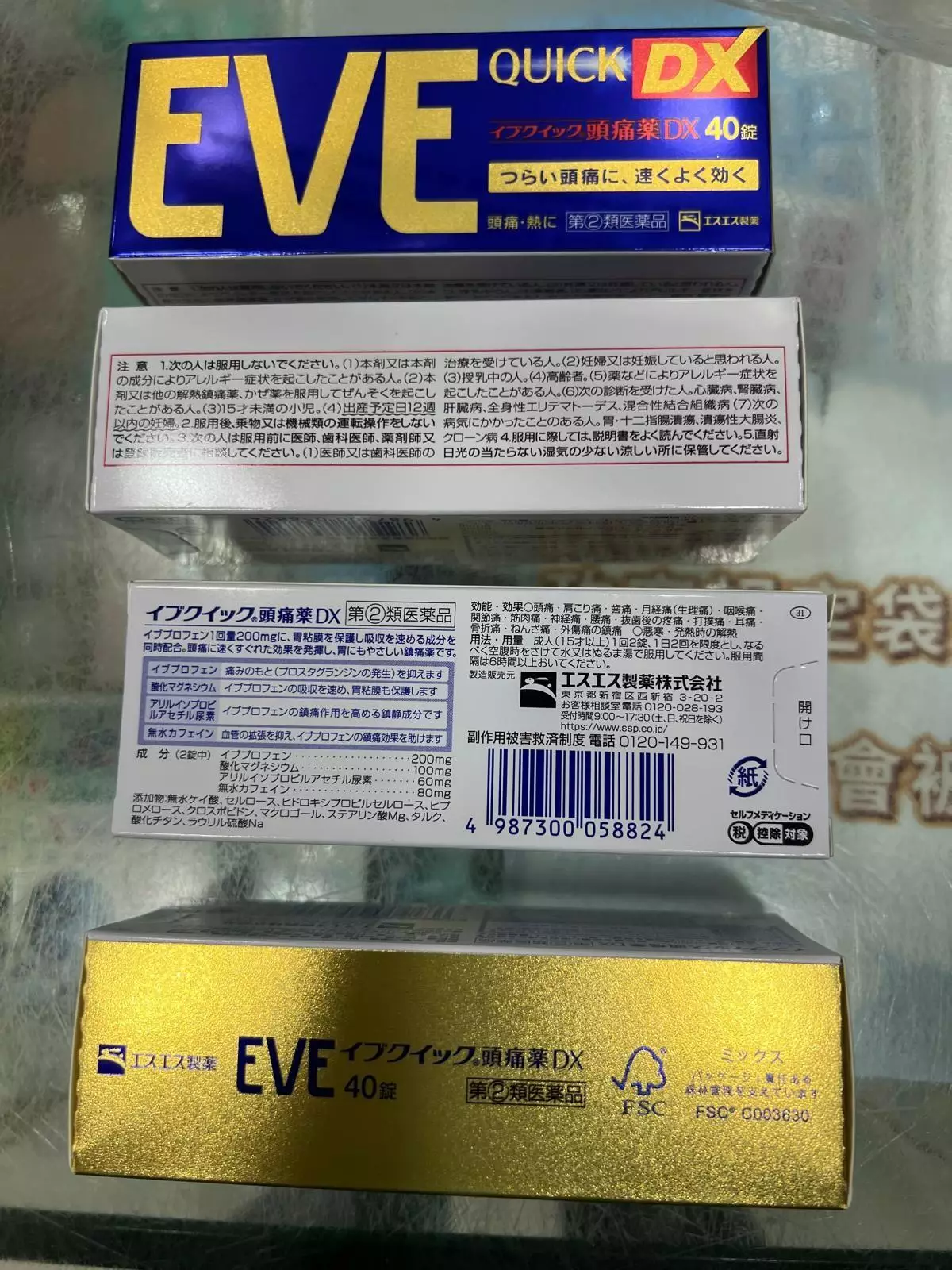
The Department of Health (DH) today (August 5) conducted operations across multiple districts in Hong Kong to crack down on the illegal sale or possession of unregistered medicine, seizing approximately 100 boxes of suspected unregistered medicine claimed to have pain-relieving effects. Most of the products were labelled in Japanese. Additionally, a man was arrested on suspicion of violating the Pharmacy and Poisons Ordinance (Chapter 138) (the Ordinance).

The DH received a report that pain relief medicine classified as Part 1 poisons under the Ordinance were being sold or possessed on the market. However, the products were labelled in Japanese and were suspected of not being registered in Hong Kong. Hence, the DH officers today conducted unannounced inspections in various districts, including Tsim Sha Tsui, Causeway Bay, Sheung Shui and Yuen Long. At an Authorized Seller of Poisons (ASP), commonly known as a pharmacy, a Listed Seller of Poisons (LSP) commonly known as a medicine company and two retail outlets, DH officers seized approximately 100 boxes of suspected unregistered medicine claimed to have pain-relieving effects. Most of the products were labelled in Japanese and did not bear a Hong Kong pharmaceutical product Registration Number. They are suspected to be medicine containing "Ibuprofen" and "dihydrocodeine". A 38-year-old man was arrested by the police on suspicion of contravention of drug-related offences, including, illegal possession of unregistered pharmaceutical products and Part 1 Poisons.

The DH will continue to investigate and follow-up on the case, and will prosecute other individuals involved in the case when sufficient evidence is available.

Ibuprofen is a non-steroidal anti-inflammatory pain killer and its side effects include nausea, gastrointestinal discomfort and peptic ulcers. Dihydrocodeine is an opioid analgesic used as a cough suppressant and for pain relief, and its side effects include nausea, vomiting, constipation and drowsiness. Medicines containing Ibuprofen and dihydrocodeine are Part 1 poisons and should only be supplied by a pharmacy under the supervision of a registered pharmacist or upon the advice of a medical practitioner.

The DH has an established mechanism to monitor the sale of pharmaceutical products in the market (including the Internet). If the DH detects any suspected illegal sale or possession of pharmaceutical products or Part 1 poisons, the DH will promptly investigate, and, if necessary, refer the case to other law enforcement agencies to follow up, or conduct joint operations with other law enforcement agencies, and any irregularities so found will be dealt with in accordance with the law. Illegal sale or possession of unregistered pharmaceutical products or Part 1 poisons are criminal offences under the Ordinance, which upon conviction, are subject to a fine of up to $100,000 and an imprisonment for two years.

According to the Ordinance, all pharmaceutical products must be registered with the Pharmacy and Poisons Board of Hong Kong before they can be legally sold in the market. The DH reminded the public that all registered pharmaceutical products should carry a Hong Kong registration number on the package in the format of "HK-XXXXX". The safety, quality and efficacy of unregistered pharmaceutical products are not guaranteed.

The DH strongly urged members of the public to consult healthcare professionals before consuming any medication. Do not self-purchase or consume products of doubtful composition or from unknown sources as their safety, quality and efficacy are unguaranteed. The DH has prepared some safety information for consumers regarding the purchase and use of medicines, namely Be Cautious when Buying Medicines on Internet, General Knowledge on Registered Medicines, Be Cautious When Buying Medicines Overseas.
DH cracks down on illegal sale or possession of unregistered medicine Source: HKSAR Government Press Releases
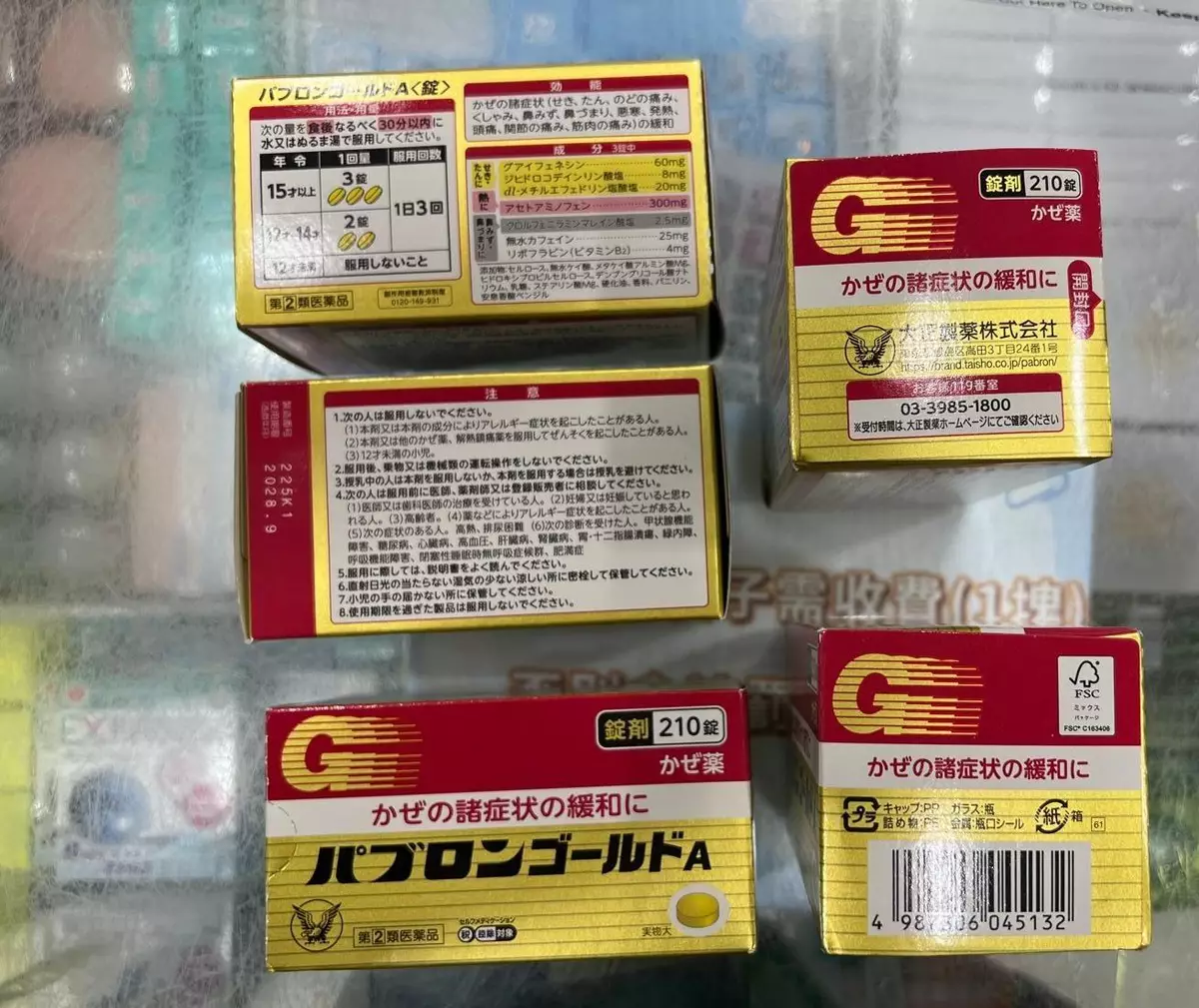
DH cracks down on illegal sale or possession of unregistered medicine Source: HKSAR Government Press Releases

DH cracks down on illegal sale or possession of unregistered medicine Source: HKSAR Government Press Releases
DH cracks down on illegal sale or possession of unregistered medicine Source: HKSAR Government Press Releases

CHP investigates confirmed Mpox case

The Centre for Health Protection (CHP) of the Department of Health (DH) said today (August 5) that it is investigating a confirmed Mpox (also known as Monkeypox) case, and strongly urged high-risk target groups to receive Mpox vaccinations. Meanwhile, the public is advised to be vigilant and avoid close physical contact with individuals suspected of contracting Mpox.

The case involves a 31-year-old male. He developed a rash over his genital area on July 27. He then attended the DH's Male Social Hygiene Clinic on August 3. Since he reported a history of high-risk exposure, healthcare personnel arranged specimen collection from him. Upon laboratory testing by the CHP's Public Health Laboratory Services Branch, his specimen tested positive for the Mpox virus. The CHP has arranged for him to receive isolation treatment at Princess Margaret Hospital. The patient is currently in stable condition.

According to information provided by the patient, he had multiple high-risk exposures with male strangers in Hong Kong during the incubation period. No epidemiological linkages between this case and confirmed Mpox cases earlier recorded in Hong Kong could be identified so far. The CHP is continuing its epidemiological investigation of the case, and will endeavour to contact individuals who had high-risk contact with the patient and report the case to the World Health Organization.

Since 2022, Hong Kong has recorded a total of 94 Mpox cases (75 local cases and 19 imported cases), including the above-mentioned case. All patients were males. Epidemiological investigations revealed that most cases had high-risk sexual behaviour, including having sex with strangers or having sex without wearing condoms.

The Mpox vaccine can prevent infection and severe disease. The DH provides Mpox vaccination services for highrisk groups. The following high-risk target groups are eligible for Mpox vaccinations on a voluntary basis:

  1. individuals with high-risk sexual practices, e.g. having multiple sexual partners, sex workers, or having a history of sexually transmitted infection within the past 12 months;
  2. healthcare workersresponsible forcaring forpatients with confirmed Mpox;
  3. laboratory personnel handling zoonotic pox viruses; and
  4. animal care personnel with high risk of exposure in caseof Mpox occurrences in animals in Hong Kong.

High-risk target groups can receive Mpox walk-in vaccinations at any of the DH's Social Hygiene Service Clinics (SocHS) (namely Chai Wan SocHS, Wan Chai Male SocHS, Wan Chai Female SocHS, Yau Ma Tei Male SocHS, Yau Ma Tei Female SocHS, Yung Fung Shee SocHS, Fanling SocHS and Tuen Mun SocHS) and the DH's Yau Ma Tei Integrated Treatment Centre, without prior appointments.

Meanwhile, the DH's Kowloon Bay Integrated Treatment Centre and the Hospital Authority's Special Medical Clinics at Queen Elizabeth Hospital and Princess Margaret Hospital also provide Mpox vaccination services for their clients.

Mpox is not transmitted through respiratory droplets or aerosols in general, and transmission would not occur through social contact. The CHP reminds the public, especially those at higher risks of exposure, to take precautions and avoid close physical contact with persons or animals suspected of being infected. They should seek medical attention as soon as possible if they experience relevant symptoms, including rash, fever, chills, swollen lymph nodes, exhaustion, muscle pain, and severe headaches. They should not engage in activities with others that may involve contact with skin rash or body fluids.

For more details, please visit the CHP's webpages onMpoxandMpox Vaccination Programme.

Source: AI-found images

Source: AI-found images

Recommended Articles