AFCD steps up patrols and enforcement operations against illegal feeding activities
The Agriculture, Fisheries and Conservation Department (AFCD) has stepped up patrols and enforcement operations at Kam Shan Country Park, Lion Rock Country Park and other locations since August 1, with a focus on combating illegal feeding of monkeys and other wild animals, including illegal feeding by drivers and passengers in vehicles. Between August 1 and 4, AFCD officers issued fixed penalty notices of $5,000 each to two persons found illegally feeding monkeys near their vehicles.
A spokesman for the AFCD said, "Human feeding of monkeys and other wild animals causes their populations to grow excessively, resulting in ecological imbalance and potentially increasing the risk of disease transmission. Human feeding also alters the natural behaviour of wild animals. Through frequent contact with humans, some monkeys have lost their natural fear of humans and may become aggressive, proactively snatching plastic bags or food from people and causing injury. In addition, some animals are attracted by the food and congregate near residential areas, causing various nuisance problems. The food remnants left by feeders and animal droppings also foul public places and pose public health problems."
The newly amended Wild Animals Protection Ordinance (Cap. 170) came into effect on August 1, 2024. The maximum penalty for illegal feeding of wild animals and feral pigeons has been increased to a fine of $100,000 and imprisonment for one year, and a fixed penalty of $5,000 has been introduced.
From August 1, 2024 to August 4, 2026, the AFCD issued a total of 81 fixed penalty notices for illegal feeding of monkeys. Separately, 12 cases were prosecuted by summons, 10 of which resulted in convictions, with fines ranging from $2,500 to $10,500, while the remaining two cases are awaiting trial. About 40 per cent of the aforementioned fixed penalty and summons cases involved drivers, passengers or individuals illegally feeding monkeys near their vehicles.
The AFCD has installed AI CCTV systems at two car parks in Kam Shan Country Park. These systems can effectively identify illegal feeding activities, thereby assisting the AFCD in arranging enforcement actions. From the trial operation of the AI CCTV systems from early 2024 to August 4, 2026, there have been 13 successful prosecution cases, with two other cases still under investigation.
Furthermore, the AFCD will continue to strengthen collaboration with various stakeholders to carry out diverse publicity and education activities, disseminating the latest information to the public of different age groups, including details about the feeding ban and associated penalties, as well as the negative impacts of feeding wild animals and feral pigeons. The AFCD has launched a series of campaigns themed "All for No Feeding", including advertising and short video broadcasts on various platforms, sharing educational information via social media, setting up educational booths, displaying banners at feeding blackspots, and sending staff to schools, elderly centres and housing estates to organise talks and workshops.
The public may report any suspected illegal feeding activities by calling 1823.

Source: AI-found images
DH cracks down on illegal sale or possession of unregistered medicine
The Department of Health (DH) today (August 5) conducted operations across multiple districts in Hong Kong to crack down on the illegal sale or possession of unregistered medicine, seizing approximately 100 boxes of suspected unregistered medicine claimed to have pain-relieving effects. Most of the products were labelled in Japanese. Additionally, a man was arrested on suspicion of violating the Pharmacy and Poisons Ordinance (Chapter 138) (the Ordinance).
The DH received a report that pain relief medicine classified as Part 1 poisons under the Ordinance were being sold or possessed on the market. However, the products were labelled in Japanese and were suspected of not being registered in Hong Kong. Hence, the DH officers today conducted unannounced inspections in various districts, including Tsim Sha Tsui, Causeway Bay, Sheung Shui and Yuen Long. At an Authorized Seller of Poisons (ASP), commonly known as a pharmacy, a Listed Seller of Poisons (LSP) commonly known as a medicine company and two retail outlets, DH officers seized approximately 100 boxes of suspected unregistered medicine claimed to have pain-relieving effects. Most of the products were labelled in Japanese and did not bear a Hong Kong pharmaceutical product Registration Number. They are suspected to be medicine containing "Ibuprofen" and "dihydrocodeine". A 38-year-old man was arrested by the police on suspicion of contravention of drug-related offences, including, illegal possession of unregistered pharmaceutical products and Part 1 Poisons.
The DH will continue to investigate and follow-up on the case, and will prosecute other individuals involved in the case when sufficient evidence is available.
Ibuprofen is a non-steroidal anti-inflammatory pain killer and its side effects include nausea, gastrointestinal discomfort and peptic ulcers. Dihydrocodeine is an opioid analgesic used as a cough suppressant and for pain relief, and its side effects include nausea, vomiting, constipation and drowsiness. Medicines containing Ibuprofen and dihydrocodeine are Part 1 poisons and should only be supplied by a pharmacy under the supervision of a registered pharmacist or upon the advice of a medical practitioner.
The DH has an established mechanism to monitor the sale of pharmaceutical products in the market (including the Internet). If the DH detects any suspected illegal sale or possession of pharmaceutical products or Part 1 poisons, the DH will promptly investigate, and, if necessary, refer the case to other law enforcement agencies to follow up, or conduct joint operations with other law enforcement agencies, and any irregularities so found will be dealt with in accordance with the law. Illegal sale or possession of unregistered pharmaceutical products or Part 1 poisons are criminal offences under the Ordinance, which upon conviction, are subject to a fine of up to $100,000 and an imprisonment for two years.
According to the Ordinance, all pharmaceutical products must be registered with the Pharmacy and Poisons Board of Hong Kong before they can be legally sold in the market. The DH reminded the public that all registered pharmaceutical products should carry a Hong Kong registration number on the package in the format of "HK-XXXXX". The safety, quality and efficacy of unregistered pharmaceutical products are not guaranteed.
The DH strongly urged members of the public to consult healthcare professionals before consuming any medication. Do not self-purchase or consume products of doubtful composition or from unknown sources as their safety, quality and efficacy are unguaranteed. The DH has prepared some safety information for consumers regarding the purchase and use of medicines, namely Be Cautious when Buying Medicines on Internet, General Knowledge on Registered Medicines, Be Cautious When Buying Medicines Overseas.
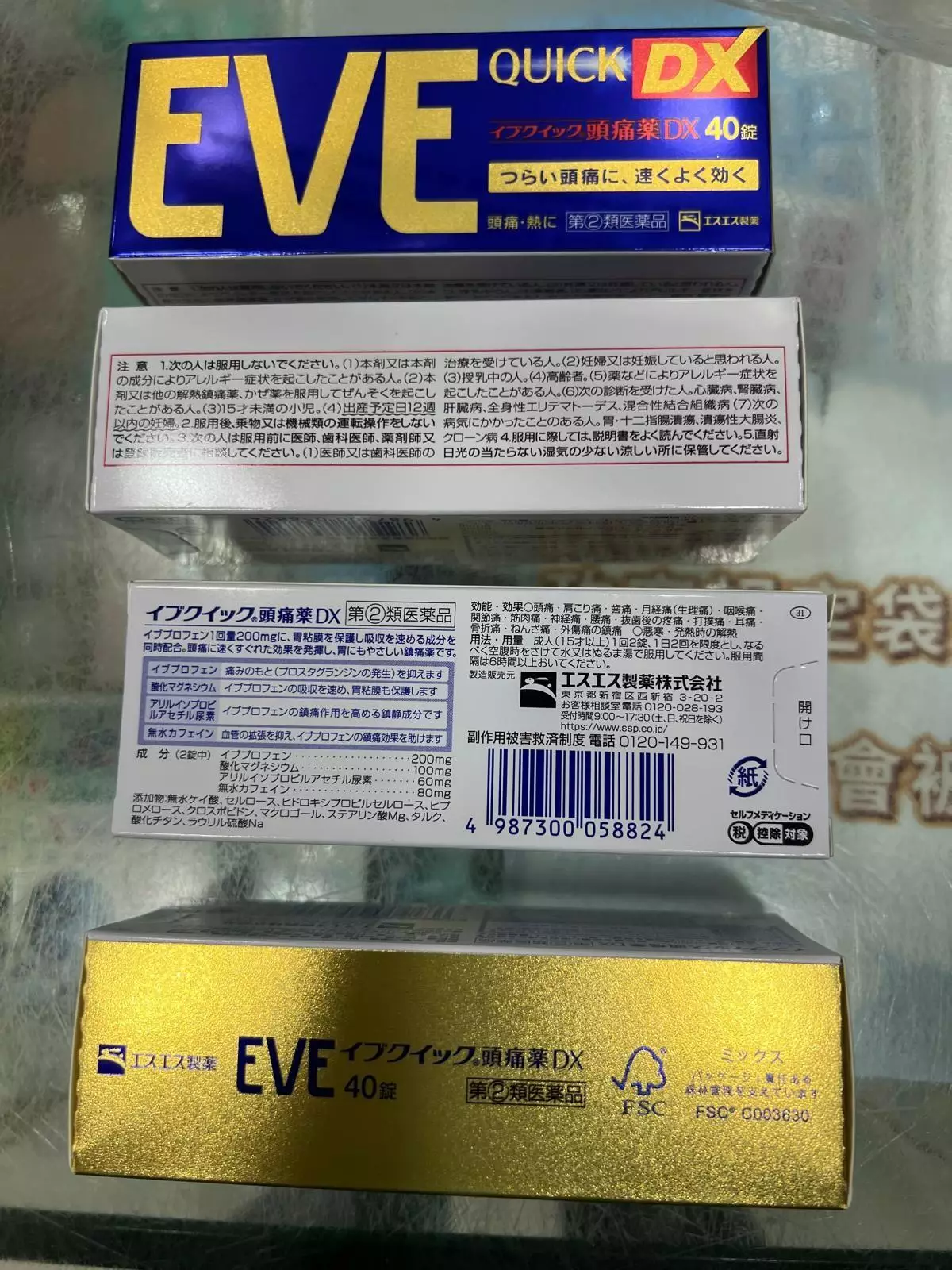
DH cracks down on illegal sale or possession of unregistered medicine Source: HKSAR Government Press Releases
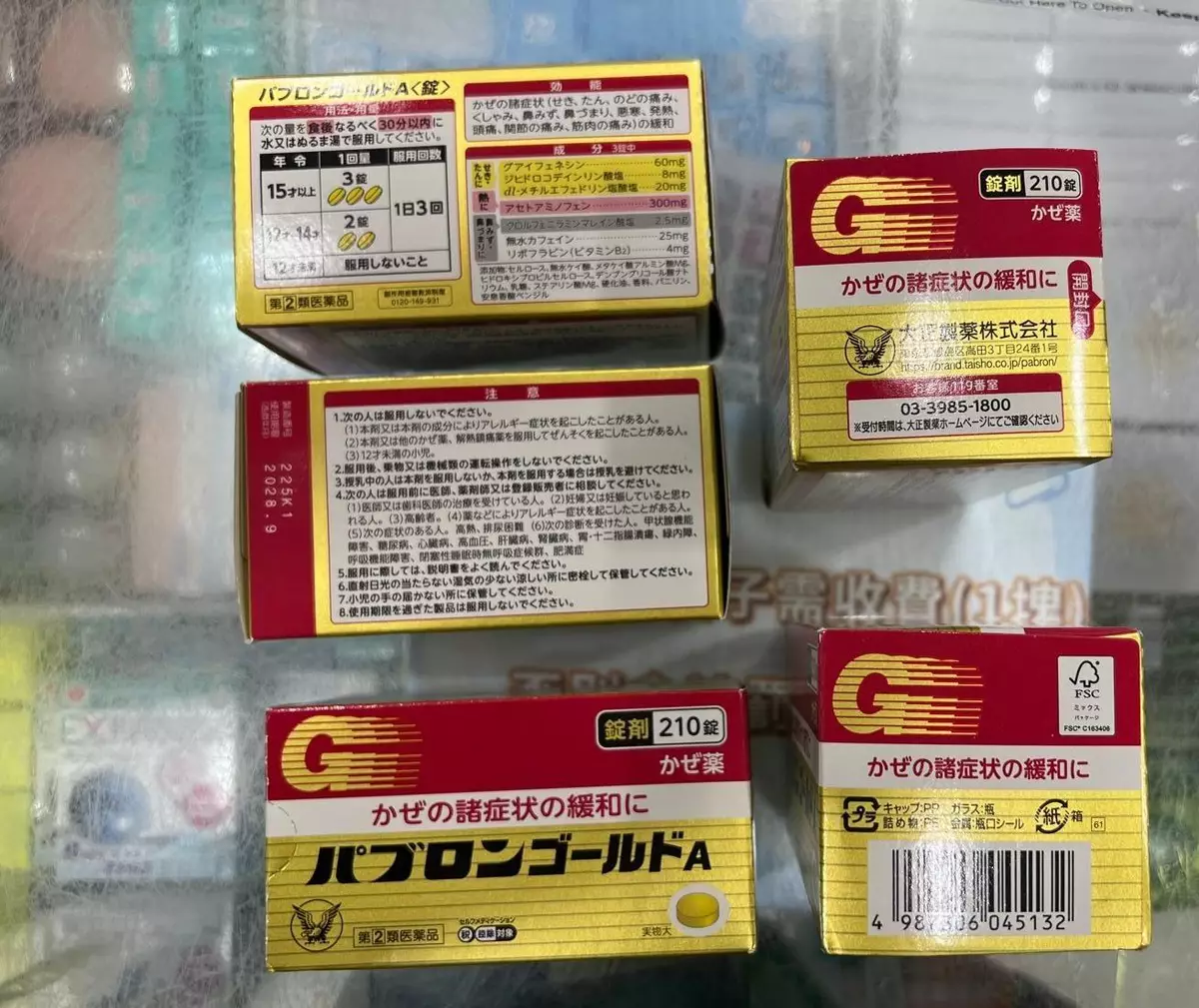
DH cracks down on illegal sale or possession of unregistered medicine Source: HKSAR Government Press Releases