Fresh beef sample found to contain sulphur dioxide
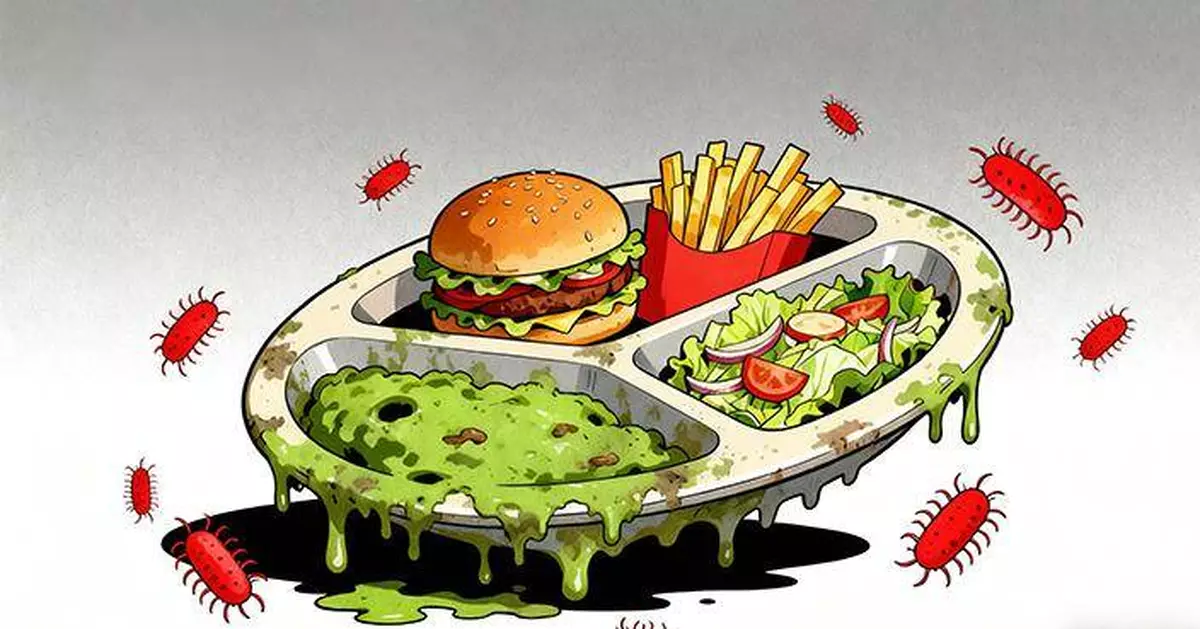
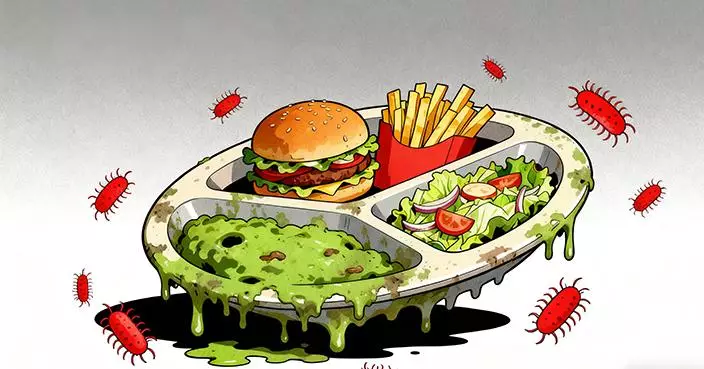
The Centre for Food Safety (CFS) of the Food and Environmental Hygiene Department announced today (August 5) that a fresh beef sample was found to contain sulphur dioxide, a preservative which is not permitted to be used in fresh meat. The CFS is following up on the incident.
A spokesman for the CFS said, "The CFS, under its routine Food Surveillance Programme, took the fresh beef sample from a market stall in Tai Kiu Market, Yuen Long, for testing. The test result showed that the sample contained sulphur dioxide at a level of 785 parts per million. The CFS is following up with the market stall concerned about the irregularity."
According to the Preservatives in Food Regulation (Cap. 132BD) (the Regulation), it is an offence to add sulphur dioxide to fresh or chilled meat. The maximum penalty is a $50,000 fine and six months' imprisonment.
Sulphur dioxide is a preservative which can be used in a variety of foods including dried vegetables, dried fruits, pickled vegetables and salted fish products, but under the Regulation it is not permitted in fresh or chilled meat. Individual meat traders have been found illegally using sulphur dioxide to make meat look fresher. Sulphur dioxide is water-soluble, and most of it can be removed through washing and cooking. However, susceptible individuals who are allergic to this preservative may experience breathing difficulties, headaches and nausea after consumption.
The spokesman reminded the food trade to comply with the law and not to sell fresh or chilled meat adulterated with sulphur dioxide. Members of the public should purchase meat from reliable market stalls or fresh provision shops. They should avoid buying or consuming meat which is unnaturally red, and maintain a balanced diet to avoid malnutrition or excessive exposure to chemicals from a small range of food items.
The CFS will continue to follow up on the incident and take appropriate action. The investigation is ongoing.
Source: AI-found images
DH cracks down on illegal sale or possession of unregistered medicine
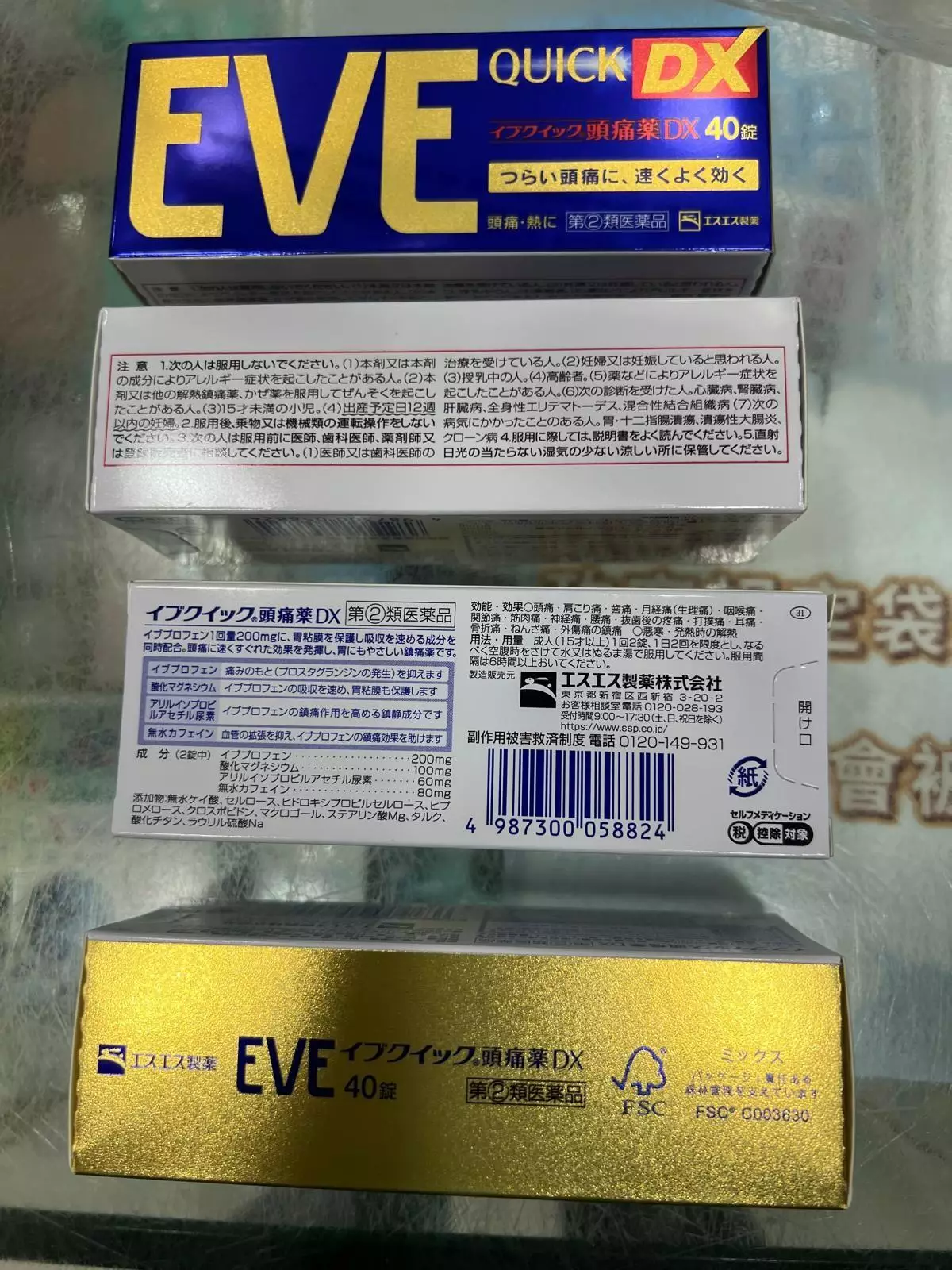
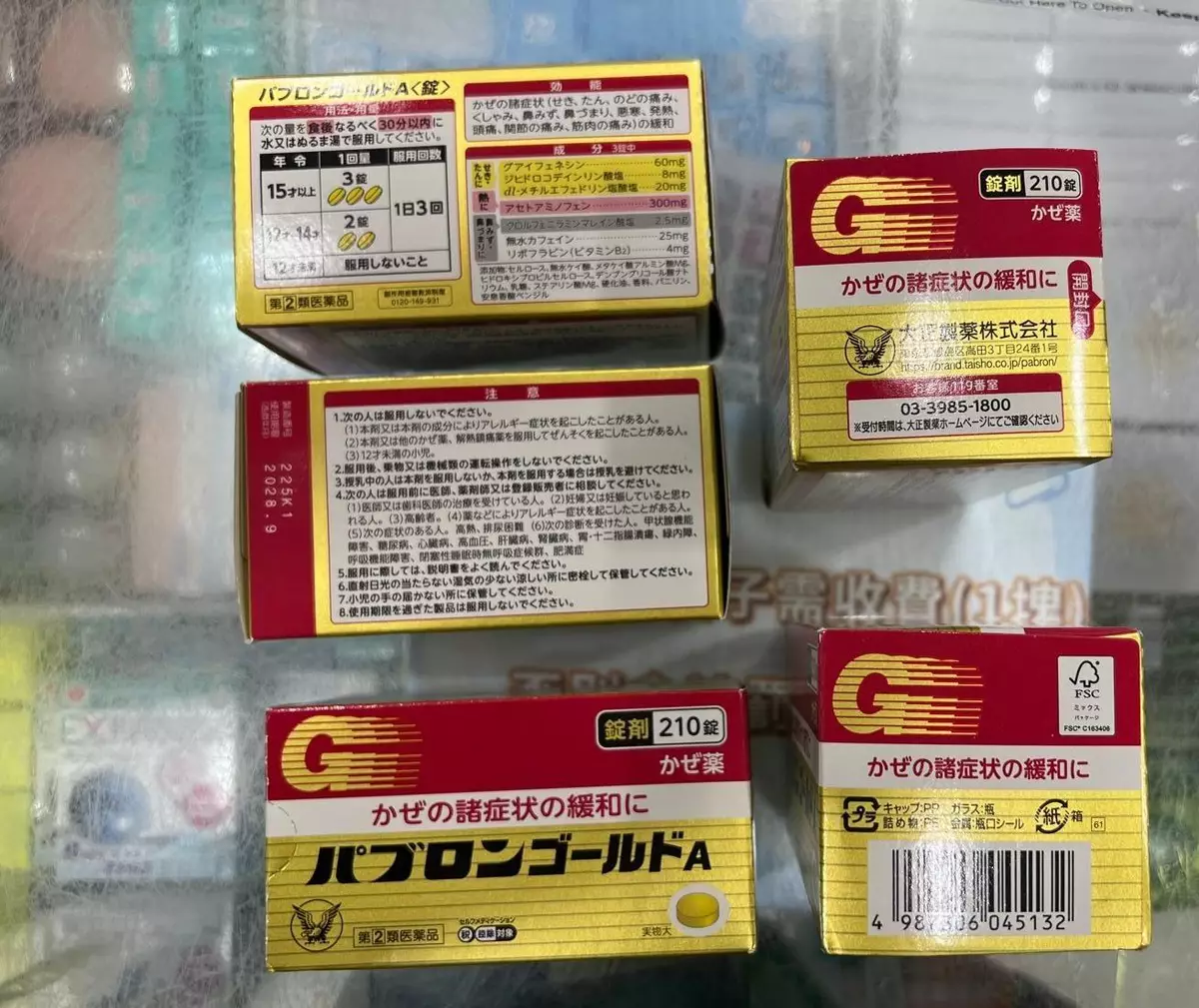
The Department of Health (DH) today (August 5) conducted operations across multiple districts in Hong Kong to crack down on the illegal sale or possession of unregistered medicine, seizing approximately 100 boxes of suspected unregistered medicine claimed to have pain-relieving effects. Most of the products were labelled in Japanese. Additionally, a man was arrested on suspicion of violating the Pharmacy and Poisons Ordinance (Chapter 138) (the Ordinance).
The DH received a report that pain relief medicine classified as Part 1 poisons under the Ordinance were being sold or possessed on the market. However, the products were labelled in Japanese and were suspected of not being registered in Hong Kong. Hence, the DH officers today conducted unannounced inspections in various districts, including Tsim Sha Tsui, Causeway Bay, Sheung Shui and Yuen Long. At an Authorized Seller of Poisons (ASP), commonly known as a pharmacy, a Listed Seller of Poisons (LSP) commonly known as a medicine company and two retail outlets, DH officers seized approximately 100 boxes of suspected unregistered medicine claimed to have pain-relieving effects. Most of the products were labelled in Japanese and did not bear a Hong Kong pharmaceutical product Registration Number. They are suspected to be medicine containing "Ibuprofen" and "dihydrocodeine". A 38-year-old man was arrested by the police on suspicion of contravention of drug-related offences, including, illegal possession of unregistered pharmaceutical products and Part 1 Poisons.
The DH will continue to investigate and follow-up on the case, and will prosecute other individuals involved in the case when sufficient evidence is available.
Ibuprofen is a non-steroidal anti-inflammatory pain killer and its side effects include nausea, gastrointestinal discomfort and peptic ulcers. Dihydrocodeine is an opioid analgesic used as a cough suppressant and for pain relief, and its side effects include nausea, vomiting, constipation and drowsiness. Medicines containing Ibuprofen and dihydrocodeine are Part 1 poisons and should only be supplied by a pharmacy under the supervision of a registered pharmacist or upon the advice of a medical practitioner.
The DH has an established mechanism to monitor the sale of pharmaceutical products in the market (including the Internet). If the DH detects any suspected illegal sale or possession of pharmaceutical products or Part 1 poisons, the DH will promptly investigate, and, if necessary, refer the case to other law enforcement agencies to follow up, or conduct joint operations with other law enforcement agencies, and any irregularities so found will be dealt with in accordance with the law. Illegal sale or possession of unregistered pharmaceutical products or Part 1 poisons are criminal offences under the Ordinance, which upon conviction, are subject to a fine of up to $100,000 and an imprisonment for two years.
According to the Ordinance, all pharmaceutical products must be registered with the Pharmacy and Poisons Board of Hong Kong before they can be legally sold in the market. The DH reminded the public that all registered pharmaceutical products should carry a Hong Kong registration number on the package in the format of "HK-XXXXX". The safety, quality and efficacy of unregistered pharmaceutical products are not guaranteed.
The DH strongly urged members of the public to consult healthcare professionals before consuming any medication. Do not self-purchase or consume products of doubtful composition or from unknown sources as their safety, quality and efficacy are unguaranteed. The DH has prepared some safety information for consumers regarding the purchase and use of medicines, namely Be Cautious when Buying Medicines on Internet, General Knowledge on Registered Medicines, Be Cautious When Buying Medicines Overseas.
DH cracks down on illegal sale or possession of unregistered medicine Source: HKSAR Government Press Releases
DH cracks down on illegal sale or possession of unregistered medicine Source: HKSAR Government Press Releases