Shenzhen's Huaqiangbei, one of the world's largest electronics markets, is attracting visitors and buyers from around the world in search of the latest in cameras, smartphones and AI-powered gadgets.
Visiting Huaqiangbei in south China's Guangdong Province allows buyers to experience cutting-edge technology firsthand, especially products such as smart glasses with real-time translation.
"This is a major electronics hub in the world. As you know, you can find whatever you want. I bought [VR] glasses, smart glasses. There is so [much] stuff here, so it's amazing," said a buyer from Brazil.
"I'm on business here. I want to check what you have in new products and bring it to my country," said a shopper from Jordan.
While the innovative products themselves are the major draw, updated trade policies are also helping drive the market's popularity.
On July 14, 2026, the European Commission adopted a delegated act adding six new product categories, including smart glasses and other wearable devices, to the list of exemptions from the EU's portable battery removal and replacement requirements.
The new exemptions relieve manufacturers of the need to substantially redesign products for battery removability, thereby reducing both production and sales costs.
"Our sales have already surpassed the total for all of last year in just the first half of this year, and overseas markets now account for about 60 percent of our business. Since the new policy was introduced, our European clients have been the most responsive -- they have started placing more customized orders for battery-integrated designs," said Zhong Xianguang, a supplier in Huaqiangbei.
Sales of AI-powered plush toys offering emotional companionship have also risen significantly this summer. Plush toys that can recognize faces, remember interactions, and act playfully have become popular among overseas children.
"During the summer, we see about a 30-percent increase of number of child visitors. Our best-selling product this summer is AI Meow, which supports 67 languages and can be exported to over 200 countries. It's only been on the market for just about 10 days, yet daily orders have been ranging from a few hundred to as many as 20,000 units," said another supplier in Huaqiangbei.
According to data released by an official from Huqiangbei Subdistrict, the area has recorded an average of nearly 8,000 foreign business visitors per day since the start of 2026.
Between January and July, sales of AI products in Huqiangbei increased by over 55 percent across all categories, with AI glasses sales seeing a 100-percent surge and sales of drones and robots rising by 60 to 70 percent.
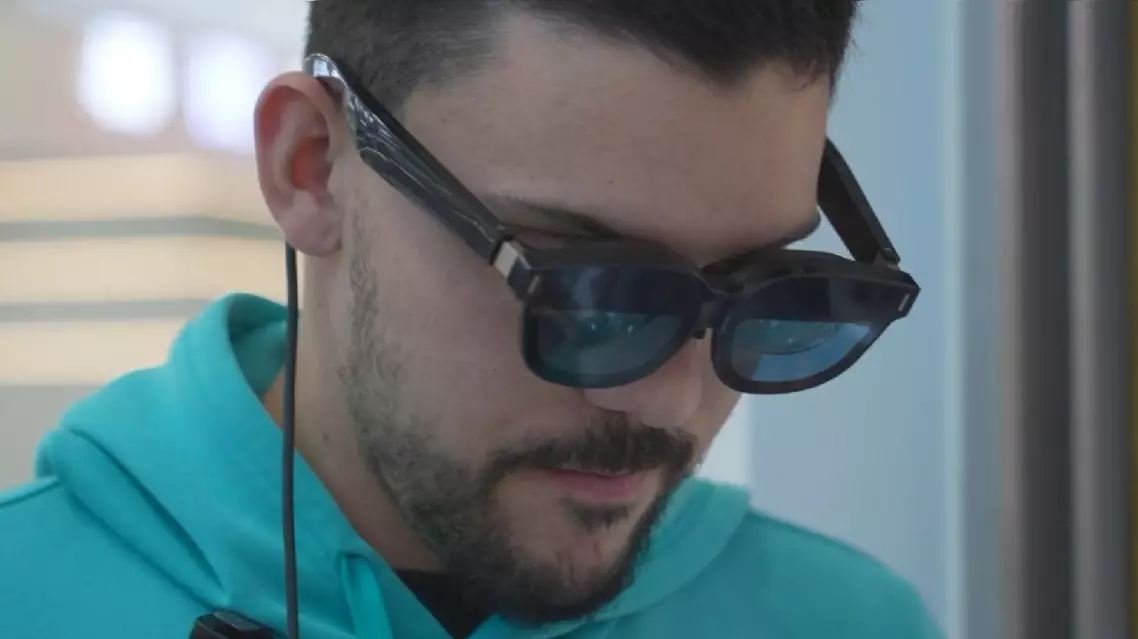
AI-powered consumer product craze brings buyers to China's biggest electronics market