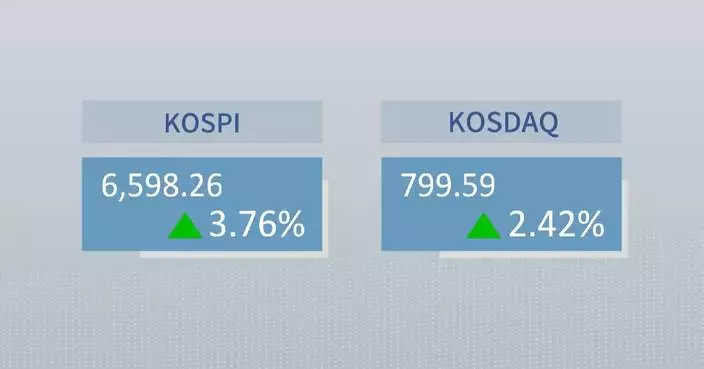
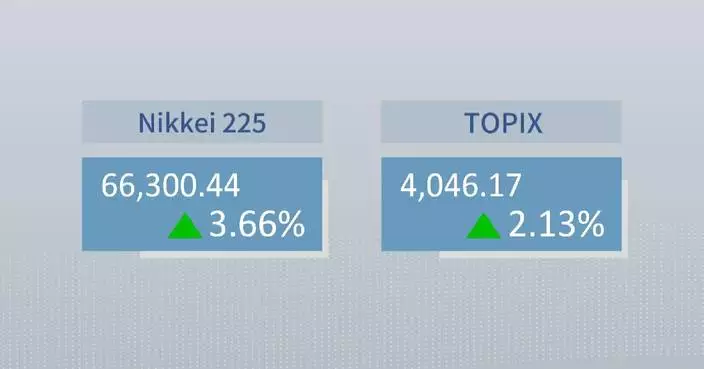
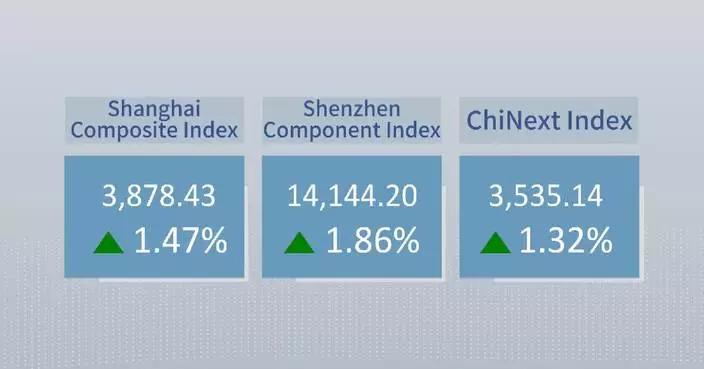
China's services sector continued to grow in July, with the pace of expansion noticeably slowed down from the June figure.
The private survey RatingDog China General Services Purchasing Managers' Index (PMI) dropped sharply from 54.1 in June to 50.4 in July, marking the lowest reading since September 2024.
Although the overall growth momentum is moderating, the services sector's near-term outlook is being buoyed by several positive factors, including employment expansion, resilient new export business, and continued easing of input cost pressures.
Experts said the pace of recovery of the services sector depends on the strength of domestic demand and the evolution of business confidence.
Meanwhile, the composite output index dropped from 53.6 in June to 50.8, marking the lowest growth rate in nearly a year.
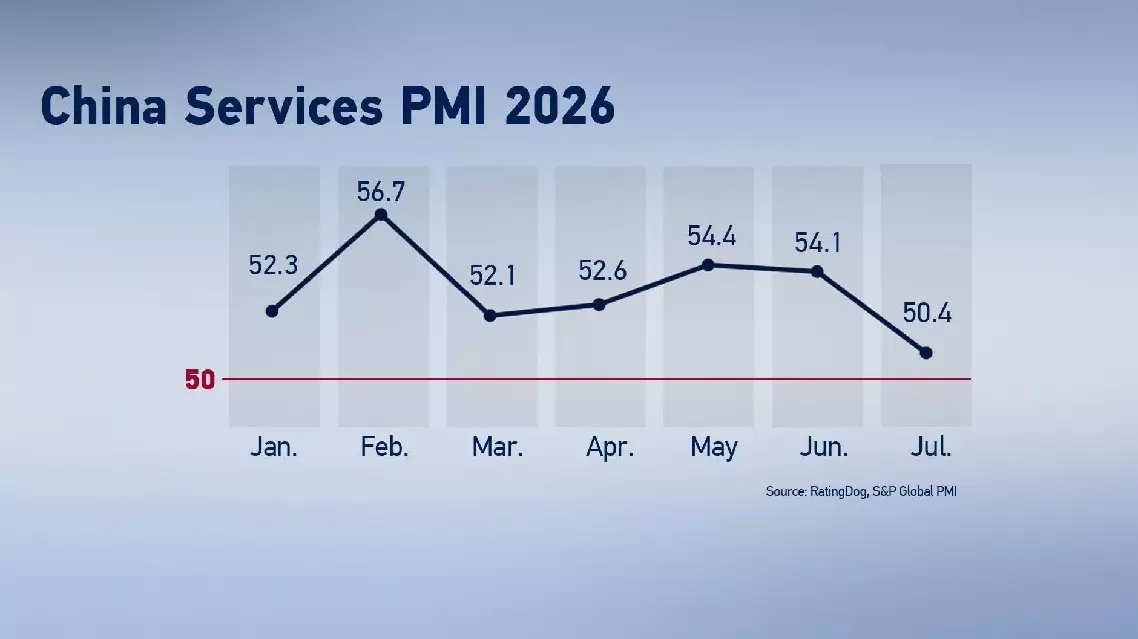
Expansion pace of China's service sector slows down in July
A space network consisting of 1,000 satellites is expected to be completed in 2032 by China.
This is one of the key steps in the "Three-Body Computing Constellation" project launched by Zhejiang Lab, aiming to send AI into space to achieve in-orbit data processing.
In the space computing domain, Zhejiang Lab, a research institution based in Hangzhou, east China's Zhejiang Province, and focused on frontier technology, represents a formidable force.
Wang Jian, director of Zhejiang Lab, explained in an interview with China Media Group (CMG) why the target was set at 1,000 satellites.
"First, you need to ensure sufficient computing power. Second, interconnectivity is crucial. Without a certain density among satellites, fault tolerance will be very poor. It's similar to cloud computing. If you have 10,000 machines, it wouldn't matter if two or three break down," said Wang.
According to Wang, the 1,000 satellites could form a tight network, which will significantly improve the using effect.
"The logic is simple: satellites are usable in principle, but they can't be used when they're not overhead when you need them. So what does a constellation of 1,000 satellites mean? It means that if the orbits are well designed, we can guarantee that anywhere on Earth, there will always be a satellite overhead within three minutes -- thus solving the problem of timeliness," Wang explained.

China to launch 1,000 satellites by 2032 for space network