Abelardo de la Espriella was sworn in as Colombia's new president on Friday in the southwestern city of Cali, officially beginning his four-year term in office.
It marked the first presidential inauguration in Colombia's modern history to be held outside the capital, Bogota.
The ceremony took place at the Arena USC of Santiago de Cali University. Spain's King Felipe VI, Argentine President Javier Milei, Ecuadorian President Daniel Noboa, Chilean President Jose Antonio Kast, along with leaders and senior government officials from a number of countries and representatives of international organizations, attended the event.
On June 24, Colombia's National Electoral Council officially confirmed De la Espriella's victory following the final vote count. The independent candidate representing the far-right political movement Defenders of the Homeland won the presidential election by a narrow margin and will remain in office until August 2030.
The 48-year-old lawyer advocates a hardline approach to restoring public security and substantial cuts in public spending.
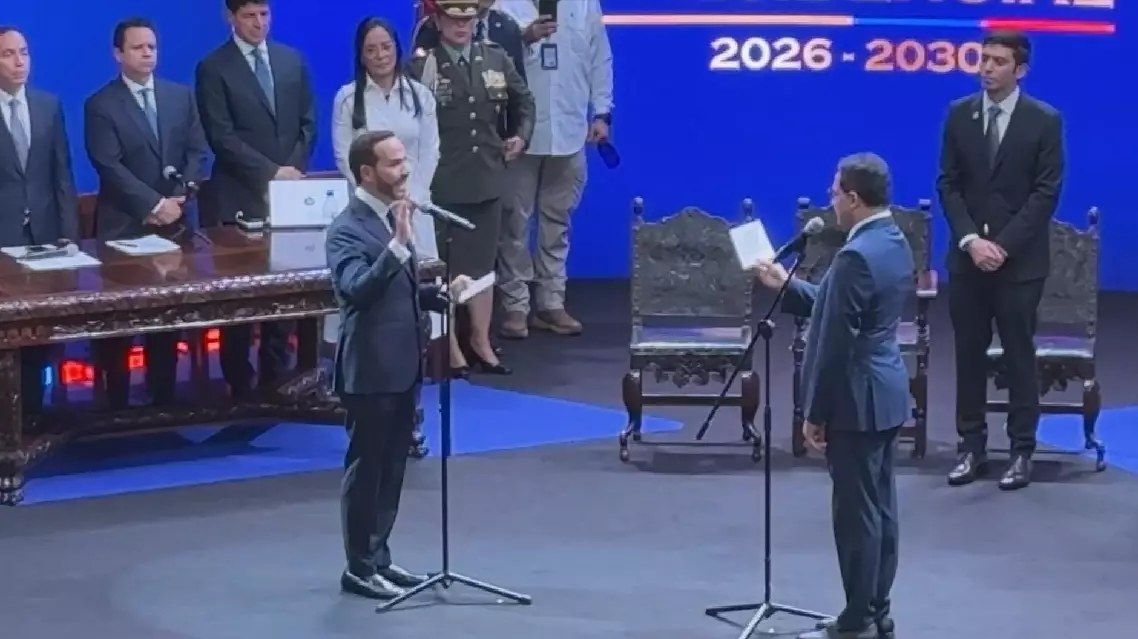
De la Espriella sworn in as Colombia's new president
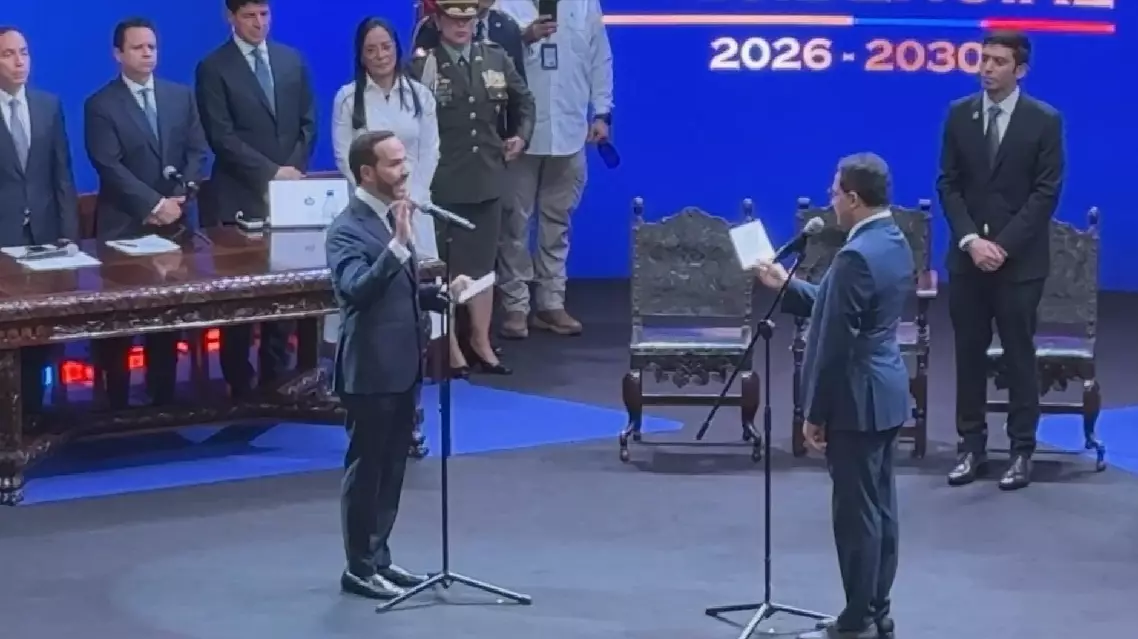
De la Espriella sworn in as Colombia's new president
Military clashes have escalated in western Yemen, with reports of intense fighting between Houthi forces and so‑called Saudi‑backed "mercenaries" in Al‑Hawk district in the northern part of Hodeidah province, Iran's Tasnim News Agency reported on Saturday.
UN Special Envoy for Yemen Hans Grundberg on Friday warned of a growing risk of renewed large-scale conflict in Yemen amid escalating attacks by the Houthi group against Saudi tankers and Yemeni government forces.
In a statement, Grundberg pointed to the latest attacks by the Houthis in the provinces of Marib and Hadramout, which reportedly caused significant casualties, including civilians, as well as "attacks on commercial shipping" in the Red Sea and the Gulf of Aden.
He expressed concern over strikes on civilian infrastructure including airports, and the broader escalation of regional tensions.
Taken together, these developments risk jeopardizing gains from the 2022 truce, Grundberg said, warning that they could draw Yemen into "a broader regional confrontation."
Grundberg noted he had held intensive discussions in recent weeks with Yemeni parties, regional actors and international partners to explore options for de-escalation.
He called on all parties to exercise "maximum restraint," halt actions that could trigger military retaliation and engage in good-faith negotiations under UN auspices.
Yemen has been mired in conflicts since late 2014, when the Houthis seized much of northern Yemen, including the capital Sanaa, prompting a Saudi-led coalition to intervene in 2015 in support of the internationally recognized Yemeni government.
A UN-brokered truce that took effect in April 2022 expired in October that year without a formal extension, though a fragile de facto ceasefire has largely held since then.
The Houthi group announced a maritime ban on Saudi shipping in July, citing what it called a Saudi blockade against Houthi-controlled areas, a claim that Riyadh has firmly rejected.
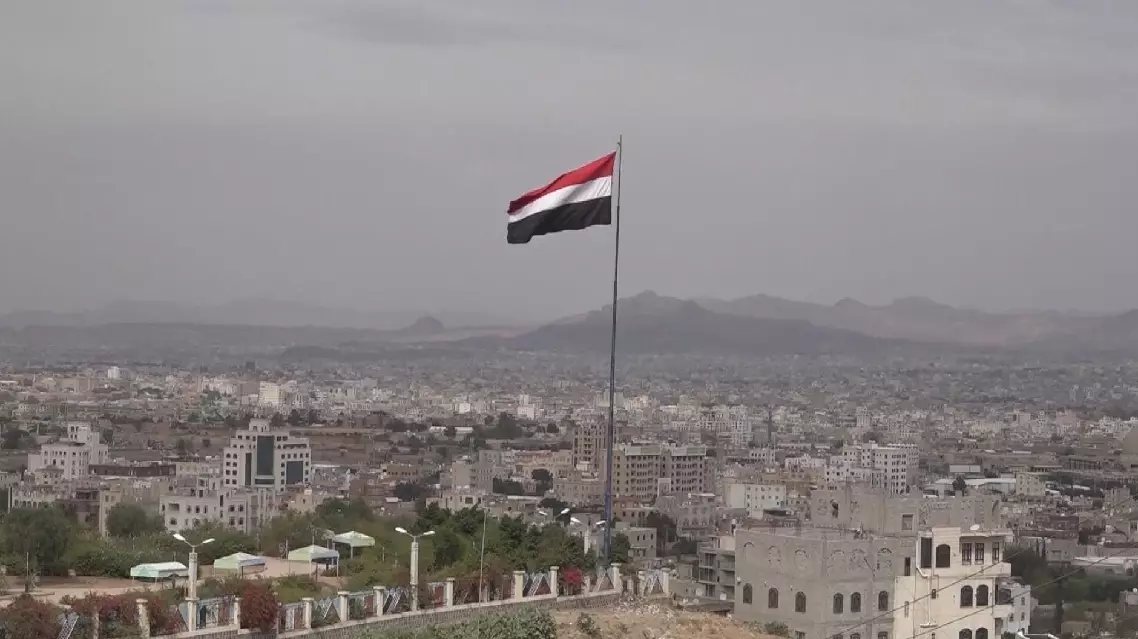
Military clashes escalate in western Yemen: report