As the world gears up for the end-of-year UN climate summit, the COP31 in Antalya, Türkiye, the UN top climate official said the multilateral process under the Paris Agreement remains intact, even without the world’s largest economy at the table.
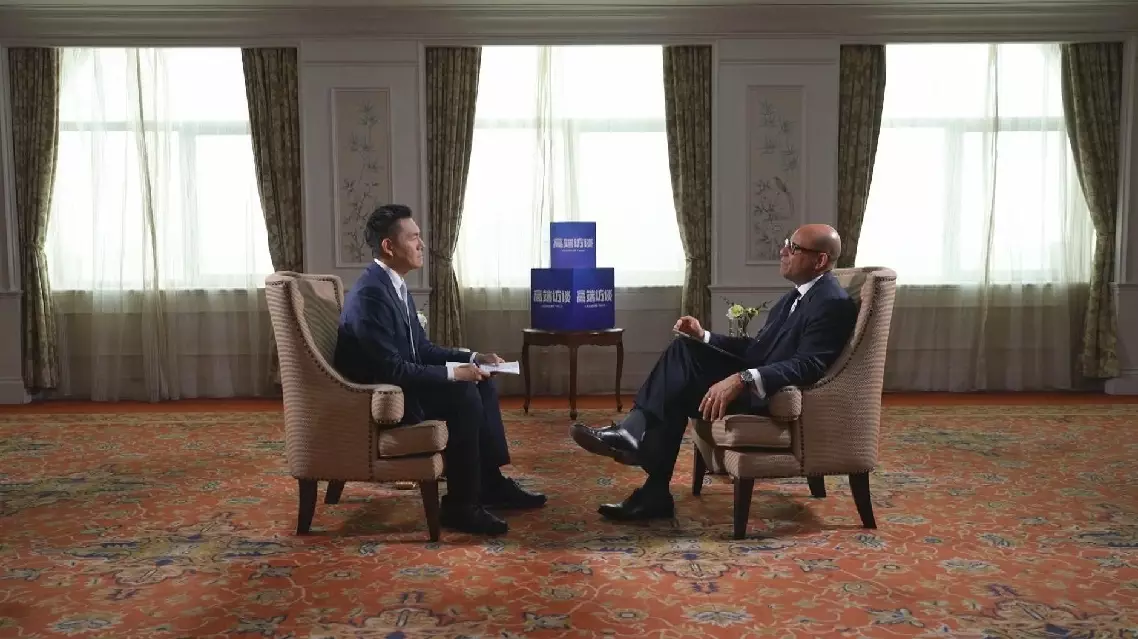
"Clearly having the world's largest economy not part of the process is highly unhelpful at this time, but what we have seen in the past and I hope we will see in the future as they have left, they will return at some point. But in the meantime, the other 194 countries that are part of the Paris Agreement clearly stating their commitment to the Paris Agreement," said Simon Stiell, executive secretary of the United Nations Framework Convention on Climate Change (UNFCCC), in an interview with China Global Television Network in Beijing, which was aired on Friday.
Stiell framed the global energy shift not as a burden, but as an economic opening, and pointed to this year’s COP agenda as a platform to display real, on-the-ground transitions, with China squarely in focus.
"This global transition is a significant economic opportunity and this year, one of the key features of our climate meeting at the end of the year, will be on the action agenda and again picking up real examples of action that's been taking place here on the ground, and in China how that is reflected in the action agenda, I think would be a very, very interesting outcome for this year's COP," he said.
The COP31 is the 31st UN Climate Change Conference and will be held in Antalya in November 2026.
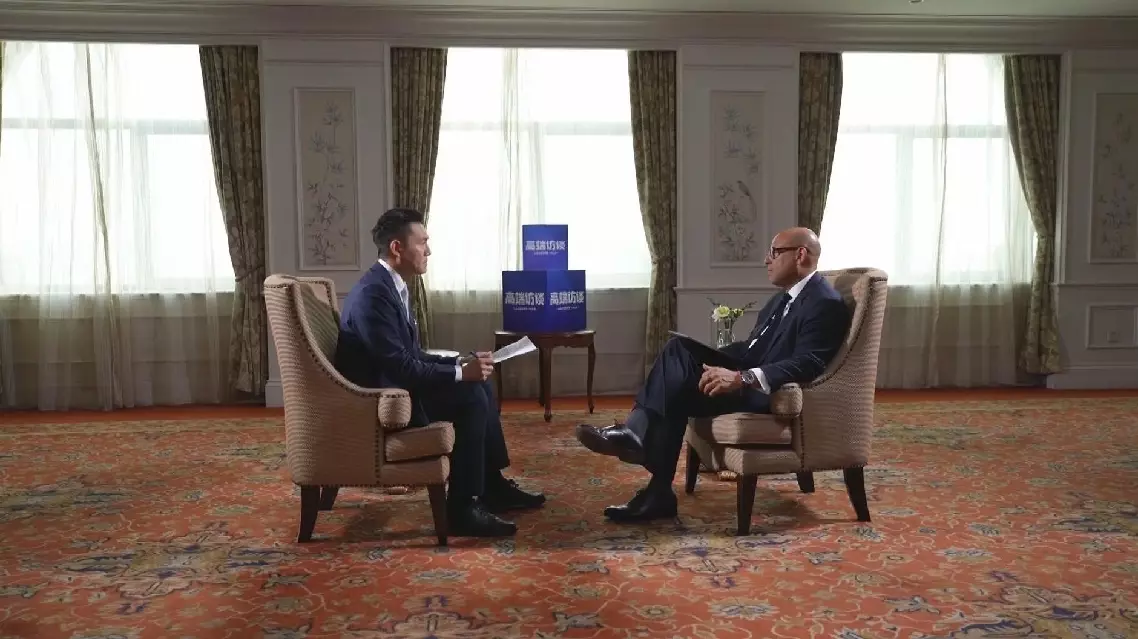
UN climate official on Paris Agreement
A United Nations official highlighted China's role in upholding climate multilateralism, including providing support to countries in the Global South and in advancing key decision-making process.
UN Climate Change Executive Secretary Simon Stiell gave the view in an interview with China Media Group (CMG) in Beijing, which was aired on Friday.
Stiell has been advocating for the urgency of taking climate action and building strong climate multilateralism to tackle climate change against global turmoil.
He praised China's determination in taking climate actions within the country and in promoting climate cooperation globally.
"Within this multilateral process, countries are able to step forward, find areas of agreement so that we can move forward. It is how we now transition to this new era, from the negotiations to implementation. I think the key message is that the leadership that China has shown, the contributions it has made [and] continues to make, in terms of driving technological advancement, in terms of what it's doing domestically, its role in terms of providing support for other developing countries within the Global South. The leadership that it has shown, it is shown there, is how that can be brought forward for other countries to step up, and to, within this multilateral environment, push forward other key decisions that need to be made within the process," he said.
According to data, China has signed dozens of climate cooperation agreements with developing countries and organized more than 300 capacity building programs, training over 10,000 climate specialists.
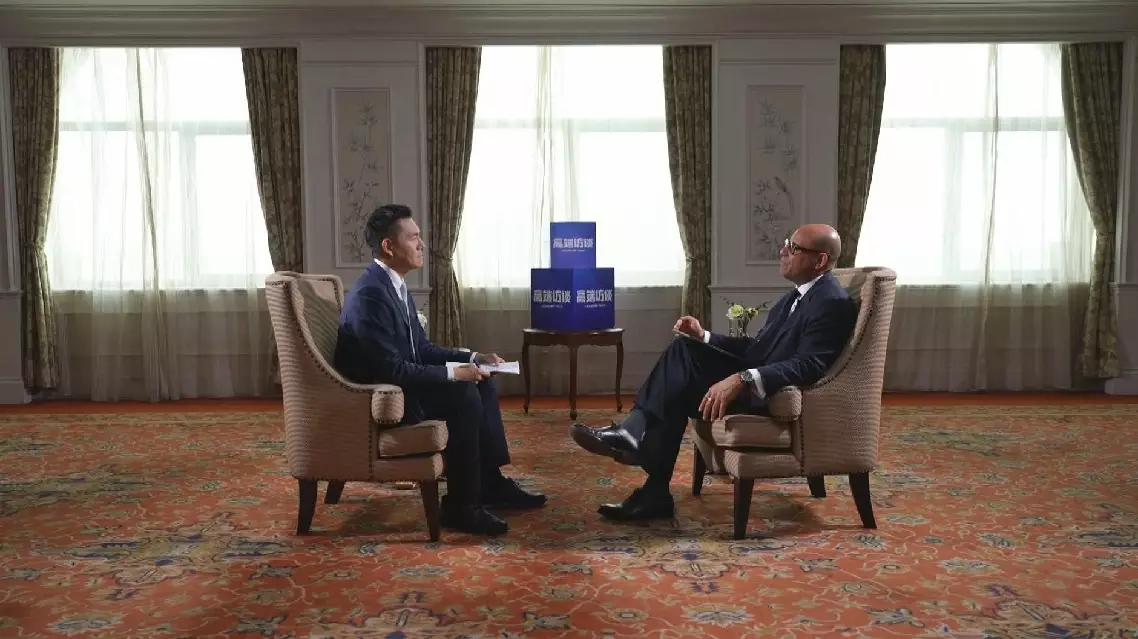
UN official highlights China's role in building climate multilateralism
UN official highlights China's role in building climate multilateralism