China on Friday called on the international community to increase support for education in Sudan, where the armed conflict has left nearly eight million children out of school and severely damaged educational infrastructure.
The UN Security Council held a meeting on Friday focusing on education in Sudan. Sun Lei, charge d'affaires of China's Permanent Mission to the United Nations, said the armed conflict had forced nearly eight million children out of school, with many schools reduced to ruins and the development of an entire generation cruelly disrupted.
Acts that harm children should be seriously held accountable in accordance with the law and must never be tolerated or condoned, Sun said.
"The international community should increase input in Sudan's education for restoring damaged school buildings, training more teachers, guaranteeing the supply of teaching materials, and using information technology to enrich educational resources and teaching methods, so that more students can have access to learning," the Chinese envoy said.
He also called on all parties to the conflict to cease hostilities and fighting as soon as possible and return to the track of a political settlement at an early date.
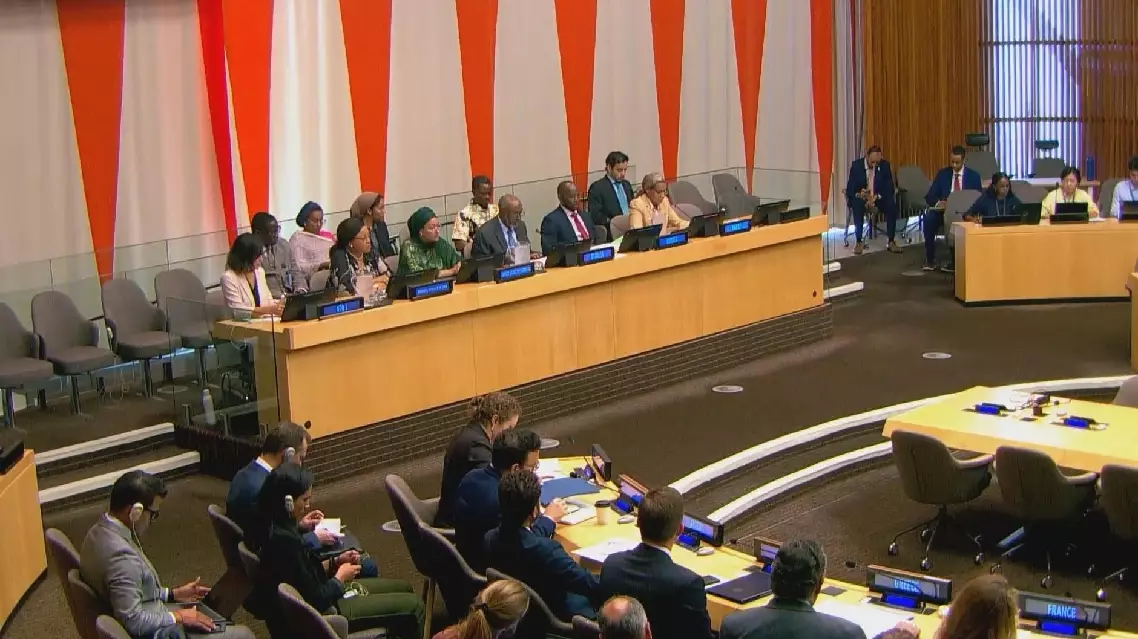
China calls for greater int'l support for education in Sudan
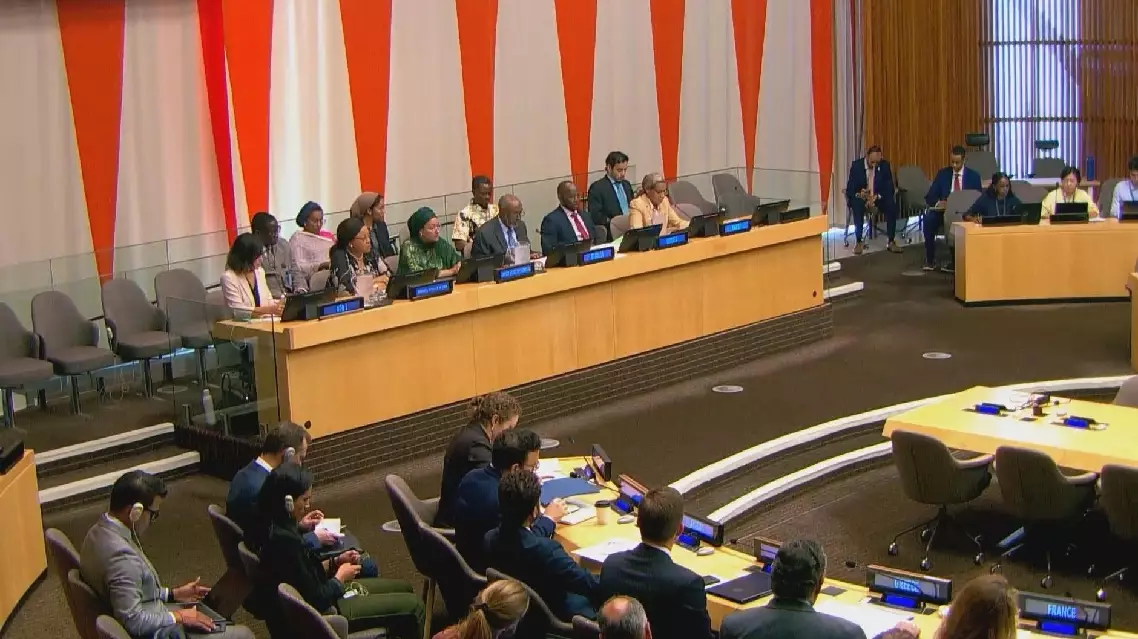
China calls for greater int'l support for education in Sudan
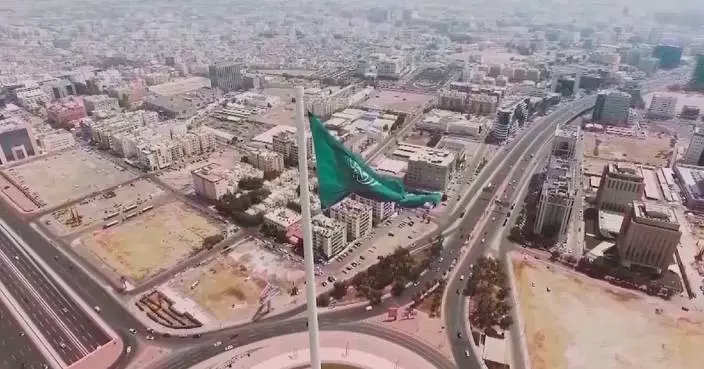
Military clashes have escalated in western Yemen, with reports of intense fighting between Houthi forces and so‑called Saudi‑backed "mercenaries" in Al‑Hawk district in the northern part of Hodeidah province, Iran's Tasnim News Agency reported on Saturday.
UN Special Envoy for Yemen Hans Grundberg on Friday warned of a growing risk of renewed large-scale conflict in Yemen amid escalating attacks by the Houthi group against Saudi tankers and Yemeni government forces.
In a statement, Grundberg pointed to the latest attacks by the Houthis in the provinces of Marib and Hadramout, which reportedly caused significant casualties, including civilians, as well as "attacks on commercial shipping" in the Red Sea and the Gulf of Aden.
He expressed concern over strikes on civilian infrastructure including airports, and the broader escalation of regional tensions.
Taken together, these developments risk jeopardizing gains from the 2022 truce, Grundberg said, warning that they could draw Yemen into "a broader regional confrontation."
Grundberg noted he had held intensive discussions in recent weeks with Yemeni parties, regional actors and international partners to explore options for de-escalation.
He called on all parties to exercise "maximum restraint," halt actions that could trigger military retaliation and engage in good-faith negotiations under UN auspices.
Yemen has been mired in conflicts since late 2014, when the Houthis seized much of northern Yemen, including the capital Sanaa, prompting a Saudi-led coalition to intervene in 2015 in support of the internationally recognized Yemeni government.
A UN-brokered truce that took effect in April 2022 expired in October that year without a formal extension, though a fragile de facto ceasefire has largely held since then.
The Houthi group announced a maritime ban on Saudi shipping in July, citing what it called a Saudi blockade against Houthi-controlled areas, a claim that Riyadh has firmly rejected.
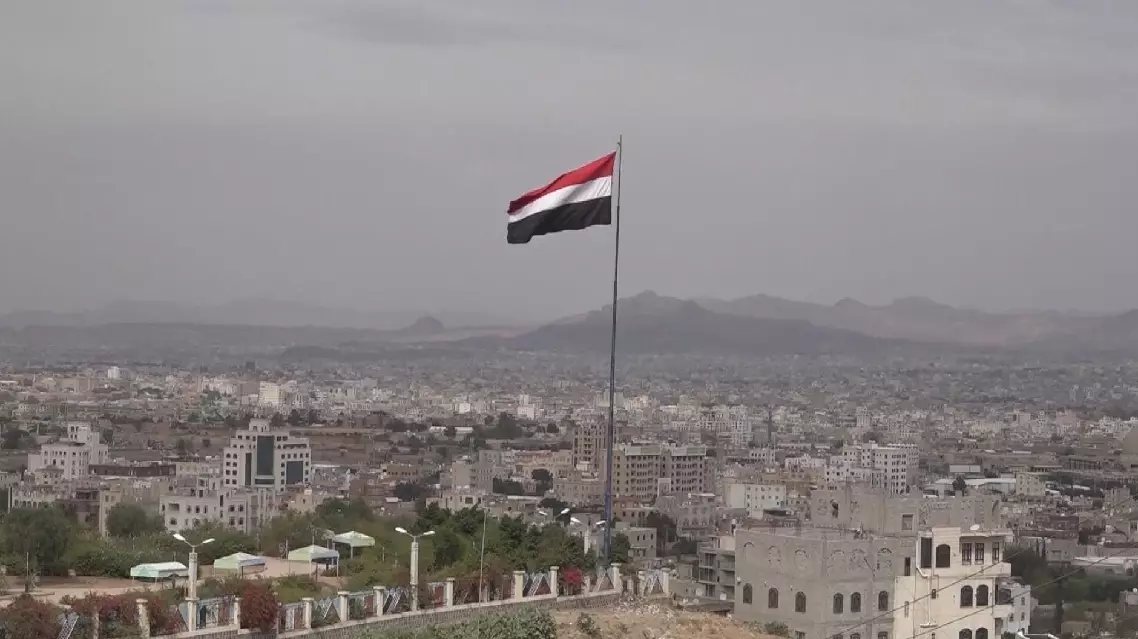
Military clashes escalate in western Yemen: report