Eastern China is bracing for Typhoon Dolphin, with coastal regions evacuating residents and shutting down schools, construction sites and tourist areas.
Typhoon Dolphin, the 13th of the season, entered China's 24-hour warning line late Friday and is forecast to make landfall between Zhejiang and northern Fujian from Sunday afternoon to Monday morning.
China's meteorological authority on Saturday upgraded its emergency response from Level IV to Level III and raised the typhoon warning from yellow to orange. Zhejiang went further, lifting its emergency response to Level I, the highest level, on Saturday morning.
In Zhejiang's Xiangshan County, the coastal village of Shatangwan is seeing strengthening winds and waves several meters high, prompting authorities to block beach access and evacuate visitors from 15 seaside home-stays.
Village officials and firefighters have stepped up patrols to remove hazards, while the county has evacuated all residents in risk areas and shut down schools, construction sites and tourist sites.
Meanwhile, Fujian Province raised its emergency response for Typhoon Dolphin to Level II on Sunday morning. As of Saturday night, 98,900 people had been evacuated across the province.
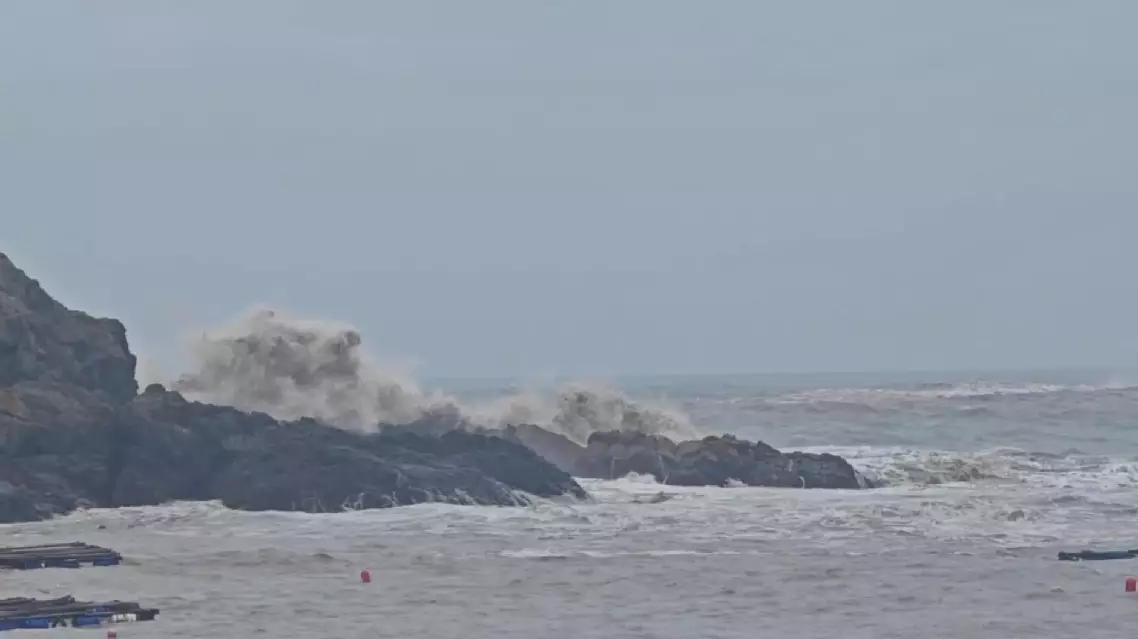
Typhoon Dolphin forces closures, evacuations across east China
In 10 days, Canada will face sweeping U.S. tariffs of up to 50 percent on key imports, a move announced by President Donald Trump on July 20 under Section 338 of the U.S. Tariff Act.
The new policy targets most Canadian imports, including wines and auto parts, worth around 20 billion dollars. There will be no exceptions for goods covered by an existing trade pact, the United-States-Mexico-Canada Agreement.
Analysts warn the tariffs will intensify cost pressures already squeezing households. For some, the strain has become personal. One Canadian truck driver described how rising prices forced him to move into his vehicle to cut debt.
"The prices of everything are sky high for no reason. It's the same product but everything has doubled or tripled in price. I had to move out of my apartment after seven years. I just moved out five days ago so I can get my debt level down. I am living in my truck now," said a Canadian driver.
Companies across Canada also report mounting pressure. Tess Patterson, a wine club manager, said businesses are struggling to shield customers from higher costs.
"We really don't want to pass that cost to our consumers. However, you know, as time goes by, that does slowly increase. So, therefore, it makes very hard for our consumers to basically purchase and get their hands on and that's not what we want to see," said Patterson.

Canada faces potential 50 percent tariffs from US