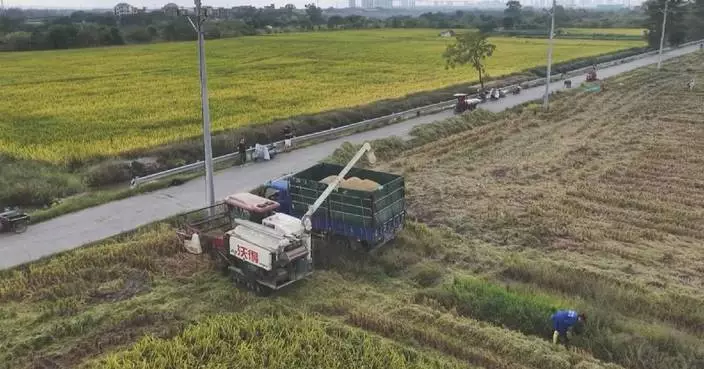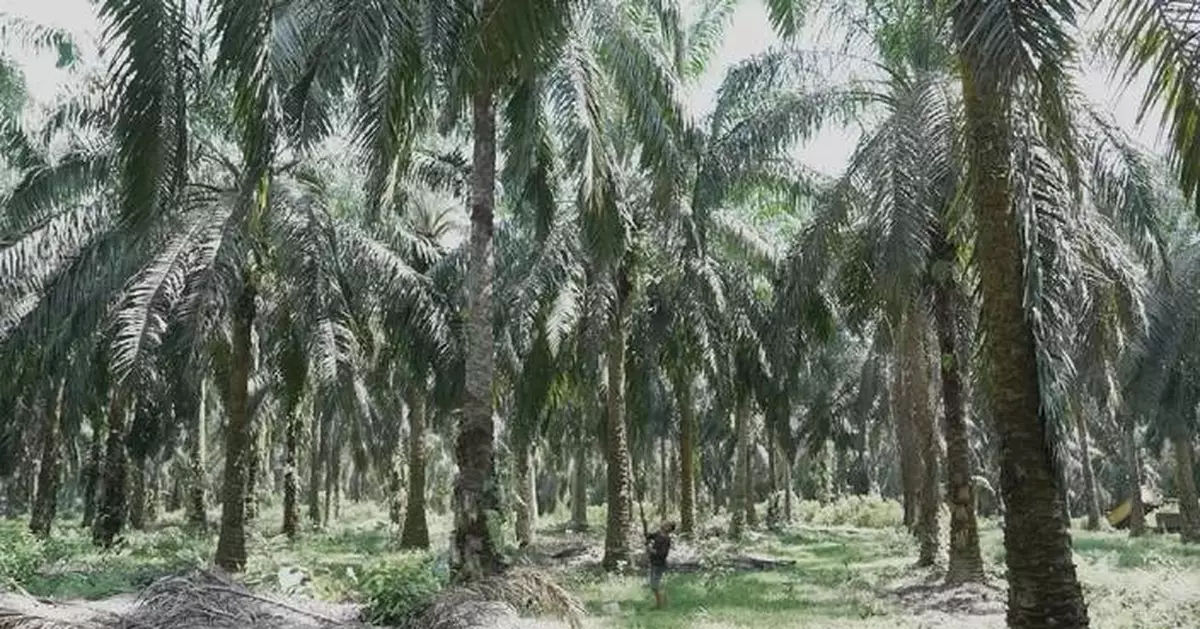
Indonesia's palm oil sector is bracing for significant losses this year as El Nino drives severe drought conditions across Riau, one of the country's largest palm oil production hubs.
The climate pattern, which suppresses rainfall and pushes temperatures higher, is threatening yields across an estimated 1.7 million hectares of smallholder plantations in the region.
The country's meteorological agency has warned that Riau will see below-average to moderate rainfall through October, with several districts already recording critically low soil moisture levels.
For palm oil trees, which rely on consistent rainfall throughout the growing season, the shift poses a direct threat to healthy yields.
"Climate change really does impact oil palm plantations. Normally, a plantation might produce around three tons per hectare in a single month, but under these extreme weather conditions, that output can fall by as much as 50 to 70 percent. So, clearly, this represents a real financial loss for the farmers," said Yulius Dwi, a palm fruit farmer.
The memories of past El Nino events still haunt those with years in the industry. Resident Andrei has managed his plantation in Riau for more than a decade, but says the climate pattern still triggers anxiety.
"We were certainly shocked, absolutely shocked. We were completely taken aback because we missed all our monthly targets for yield per hectare. It was the same situation at the loading ramp. Usually, the drivers head out almost every day, but instead, all the trucks were just sitting idle there," Andrei said.
The production decline is expected to have national implications. Indonesia produced more than 51 million tonnes of palm oil in 2025, but the output is projected to fall by as much as two million tonnes this year, driven primarily by El Nino and rising fertilizer costs.
Indonesia's meteorological agency continues to urge plantation operators to prepare for the drought season by strengthening water management systems and closely monitoring weather conditions through the end of 2026. But for smallholders like Andrei and Yulius, with limited resources at their disposal, putting those measures into practice is far easier said than done. For them, the next three months could determine whether this harvest season is one they can survive.
El Nino threatens to slash Indonesia's palm oil output by 2 million tonnes