Brazil announced on Thursday that it has launched retaliatory procedures under its Economic Reciprocity Law to respond to the latest U.S. tariff measures targeting Brazilian products.
In a statement released in the day, the Brazilian government said the unilateral tariff measures imposed by the United States are unjustified and arbitrary. It noted that the country has already provided evidence to refute accusations of unfair trade practices and will continue to defend its position in all appropriate forums.
The retaliatory move follows two successive rounds of tariff escalations targeting Brazilian exports announced by U.S. trade officials in July.
On July 15, the Office of the United States Trade Representative (USTR) announced that it would impose an additional 25 percent tariff on selected Brazilian products, on top of existing duties, starting July 22. Just eight days later, on July 23, the USTR imposed new tariffs ranging from 10 percent to 12.5 percent on dozens of other countries and regions, including Brazil, citing so-called forced labor concerns, in a move to replace expiring global import duties.
Brazil's Economic Reciprocity Law, passed by the National Congress in April 2025, authorizes the Foreign Trade Chamber to adopt countermeasures, including restricting imports of goods and services, at times when unilateral actions by other countries or economic blocs negatively affect Brazil's international competitiveness.

Brazil initiates reciprocity process to counter new U.S. tariffs
Rescuers in the city of Pereira, western Colombia continued their desperate efforts on Thursday to comb through the rubble left by Monday's devastating earthquake, seeking signs of possible life.
The 7.5-magnitude quake struck the region at 07:34 local time on Monday, completely collapsing the eight-story Dibeni Hotel, a landmark in Pereira. At the time of the disaster, 13 people were inside the hotel, and as of Wednesday, eight bodies had been recovered from the debris.
To enhance their search efforts, search and rescue teams requested silence beginning at 14:00 on Thursday, listening intently for faint sounds that might indicate survivors. They repeatedly called into the wreckage, holding their breath in hopes of detecting a response. Sniffer dogs were deployed to help locate any possible remaining trapped individuals.
In a second effort for absolute silence, rescuers instructed everyone on site to refrain from talking or moving, turning off all machinery. Despite these extensive measures, the search did not yield the hoped-for results.
The National Unit for Disaster Risk Management (UNGRD) reported on Friday that the death toll from the earthquake has risen to 287, with 3,975 injuries. The UNGRD’s latest update said that the quake affected 15 departments and 437 municipalities, impacting 56,448 families and 135,179 people.
Additionally, 378 people remain unaccounted for, while 354 have been rescued. The earthquake caused damage to 238 health centers, 2,486 schools, 2,093 community centers, 254 roads, 87 aqueducts, 50 vehicular bridges, seven pedestrian bridges, and five airports.
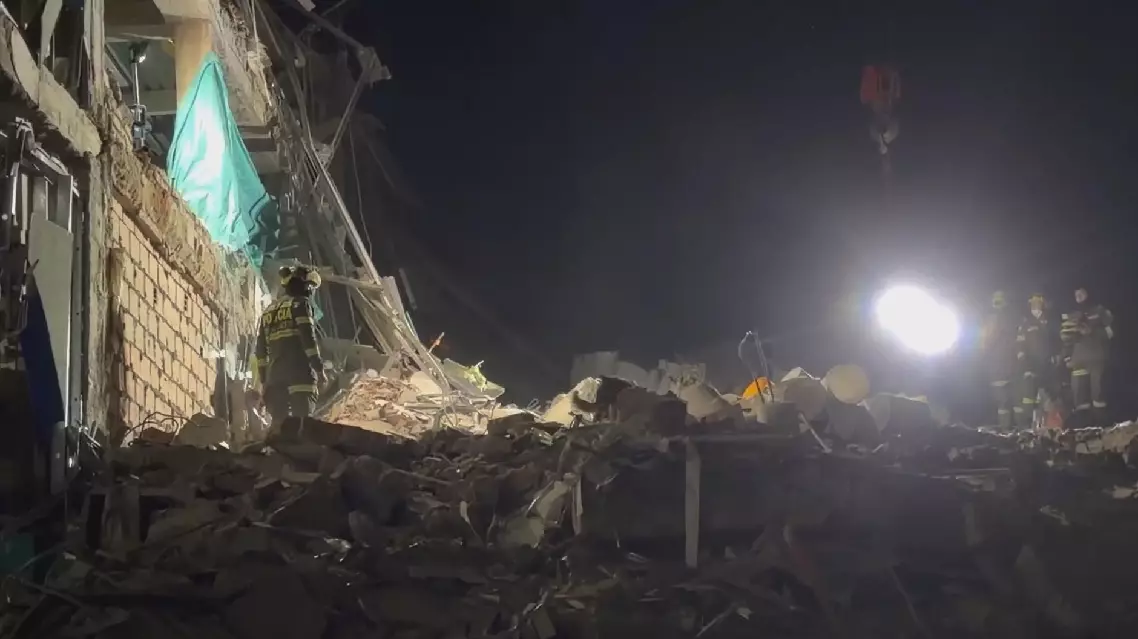
Desperate search for survivors continues after devastating earthquake in Pereira, Colombia
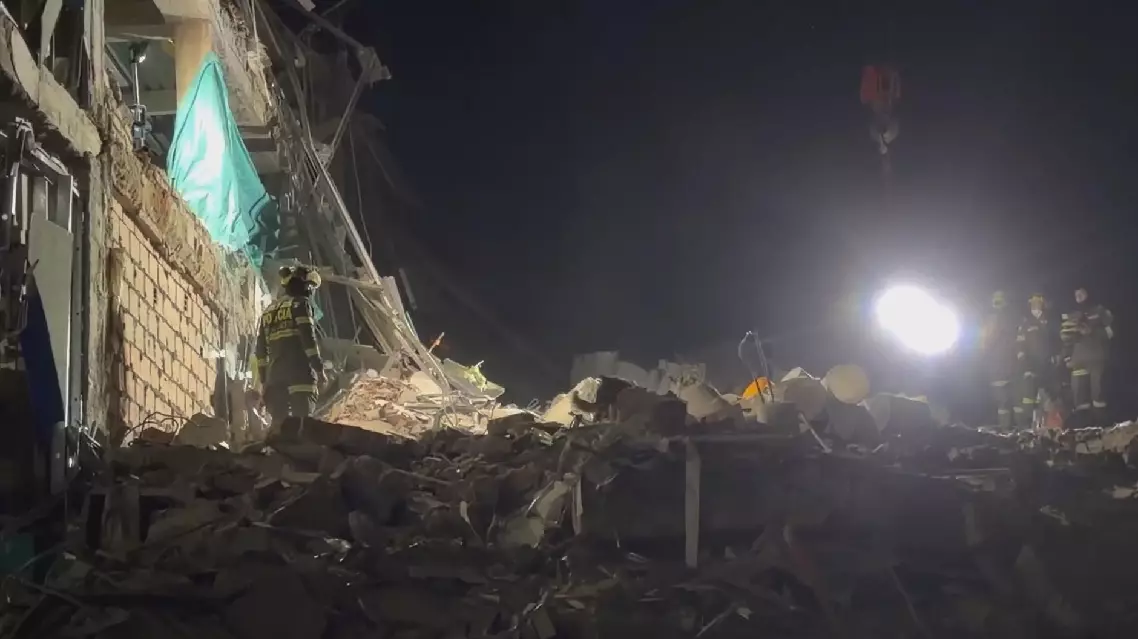
Desperate search for survivors continues after devastating earthquake in Pereira, Colombia