A new collection of historical materials documenting Japan's wartime crimes in China was donated Saturday at the Memorial Hall of the Victims in Nanjing Massacre by Japanese Invaders in Nanjing.
The materials provide new evidence of the Nanjing Massacre, in which an estimated 300,000 civilians and unarmed soldiers were brutally killed between 1937 and 1938, as well as Japan's use of chemical warfare in China during World War II.
Notably, more young people from both China and abroad are taking part in efforts to preserve and collect such historical records.
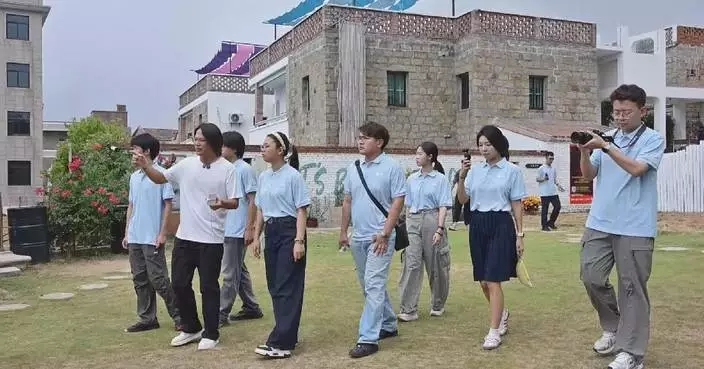
The donors include Chinese middle and high school students, some of whom traveled to Japan to collect and purchase historical materials.
Another donor is Marcus Detrez from France. Last year, he donated hundreds of photographs taken by his grandfather in the 1930s during the Japanese aggression in China to a museum in Shanghai. This year, he donated copies of French diplomatic documents related to Japan's aggression in China.
So far, only 21 registered survivors of the Nanjing Massacre are still alive.
In 2019, the memorial hall officially launched the "Memory Inheritance Action for Descendants of Survivors," followed by the introduction of an official certification system for memory inheritors in 2022.
Over the years, dozens of people from China and abroad have become inheritors of the memories of the Nanjing Massacre.
This year, six more people joined the mission, including Carly Brady, a Canadian whose great-grandfather helped save many civilians during the massacre.
August 15 marks the day of Japan's unconditional surrender in World War II. Yet survivors of the Nanjing Massacre are still waiting for an official apology from Japan.
As more young people and international friends take up the responsibility of preserving this part of history, the memory of the tragedy will never fade.
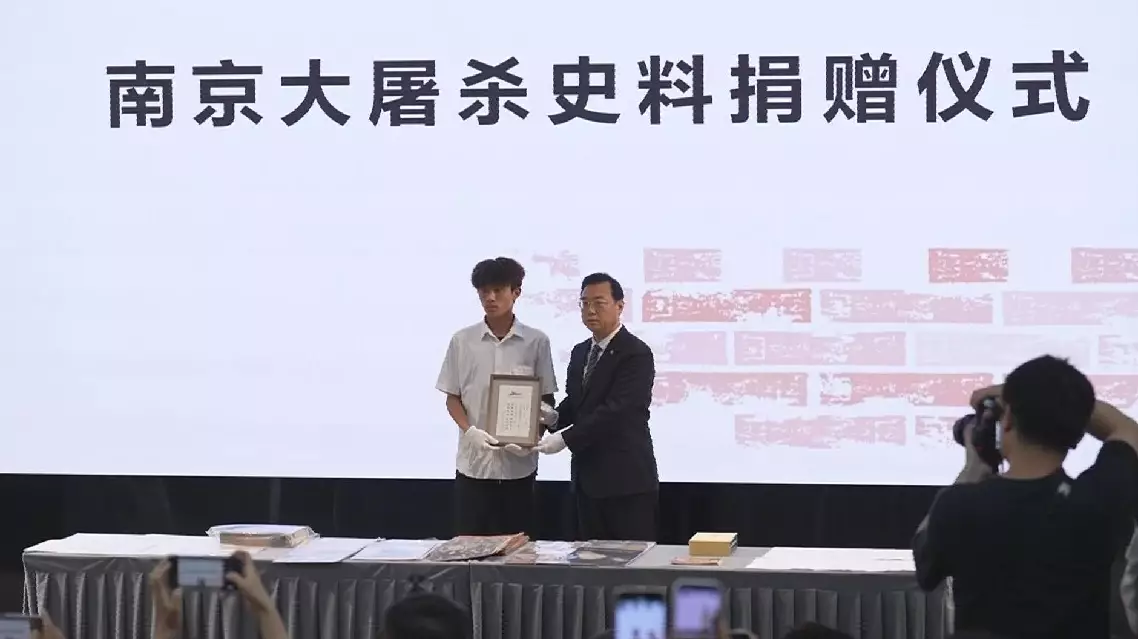
New evidence of Japanese wartime crimes in China unveiled in Nanjing
New evidence of Japanese wartime crimes in China unveiled in Nanjing