The U.S. tariffs on South African goods will not compromise their competitiveness because President Donald Trump has imposed similar tariffs on their major competitors, said a South African economist in an interview with China Global Television Network (CGTN) in Pretoria last week.
The United States imposed a fresh round of 12.5 percent tariffs on selected South African exports under Section 301 on July 24, amid deteriorating bilateral relations under the Trump administration over Pretoria's case against Israel at the International Court of Justice and disagreements on domestic and foreign policy.
The latest measures follow the 30 percent tariffs imposed by the United States last August. Wandile Sihlobo, chief economist of the Agricultural Business Chamber of South Africa, said since U.S. consumers are set to pay for higher prices caused by additional tariffs, the Trump administration exempted some South African products that are sought after most on the U.S. market from the latest round of tariffs.
"For oranges, nuts and certain fruit juices, there's still no tariffs at the moment. And that shows, you know, that the U.S. administration understands that these tariffs are inflationary, because they exempted them because these are the products they don't have and their consumers wanted these products," he said.
A coalition of 25 states filed a lawsuit against the Trump administration on Aug 3, arguing that U.S. President Donald Trump exceeded his legal authority by imposing sweeping new tariffs on goods from 60 trading partners, according to a court document.
The complaint, filed in the U.S. Court of International Trade, challenges the recently enacted levies of 10 percent or 12.5 percent on the vast majority of goods imported from the affected economies. According to the states, these economies collectively account for 99.4 percent of U.S. imports.
Sihlobo said the fresh tariffs are so broad that goods from some of South Africa's major competitors on the U.S. market are also affected, so the competitiveness of the country's products will be less impacted.
"Now these tariffs are not isolating South Africa like the 30 percent we were in while our competitors were facing far lower tariffs. They are not favorable but at the same time, not disastrous, if one can say that, because we could compete, Chile, Peru. They are facing the same tariffs as us and they're usually our major competitors in the U.S. market," he said.
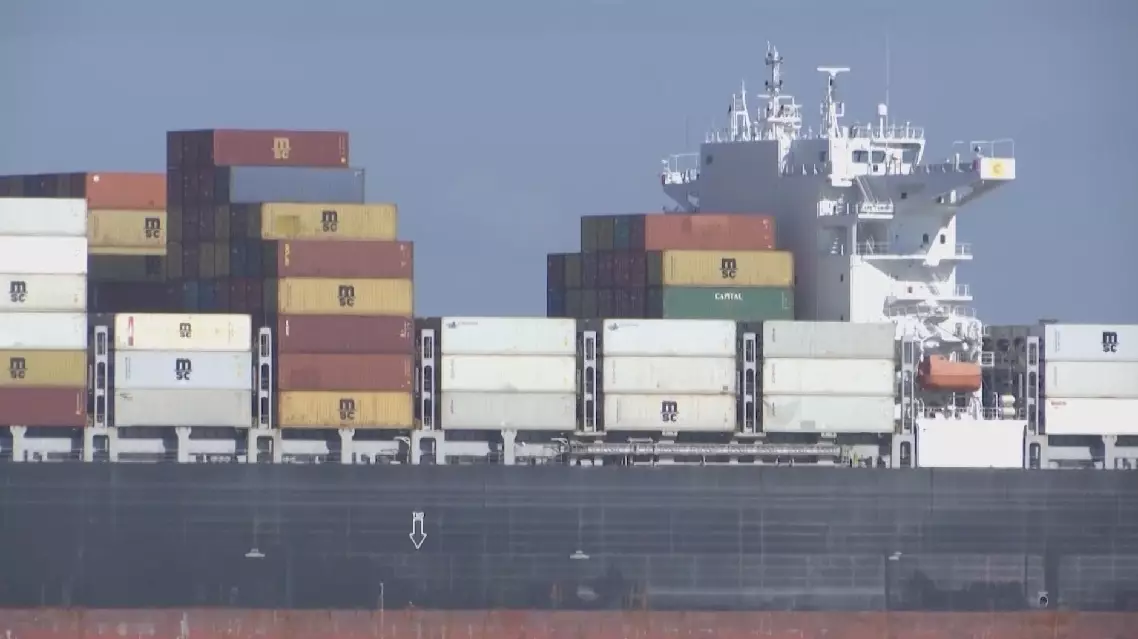
S African products remain competitive despite US tariffs: economist