Skip to Content Facebook Feature Image

In Florida, Wasserman Schultz sparks a debate over what representation means in diverse districts

News

In Florida, Wasserman Schultz sparks a debate over what representation means in diverse districts
News

News

In Florida, Wasserman Schultz sparks a debate over what representation means in diverse districts

2026-08-17 12:07 Last Updated At:12:31

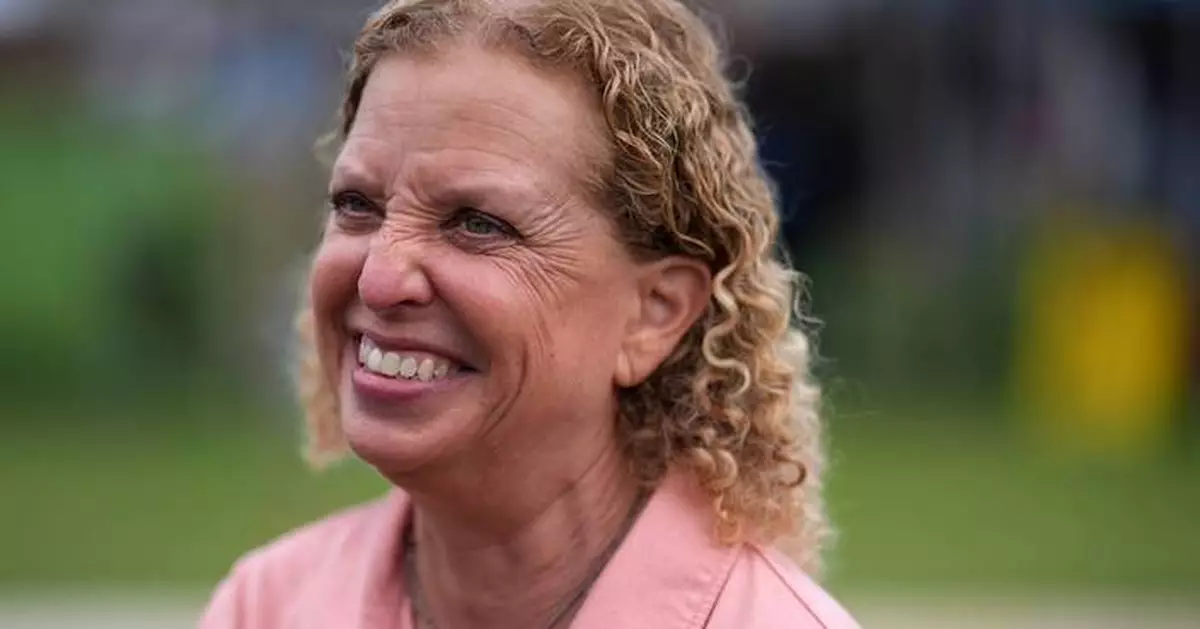
TAMARAC, Fla. (AP) — Greeting voters ahead of Tuesday's Florida primaries in red-white-and-blue sneakers, Rep. Debbie Wasserman Schultz smiles and tells them she is “running for reelection to Congress.”

That’s true — with a caveat. Wasserman Schultz is seeking her 12th term by running in a new district after Republicans scrambled the state’s congressional map earlier this year.

More Images
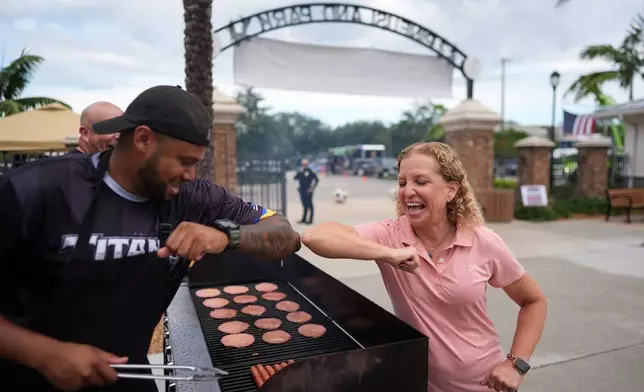
Rep. Debbie Wasserman Schultz, D-Fla., greets a man tending to a grill as she visits a National Night Out community event while campaigning for Florida's 20th congressional district, in Plantation, Fla., Tuesday, Aug. 4, 2026. (AP Photo/Rebecca Blackwell).

Rep. Debbie Wasserman Schultz, D-Fla., greets a man tending to a grill as she visits a National Night Out community event while campaigning for Florida's 20th congressional district, in Plantation, Fla., Tuesday, Aug. 4, 2026. (AP Photo/Rebecca Blackwell).

U.S. Rep. Debbie Wasserman Schultz, third from right, greets constituents at a National Night Out community event while campaigning for Florida's 20th congressional district, in Plantation, Fla., Tuesday, Aug. 4, 2026. (AP Photo/Rebecca Blackwell).

U.S. Rep. Debbie Wasserman Schultz, third from right, greets constituents at a National Night Out community event while campaigning for Florida's 20th congressional district, in Plantation, Fla., Tuesday, Aug. 4, 2026. (AP Photo/Rebecca Blackwell).

FILE - Democratic candidate Elijah Manley participates in a forum for candidates in Florida's 20th congressional race, July 23, 2026, in Fort Lauderdale, Fla. (AP Photo/Marta Lavandier, File)

FILE - Democratic candidate Elijah Manley participates in a forum for candidates in Florida's 20th congressional race, July 23, 2026, in Fort Lauderdale, Fla. (AP Photo/Marta Lavandier, File)
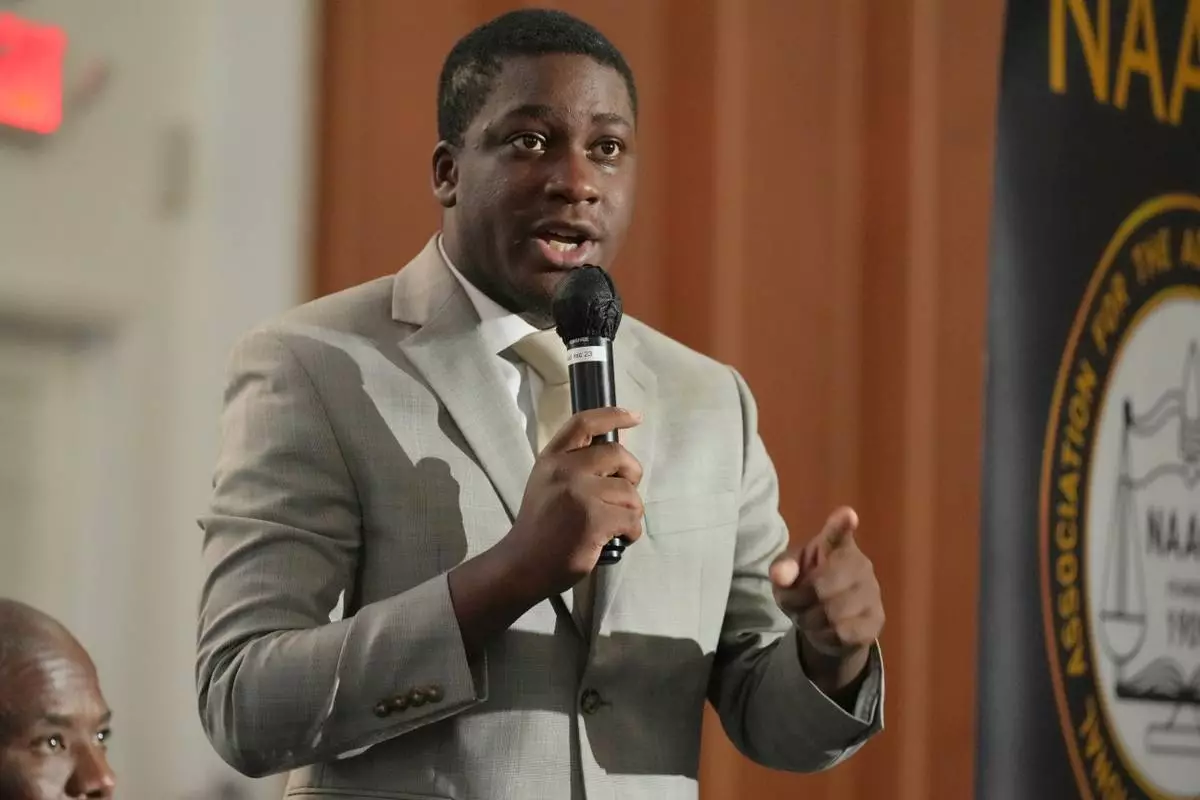
FILE - Former Democratic congresswoman Sheila Cherfilus-McCormick participates in a forum for candidates in Florida's 20th congressional race, July 23, 2026, in Fort Lauderdale, Fla. (AP Photo/Marta Lavandier, File)

FILE - Former Democratic congresswoman Sheila Cherfilus-McCormick participates in a forum for candidates in Florida's 20th congressional race, July 23, 2026, in Fort Lauderdale, Fla. (AP Photo/Marta Lavandier, File)

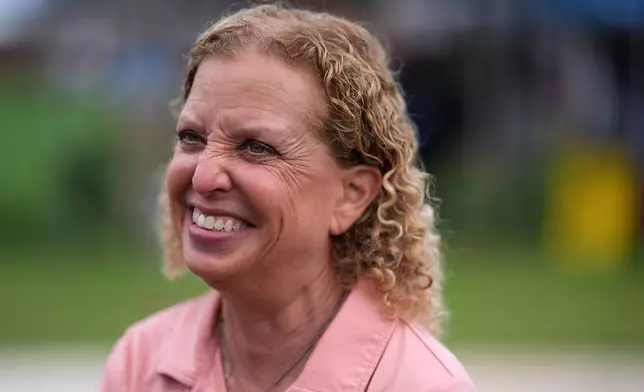
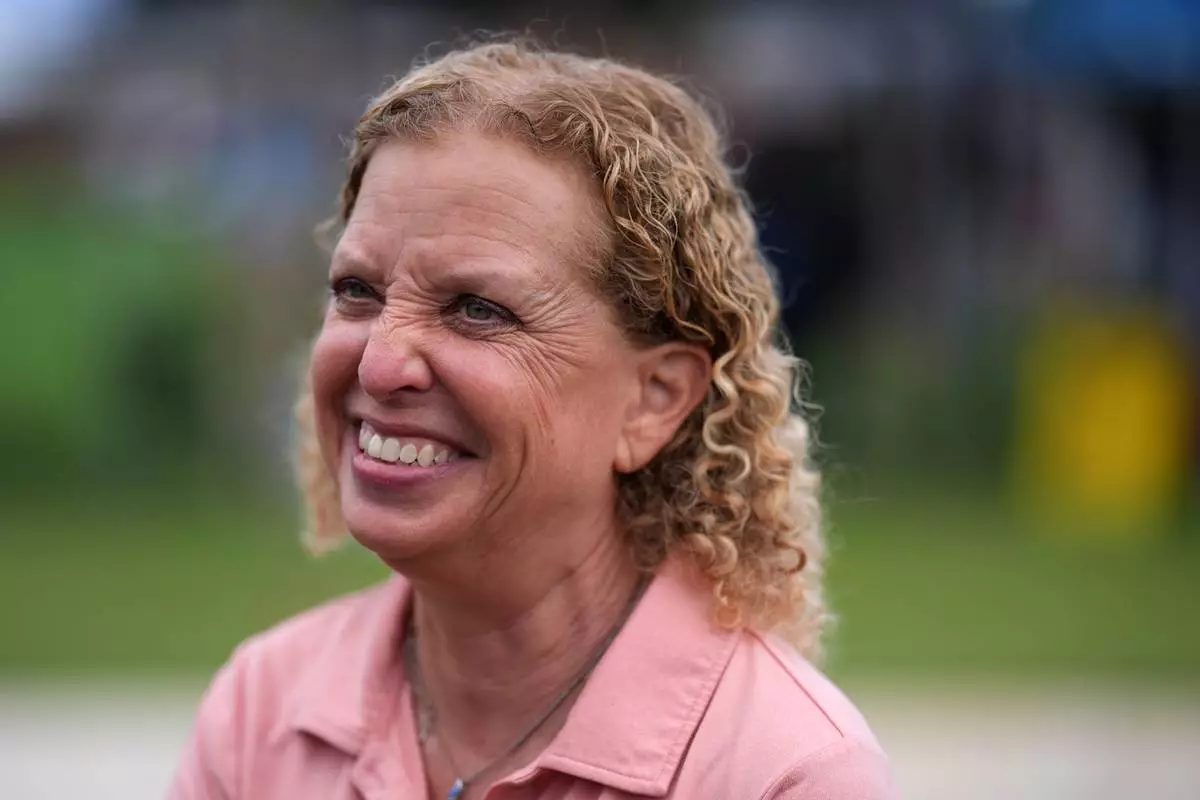
U.S. Rep. Debbie Wasserman Schultz smiles as she greets constituents at a National Night Out community event while campaigning for Florida's 20th congressional district, in Plantation, Fla., Tuesday, Aug. 4, 2026. (AP Photo/Rebecca Blackwell)

U.S. Rep. Debbie Wasserman Schultz smiles as she greets constituents at a National Night Out community event while campaigning for Florida's 20th congressional district, in Plantation, Fla., Tuesday, Aug. 4, 2026. (AP Photo/Rebecca Blackwell)

The fallout pushed Wasserman Schultz, a former national party chair with powerful ties in Washington, to cross district lines from her Fort Lauderdale exurb and be the only white candidate in an area of Broward County that has helped send Black Democrats to Congress since 1992. That’s yielded an uncomfortable fight following the U.S. Supreme Court decision that gutted the Voting Rights Act provisions undergirding minority voting strength and effectively cleared Old Confederacy states, including Florida, to reshape House districts.

“For her to come in like this is just another Broward seat, it's a complete erasure of our history, our fight for Black access,” said former Rep. Sheila Cherfilus-McCormick, 47, who resigned from the seat in April while facing an ethics investigation but now wants it back.

Another candidate, 27-year-old progressive organizer and substitute teacher Elijah Manley, said Republicans’ redistricting ploy is not Wasserman Schultz’s fault. But she “had other options,” Manley added, including running in her new home district, which was gerrymandered to include the more conservative Gulf coast.

“Instead, she stabbed us in the back, trying to take away Black representation,” Manley said, pointing to Congressional Black Caucus warnings that it could lose more than a quarter of its 60-plus members this fall.

Wasserman Schultz, 59, is by far the best funded out of five Democratic candidates and benefits from Florida rules that do not require a majority to win primaries.

She argued that she can ably advocate for the whole region after representing wide swaths of Broward as a state and federal legislator across three decades. “I’m not air dropping myself into this district,” she told The Associated Press. “I have represented diverse communities. I know how to tailor my service to them and represent a district more broadly.”

President Donald Trump started pushing Republican-run states to redraw House boundaries last year to help preserve the party's fragile majority. Florida Gov. Ron DeSantis responded with an effort that clusters southeast Florida Democrats together, intending to reduce five Democratic seats to three. Broward, the state’s most Democratic county, situated between Miami-Dade and Palm Beach, now has just one presumed-Democratic district anchored in and around Fort Lauderdale.

Nationally, white lawmakers typically hold some of the 115-plus House seats where the voting-age population is majority non-white. Wasserman Schultz does it in her existing north Broward-Palm Beach district, which was drawn after the 2020 census to be 42% Hispanic, 18% Black and about 6% Asian American. White voters compose the remaining third.

But a white lawmaker is a rarity for majority or plurality Black districts, like the new Florida 20th. The district is 42% Black, 23% Hispanic and 4% Asian, the rest white. The Black share includes a large Caribbean population, most notably Haitian Americans.

Going into November, an Associated Press analysis found that Wasserman Schultz is the only white Democrat positioned to represent any of the remaining districts with a Black majority or plurality.

Cherfilus-McCormick said she can win, despite losing Black constituents she previously represented in Palm Beach County. She dismissed concerns over federal criminal charges accusing her of stealing $5 million in federal disaster funds. She has pleaded not guilty and has denied alleged violations of House rules.

The criminal case and redistricting fit together, she insisted, and “the people see what’s going on — them trying to silence the only Haitian member of Congress and take away our voice.”

Manley, though, was more circumspect about Wasserman Schultz’s status as the favorite. He mused about upsetting the veteran congresswoman on Tuesday yet looked ahead to the 2028 elections, hoping Black Democrats rally around one candidate rather than four. The current field also includes former 2 Live Crew rapper Luther “Uncle Luke” Campbell and real estate broker and former local elected official Dale Holness.

Von Howard, a Black resident of Plantation, said the choice was wrenching. He declined to disclose his vote but said he wanted someone who “understands the totality of the district.”

“If you're not of the people, and you just want this for the clout, in some instances, that could be a turnoff,” the 47-year-old said.

Broward NAACP President Marsha Ellison was more direct, without endorsing any candidate.

“The whole mission was to take away Black power, so we don’t have representation to understand our lived experience,” she said. “That may not be important to Debbie, but it’s certainly important to us.”

Wasserman Schutlz said she occasionally hears those concerns from voters. Her response is that “lived experience matters, but experience broadly matters" as well.

She notes her Appropriations Committee seat,which could be even more influential should Democrats win a House majority. She recalls programs impacting Black communities she helped create and fund since her first years in the Florida Legislature.

“I fight every single day to help improve the lived experience of the people that I represent,” she said.

Wasserman Schutlz also said she’s worked to connect across race and culture in Broward. Because of her existing district makeup, “I spent six years learning Spanish,” to converse with individuals and in town halls, news conferences and interviews broadcast on Spanish-language stations.

“Out of respect,” she said, “anything I can do to inspire people’s confidence that the person representing them understands them.”

Several times outside of early voting sites, Black, white and Hispanic voters waved or stopped to talk to the congresswoman. Among them were Broward County sheriff’s deputies who wanted photos and a trio of women who lamented they had been drawn into a new Republican-leaning district.

Yusdefs Delgado, a naturalized citizen from Colombia, told Wasserman Schultz that he enjoys her social media posts but wants to hear more about policy and less about the president.

“We know Trump sucks,” he told her, smiling and confirming that he voted for her. “I don’t agree with her on everything, but she’s closest to where I am, and I trust her to try to do the right thing for us,” Delgado explained later.

Cherfilus-McCormick and Manley said that’s not enough given the environment after the Supreme Court decision, Trump’s attacks on diversity initiatives and his push to rewrite how the U.S. tells its history on race and racism.

“We’re not at a place in this country where we can be completely colorblind politically,” Manley said. “We’re just not.”

Wasserman Schultz said the new district “is drawn in a way that the plurality population has the ability to elect the person of their choice” — language that alludes to the now-diminished Voting Rights Act. Voters, she said, can “consider all of the qualities that matter to them.”

As for putting herself on the ballot again, she remained unapologetic.

“Trump and DeSantis did this to our community,” she said, adding, “I’ll be damned if I’m going to let them steal Broward’s political power, de-unify us and prevent us from standing up for our community’s values.”

Associated Press journalist Matthew Klein contributed from Washington.
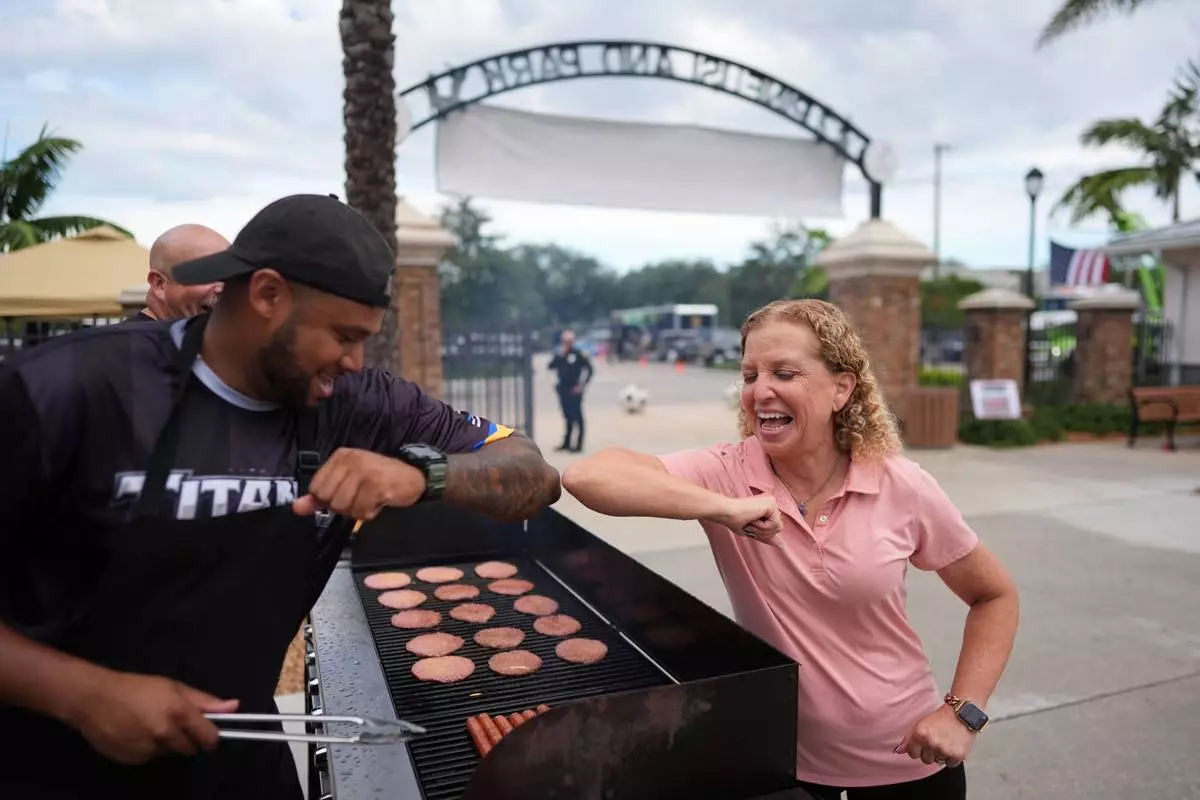
Rep. Debbie Wasserman Schultz, D-Fla., greets a man tending to a grill as she visits a National Night Out community event while campaigning for Florida's 20th congressional district, in Plantation, Fla., Tuesday, Aug. 4, 2026. (AP Photo/Rebecca Blackwell).

Rep. Debbie Wasserman Schultz, D-Fla., greets a man tending to a grill as she visits a National Night Out community event while campaigning for Florida's 20th congressional district, in Plantation, Fla., Tuesday, Aug. 4, 2026. (AP Photo/Rebecca Blackwell).
U.S. Rep. Debbie Wasserman Schultz, third from right, greets constituents at a National Night Out community event while campaigning for Florida's 20th congressional district, in Plantation, Fla., Tuesday, Aug. 4, 2026. (AP Photo/Rebecca Blackwell).

U.S. Rep. Debbie Wasserman Schultz, third from right, greets constituents at a National Night Out community event while campaigning for Florida's 20th congressional district, in Plantation, Fla., Tuesday, Aug. 4, 2026. (AP Photo/Rebecca Blackwell).

FILE - Democratic candidate Elijah Manley participates in a forum for candidates in Florida's 20th congressional race, July 23, 2026, in Fort Lauderdale, Fla. (AP Photo/Marta Lavandier, File)

FILE - Democratic candidate Elijah Manley participates in a forum for candidates in Florida's 20th congressional race, July 23, 2026, in Fort Lauderdale, Fla. (AP Photo/Marta Lavandier, File)
FILE - Former Democratic congresswoman Sheila Cherfilus-McCormick participates in a forum for candidates in Florida's 20th congressional race, July 23, 2026, in Fort Lauderdale, Fla. (AP Photo/Marta Lavandier, File)

FILE - Former Democratic congresswoman Sheila Cherfilus-McCormick participates in a forum for candidates in Florida's 20th congressional race, July 23, 2026, in Fort Lauderdale, Fla. (AP Photo/Marta Lavandier, File)

U.S. Rep. Debbie Wasserman Schultz smiles as she greets constituents at a National Night Out community event while campaigning for Florida's 20th congressional district, in Plantation, Fla., Tuesday, Aug. 4, 2026. (AP Photo/Rebecca Blackwell)

U.S. Rep. Debbie Wasserman Schultz smiles as she greets constituents at a National Night Out community event while campaigning for Florida's 20th congressional district, in Plantation, Fla., Tuesday, Aug. 4, 2026. (AP Photo/Rebecca Blackwell)
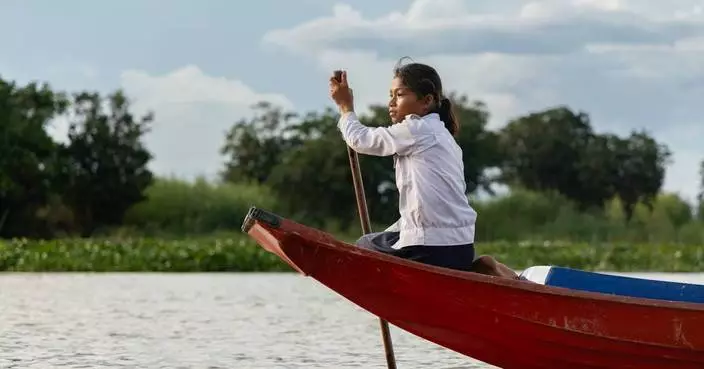
KAMPONG PRAHOK, Cambodia (AP) — Sou Sreynich dreams of becoming a teacher. But she knows she's far behind.

The 13-year-old first entered a classroom at 10, an age when most Cambodian children already have been in school for years. Her mother waited until she was old enough to swim, fearing the boat to school could capsize — a decision familiar to many parents on Cambodia's Tonle Sap, the largest freshwater lake in Southeast Asia.

Now, the price of gasoline has spiked because of the Iran war, an additional burden. Unlike outright school closures during COVID-19, the Iran war’s impact on education is less visible. But it is falling first and hardest on the poorest families. Soaring fuel prices are making it more expensive for children and teachers to get to school, and for governments to fund education as national budgets come under strain.

On the lake, getting anywhere has always meant navigating the water. Climate change is making it harder, with increasingly unpredictable floods and droughts. Teachers at her school say 10 students have drowned over the years.

If the war continues, it could push up to 23.4 million more children like Sreynich into poverty by the end of the year, according to a recent United Nations Children’s Fund report. About 80% of those children would be in Africa and Asia.

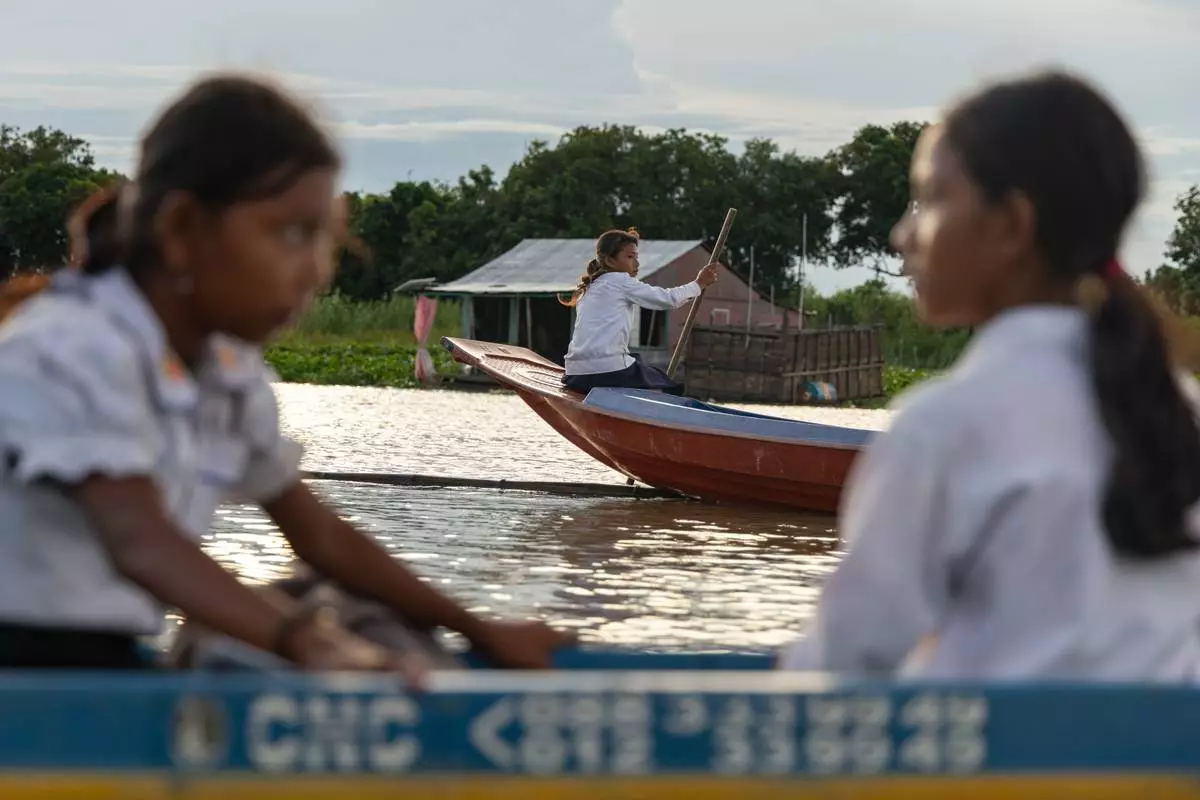
Most mornings, a gas-powered boat chugs through Kampong Prahok, steered by students often no older than those climbing aboard. They pull up alongside floating homes, as peers in crisp uniforms clamber aboard, careful to keep their backpacks dry.

Like most on Tonle Sap, Sreynich’s family relies on fishing to survive. They earn some money picking chili peppers and gutting fish for others. Rising fuel prices because of the Iran war mean the family can't afford to travel to deeper waters where fish are more plentiful.

When money is tight, Sreynich skips a day or two of school to work alongside her parents. She dreads every absence. “I want to complete my studies,” she said.

For families already living on the edge, the war’s ripple effects are forcing difficult choices: whether to pay for food, fuel, rent and electricity, or keep every child in school.

“The Iran war is likely going to force millions of children out of school and could force millions of children to make the decision not to enroll in the first place,” said Sabrina Hervey of the Qatar-based Education Above All Foundation.

Some children in Southeast Asia are dropping out of school to work.

Ly, 16, and her sister Nhi, 13, two of nine children from a fishing family on Vietnam’s rocky northern coast, have long drifted in and out of school as the family struggled to make ends meet.

They are identified by their first names only because of Vietnamese laws protecting vulnerable minors.

Their father lost his fishing job after the war pushed diesel prices so high that boat owners could not afford to go out to sea. Already burdened by debt, the family was surviving on his odd jobs. It wasn't enough to keep all nine children fed and in school.

The girls dropped out of school and moved to Vietnam's capital Hanoi to work long hours in a restaurant, where they were exposed to sharp tools, hot surfaces and heavy lifting.

For 13-year-old Nhi it was also illegal because of child labor laws.

In April, the Hanoi-based nonprofit Blue Dragon Children’s Foundation intervened and the two returned to school.

The war's impact has unfolded slowly but is devastating, said Michael Brosowski with the foundation.

When families reach a financial breaking point, they tend to go into triage — keeping some children enrolled while pulling others out to work, he said. The children not in school are far more vulnerable to exploitation, trafficking and homelessness.

“It’s the tipping point for a lot of families,” Brosowski said.

Higher fuel prices are driving up costs of nearly every part of education, from getting students and teachers to school to stocking classrooms with pencils and chalk. It's more expensive for teachers and aid workers to reach remote communities. Governments are also grappling with rising food and energy bills, leaving less money for education.

In Cambodia, everything already costs more on Tonle Sap since supplies have to be brought in by boat.

“Even the electricity to run this lab is 10-times higher,” said Samphors Vorn of the nonprofit Aide et Action, which supports the school.

Developing countries reliant on imported energy have been the most exposed to disruptions from the war. Rising fertilizer costs and falling remittances also are straining these smaller economies.

The war is threatening years of progress in education and poverty reduction in Bangladesh, whose economy already was under strain.

Pressure on the government’s finances, driven by rising costs for fuel and subsidies, could leave it with less money to spend on health care and education, warned a report by the U.N. Development Programme.

In some South Asian nations, girls are likely to be affected more because families tend to prioritize sons, said Arshad Malik of the nonprofit Save the Children International. Economic hardships could mean more girls dropping out of school and an increase in child marriages, he said.

South Asia accounts for 45% of the world’s child brides, the highest share of any region, according to UNICEF.

More than 466 million children worldwide receive at least one meal a day at school, according to the U.N. World Food Programme. These meals help keep children in school, improve their ability to learn and concentrate, and support healthy brain development.

Such programs also could come under pressure as the conflict disrupts fertilizer shipments and raises transport costs, especially in countries in West and Central Africa that rely heavily on imported food, said Hervey, with Education Above All.

Across northern Nigeria, it is becoming more common for children to relapse into malnutrition, according to local health and aid workers.

“I’m really afraid to see what’s going to happen,” Hervey said.

The Associated Press’ climate and environmental coverage receives financial support from multiple private foundations. The AP is solely responsible for all content. Find AP’s standards for working with philanthropies, a list of supporters and funded coverage areas at AP.org.

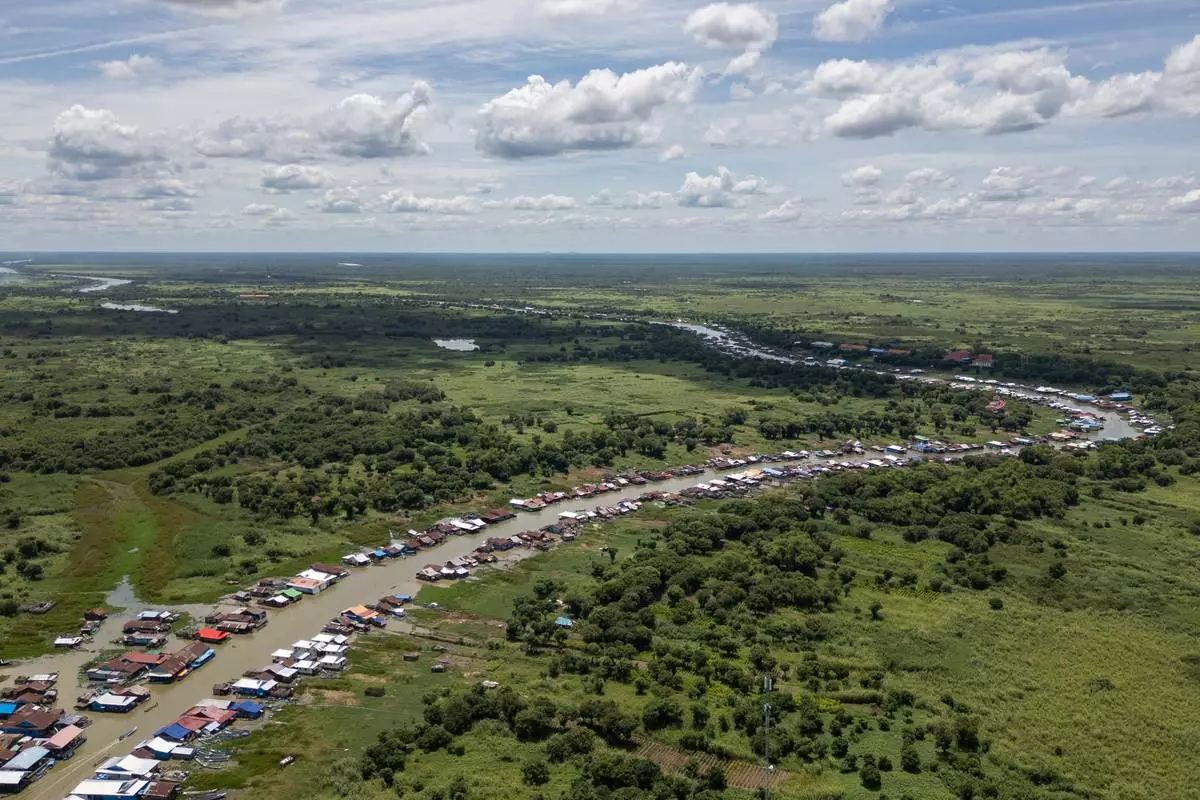
The floating village of Kampong Prahok on the Tonle Sap Lake, Cambodia, Monday, June 29, 2026. (AP Photo/Anton L. Delgado)

The floating village of Kampong Prahok on the Tonle Sap Lake, Cambodia, Monday, June 29, 2026. (AP Photo/Anton L. Delgado)

Students board school boats to return to their homes in a floating village on Cambodia's Tonle Sap Lake on Monday, June 29, 2026. (AP Photo/Anton L. Delgado)

Students board school boats to return to their homes in a floating village on Cambodia's Tonle Sap Lake on Monday, June 29, 2026. (AP Photo/Anton L. Delgado)

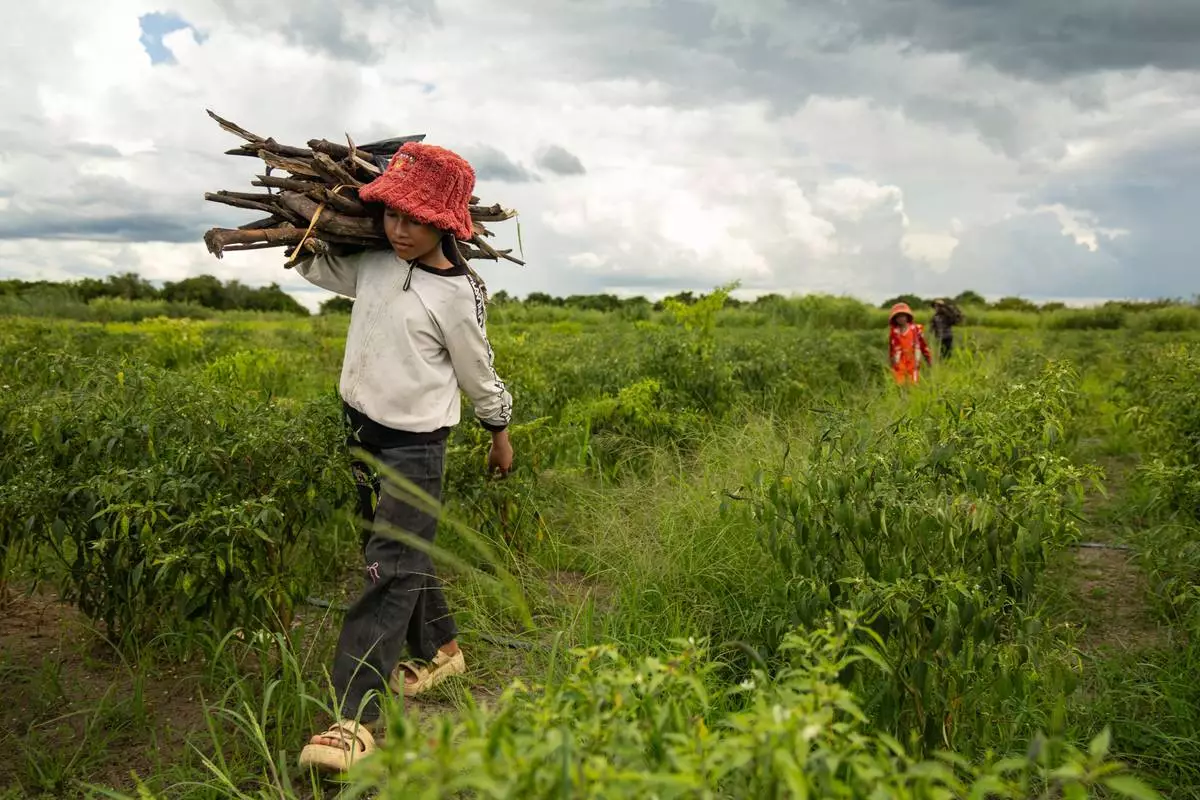
Sou Sreynich collects firewood with her family near their home in a floating village on Cambodia's Tonle Sap Lake on Monday, June 29, 2026. (AP Photo/Anton L. Delgado)

Sou Sreynich collects firewood with her family near their home in a floating village on Cambodia's Tonle Sap Lake on Monday, June 29, 2026. (AP Photo/Anton L. Delgado)

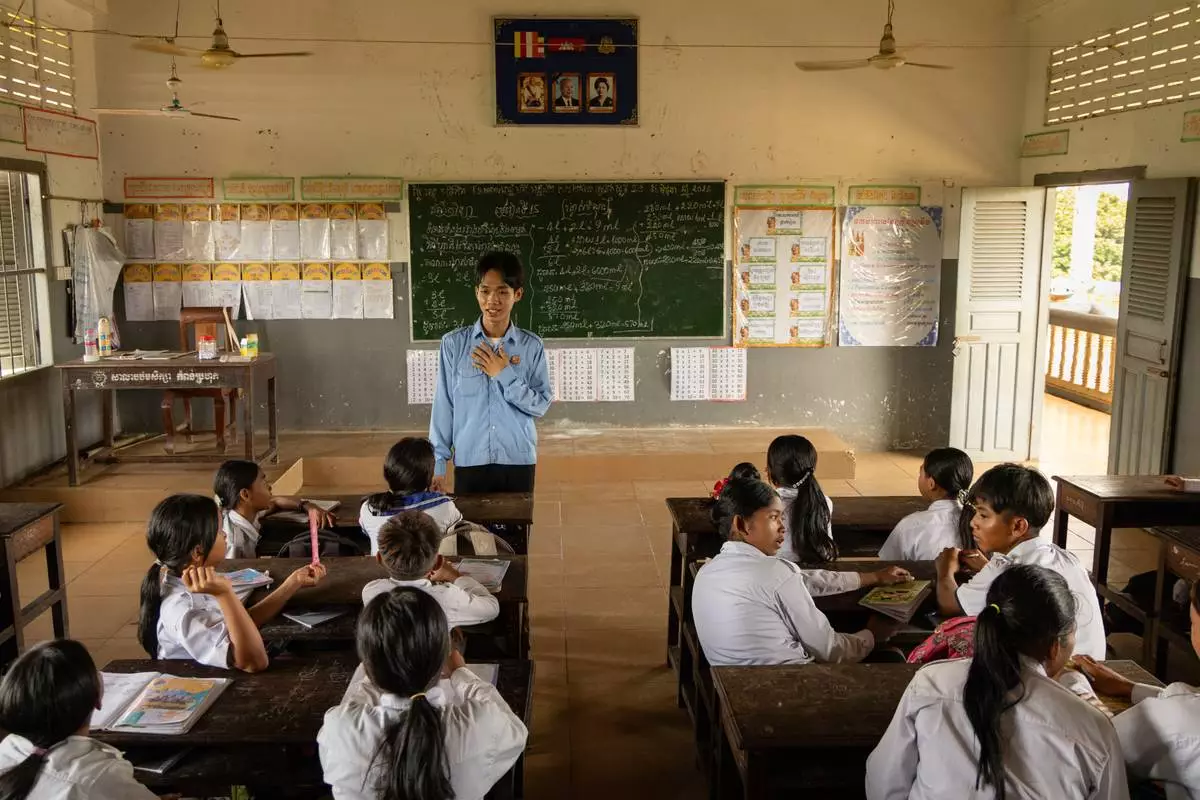
A teacher addresses students at a school in one of the floating villages of Cambodia's Tonle Sap Lake on Monday, June 29, 2026. (AP Photo/Anton L. Delgado)

A teacher addresses students at a school in one of the floating villages of Cambodia's Tonle Sap Lake on Monday, June 29, 2026. (AP Photo/Anton L. Delgado)

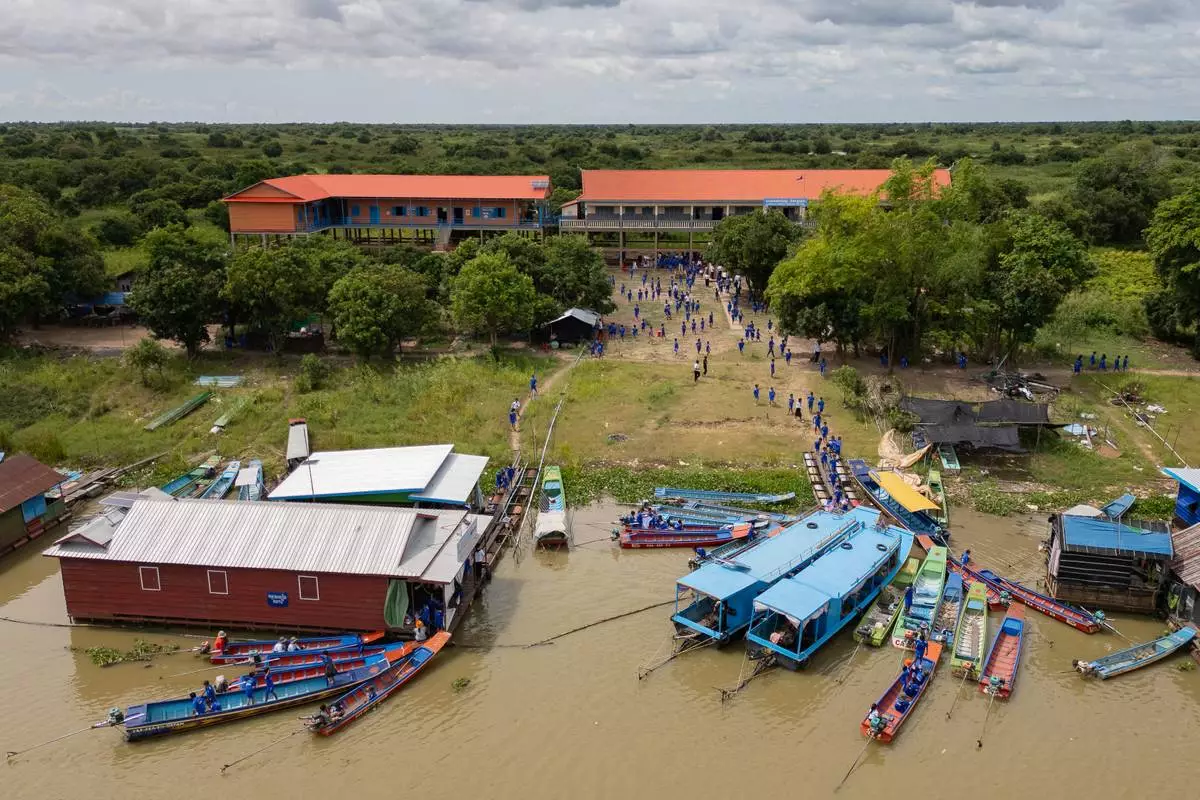
Students arrive at a school in a floating village on the Tonle Sap Lake, Cambodia, Tuesday, June 30, 2026. (AP Photo/Anton L. Delgado)

Students arrive at a school in a floating village on the Tonle Sap Lake, Cambodia, Tuesday, June 30, 2026. (AP Photo/Anton L. Delgado)

Recommended Articles