Amputees in Gaza are struggling to secure access to prosthetics and recovery services, further hindering journeys to regain mobility that can already take months or even years.
Surviving an airstrike was only the beginning for thousands of Palestinians who have suffered amputations in Gaza. With prosthetic materials and rehabilitation services in short supply, many are struggling to regain independence.
Thirteen-year-old Omar Halawa lost his right leg from above the knee in an Israeli airstrike last year that killed several of his cousins. Nearly a year later, he is still waiting for a suitable prosthetic limb.
"I dream of living a good life in a safe place and getting a prosthetic leg so I can walk normally and play football with my friends," the boy said.
Halawa and his family now live in displacement tents west of Gaza City. Their harsh living conditions make his recovery even harder, and repeated visits to hospitals and a prosthetics center have brought little progress.
"We have been following up with the prosthetics center, but the materials needed for his joint are still unavailable. His right leg was amputated from above the knee. For nearly a year, we have been going to hospitals and the prosthetics center," said Yasmeen Halawa, Omar's mother.
Ghassan Salman lost one leg in an Israeli strike and suffered multiple fractures in the other.
"We hope better prosthetic materials can become available. Prosthetic technology abroad is far more advanced. Our situation could be much better if these materials were allowed in, or if we could receive treatment abroad," Salman said.
Despite limited resources, medical teams are striving to provide amputees with basic support. Their efforts include manufacturing prosthetic limbs locally from simple materials to help patients regain some mobility.
"There are thousands of amputation cases because of the war, while Israel prevents specialized materials from entering Gaza. We use local alternatives, but they cannot replace internationally manufactured components, particularly in terms of weight and durability," said Fares Saleha, a prosthetics specialist.
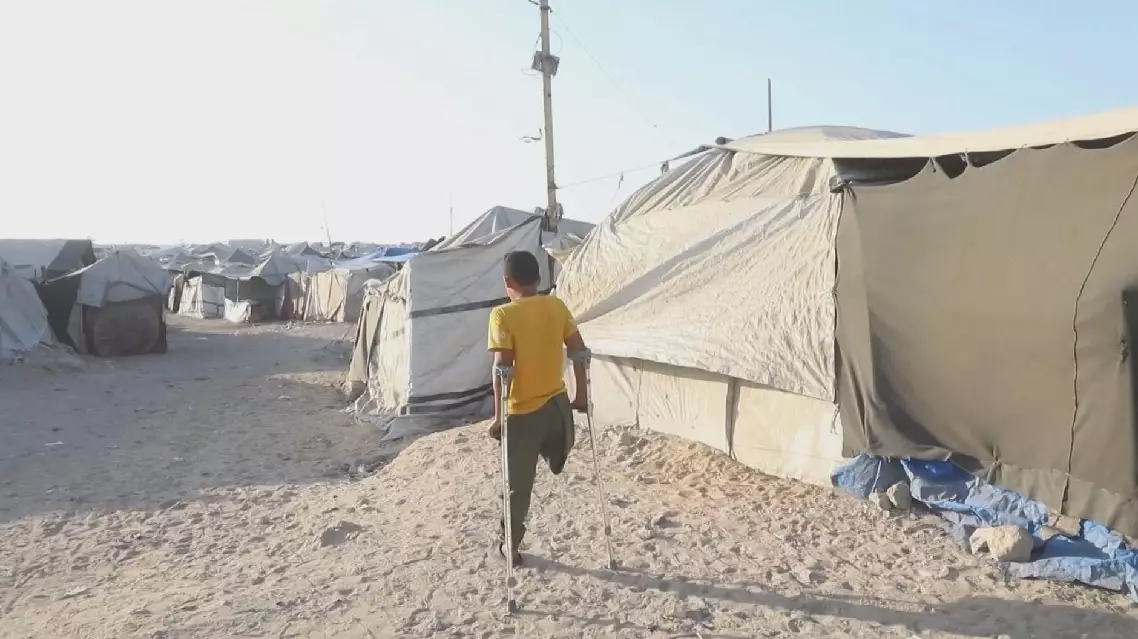
Gaza amputees struggling to secure access to recovery as Israel limits prosthetic materials
An ongoing Ebola outbreak in Ituri Province of the Democratic Republic of the Congo (DRC) is increasingly blocking access to routine health services, with medical workers warning that the fear of infection is driving expectant mothers away from clinics and putting both women and newborns at greater risk.
The DRC has recorded 4,945 confirmed cases, including 2,325 deaths, since the current outbreak began earlier this year, putting the case fatality rate at 47 percent, according to a situation report released Sunday by the country's health authorities.
The latest death toll has now surpassed that of the 2018-2020 Ebola outbreak in eastern DRC, making the current epidemic the deadliest Ebola outbreak ever recorded in the country.
Fears over the spread of the disease means many are choosing to stay away from medical facilities. At the Elikya Hospital in the provincial capital Bunia, some staff say prenatal attendance has fallen despite efforts to reassure pregnant women and encourage them to continue regular checkups.
Midwife Leonie Banana said missed appointments can prevent early detection of problems that can often be managed if caught in time.
"When women miss appointments, it becomes difficult to know in time if the fetus has a problem. We can sometimes detect these complications before they become serious. But when women stay home for fear of infection, we see more complications, including stillbirths and premature births," she said.
The anxiety is palpable among those who do seek care. Janviette Ishara, a new mother who delivered during the outbreak, described the emotional strain of being treated near an Ebola treatment center, and said the surrounding environment and memories of Ebola-related deaths heightened her fear.
"It was really stressful because I was in a clinic near the Ebola treatment center. Even when the nurses and midwives came to see us, it sometimes traumatized me. We had also witnessed many Ebola-related deaths. I thought to myself, 'Lord, I don't want to risk catching this disease,'" said Ishara.
The United Nations Population Fund (UNFPA) said the indirect impact of the outbreak is showing up in maternal mortality figures. According to UNFPA, maternal deaths rose from 3.1 to 5.8 per week between May 25 and July 19 this year. National data also indicated that deaths occurring outside healthcare facilities nearly doubled, a trend that health experts often associate with delayed care and untreated complications.
To limit the risk of infection, healthcare teams continue to strive for continuity of care, while enhancing Ebola safety protocols.
"Several healthcare facilities were closed for a period of time. We too were closed for 21 days. Healthcare staff were quarantined to ensure that no one showed any signs of the disease and thus prevent any potential contamination of patients. Then, we disinfected the entire facility before reopening it to patients. I would like to reassure women that the hospital is now safe. It is better to come here for treatment than to manage complications at home," said Yazid Yacim, medical director of the Elikya Hospital.
Despite these attempted reassurances, a sense of anxiety persists, complicating treatment for both pregnant women and other patients including children. Health workers hope that their efforts will help to restore trust, so all patients can continue accessing the care they need without fear of contracting Ebola.
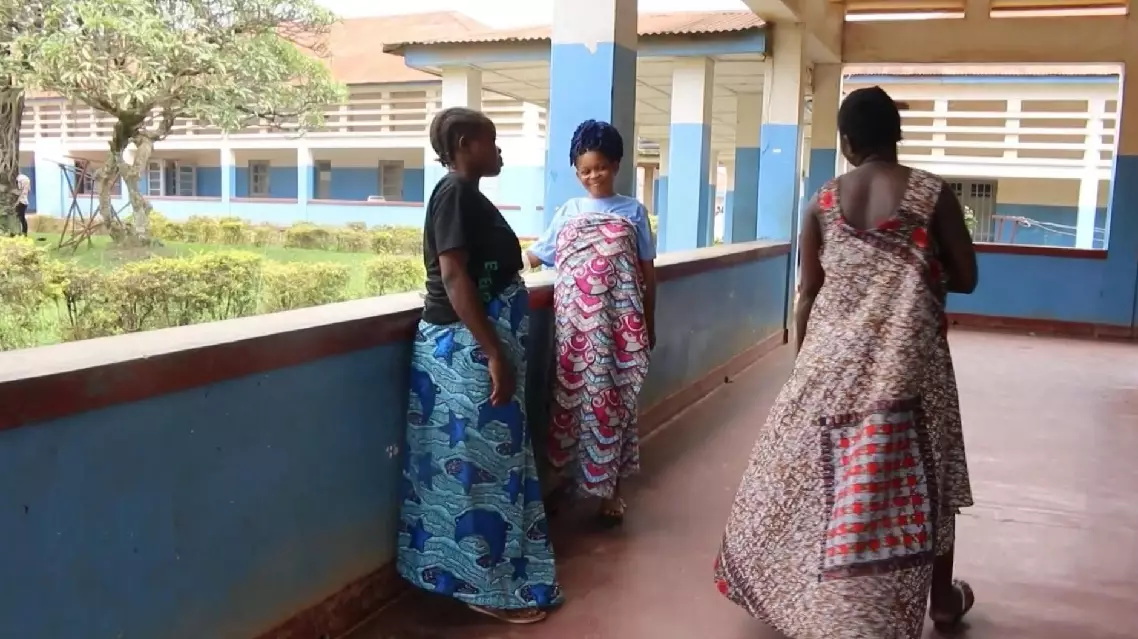
Ebola fears keep pregnant women away from medical centers in DRC