Skip to Content Facebook Feature Image

Minnesota attorney general sues Texas governor to compel extradition of ICE agent for trial

News

Minnesota attorney general sues Texas governor to compel extradition of ICE agent for trial
News

News

Minnesota attorney general sues Texas governor to compel extradition of ICE agent for trial

2026-08-19 03:13 Last Updated At:03:20

ST. PAUL, Minn. (AP) — Minnesota's attorney general sued the governor of Texas on Tuesday, seeking to compel the extradition of an Immigration and Customs Enforcement agent charged with wounding a man and then lying to justify the shooting during the agency's crackdown in Minneapolis.

Attorney General Keith Ellison is asking a federal judge to bar the sheriff in Cameron County, Texas, from releasing ICE agent Christian Castro, and to order Texas Gov. Greg Abbott to sign his extradition warrant so that Minnesota officers can take custody.

Minnesota officials have clashed with the federal government over who has jurisdiction to investigate and prosecute federal officers for on-duty conduct. Ellison is a Democrat and Abbott is a Republican ally of President Donald Trump.

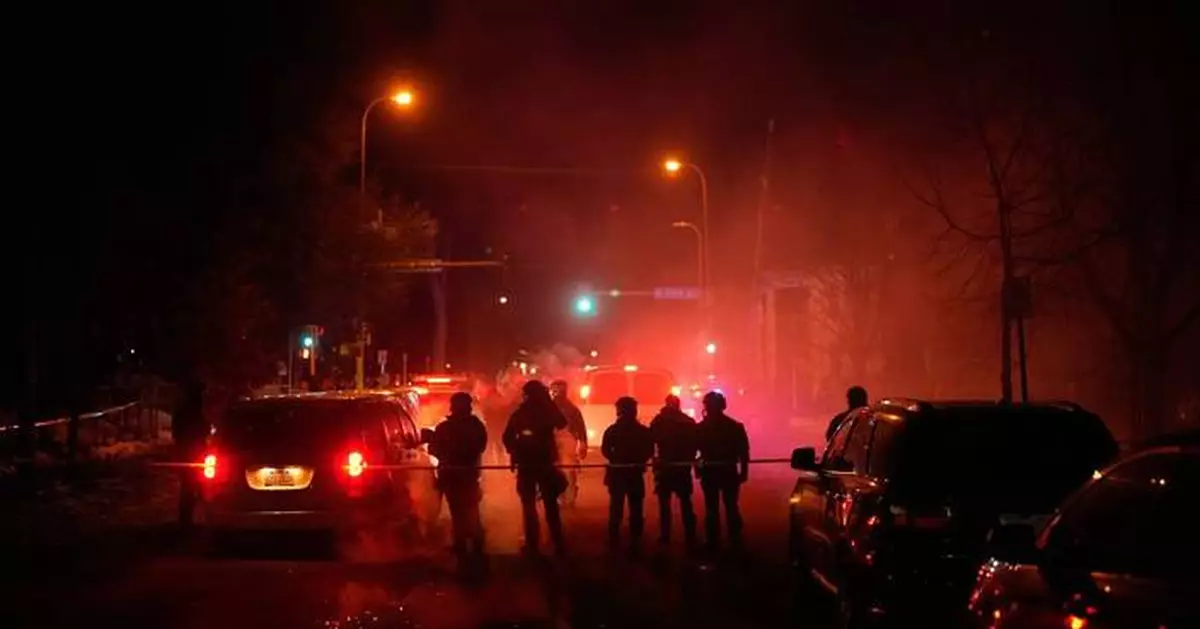
Castro was arrested in Texas in May on Minnesota charges of assault and falsely reporting a crime in the Jan. 14 wounding of Julio Cesar Sosa-Celis. Castro, 52, is accused of firing a gun through the front door of a Minneapolis home, striking Sosa-Celis in the leg with a bullet that lodged in a child’s bedroom wall. Prosecutors say Castro then falsely accused Sosa-Celis and another man of attacking an ICE officer with a broom handle and a snow shovel.

Ellison told a news conference that unless he's extradited, Castro could be released from jail next week -- 90 days since he was detained -- under Texas law. And if he's freed, Castro could slip into Mexico from the border town where he's being held, Ellison said. The lawsuit said Castro has been making calls from jail to a woman in Mexico, talking “about marrying her and buying a house in Mexico when he is released.”

“Christian Castro has been charged with breaking the law in Minnesota,” Ellison said. “He must face justice in Minnesota. Gov. Abbott should have granted Gov. Walz’s extradition request long ago and is required to do so now.”

It was not immediately known if Castro had a lawyer who could speak for him. Online court records in Minnesota and county jail records in Texas did not list a defense attorney.

Abbott's office said in a statement that it would not comment on “pending extradition matters.”

Hennepin County Attorney Mary Moriarty said the legal action to compel Castro’s extradition “should be a completely unnecessary lawsuit.” She said jail officials and prosecutors in Texas have been “very cooperative,” and that an extradition “is not supposed to be controversial.”

The office of Cameron County Sheriff Manny Trevino declined to comment Tuesday on the case.

Authorities say Sosa-Celis was shot after Castro and another officer chased a different man, Alfredo Alejandro Aljorna, to the Minneapolis apartment duplex where he and Sosa-Celis lived. Sosa-Celis and Aljorna were legally in the U.S., according to Minnesota officials.

Federal authorities initially accused Sosa-Celis and Aljorna of beating an officer. A federal judge later dismissed the charges, and ICE and the Justice Department opened an investigation into whether agents lied about what happened.

Regardless, the U.S. Department of Homeland Security has called Moriarty's prosecution of Castro “unlawful and nothing more than a political stunt,” saying only federal authorities have jurisdiction in the case.

The federal government took a similar stance following the fatal shootings of Renee Good and Alex Pretti during the Minneapolis enforcement surge. Moriarty sued the Trump administration to gain access to evidence in those cases before federal prosecutors turned it over last month.

The extradition lawsuit Ellison filed in U.S. District Court in Texas cites a 1987 U.S. Supreme Court ruling that compliance with the Constitution’s extradition clause is mandatory, affording no discretion to the governor or courts of a state where a defendant is being held.

Moriarty said that since Castro’s arrest, Texas has extradited three unrelated criminal defendants without incident to Minnesota.

“Gov. Abbott has received communication with us on an ongoing basis, including recently,” Ellison said. “We have to take the position that they are refusing to honor the extradition request.”

Bynum reported from Savannah, Georgia. AP journalist Valerie Gonzalez in McAllen, Texas, contributed.
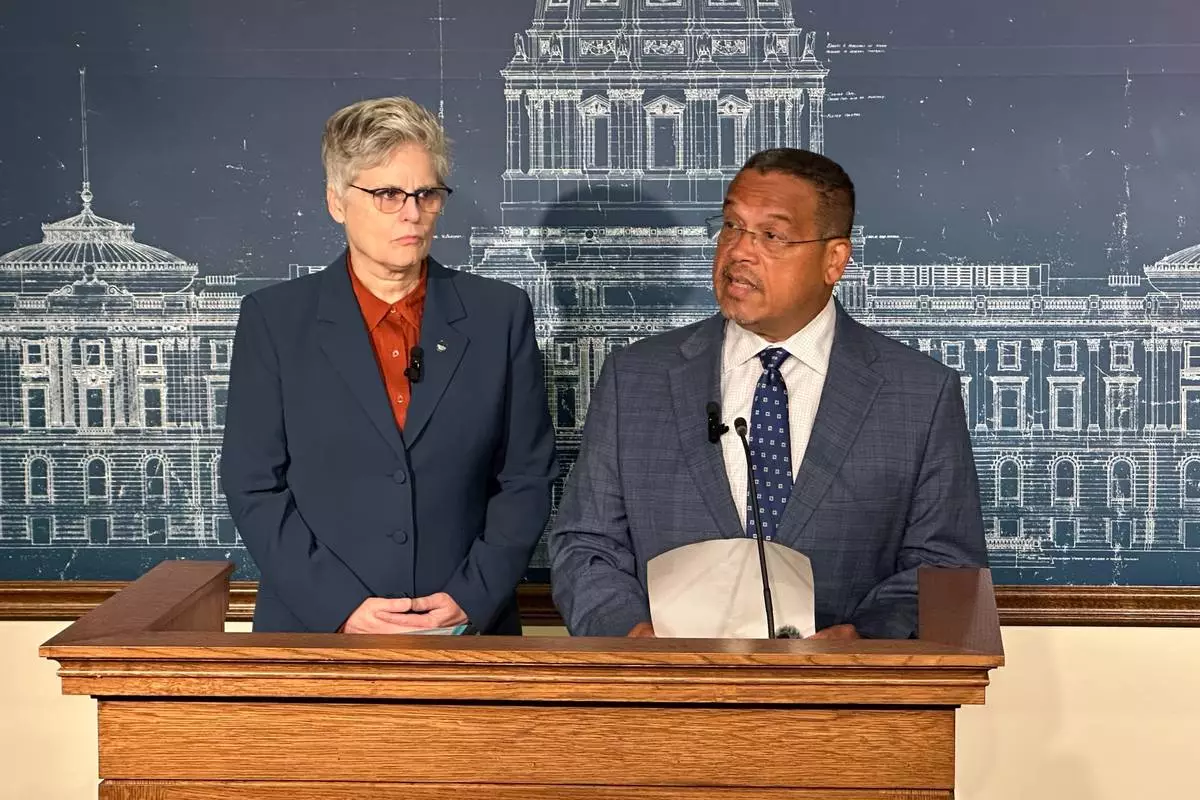
Minnesota Attorney General Keith Ellison, right, speaks during a news conference as Hennepin County Attorney Mary Moriarty looks on, Tuesday, Aug. 18, 2026, in St. Paul, Minn. (AP Photo/Mark Vancleave)
Minnesota Attorney General Keith Ellison, right, speaks during a news conference as Hennepin County Attorney Mary Moriarty looks on, Tuesday, Aug. 18, 2026, in St. Paul, Minn. (AP Photo/Mark Vancleave)

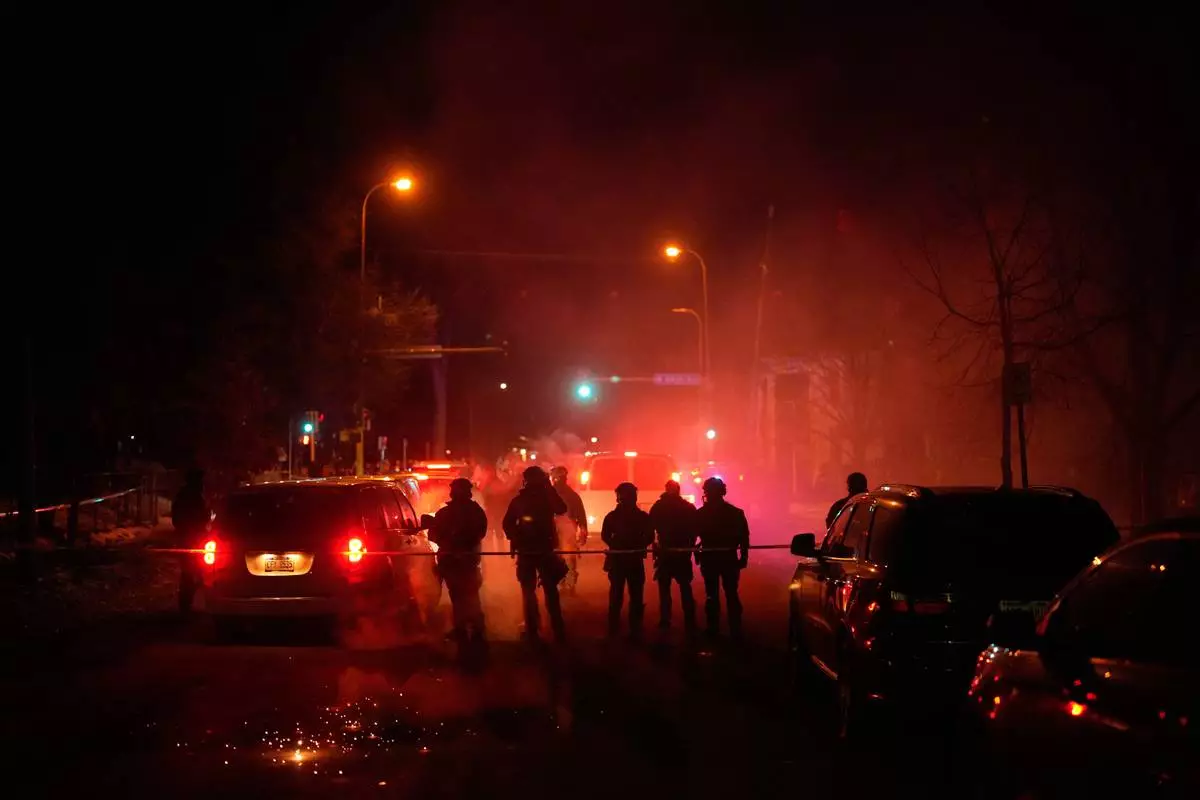
FILE - Tear gas surrounds federal law enforcement officers as they leave a scene after a shooting on Jan. 14, 2026, in Minneapolis. (AP Photo/John Locher, File)

FILE - Tear gas surrounds federal law enforcement officers as they leave a scene after a shooting on Jan. 14, 2026, in Minneapolis. (AP Photo/John Locher, File)
ALBUQUERQUE, N.M. (AP) — The Trump administration announced Tuesday it is moving ahead with plans to rescind a quarter-century-old rule that blocked logging, road building and other development on national forest lands, drawing the ire of environmentalists nationwide.

The U.S. Forest Service is filing a proposal that would scrap the so called roadless rule adopted in the last days of Bill Clinton’s presidency in 2001. The agency described the rule as a one-size-fits-all restriction that has frustrated land managers and served as a barrier to reducing wildfire risks in the nation’s forests.

“Our forests can’t afford another decade of inaction. Across the country, we’ve watched preventable conditions — overgrown stands, insect outbreaks and disease — turn healthy landscapes into tinderboxes,” U.S. Agriculture Secretary Brooke Rollins said in a statement.

Scientists say that worsening wildfires are driven by a combination of climate change that warms and dries out forests, less logging and decades of fire suppression that has allowed fuels to build up.

Clinton had signed the rule to safeguard undeveloped national forest land from commercial logging and mineral leasing, with a goal of keeping ecosystems pristine and protecting water supplies.

Calling the roadless rule a failure, Rollins said the proposal calls for restoring authority to local forest managers and removing barriers that have kept them from improving forest health across millions of acres.

The roadless rule has affected 30% of national forest lands nationwide, or about 59 million acres (24 million hectares), according to the U.S. Department of Agriculture, the agency over the Forest Service.

The Forest Service will gather public comment on the proposal and on a draft of the environmental impact statement that was filed Tuesday in the Federal Register. While the rescission removes national designation of roadless areas, officials say it doesn't mandate timber cutting or road construction.

The filing of the proposal comes as no surprise as the Trump administration first announced its intention to get rid of the rule during a meeting last summer of Western governors in New Mexico.

Environmentalists have been sounding the alarm since then and reiterated Tuesday that lifting protections would have detrimental effects for old growth forests, wildlife and water supplies.

“Americans across the political spectrum have made it crystal clear that they don’t want political appointees removing protections from public lands,” said Chris Krupp, an attorney with the group WildEarth Guardians. “It would be a gross misreading of public sentiment to take the roadless rule away from Americans and our wildlife, and politicians do so at their jeopardy.”

The Alaska Wilderness League and other groups raised concerns about what a rescission could mean for places such as Alaska’s Tongass National Forest, the nation's largest national forest and a lightning rod for litigation. State political leaders there have supported an exemption to the roadless rule that they argue impedes economic opportunities.

During the latter part of Trump’s first term, the federal government lifted restrictions on logging and road-building in the Tongass, something the Biden administration later reversed.

Emma Powell, the Alaska Wilderness League's government affairs manager, described the Tongass as a global treasure that serves as a home for salmon runs and abundant wildlife. She added that cultures and livelihoods are connected to the forest.

“From fisheries to tourism and outdoor recreation, these landscapes also support thousands of jobs and generate billions in economic activity each year,” Powell said.

Alex Craven, the Sierra Club's forest campaign manager, disputed officials' claims that getting rid of the rule would allow for more work to be done to reduce wildfire threats. Craven suggested more roads would lead to more fires and that it never prevented the Forest Service from doing targeted work to reduce wildfire fuels.

He vowed that the Sierra Club and other groups would fight the proposal at each step.

The deadline for comments is Sept. 21.

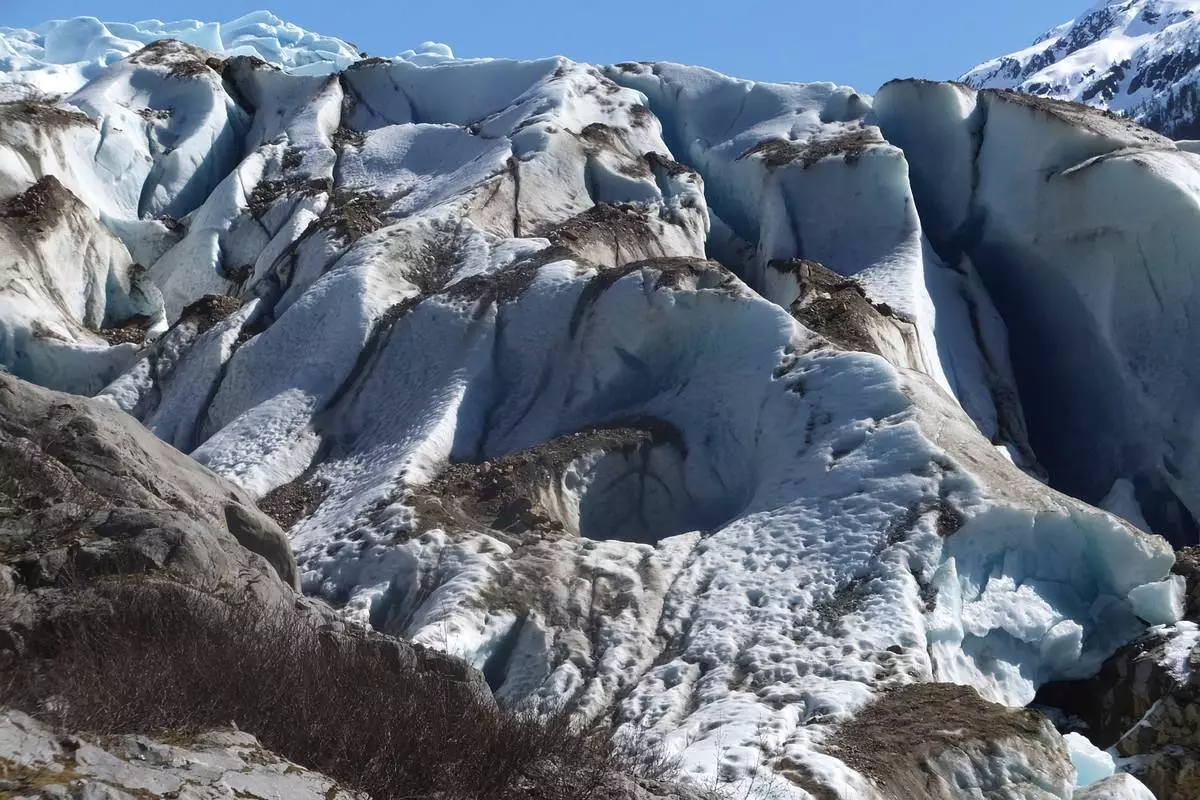
FILE - The Herbert Glacier is seen, April 23, 2017, near Juneau, Alaska, in the Tongass National Forest. (AP Photo/Becky Bohrer, File)

FILE - The Herbert Glacier is seen, April 23, 2017, near Juneau, Alaska, in the Tongass National Forest. (AP Photo/Becky Bohrer, File)

Recommended Articles