Skip to Content Facebook Feature Image

U.S. stocks close lower as oil prices, treasury yields rise

HotTV

HotTV

HotTV

U.S. stocks close lower as oil prices, treasury yields rise

2026-08-21 13:29 Last Updated At:15:56

U.S. stocks ended lower on Thursday as U.S. bond yields rebounded and crude oil prices pushed higher amid ongoing geopolitical tensions in the Middle East.

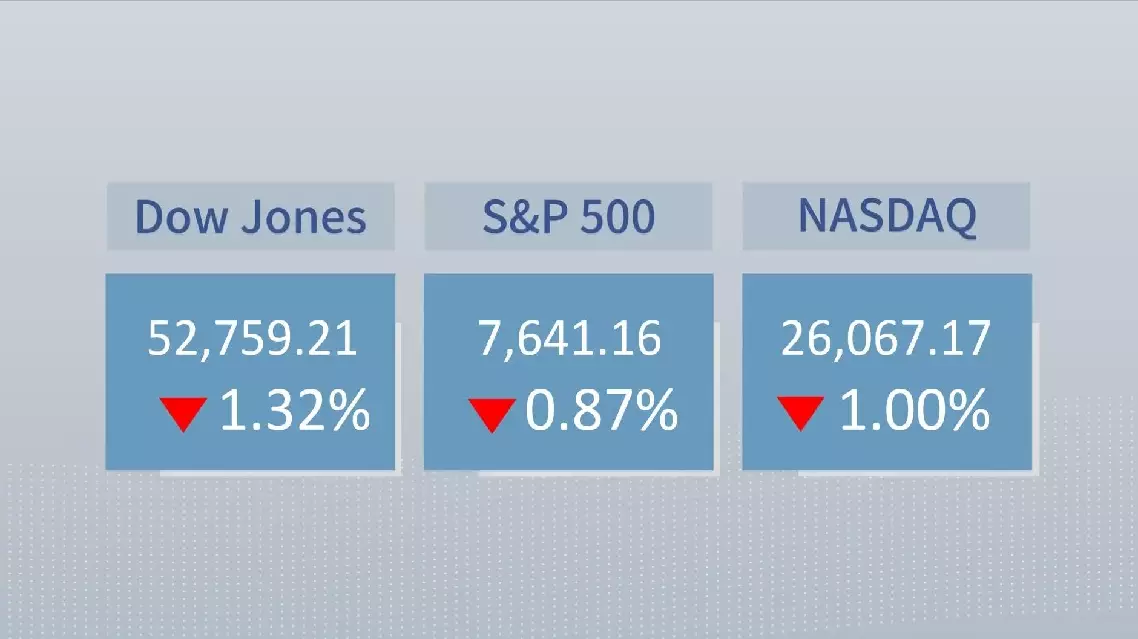
The Dow Jones Industrial Average fell 703.84 points, or 1.32 percent, to 52,759.21. The S and P 500 sank 66.82 points, or 0.87 percent, to 7,641.16. The Nasdaq Composite Index shed 263.92 points, or 1 percent, to 26,067.17.

Nine of the 11 primary S and P 500 sectors ended in the red, with consumer staples and healthcare leading the laggards by dropping 1.93 percent and 1.89 percent, respectively. Energy and real estate were the only gainers, rising 0.38 percent and 0.15 percent, respectively.

Bond market dynamics remained central to market sentiment following recent moves by U.S. Treasury Secretary Scott Bessent to rein in long-dated yields, an intervention that analysts noted could complicate monetary policy under Federal Reserve Chairman Kevin Warsh. U.S. Treasury yields climbed again on Thursday, as the yield on the benchmark 10-year Treasury note rising 4 basis points to 4.69 percent, while the 30-year bond yield increased by 4 basis points to 5.24 percent.

Market participants also turned increased attention toward U.S. fiscal conditions as the national debt surpassed the 40-trillion-U.S.-dollar threshold, having more than doubled in less than a decade. While Treasury officials downplayed the milestone by emphasizing long-term economic expansion, some market strategists warned of mounting structural debt pressures.

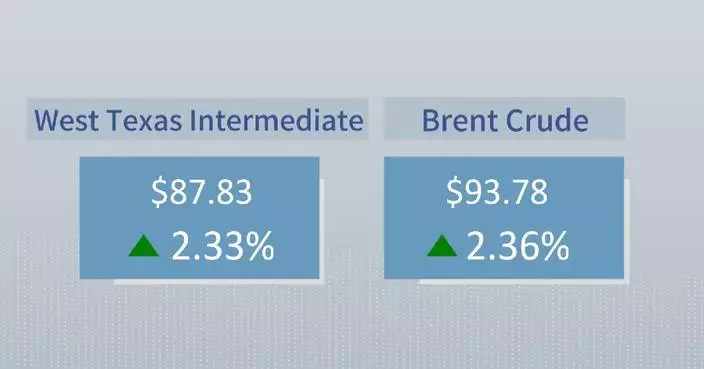
In energy markets, crude oil prices advanced as unresolved conflicts surrounding the Strait of Hormuz and the military standoff with Iran sustained a geopolitical risk premium. West Texas Intermediate crude for September delivery added 2 U.S. dollars, or 2.33 percent, to settle at 87.83 dollars a barrel on the New York Mercantile Exchange. Concurrently, Brent crude for October delivery increased by 2.16 dollars, or 2.36 percent, to finish at 93.78 dollars a barrel on the London ICE Futures Exchange.

In corporate developments, Walmart sank 9.15 percent after issuing softer-than-expected third-quarter guidance. Agricultural machinery manufacturer Deere and Company jumped almost 7 percent after reporting quarterly results, while Advance Auto Parts tumbled 24.55 percent and NetEase shed nearly 6 percent.
U.S. stocks close lower as oil prices, treasury yields rise

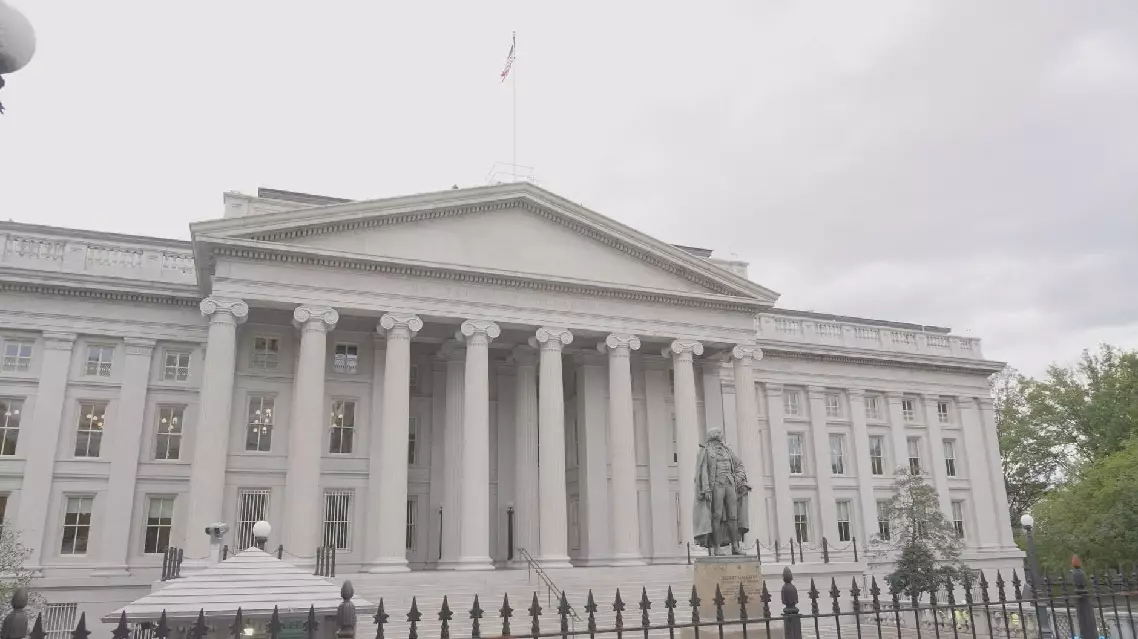
U.S. stocks close lower as oil prices, treasury yields rise

U.S. Treasury Secretary Scott Bessent said Thursday that the government's long-dated bond buyback could be more than the recently announced 4 billion U.S. dollars, sparking concerns over rising inflation and mounting pressures on the Federal Reserve.

The U.S. Treasury announced Wednesday that it would at least double the size of its buyback program for 10- to 30-year Treasury bonds, aiming to provide more liquidity support to the long end of the market and curb the unsettling surge of treasury yields.

Bessent revealed in an interview on Thursday that the size of the buyback could be more than 4 billion U.S. dollars per issue, but didn't provide a specific number, saying the figure will depend on market conditions.

U.S. Treasury yields dropped following Bessent's statement. However, for the whole day, the yield on the benchmark 10-year Treasury note rose 4 basis points to 4.69 percent, while the 30-year bond yield increased by 4 basis points to 5.24 percent.

Speaking of the national debt, which has more than doubled in a decade to surpass the 40-trillion-U.S.-dollar mark, Bessent downplayed the milestone by emphasizing long-term economic expansion.

"There's nothing magic about the 40-trillion number," he said, asserting the U.S. will grow its way out of this.

Market analysts have warned that the intervention risk fueling inflation and complicating the Fed's monetary policy work.

They predict the Treasury will fund the buyback program by issuing short-term debt, an operation of replacing issuance of longer-term debt with shorter-term bills to curb long-term bond yields.

When the Treasury relies more on short-term debt, it becomes more sensitive to changes in interest rates. Once the Fed raises interest rates, the government's interest payments will increase rapidly, further driving up the total size of the national debt.

Therefore, analysts believe the buyback program is not a good solution to market problems, as structural debt pressures have already been out of the control of the Treasury and the government.

Investors are also skeptical that the Treasury's intervention can provide a lasting market relief. If the measure proves ineffective, it could further undermine the credibility the dollar and the Treasury.

US bond buyback expansion could fuel inflation, complicate Fed’s monetary policy work: analysts

US bond buyback expansion could fuel inflation, complicate Fed’s monetary policy work: analysts

Recommended Articles