Skip to Content Facebook Feature Image

China's humanoid robot push draws global attention at Beijing conference

China

China

China

China's humanoid robot push draws global attention at Beijing conference

2026-08-21 13:51 Last Updated At:15:56

As humanoid robots take center stage at the Beijing World Robot Conference, global industry players are turning to China for answers on how to turn innovation into real-world applications.

The conference opened Wednesday, bringing more than 3,000 exhibits, with one tenth of them premiered. Running for five days, the event has drawn over 300 exhibitors, up 69 percent from last year, and more than 60 activities are on agenda.

For those who have traveled thousands of miles, the question on everyone's mind is no longer what robots can do, but where they are headed next.

"China is pretty advanced when it comes to the humanoid robots. But what I'm really curious about is how China manages to put these humanoid robots into real-life applications. That is something that I was looking around to see in Beijing," said Mohamadreza Sabaghian, program manager of Amazon Robotics in Germany.

Also on the hunt for new business is a Serbian startup specializing in charging technology, which is eying the burgeoning humanoid robot market.

"We want to find some partners, some investors, to provide our technology to some big companies in China," said Luka Mrdja, co-founder of SLM Charging Technology.

Different technologies may follow different trajectories, but the consensus on the forum stage was clear — innovation only matters when it becomes a product that makes life better.

A report released at the forum shows that humanoid robots are now moving beyond small‑scale trials.

In the first half of 2026, China's shipments topped 40,000 units — making up 97.4 percent of the global total. But the story is about more than just numbers.

"And it's really impressive to see all of the different models, all of the different application. When I came here I was really surprised by the fireman robots. I didn't even think that was a possibility. So that was great," said Naomi Vogel, an analyst at Endeavour Management Services.

"Without any hesitation of the future. Moving, trying to improve constantly. And I think it's gonna be very interesting to see how China is leading this effort in humanoid robots," said Bernard Vogel, co-founder and director of Endeavour Vision.

While the widespread use of humanoid robots may still be years away, the push to find meaningful applications has already begun in earnest.
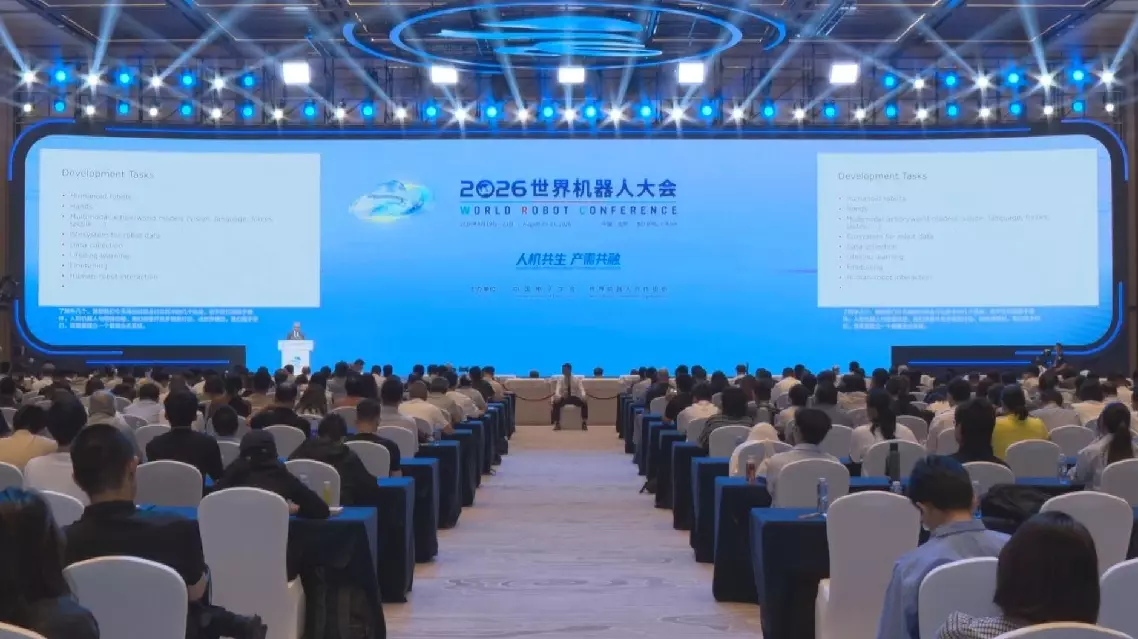
China's humanoid robot push draws global attention at Beijing conference

China's humanoid robot push draws global attention at Beijing conference

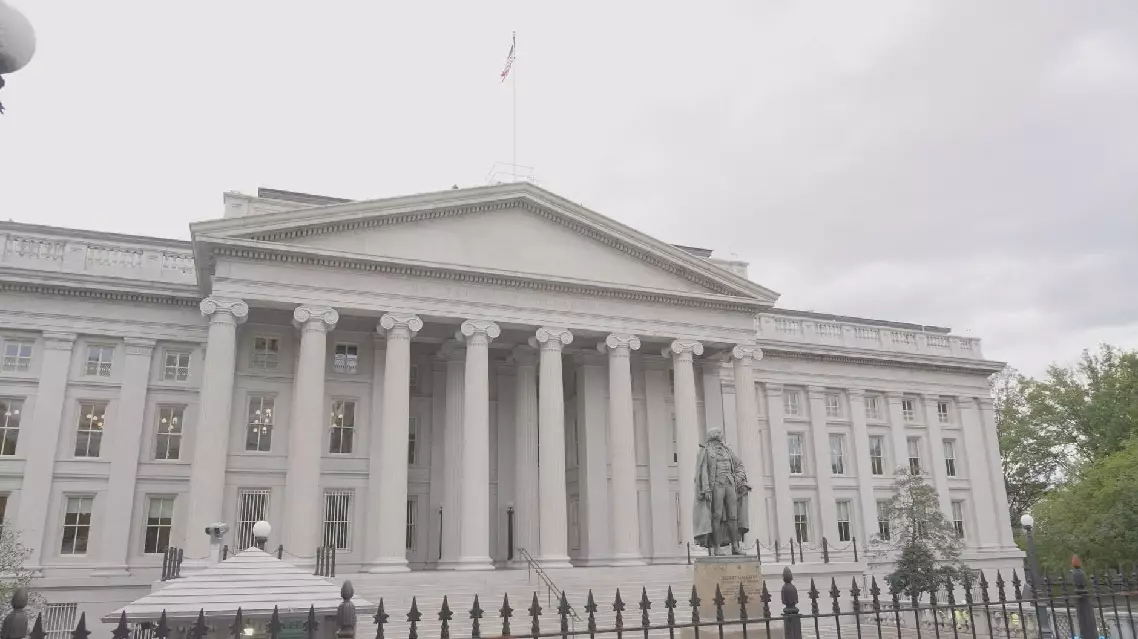
U.S. Treasury Secretary Scott Bessent said Thursday that the government's long-dated bond buyback could be more than the recently announced 4 billion U.S. dollars, sparking concerns over rising inflation and mounting pressures on the Federal Reserve.

The U.S. Treasury announced Wednesday that it would at least double the size of its buyback program for 10- to 30-year Treasury bonds, aiming to provide more liquidity support to the long end of the market and curb the unsettling surge of treasury yields.

Bessent revealed in an interview on Thursday that the size of the buyback could be more than 4 billion U.S. dollars per issue, but didn't provide a specific number, saying the figure will depend on market conditions.

U.S. Treasury yields dropped following Bessent's statement. However, for the whole day, the yield on the benchmark 10-year Treasury note rose 4 basis points to 4.69 percent, while the 30-year bond yield increased by 4 basis points to 5.24 percent.

Speaking of the national debt, which has more than doubled in a decade to surpass the 40-trillion-U.S.-dollar mark, Bessent downplayed the milestone by emphasizing long-term economic expansion.

"There's nothing magic about the 40-trillion number," he said, asserting the U.S. will grow its way out of this.

Market analysts have warned that the intervention risk fueling inflation and complicating the Fed's monetary policy work.

They predict the Treasury will fund the buyback program by issuing short-term debt, an operation of replacing issuance of longer-term debt with shorter-term bills to curb long-term bond yields.

When the Treasury relies more on short-term debt, it becomes more sensitive to changes in interest rates. Once the Fed raises interest rates, the government's interest payments will increase rapidly, further driving up the total size of the national debt.

Therefore, analysts believe the buyback program is not a good solution to market problems, as structural debt pressures have already been out of the control of the Treasury and the government.

Investors are also skeptical that the Treasury's intervention can provide a lasting market relief. If the measure proves ineffective, it could further undermine the credibility the dollar and the Treasury.

US bond buyback expansion could fuel inflation, complicate Fed’s monetary policy work: analysts

US bond buyback expansion could fuel inflation, complicate Fed’s monetary policy work: analysts

Recommended Articles