The Northwest Pacific has seen an unusually high number of typhoons this year, fueled by the El Niño phenomenon, according to the National Meteorological Center of the China Meteorological Administration.
The center's data shows 19 typhoons have formed over the waters so far this year, seven more than the historical average for the same period and marking a rare abnormal surge in typhoon activity.
Xu Yinglong, chief forecaster at the National Meteorological Center, analyzed the unusual typhoon patterns and underlying causes.
"A total of 19 typhoons have developed this year, compared with the historical average of around 12 for the same period, representing an excess of seven typhoons. Such a significant increase is quite rare in historical records," Xu noted.
"Affected by the strong El Nino event, this year's typhoons have been characterized by their formation locations being relatively more eastward. For example, Typhoon Bavi, Typhoon Dolphin, and currently Typhoon Saudel formed in such positions. These typhoons spend longer time traveling over the ocean and accumulate more energy, resulting in more severe impacts once they make landfall," he explained.
"Another feature is that many typhoons this year, such as Maysak, Bavi, Noul and Dolphin, have penetrated deep into inland areas after landing, bringing substantial impacts to central and eastern China," he continued.
El Nino is a climate cycle characterized by hotter-than-average ocean temperatures in the central and eastern tropical Pacific Ocean, which can disrupt global weather patterns, bringing floods to some areas and droughts to others.
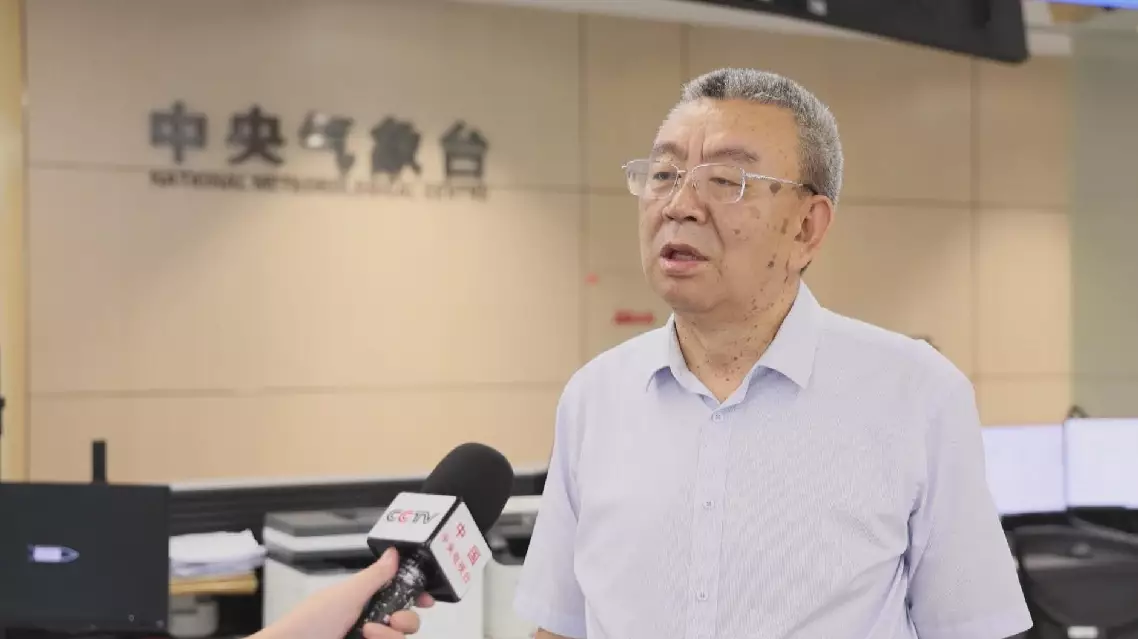
El Nino drives above-normal typhoon activity in Northwest Pacific: analyst
Displaced farming families are returning to their homeland in Gaza City, restoring fields and growing food again, though challenges like poor farming conditions and lack of supplies remain.
In parts of Gaza, farmland damaged during Israel's war on the enclave is slowly coming back to life.
Fresh vegetables are being harvested again from farmland in Gaza City's Al-Zaitoun neighborhood.
For the Al-Dahdouh family, these crops mark the return of their land to life.
The challenges have been immense. Nearly three years of war have left much of Gaza's farmland damaged or bulldozed, making the return to farming a difficult task for families trying to start again.
"When we returned after being displaced, the land was covered with piles of rubble and debris and was difficult to access. Everyone in the family worked together to rehabilitate it for farming. Thankfully, we were finally able to cultivate it again," said Wajiha Al-Dahdouh, a Palestinian farmer.
Rebuilding livelihoods and restoring a sense of normal life remains difficult after the three years of war, repeated displacement and the loss of income for many families.
"We can't afford to hire workers to help us with farming because of the high costs. We also face serious difficulties securing water for irrigation and pesticides. It has been a huge burden on us," said Iman Al-Dahdouh, another Palestinian farmer.
The Al-Dahdouh family is among around 350 farming families supported by United Nations Development Program (UNDP) with Relief Housing Units and farming assistance.
Around 1,100 families are expected to benefit in total.
"For the last three years, it has been total destruction, and people have had to leave their homelands. The families have been displaced multiple times to various locations in the midland south area of the Gaza Strip. What you see here now is life returning to the neighborhood, and UNDP supports these families through providing dignified shelters and housing solutions through what we call relief housing units," said Margunn Indreboe Alshaikh, deputy special representative of UNDP Palestine.
The initiative is part of UNDP's Neighbourhood Approach, combining housing with basic services and livelihood support.
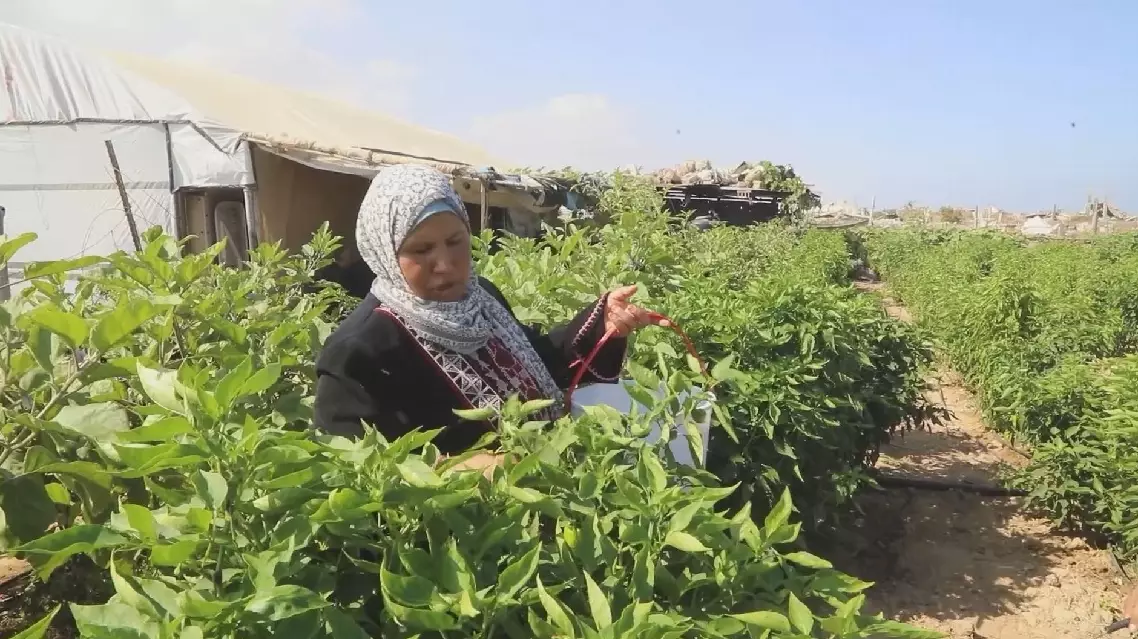
Displaced farmers arrive back in Gaza amid challenges