The northern Chinese city of Tianjin has seen a peak in both inbound and outbound travel so far in the current summer vacation season.
At the Tianjin International Cruise Home Port, thousands of tourists arrive on each cruise call to travel around China. Meanwhile, at the Tianjin Binhai International Airport, flights to and from destinations like the Republic of Korea (ROK) and Russia have been added and multiplied based on market demand, registering a month-on-month flight count increase of 24 percent.
According to statistics from the Tianjin immigration authorities, Tianjin's cruise ports have cleared over 90,000 inbound and outbound passenger trips since the start of the 2026 summer season.
Driven by China's 240-hour visa-free transit policy for travelers from some other countries, the number of foreign travelers entering and leaving Tianjin city has grown by nearly 15 percent year on year.
China's 240-hour (10-day) visa-free transit policy allows citizens from 57 eligible other countries holding valid passports and onward tickets to a third country or region (including Hong Kong, Macao, and Taiwan) to stay in 24 permitted Chinese provinces and municipalities for up to 10 days without a visa.
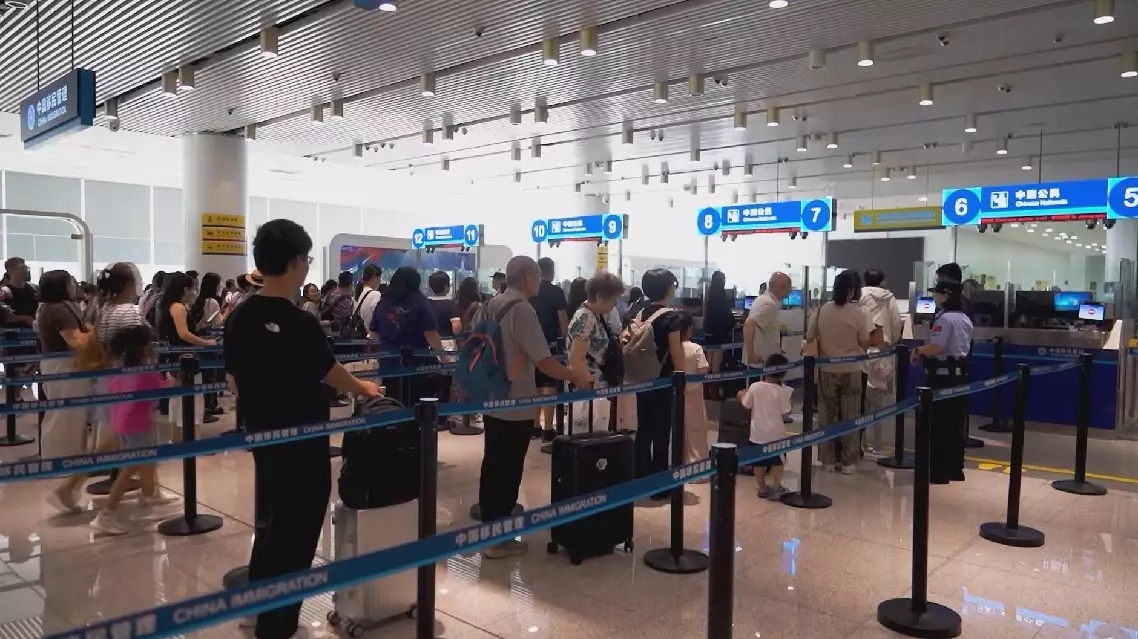
Inbound, outbound travel surges in north China's Tianjin during summer vacation season
Displaced farming families are returning to their homeland in Gaza City, restoring fields and growing food again, though challenges like poor farming conditions and lack of supplies remain.
In parts of Gaza, farmland damaged during Israel's war on the enclave is slowly coming back to life.
Fresh vegetables are being harvested again from farmland in Gaza City's Al-Zaitoun neighborhood.
For the Al-Dahdouh family, these crops mark the return of their land to life.
The challenges have been immense. Nearly three years of war have left much of Gaza's farmland damaged or bulldozed, making the return to farming a difficult task for families trying to start again.
"When we returned after being displaced, the land was covered with piles of rubble and debris and was difficult to access. Everyone in the family worked together to rehabilitate it for farming. Thankfully, we were finally able to cultivate it again," said Wajiha Al-Dahdouh, a Palestinian farmer.
Rebuilding livelihoods and restoring a sense of normal life remains difficult after the three years of war, repeated displacement and the loss of income for many families.
"We can't afford to hire workers to help us with farming because of the high costs. We also face serious difficulties securing water for irrigation and pesticides. It has been a huge burden on us," said Iman Al-Dahdouh, another Palestinian farmer.
The Al-Dahdouh family is among around 350 farming families supported by United Nations Development Program (UNDP) with Relief Housing Units and farming assistance.
Around 1,100 families are expected to benefit in total.
"For the last three years, it has been total destruction, and people have had to leave their homelands. The families have been displaced multiple times to various locations in the midland south area of the Gaza Strip. What you see here now is life returning to the neighborhood, and UNDP supports these families through providing dignified shelters and housing solutions through what we call relief housing units," said Margunn Indreboe Alshaikh, deputy special representative of UNDP Palestine.
The initiative is part of UNDP's Neighbourhood Approach, combining housing with basic services and livelihood support.
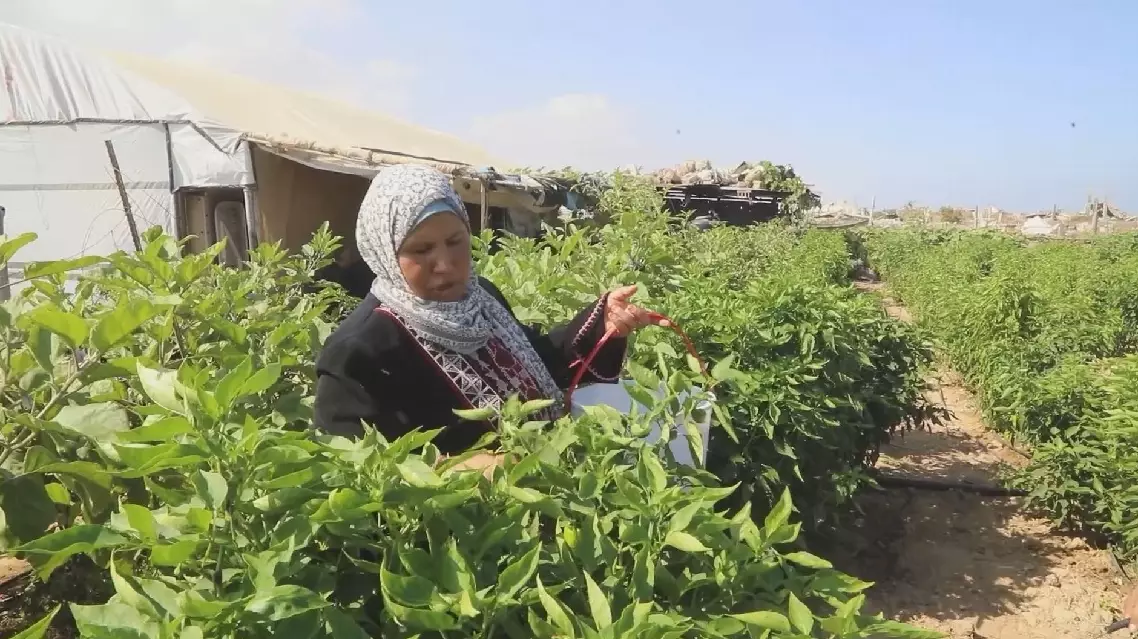
Displaced farmers arrive back in Gaza amid challenges