From August 23 to 25, the Working Group on Patriotic Education under the Constitution and Basic Law Promotion Steering Committee organised a three-day Hainan Wenchang space technology study tour. Led by its Convenor, Dr. Eliza Chan, the delegation brought together working group members Ms. Cally Kwong, Mr. Lee Luen-fai and Dr. James Li, Director of Information Services, Mr. John Tse, and more than 30 representatives from Hong Kong media organizations to learn about the development of China’s space technology.
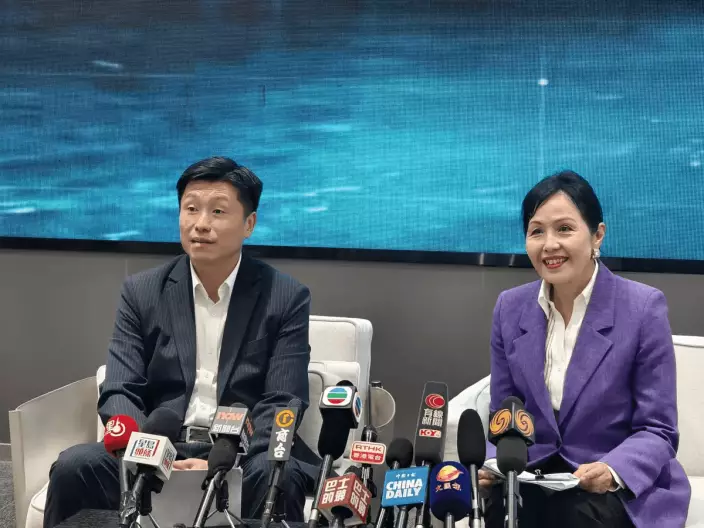
Mr. John Tse (left) and Dr. Eliza (right), Photo by Bastille Post
Mr. John Tse said China has achieved various valuable scientific results in areas, such as space station construction and deep-space exploration. The Multi-Spectral Imaging Carbon Observatory (MUSICO), Hong Kong’s first scientific payload to be stationed on China Space Station, was launched to the space station aboard the Tianzhou-10 cargo spacecraft in May 2026. It was subsequently assembled and tested in orbit by Hong Kong’s first payload specialist, Dr. Lai Ka-ying, and two other astronauts, and has operated well ever since. This not only reflects the country’s recognition of Hong Kong’s space research strength, but also marks Hong Kong’s shift in the space industry from a supporter to a participant, fully demonstrating the substantial contribution of Hong Kong’s research capabilities to the national space strategy.
Click to Gallery
Mr. John Tse (left) and Dr. Eliza (right), Photo by Bastille Post
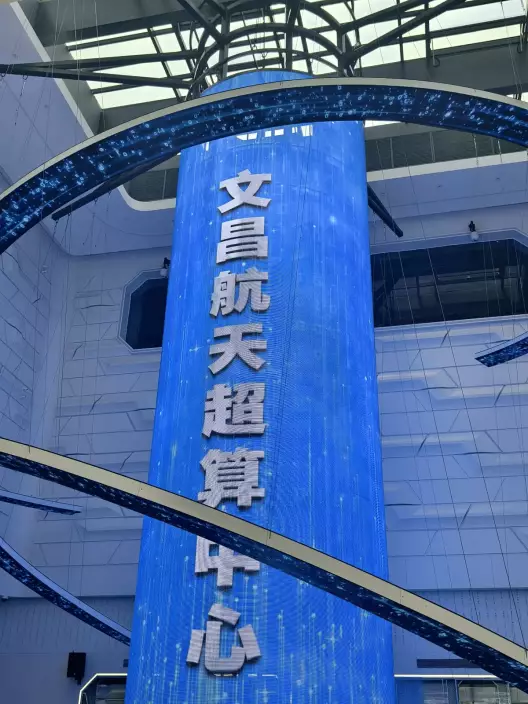
Wenchang Aerospace Supercomputing Centre, Photo by Bastille Post
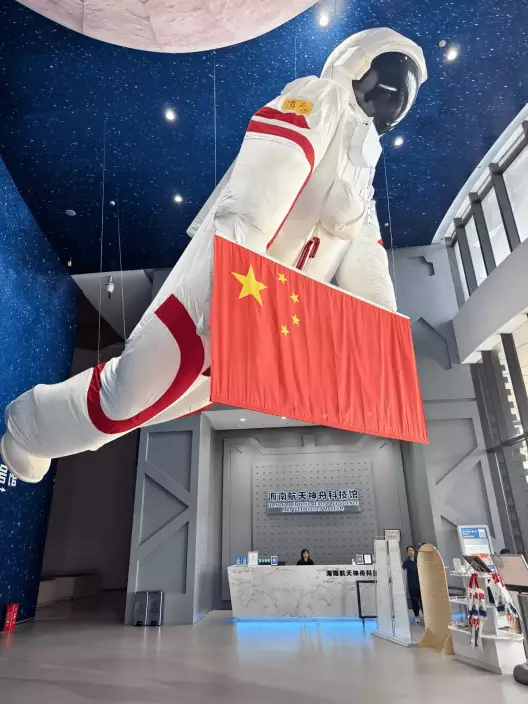
Photo by Bastille Post
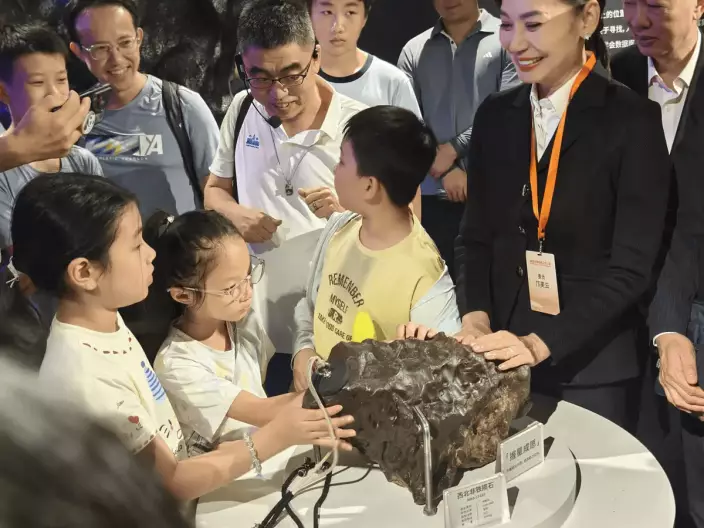
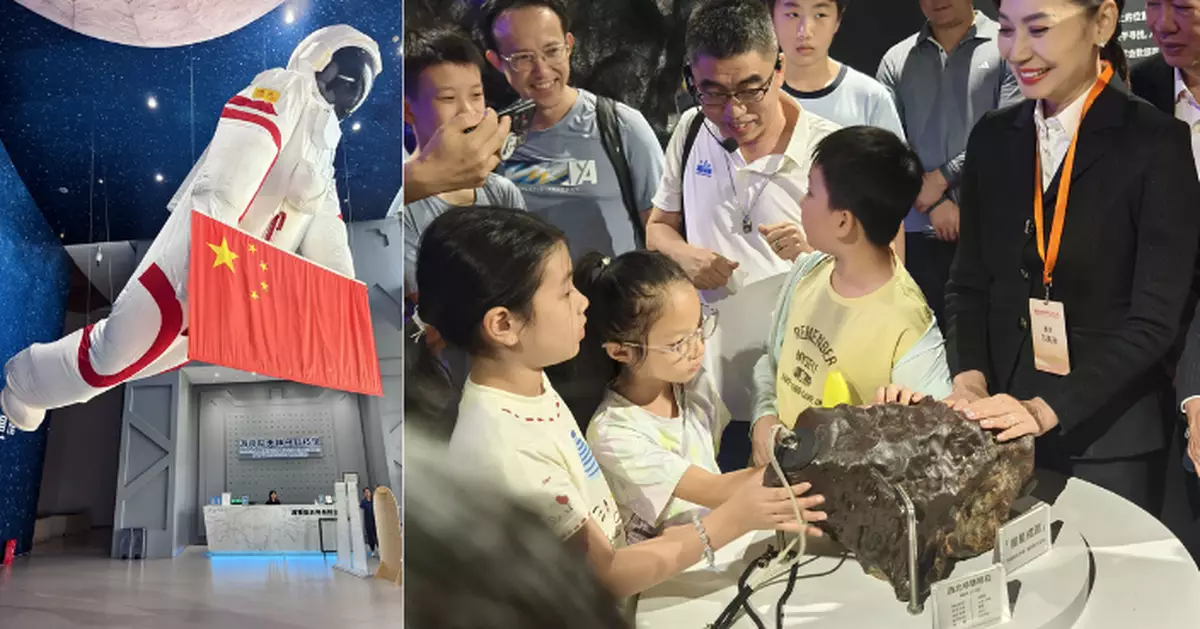
Ms. Cally Kwong and children touch a meteorite worth tens of millions of RMB. Photo by Bastille Post
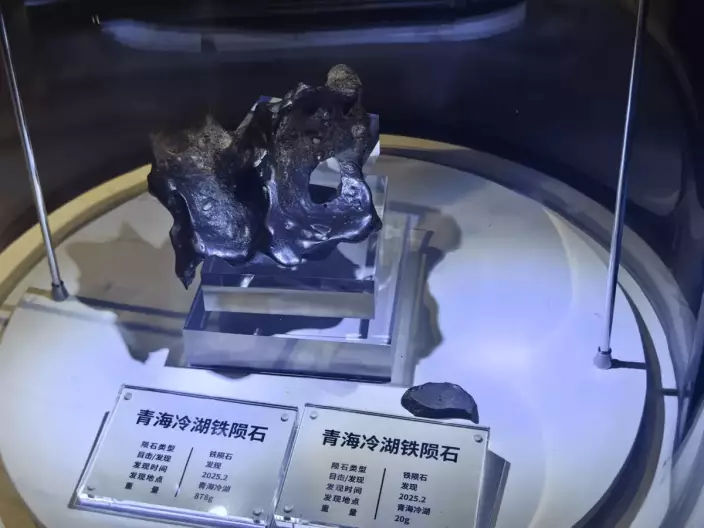
A meteorite. Photo by Bastille Post
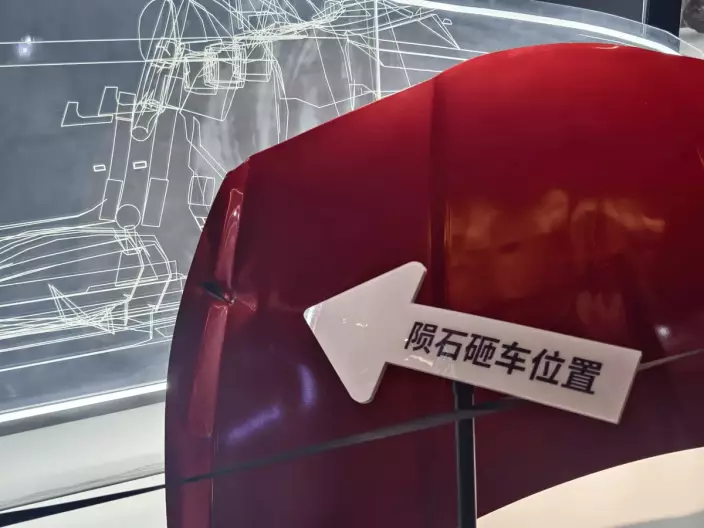
The museum purchased an actual car from Hotan, Xinjiang, that was struck by a meteorite. Photo by Bastille Post
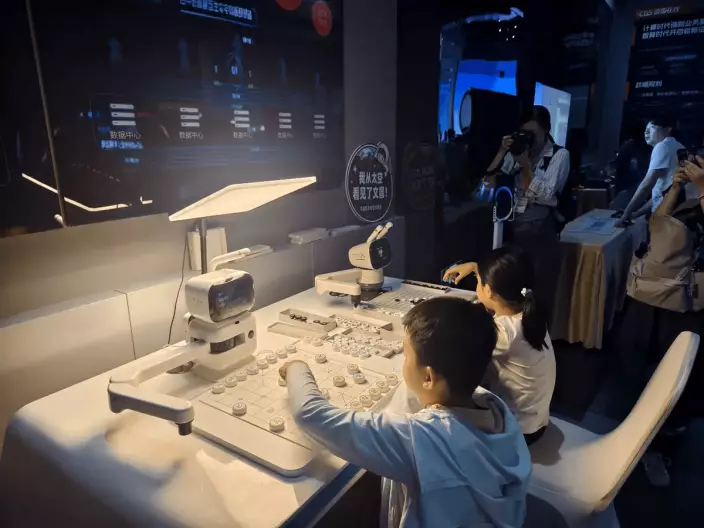
Children play Chinese chess with AI robots inside the supercomputing centre. Photo by Bastille Post
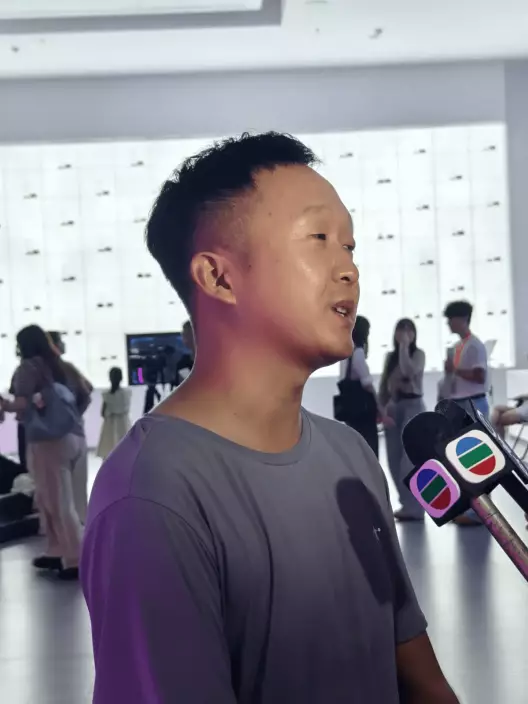
Mr. Wang, Photo by Bastille Post
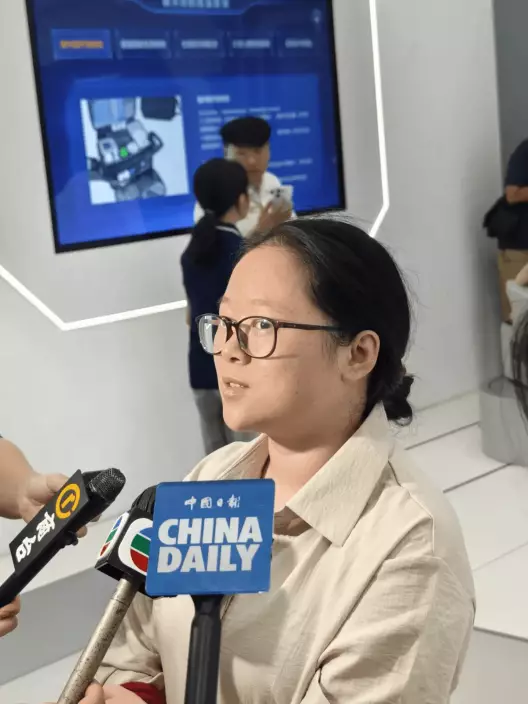
Ms. Yu, Photo by Bastille Post
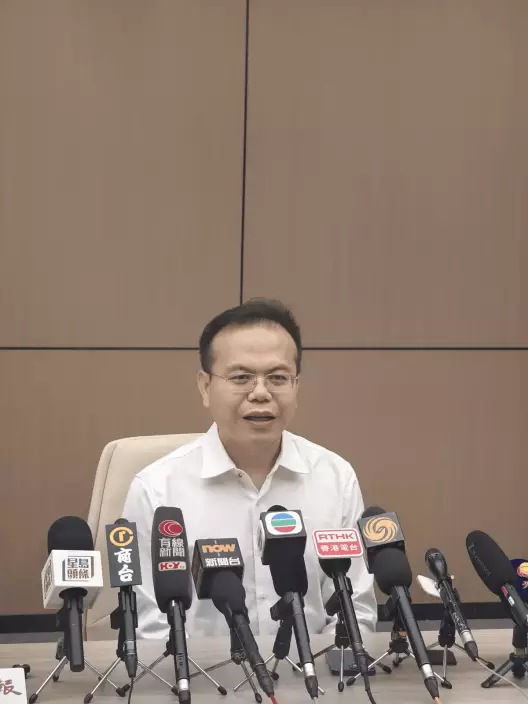
Mr. Ye Shiyang, chairman of Wenchang Aerospace Supercomputing Intelligence Technology Co., Ltd., Photo by Bastille Post
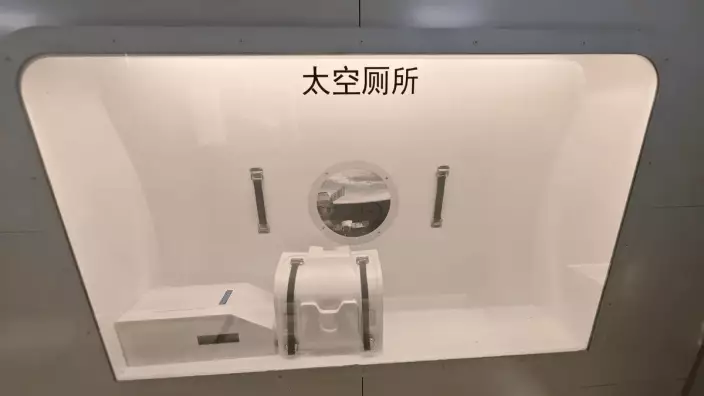
A space toilet displayed in the Hainan Shenzhou Aerospace Science and Technology Museum, Photo by Bastille Post
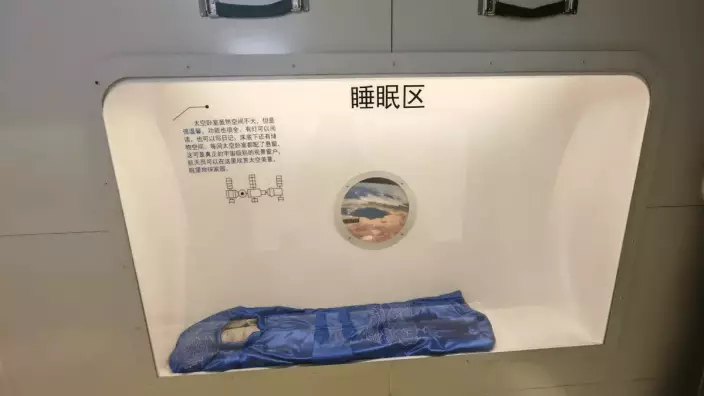
A sleeping area displayed in the Hainan Shenzhou Aerospace Science and Technology Museum, Photo by Bastille Post
Mr. John Tse (right) and Dr. Eliza Chan (left), Photo by Bastille Post
Wenchang Aerospace Supercomputing Centre, Photo by Bastille Post
Photo by Bastille Post
Mr. John Tse said he hoped the media coverage would inspire young people in Hong Kong to take an interest in innovation and technology, enable them to witness China’s achievements in independent space innovation, strengthen patriotic education, and encourage more young people to pursue careers in the space and innovation and technology sectors. Dr. Eliza Chan also encouraged young people to dare to pursue their dreams and seize opportunities.
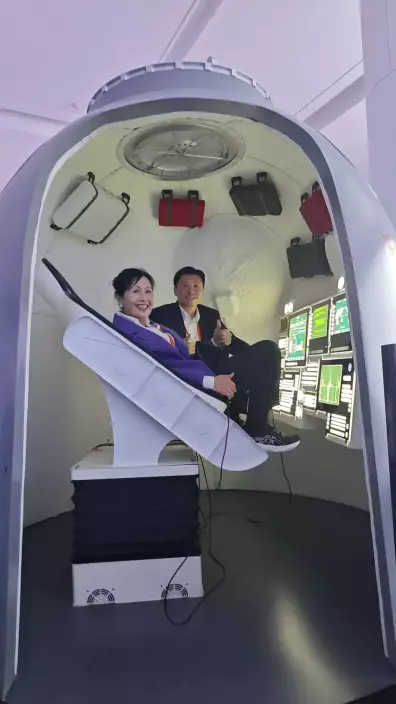
The delegation visited the Hainan Shenzhou Aerospace Science and Technology Museum, just three kilometres from the Wenchang Spacecraft Launch Site, to see firsthand how cutting-edge space technology is made “down-to-earth and close to people’s hearts” (accessible and engaging) through immersive exhibition design. The museum is themed “Pursuing Dreams in the Vast Sky · Light of Life” and has seven exhibition areas, including First Explorations of the Universe, Exploration of the Far Side of the Moon, Building Dreams in Tiangong, and Investigating the Cosmos. It adopts a multi-modal approach combining “real-scene restoration + model representation + dynamic demonstration + interactive experience” to break down complex space missions into content that the public can see, understand and experience.
Ms. Cally Kwong and children touch a meteorite worth tens of millions of RMB. Photo by Bastille Post
With full-scale replicas of the Tianhe Core Module, a Shenzhou spacecraft reentry module and rocket models, accompanied by thematic text-and-image explanations and dynamic mission demonstrations, visitors can intuitively grasp the core objectives and value of scientific research projects such as deep-space exploration and space station construction.
A meteorite. Photo by Bastille Post
The museum purchased an actual car from Hotan, Xinjiang, that was struck by a meteorite. Photo by Bastille Post
Ms. Li Jingting, chairperson of the museum, said that by leveraging its unique geographical advantage next to the launch site, the museum has cultivated an integrated model of “space launch viewing + science education tours." After witnessing the awe-inspiring moment of a rocket launch, visitors can immediately enter the museum to trace China's technological breakthroughs and development responsibility, creating a highly attractive new exemplar of space cultural tourism.
Children play Chinese chess with AI robots inside the supercomputing centre. Photo by Bastille Post
On the day of the delegation’s visit, the museum was filled with space enthusiasts from across China. Mr. Wang from Gansu, who has been passionate about space since childhood, was struck by the Long March 5 rocket model but regretted missing the launch. Ms. Yu from Chengdu, Sichuan, made the trip with her family of seven. Her primary-school-age child dreams of becoming a space scientist and took the initiative to plan the space-themed visit. Although slightly disappointed by the cancelled rocket launch, her child remained optimistic and said, “Eating an ice cream will make me feel better.” The family may take leave to visit again in March 2027.
Mr. Wang, Photo by Bastille Post
Ms. Yu, Photo by Bastille Post
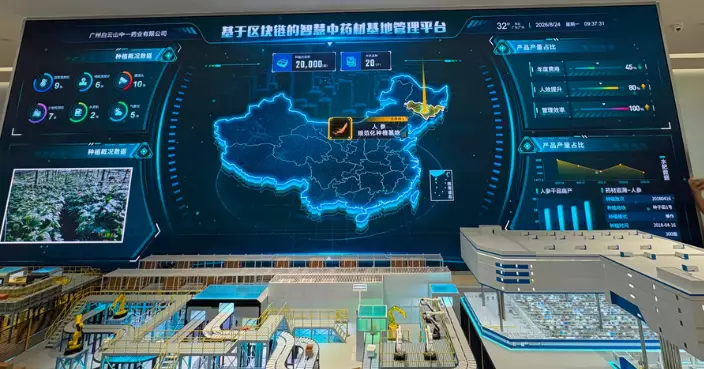
On the afternoon of August 24, the delegation visited the Wenchang Aerospace Supercomputing Centre and the attached Wenchang Polaris Meteorite Museum, witnessing the deep integration of the space data industry with science education and cultural tourism. Invested in and operated by Hainan SHINY-DAY Science & Technology Group Co., Ltd., the supercomputing centre has fully connected an entire industrial chain covering “space-based shooting, ground-based data reception, cloud storage, supercomputing, quantum transmission, and government and enterprise utilizations." It has independently launched the Wenchang Supercomputing Satellites 1, 2 and 3, formed a network with the Jilin-1 satellite constellation, and applied remote sensing data to agricultural monitoring, environmental enforcement, territorial planning, disaster relief and rescue, among other fields. It has also enabled foreign trade in space data.
Mr. Ye Shiyang, chairman of Wenchang Aerospace Supercomputing Intelligence Technology Co., Ltd., Photo by Bastille Post
Chairman Mr. Ye Shiyang proposed a “front-end store, back-end factory” cooperation model between Hainan and Hong Kong, under which Hong Kong serves as the front-end store connecting with the international market, financing and technological innovation, while Wenchang serves as the back-end factory responsible for data processing and technology research and development. He disclosed that the centre has already worked with the University of Hong Kong to develop an aerospace large model, with applications in carbon neutrality, agricultural monitoring and other scenarios, and plans to expand cooperation with more Hong Kong universities and research institutions in the future. At the same time, as a national industrial tourism demonstration base, the supercomputing centre enables study tour groups not merely to view rocket models, but also to understand the underlying technology behind space data, bringing high-threshold technology to the general public.
A space toilet displayed in the Hainan Shenzhou Aerospace Science and Technology Museum, Photo by Bastille Post
A sleeping area displayed in the Hainan Shenzhou Aerospace Science and Technology Museum, Photo by Bastille Post
Located on the second floor of the supercomputing centre, the Wenchang Polaris Meteorite Museum brings together more than 400 meteorite specimens from around the world, allowing visitors to observe and even touch these “visitors from outer space” at close range. An iron meteorite in the museum worth tens of millions of RMB comes from the Sahara Desert. Made of material from an asteroid core, its black fusion crust records traces of atmospheric burning, making it a valuable sample for studying the internal structure of celestial bodies. The collection also includes extremely rare Martian and lunar meteorites.
Mr. John Tse (right) and Dr. Eliza Chan (left), Photo by Bastille Post
The curator also shared a curious coincidence: in all three recorded cases worldwide of meteorites striking cars, the vehicles hit were red. The museum even purchased an actual car from Hotan, Xinjiang, that had been struck by a meteorite and displays it together with the meteorite. The exhibition also explains the Chelyabinsk meteor airburst in Russia and the methods used by meteorite hunters in the Gobi Desert, vividly illustrating the scientific significance of meteorites for exploring the evolution of the solar system and the origin of life.