Tokyo stocks ended higher Friday, lifted by heavyweight technology shares following strong earnings reports by some U.S. counterparts.
The benchmark Nikkei stock index, the 225-issue Nikkei Stock Average, ended up 273.58 points, or 0.41 percent, from Thursday at 66,405.56.
The broader Topix index, meanwhile, finished 29.49 points, or 0.72 percent, higher at 4,146.71.
Timothy Pope, a market analyst for China Global Television Network (CGTN), recapped the day.
"In Tokyo, we saw the Nikkei finish 0.4 percent higher today. That was helped a bit by a rebound in tech stocks after Nvidia. But investors are also waiting for Federal Reserve chair Kevin Warsh's speech in the US later today. That could move American bond yields and the dollar-yen exchange rate. The Bank of Japan rate story also remains unresolved. Deputy governor Ryozo Himino said on Thursday that interest rates needed to be adjusted in a timely way as inflation risks increase. But he did stop short of signaling that a September rate hike is definitely on. Tokyo inflation data today gave the hawks a little more ammunition. Underlying inflation is around the BOJ's 2-percent target, so Tokyo still has this tension between two trades: really strong AI earnings supporting some of the Nikkei's biggest tech stocks and then, on the other side, expectations of higher Japanese interest rates and elevated bond yields working in the opposite direction by putting pressure on growth valuations and potentially strengthening the yen," he said.

Nikkei rises on tech rebound: analyst
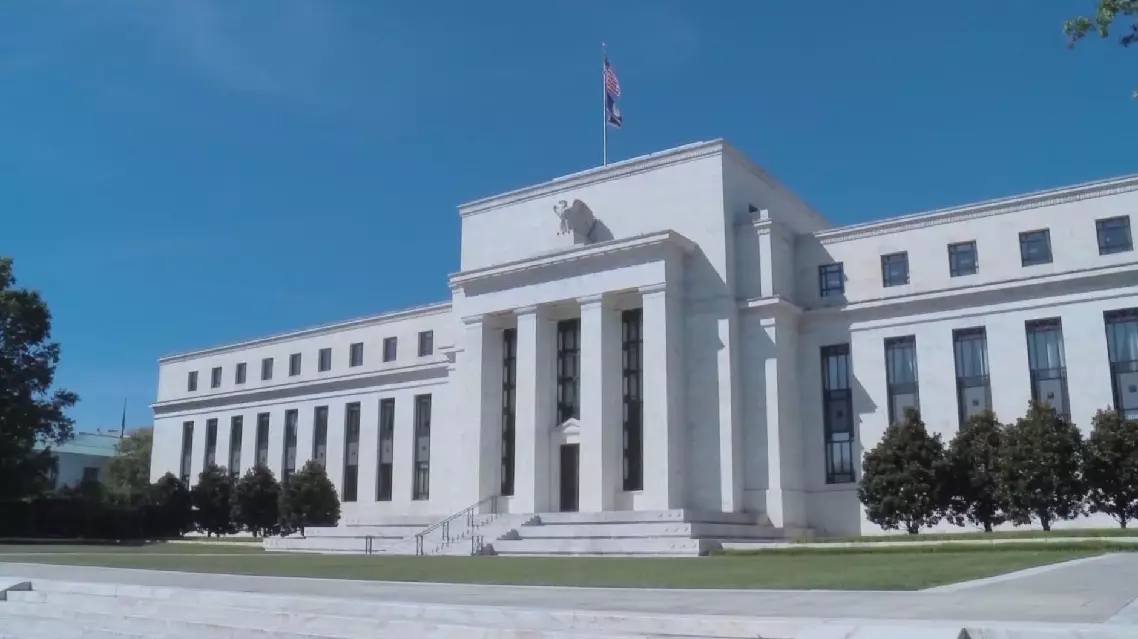
U.S. Federal Reserve Chairman Kevin Warsh said Friday that the Fed's predominant focus right now should be on prices, as inflation remains above its 2-percent target.
Speaking at the annual Jackson Hole Economic Policy Symposium, Warsh said, "On the price stability side of our mandate, the numbers are more concerning."
Warsh's remarks came as broad inflation measures have fallen from their 2022 peaks, though Warsh characterized the progress over the past two years as modest. He pointed specifically to the Personal Consumption Expenditures (PCE) price index, noting that "the numbers are more concerning."
While summer inflation readings were better than expected, Warsh stressed that they do not indicate a meaningful improvement in underlying trends.
The Federal Reserve's preferred inflation gauge came in slightly above expectations, with the annual inflation rate holding steady at 3.7 percent, data released by the Commerce Department showed on Wednesday.
The PCE price index increased by a seasonally adjusted 0.2 percent for the month, slightly exceeding expectations, while core PCE inflation, which excludes volatile food and energy prices, matched forecasts with a 0.2 percent monthly increase and a 3.3 percent year-over-year rise.
In contrast to the lingering inflation challenges, Warsh painted a robust picture of the broader U.S. economy.
Looking ahead, Warsh emphasized that the central bank will remain "keenly focused on market internals" and performance across various sectors. He pledged to continue tracking changes in the growth rates of corporate earnings and capital spending, as well as their follow-on effects on asset prices, business confidence, consumer income, and spending.
Following the speech, major U.S. stock market indexes remained little changed, while Treasury yields moved substantially higher as bond investors digested the hawkish undertones regarding inflation and economic strength.
Warsh says Fed should focus on prices as U.S. inflation remains above target