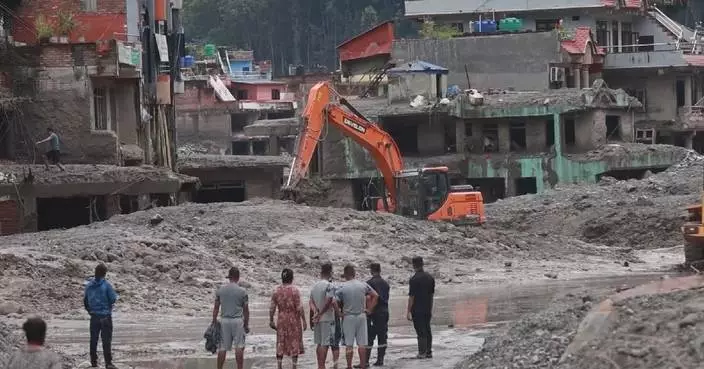
Rescuers and technicians are pressing ahead with the search for the missing, replenishing supplies, and restoring communications in the hardest-hit areas of Gyirong Port on the China-Nepal border in southwest China's Xizang Autonomous Region.
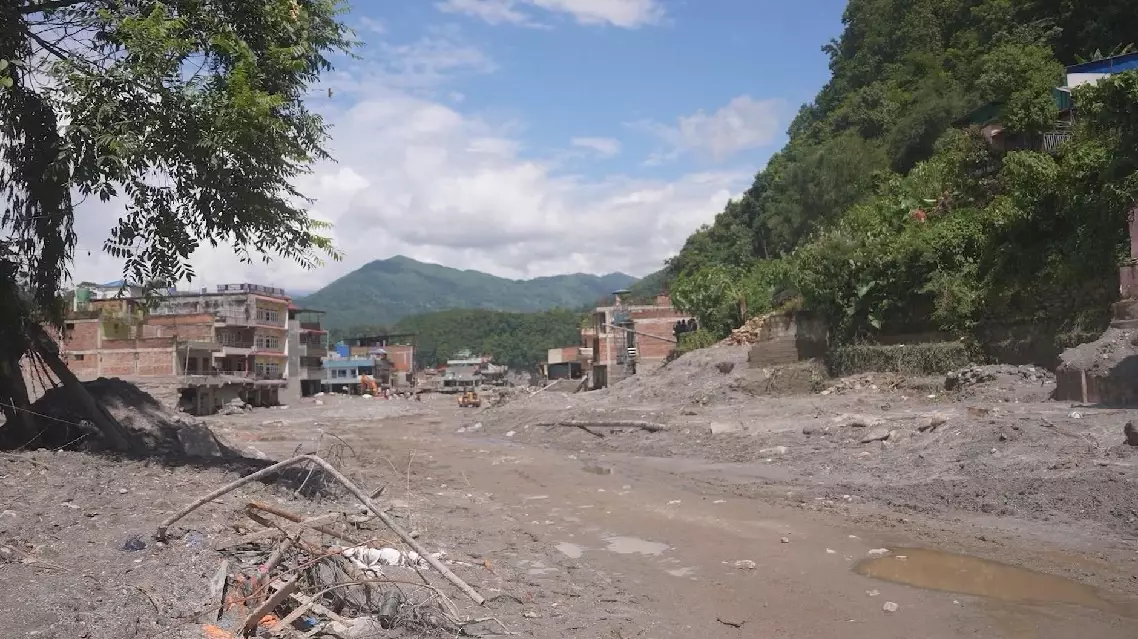
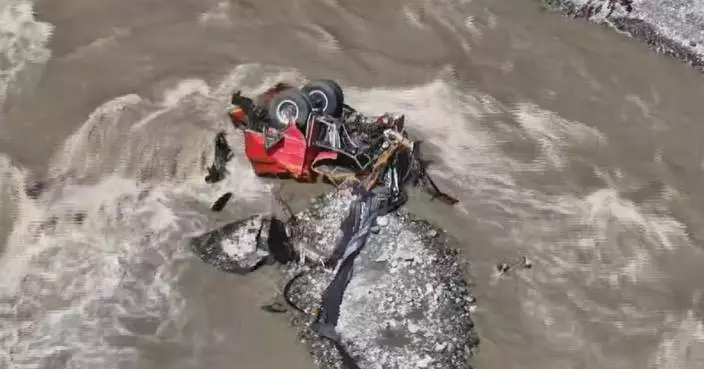
The deadly mudslide, triggered by the collapse of a high-altitude glacier on the Nepalese side, had left 16 people dead and 546 others missing in Gyirong on the Chinese side as of 18:00 Saturday, according to the regional government.
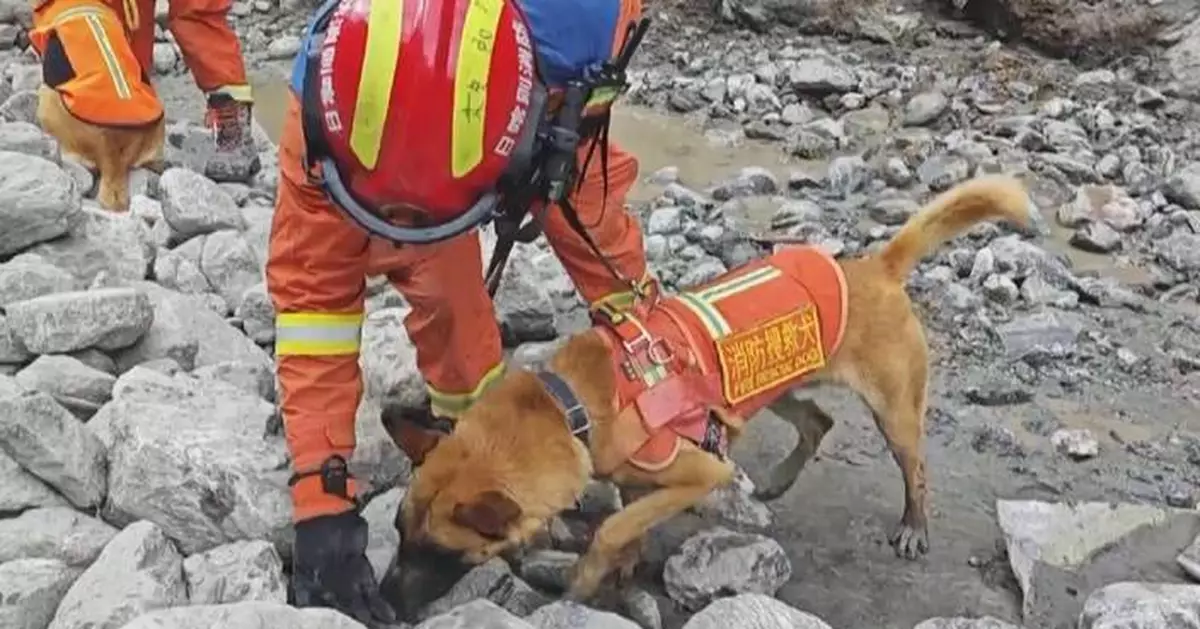
The heart of the disaster zone is still covered in thick mud, making movement extremely treacherous. A total of 711 rescue personnel, 120 vehicles and 13 search dogs have been mobilized for a large-scale search operation across the affected area.
Rescuers wearing full protective gear use rope systems for safety as they deploy life-detection equipment and other tools to search key areas.
On Sunday afternoon, firefighters from the Xizang General Brigade of China's national comprehensive fire and rescue team joined the search with sniffer dogs, working alongside other rescue teams to locate those still missing.
The general brigade has airlifted 11 officers and 1,240 pieces of rescue equipment into the hardest-hit area by helicopter.
Meanwhile, communication signals have been restored at Gyirong Port, with signals now reaching the core rescue site. According to China Unicom, the first emergency communication base station near the border gate at Gyirong Port was put into operation at 13:30 Sunday.
Located 1.2 km from the border gate, the base station fills a gap in communications coverage, providing reliable communications support for rescue operations, road clearance, material transport, and frontline personnel.
As of 20:37 on Sunday, telecom operators had restored one existing base station and deployed nine new ones, strengthening connectivity for command, coordination, and rescue operations.
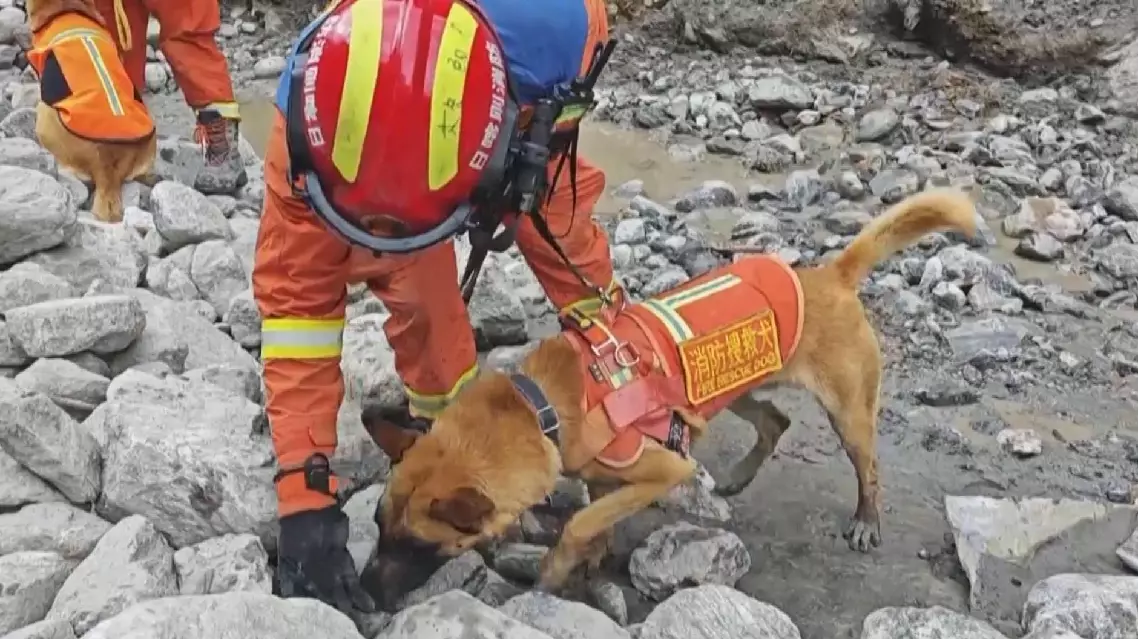
Rescuers press ahead with search at mudslide-stricken Gyirong Port