Nine Chinese tunnel experts have arrived in Nepal over the weekend to carry out rescue operations at the request of the Nepali government.
A tunnel in Trishuli was blocked by Wednesday's mudslide, preventing access for major equipment and posing huge challenges for rescuers.
"We have extensive hands-on experience in responding to tunnel mud surge and water inrush disasters. Nine of our tunnel rescue experts have arrived on site, equipped with professional gear. We are committed to working in coordination with Nepali military and civilian rescuers. We have finished a full search across 2.5 kilometers inside Tunnel 3, with no signs of life detected," said Zhao Bo, a Chinese rescuer.
The death toll from the devastating mudslide in Nepal has risen to 903, with 4,247 people still missing as of 09:00 local time on Monday, according to the Nepalese National Disaster Risk Reduction and Management Authority.
A total of 267 people have been injured, while 20,819 security personnel have been mobilized for search, rescue and relief operations, the authority said.
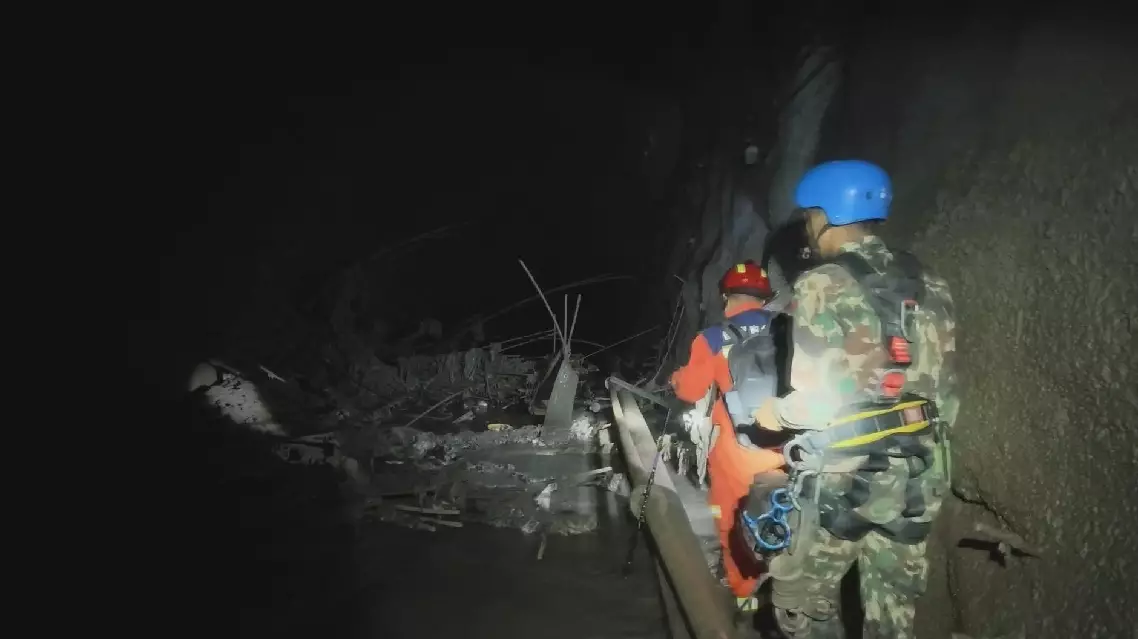
Nine Chinese experts arrive in Nepal for tunnel rescue operations
Nepalese authorities have deployed military helicopters to expedite aerial rescue and relief operations in the regions devastated by a mudslide on Wednesday morning.
In Batar, about 65 kilometers from Kathmandu, the Nepalese military has set up a main command post, transforming the area into the central hub for relief supplies headed to mudslide-hit districts.
On the route to hard-hit Nuwakot, helicopters constantly take off and land at an emergency distribution point, flying water, bread, and other essentials into areas that road vehicles cannot reach. The airlifts have become a lifeline for survivors in isolated locations.
As relief crew members are pushing deeper into the disaster zone, they find that some mudslide-affected areas look flat but are as boggy and unstable as swamps. The road ahead is completely ruined, and no vehicles can get through.
Chinese tunnel experts were scheduled to carry out rescue operations locally in Trisuli on Sunday. It is understood that the Chinese tunnel experts heading to the front line encountered road blockages there and were subsequently forced to take helicopters to the worst-hit area. On Sunday afternoon, Zhao Bo, one of the experts who had just returned from a field survey at a project site, said that despite the challenging conditions and difficulties in transporting equipment, the team would never give up even the slightest chance of rescue.
"All our transportation is now cut off. We have no way to transport our equipment and demolition tools up to the site. We're wondering if we could procure some lighter materials to speed up our excavation progress and push a little further forward," said Zhao.
The death toll from the devastating mudslide in Nepal had risen to 907 as of 10:30 local time on Monday, according to the latest figures released by the Nepali Police.
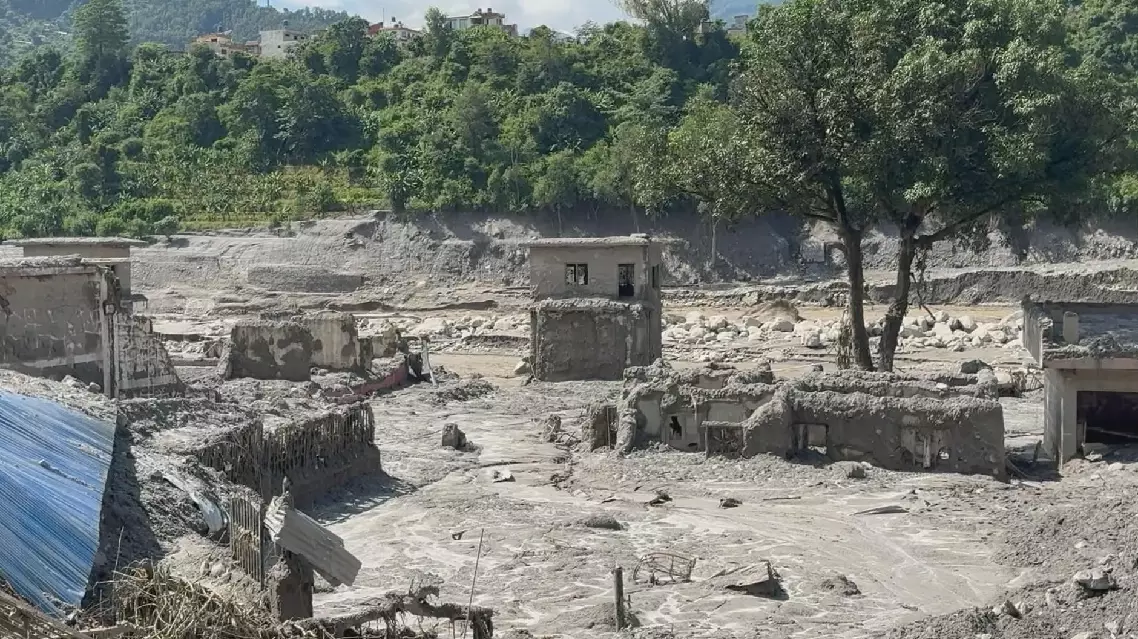
Nepal deploys military helicopters to expedite rescue, relief operations after deadly mudslide