The Ministry of Commerce and six other government departments on Monday released an implementation guideline to boost commodity consumption during the 15th Five-Year Plan (2026-2030), featuring 20 targeted measures.
In promoting the consumption of durable goods, the document takes a comprehensive approach across the entire chain, including removing unreasonable restrictive measures in the automobile circulation and consumption, standardizing the used-car circulation, improving the recycling of waste home appliances and developing charging infrastructure, so as to support the long-term upgrading of bulk commodity consumption.
On boosting the consumption of daily necessities, the document focuses on food, beverages, textiles and clothing, calling for strengthening the link between agricultural production and sales, improving the quality of tea drinks and expanding the supply of cultural and sports products, so as to better meet people's diverse needs.
The document also addresses the specific needs of the elderly and children, promoting the improvement of senior-friendly and infant products.
To help time-honored brands upgrade in quality and gain wider popularity, the document proposes to create trendy products with cultural connotations.
The document encourages the consumption of high-quality foreign products and international boutique products to better satisfy demand for a high-quality life.
On expanding the consumption of upgraded goods, the document proposes to actively cultivate 10-trillion-yuan markets in green consumption, smart consumption and health consumption. It also calls for promoting new energy vehicles and energy-saving home appliances, creating artificial intelligence consumption application scenarios, and developing health-centered products.
"The document sets out targeted measures from multiple dimensions, including bettering the quality of supply, increasing the efficiency of circulation, expanding markets, improving the environment, and cultivating driving forces, effectively promoting the expansion and upgrading of commodity consumption and helping the high-quality development of economy," said Jiang Zhao, a deputy researcher at the Institute of Circulation and Consumption under the Ministry of Commerce Research Institute.
"More new products, including smart products, are in effect becoming a rapidly growing category in commodity consumption, which could drive the overall growth of consumption," said Zou Yunhan, deputy director of the macroeconomic research office at the State Information Center under the National Development and Reform Commission.
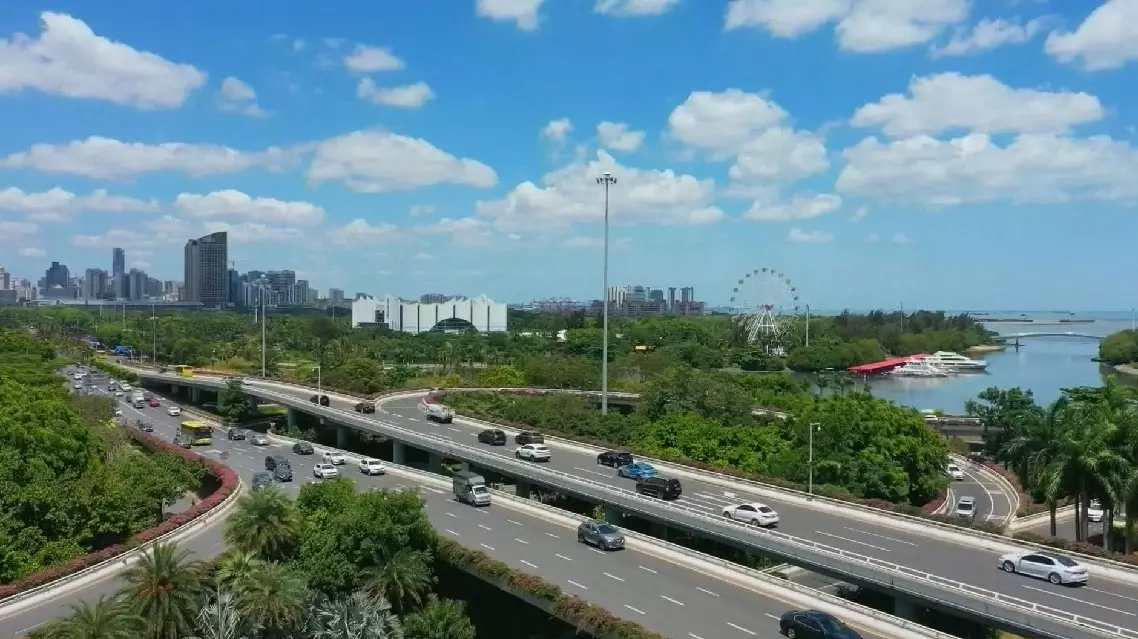
China unveils measures to boost commodity consumption
The deepening digital cooperation between China and Kazakhstan is providing intelligent solutions to the fabric of urban life in Astana as the capital city is building its artificial intelligence ecosystem with growing support from Chinese technology and expertise.
Over the past few years, China has been steadily advancing cooperation on AI governance and application among the member countries of the Shanghai Cooperation Organization (SCO). When it launched the World Artificial Intelligence Cooperation Organization in July, Kazakhstan was one of the founding members.
Building on the Belt and Road Initiative and the SCO framework, the Central Asian nation is now actively developing its own AI ecosystem, with startup incubation taking center stage. Most projects are clustered in industrial manufacturing, creative industries, and robotics, often built on proven Chinese technological frameworks while integrating local Kazakh language models.
While some projects are still undergoing lab tests, others are already rolling through the streets of Astana.
The city's new light rail system operates at Grade of Automation 4, the highest level of fully automated driving. Trains depart, cruise, stop, and open their doors entirely without human intervention. Behind this cutting-edge system is Chinese expertise. In Tangshan, a city in northern China, 19 driver-less trains for Astana are already in production. Meanwhile, in Tianjin, operators are completing their training.
"Going to China for training was a necessary and correct decision. I now have a deep understanding of the system, including all the automation, operating modes, various parameters, and how to handle emergencies. I am very confident in safe operation," said Darkhan Satpayev, one of the operators.
Across Astana, AI is also entering everyday life. In residential compounds, smart parking systems are being rolled out. Inside homes, intelligent electricity and water meters automatically upload readings and can even alert residents to leaks before they cause damage.
"Once the sensor detects water, I get a notification on my phone and can shut off all the valves through an app to prevent flooding," said resident Arlan Umbitalin. The country is also making long-term plans. The International Center for Artificial Intelligence in Astana has made it a priority to train the next generation, offering free courses for children aged 12 and above across multiple disciplines.
"The center is completely free. Students come in their free time and study in 11 areas, from IT and generative AI to creative technologies, including animation and digital music," said Valeriya Tyo, managing director of Astana Hub, one of the largest international innovation cluster for IT startups in Central Asia.
Lazzat Borankulova, founder of Khan Tengri Innovation Hub, a Shanghai-based tech platform that connects Central Eurasian startups with the Chinese market, said China's AI initiatives have made a real difference for Kazakhstan.
"I think China has put forward an excellent initiative for AI development. It brings positive experiences for participants and will help Kazakhstan keep up with the global development trend," she said.
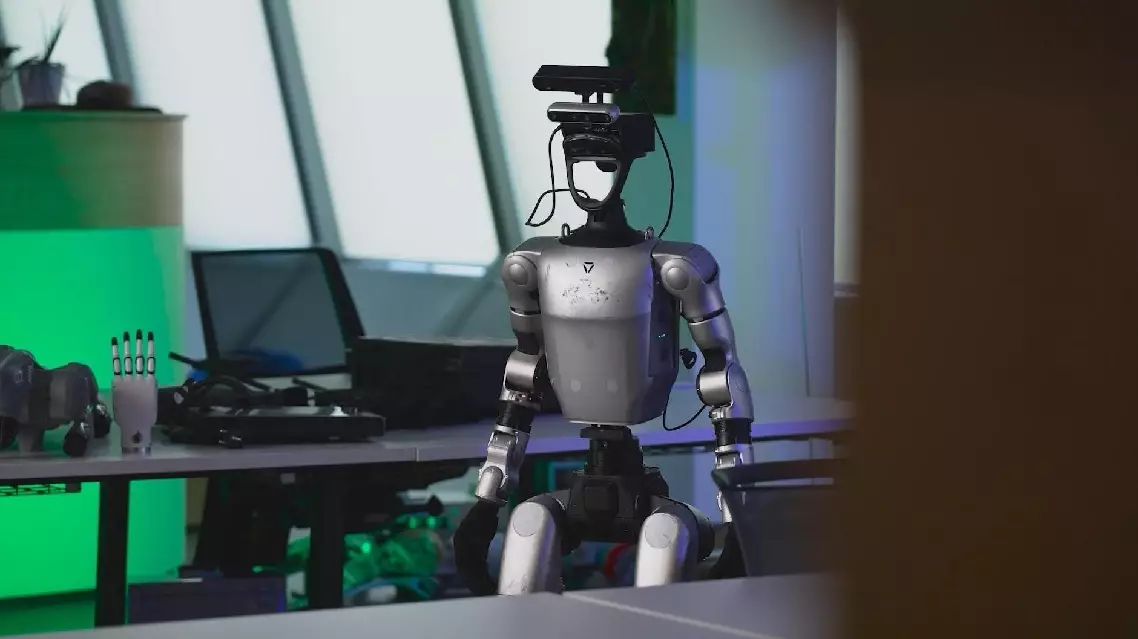
China-Kazakhstan AI partnership powers smart solutions across Astana