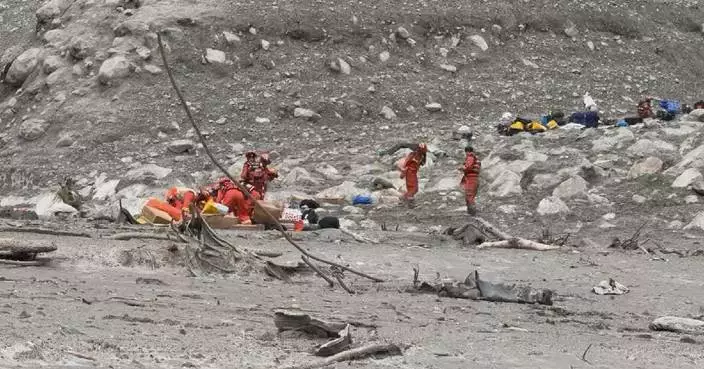
Continued heavy rainfall in the coming days will threaten rescue operations and raise the risk of secondary disasters at the Gyirong Port on the China-Nepal border following a devastating mudslide, according to a chief forecaster from China’s National Meteorological Center.
The deadly mudslide, triggered by an ice and rock avalanche in Nepal, hit the border port of Gyirong in southwest China's Xizang Autonomous Region, killing 16 and leaving 546 missing, according to local authorities.
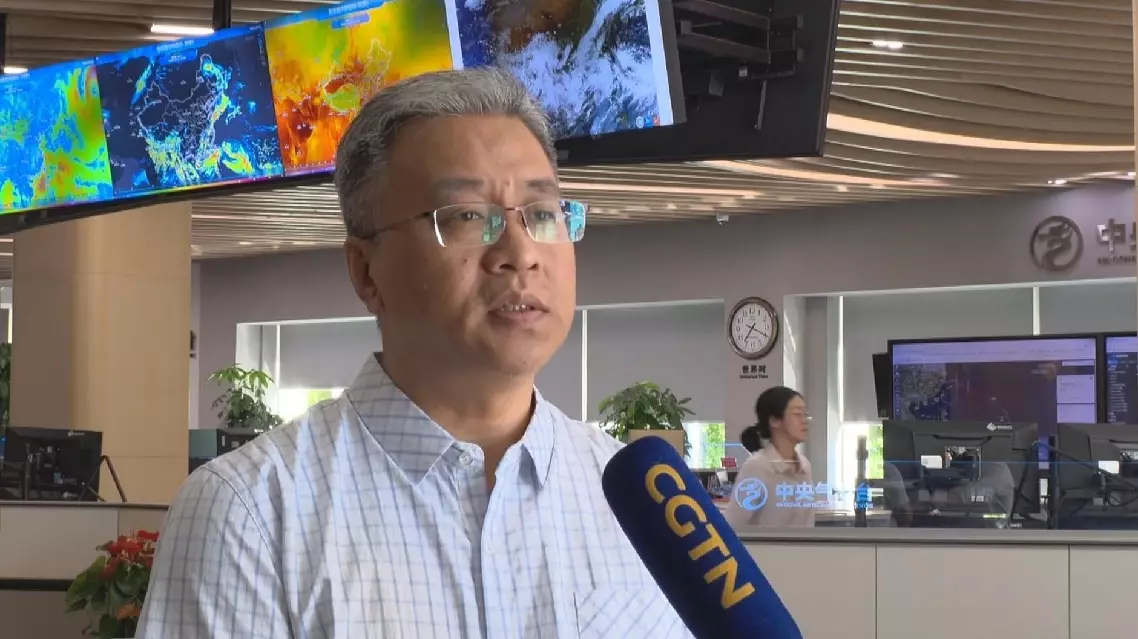
"The Gyirong Port to Gyirong Town area has seen heavy rainfall over the past few days, with precipitation mainly occurring during nighttime hours. From the night of August 30 to the morning of the 31st, Gyirong Port recorded about 20 millimeters of rainfall. Looking ahead, from August 31st to September 2nd, the Gyirong Zangbo and Dongling Zangbo river basins, as well as areas near the port, will continue to experience significant rainfall, with moderate to heavy downpours at times. Along the transport routes from Xigaza to Gyirong County and then to Gyirong Port, rainfall will make roads slippery, significantly affecting traffic and rescue operations,” said Ma Xuekuan, chief forecaster at the National Meteorological Center.
The warning comes as rescue teams work to reopen the damaged G216 national highway -- a major highway leading to Gyirong Port.
By Monday noon, about 533 meters of the road had been repaired, with about 1.15 kilometers remaining to be reopened to the port, rescuers from China Anneng Group said.
Ma warned that the persistent rainfall should be closely monitored as it could lead to rising water levels and further flood risks.
"Traffic safety is a major concern. In addition, the notable areal precipitation over the Gyirong Zangbo and Dongling Zangbo basins requires close monitoring of upstream water inflows and river convergence, which could lead to rising water levels. At the same time, the meteorological risk of geological disasters along Gyirong Port and the transport routes remains high. Therefore, we must pay close attention to the adverse impacts of rising water levels and geological hazards on rescue efforts," Ma said.
"Furthermore, with pronounced nighttime rainfall and low temperatures, rescue personnel should stay warm and dry at night, and both relief supplies and engineering machinery should avoid low-lying areas during nighttime hours," he added.
Persistent rain likely to threaten rescue operations at Xizang's Gyirong Port: epxert