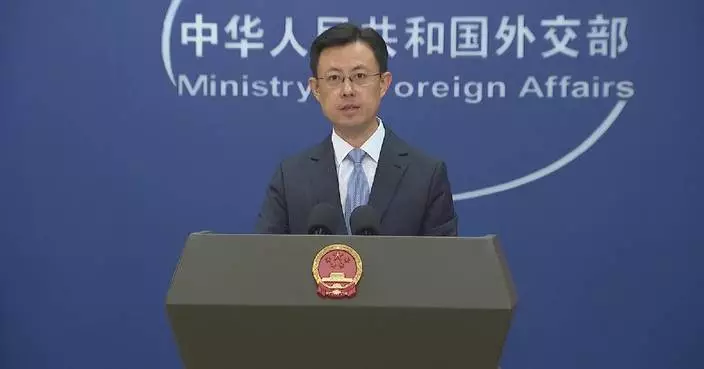
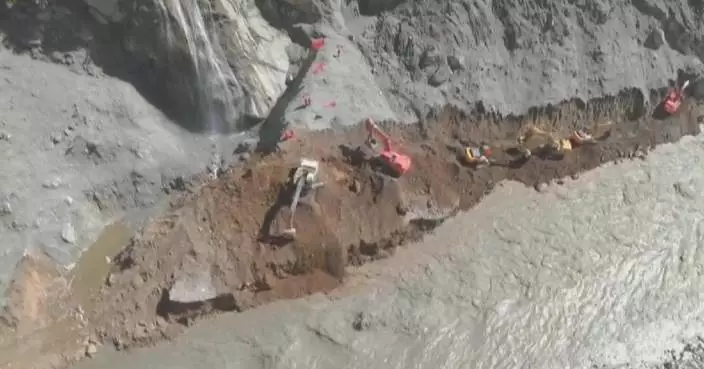
China is making every effort to search for and rescue Chinese and foreign nationals still missing after a mudslide struck Gyirong Port in southwest China's Xizang on August 26, Foreign Ministry spokesman Guo Jiakun said at a press briefing in Beijing on Tuesday.
Guo made the remarks in response to a media query concerning the disaster which was triggered by a high-altitude glacier collapse in neighboring Nepal.
"Roads and telecommunications in the affected area have been cut off, with safety risks looming, including rather heavy secondary disasters. The rescue work is proceeding in a tense yet orderly manner. We will continue to release the latest information on the disaster and rescue operations," Guo said.
"China is making every effort to search for and rescue missing Chinese and foreign nationals, and has maintained close contact with foreign embassies in China to jointly check missing foreign nationals and handle related follow-up arrangements," he said.
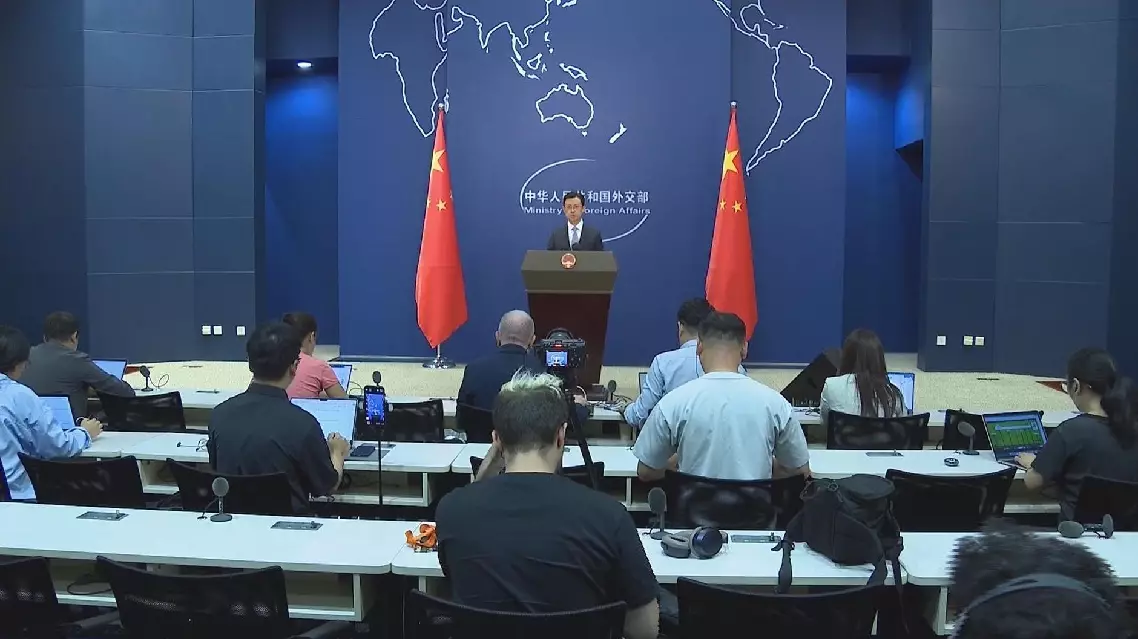
Spokesman on rescue efforts in Gyrong after deadly mudslide
Germany's inflation rate rose further to 2.9 percent in August, returning to its highest level this year as sharply higher energy prices continued to drive up consumer costs, the Federal Statistical Office said Monday.
Energy prices jumped 10.5 percent year on year in August, accelerating from an 8.3-percent rise in July and 3.4 percent in June, the data showed.
Inflation in Europe's largest economy had hovered around 2 percent for several months from late last year before renewed tensions in the Middle East pushed up energy costs, lifting the headline rate from March onward. The federal government temporarily cut fuel taxes on petrol and diesel in May and June to cushion higher costs, helping slow inflation. Once the measure expired, however, inflation rebounded to 2.8 percent in July.
The Bundesbank, Germany's central bank, warned in its latest monthly report that inflation could rise further in the coming months, with the outlook still largely dependent on developments in the Middle East.
Carsten Brzeski, global head of macro for ING Research, said in an analysis on Monday that persistently high oil prices could push German inflation above 3 percent and keep it there at least through year-end.
It could now take until the end of 2027 before headline inflation drops below 2 percent again, he said, citing knock-on effects from higher energy prices on transport costs and the inflationary impact of the drought on food prices and other industrial goods.

German inflation rises further to 2.9 pct in August