Germany's inflation rate rose further to 2.9 percent in August, returning to its highest level this year as sharply higher energy prices continued to drive up consumer costs, the Federal Statistical Office said Monday.
Energy prices jumped 10.5 percent year on year in August, accelerating from an 8.3-percent rise in July and 3.4 percent in June, the data showed.
Inflation in Europe's largest economy had hovered around 2 percent for several months from late last year before renewed tensions in the Middle East pushed up energy costs, lifting the headline rate from March onward. The federal government temporarily cut fuel taxes on petrol and diesel in May and June to cushion higher costs, helping slow inflation. Once the measure expired, however, inflation rebounded to 2.8 percent in July.
The Bundesbank, Germany's central bank, warned in its latest monthly report that inflation could rise further in the coming months, with the outlook still largely dependent on developments in the Middle East.
Carsten Brzeski, global head of macro for ING Research, said in an analysis on Monday that persistently high oil prices could push German inflation above 3 percent and keep it there at least through year-end.
It could now take until the end of 2027 before headline inflation drops below 2 percent again, he said, citing knock-on effects from higher energy prices on transport costs and the inflationary impact of the drought on food prices and other industrial goods.

German inflation rises further to 2.9 pct in August
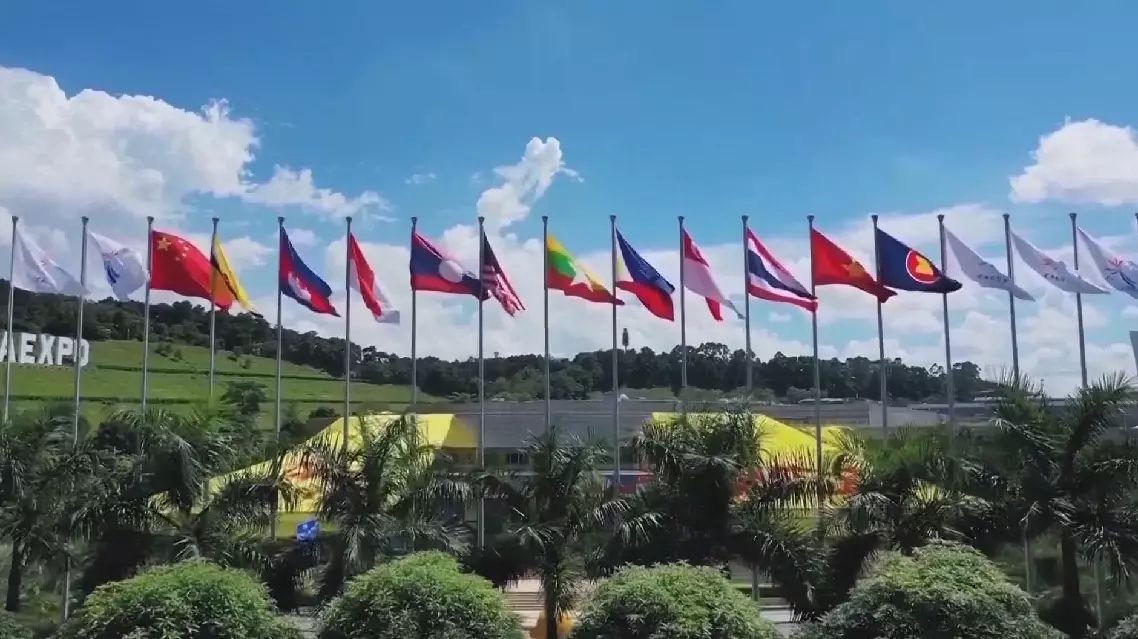
The 23rd China-ASEAN Expo will be held in Nanning, south China's Guangxi Zhuang Autonomous Region, from September 17 to 21, featuring multiple innovative measures with a focus on trade, enterprises and applications, a Chinese official said on Tuesday.
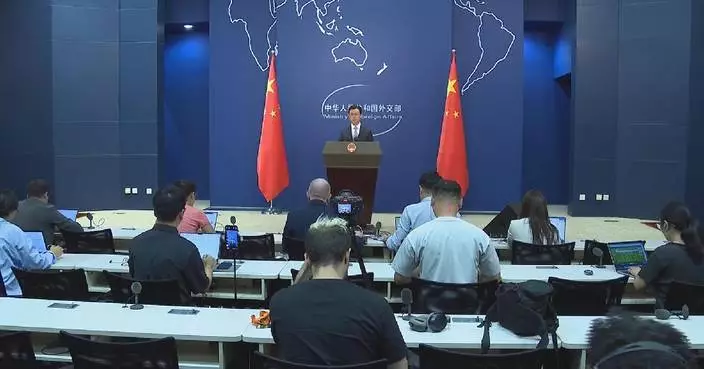
Speaking at a press conference in Beijing, Lu Xinning, vice governor of Guangxi Zhuang Autonomous Region, briefed the media on the key highlights and innovative arrangements of this year's expo.
This year, Timor-Leste will make its debut as a co-organizer, marking the first time all 11 ASEAN countries have gathered together in Nanning following the group's expansion.
A future space pavilion and a sci-tech innovation and entrepreneurship pavilion will be set up for the first time at the expo, with an upgraded AI section showcasing cutting-edge AI technologies and applications from consumer, enterprise, government and international perspectives.
"AI glasses, smart watches, AI home robots, rehabilitation care robots and photovoltaic cleaning robots can all be seen and tried on site. We have set up an 'AI marketplace' for the first time, selecting 60 companies with products suitable for ASEAN enterprises, offering more than 400 products that can all be experienced on site and ordered directly. This year's expo is not only a major platform for economic and trade exchanges, but also an experience venue for cutting-edge technologies," said Lu.
This year's expo will feature an upgraded ASEAN exhibition zone covering around 20,000 square meters, with comprehensive improvements in exhibition product structure, scale of participating countries and industrial cooperation levels, showcasing new achievements of China-ASEAN economic and trade cooperation, according to the expo secretariat.
To address exhibitors' biggest concerns about markets and orders, the expo has set up pavilions for ASEAN demands for the first time, showcasing the technological and application needs of ASEAN countries to help Chinese enterprises achieve precise connections.
The expo will also debut a model in which leading companies bring small and medium-sized enterprises (SMEs) to the event. Industry leaders will exhibit together with their upstream and downstream partners, helping SMEs expand their markets.
For ordinary visitors, this year's expo offers a richer product lineup and opportunities to experience high-tech products up close.
23rd China-ASEAN Expo to take place in September in Nanning with innovative features