SAN CARLOS, Calif.--(BUSINESS WIRE)--Sep 1, 2026--
BeOne Medicines Ltd. (NASDAQ: ONC; HKEX: 06160; SSE: 688235), a global oncology company, today announced it will participate in the Morgan Stanley Annual Global Healthcare Conference on September 14, 2026, with a fireside chat at 11:30 a.m. EDT.
This press release features multimedia. View the full release here: https://www.businesswire.com/news/home/20260901309669/en/
The live webcast of this event can be accessed from the investors section of the Company’s website at https://ir.beonemedicines.com. An archived webcast will be available on the Company’s website.
About BeOne Medicines
BeOne Medicines is a global oncology company that is discovering and developing innovative treatments for cancer patients worldwide. With a portfolio spanning hematology and solid tumors, BeOne is expediting development of its diverse pipeline of novel therapeutics through its internal capabilities and collaborations. The Company has a growing global team spanning six continents who are driven by scientific excellence and exceptional speed to reach more patients than ever before.
To learn more about BeOne, please visit www.beonemedicines.com and follow us on LinkedIn, X, Facebook and Instagram.
Forward-Looking Statements
This press release may contain forward-looking statements within the meaning of the Private Securities Litigation Reform Act of 1995 and other federal securities laws, including statements regarding BeOne’s plans, commitments, aspirations and goals related to BeOne’s medicines and drug candidates. Actual results may differ materially from those indicated in the forward-looking statements as a result of various important factors which are discussed in the section entitled “Risk Factors” in BeOne’s most recent periodic report filed with the U.S. Securities and Exchange Commission (“SEC”) as well as discussions of potential risks, uncertainties, and other important factors in BeOne’s subsequent filings with the SEC. All information in this press release is as of the date hereof, and BeOne undertakes no duty to update such information unless required by law.
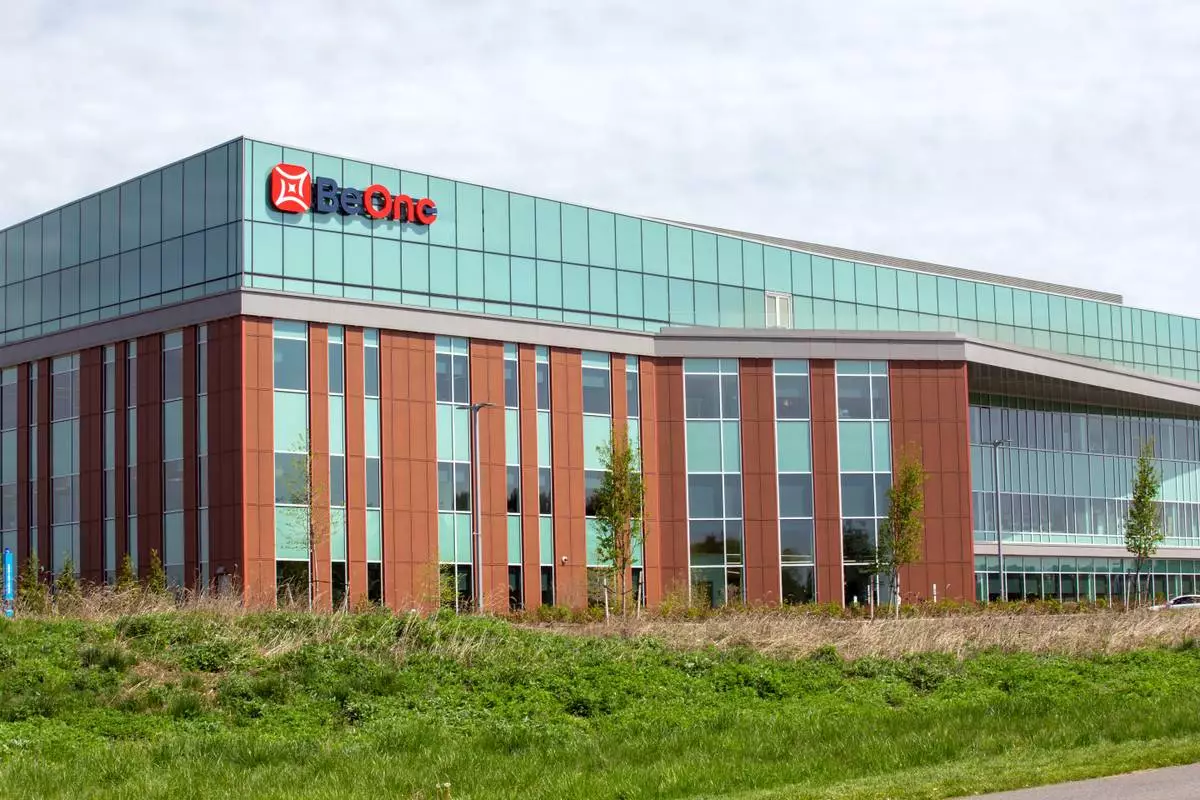
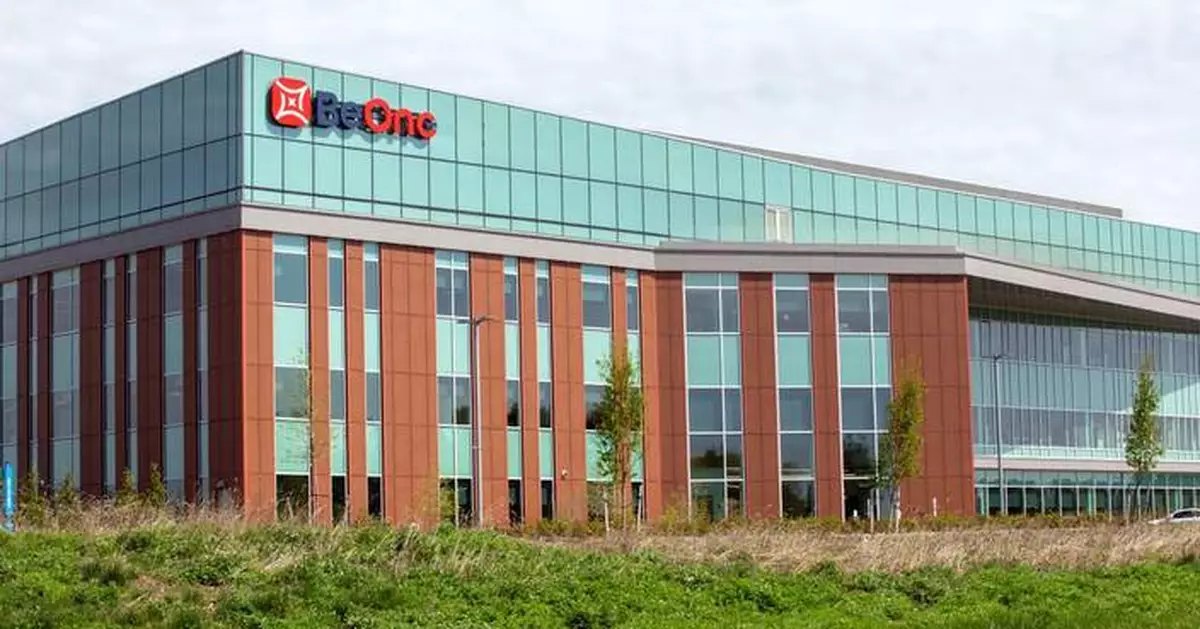
BeOne Medicines' flagship clinical and commercial-stage manufacturing and research and development facility in Hopewell, N.J.
KATHMANDU, Nepal (AP) — Filmmaker and drone pilot Manish Maharjan crossed into Nepal from China’s Tibet through Rasuwagadhi, a border crossing closest to where last week's catastrophic flooding began, two days before the disaster. Returning home, little did he know he would be using his professional skills to help with rescue efforts along a route he has known intimately from years of travel for work.
As authorities mobilized dozens of rescue and relief teams, Maharjan joined the Nepal Army’s rescue efforts a day after the flash floods, which have since killed more than 1,000 people and left thousands missing in Nepal and China.
Maharjan has been operating thermal drones to assist rescue teams, focused on locating and finding at least 900 workers who are still missing from 12 hydropower projects buried under mud and debris. About 500 of them are believed to be trapped inside power plant tunnels.
He said drones were effective in locating people who were stranded on hillsides and in isolated places, including caves.
“We used microphone speakers to call out to them. In some places, we even played songs and then waited for a response. That worked in a few cases and helped us locate people,” Maharjan said.
While drones have helped him rescue some stranded people in open areas, the tunnels present an entirely different challenge, he said.
“We found tunnels were filled with mud like toothpaste in a tube,” Maharjan said. “There was no hollow or empty space inside.”
The Aug. 26 flash floods started after a glacial collapse high in the Himalayan region. Scientists who studied satellite images said bedrock underneath a glacier high in the Himalayan region had collapsed, taking part of the glacier with it. The rockfall was so extreme that it registered as a magnitude 5.2 seismic event.
The rocks and melted water then swelled the rivers in the valleys below, causing a torrent of water in Tibet and Nepal and causing widespread damage to critical infrastructure, including hydropower plants, roads, buildings and bridges in the region.
Some workers in the power plant tunnels managed to call for help when the disaster struck, and others who managed to flee reported their colleagues were still in the tunnels, according to Mohan Kumar Dangi, president of the Independent Power Producers’ Association. It was unclear whether rescuers have had any contact with the trapped workers since the initial calls for help.
As time slips away, rescuers are finding it increasingly difficult to locate these missing people. Experts say the first 72 hours are critical as the chances of survival drop without access to clean water. Access to breathable air is another key to survival.
Maharjan said the tunnel searches were challenging because of their difficult access and the absence of any empty space.
“I can only fly drones in tunnels that are long and straight,” he said. “Once there are bends, turns or zigzags, it becomes much harder to operate and search effectively.”
At the Rasuwagadhi hydropower project, Maharjan managed to send a drone to search deep inside and all the way to the end of the tunnel but found no sign of any life.
“We checked repeatedly but it was filled with mud and debris,” he said. “Looking at it, I could only imagine the force of the flood.”
Hussain reported from New Delhi.
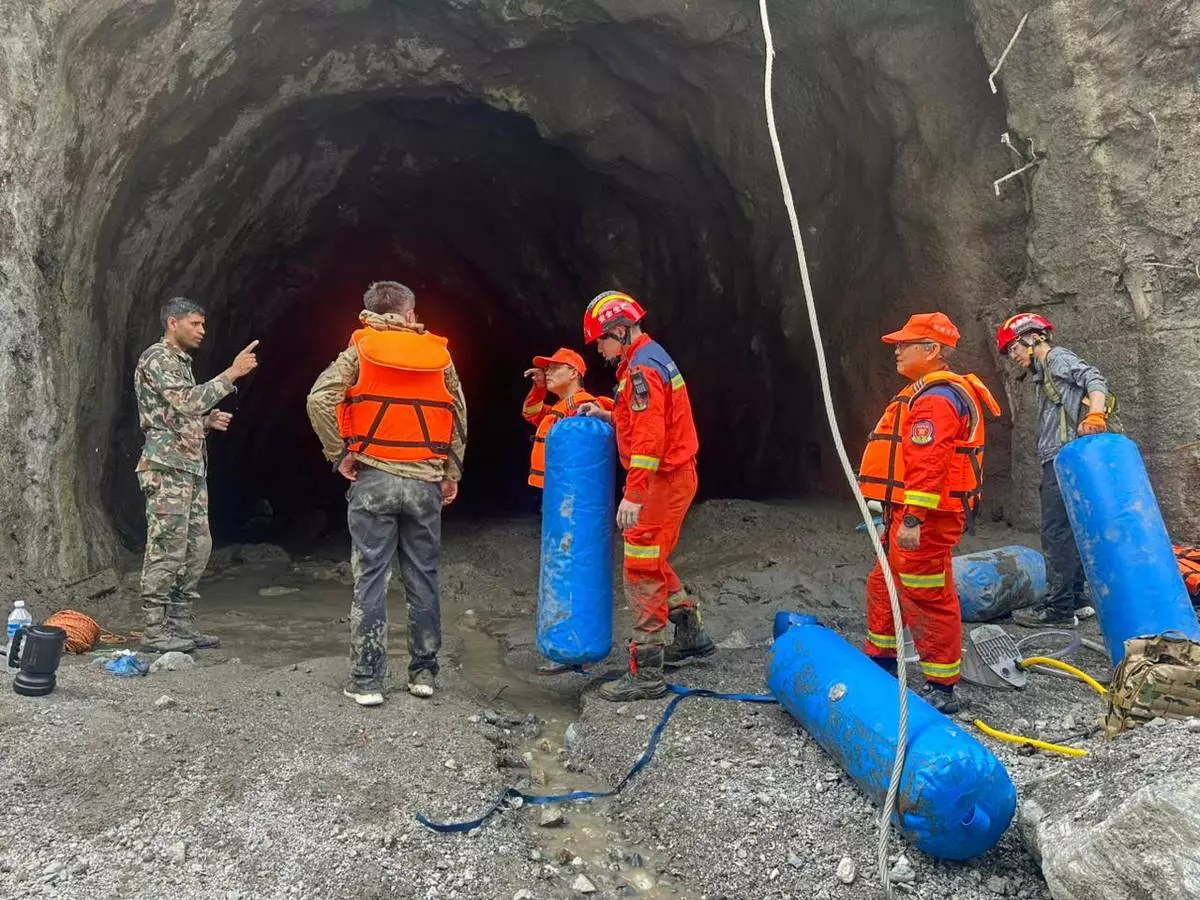
This photo provided by the Nepal Army, shows Nepal army soldiers undertake rescue operation at the site of a hydropower project in Upper Trishuli, Nepal, Monday, Aug. 31, 2026. (Nepal Army via AP)