
AUSTIN, Texas--(BUSINESS WIRE)--Sep 2, 2026--
Wesleyan Impact Partners, in partnership with Texas Methodist Foundation, today announced the national expansion of Courageous Congregations Collaborate (C3), a transformative initiative equipping churches to clarify purpose, strengthen leadership, and deepen neighborhood engagement.
This press release features multimedia. View the full release here: https://www.businesswire.com/news/home/20260902288982/en/
The expansion is made possible by generous support from Lilly Endowment Inc. and a new five-year funding commitment from both Wesleyan Impact Partners and Texas Methodist Foundation of $200,000 each to expand C3 nationally — reinforcing their long-term commitment to congregational vitality. Together, these investments position C3 to grow from its initial phase to working with more than 70 congregations across the country in the next five years.
From Survival to Spirit-Led Transformation
Since launching in 2021, C3 has guided 48 congregations through 18 cohorts across Texas and beyond. Grounded in over twenty years of learnings, Wesleyan Impact Partners’ Learning and Innovation team helps churches move from institutional survival to faithful innovation through “Five Adaptive Muscles” — Tending Grief, Discerning Purpose, Neighboring, Sharing Power, and Igniting Imagination.
Evaluation results from participating congregations revealed meaningful and measurable transformation across several areas of ministry and leadership. Nearly three-quarters of congregations (72%) reported gaining greater clarity about their mission and purpose, helping them move forward with a stronger sense of direction. Many churches also translated that clarity into action, with 60% initiating deep discernment work to better align their ministries with their goals and community needs.
The process also strengthened leadership within congregations. Half of participating churches (50%) reported developing stronger models of shared leadership, fostering greater collaboration and participation among clergy and lay leaders alike.
Perhaps most significantly, 75% of congregations reported experiencing deeper engagement with their surrounding communities, demonstrating that the work not only strengthened internal church life but also expanded their connection and impact beyond their walls.
Coming out of their C3 experience, congregations have launched food access ministries, neighborhood forums, digital outreach efforts, leadership development pipelines, and new worship expressions — all rooted in discerning their unique, God-appointed role in their neighborhoods. As one participant shared, “Expanding Imagination was the muscle I used the most. It helped us rethink what church could be.”
Director of formation and the C3 program director, Rev. Alicia R. Forde, describes C3 as “an invitation for congregational leaders to discern — with each other — what God is up to in their midst. It is an invitation to act on courage and faith and to say yes to purpose.”
Intentional National Scaling
The new phase of C3 marks a significant national expansion, with strengthened partnerships in Michigan, Western North Carolina, the Pacific Northwest, and emerging regions including a Native American cohort in Oklahoma.
C3 will also deepen its commitment to serving:
The first fully bilingual C3 cohort launched in Fall 2025, following extensive contextual adaptation by experienced bilingual clergy leaders. Future cohorts will prioritize relationship building, cultural trust, and mutual partnership as foundational practices of the work.
“We believe neighborhood is the primary context where transformation happens,” said Rev. Dr. Blair Thompson, Chief Learning and Innovation Officer, Wesleyan Impact Partners and Texas Methodist Foundation. “C3 helps congregations strengthen the adaptive muscles needed to listen deeply, discern faithfully, and experiment courageously alongside their neighbors. This expansion allows us to accompany more churches as they discover that God is already at work in their communities, inviting them into new expressions of ministry and mission."
Strengthened Infrastructure for Sustainable Growth
To support this national expansion, Wesleyan Impact Partners and Texas Methodist Foundation are investing in:
A Movement of Renewal
More than a leadership program, C3 is emerging as a national movement of renewal rooted in faith, imagination, and neighborhood engagement. As congregations practice adaptive spiritual leadership, they are reweaving the social and spiritual fabric of their communities — offering hope, hospitality, and healing in a rapidly changing world.
“This is about more than sustaining churches,” Thompson added. “It's about forming congregations that can tend grief, share leadership, ignite imagination, and respond faithfully to what God is doing in their neighborhoods. When churches develop those capacities, they become more resilient, more connected to their communities, and more open to the future God is inviting them toward."
About Wesleyan Impact Partners
Wesleyan Impact Partners is a national nonprofit fueled by generous individuals, borrowers, and innovative leaders courageously doing God’s work, empowering a cycle of generosity and helping bring about thriving congregations and flourishing communities. Throughout its 55-plus-year history, Wesleyan Impact Partners has made thousands of loans empowering churches across the United States to pursue their God-sized dreams while also lifting up the work of courageous spiritual entrepreneurs across the Wesleyan Ecosystem through the nationally recognized Locke Innovative Leader Award and its thought leadership in the Igniting Imagination ® podcast. Our work is made possible through partnerships across the country with generous individuals and Methodist foundations. Based in Austin, Texas, the organization is led by President & CEO Rev. Lisa Greenwood, who is also President & CEO of Texas Methodist Foundation. To learn more, visit wesleyanimpactpartners.org.
About Texas Methodist Foundation
Texas Methodist Foundation is a ministry partner to the church, the body of Christ, helping bring about the loving world God imagines through cultures of purpose, generosity, and courage. Founded in 1938, Texas Methodist Foundation helps strengthen churches and nonprofit ministries through Impact Certificate and market-based investments, loans, gift planning, endowment services, and grants. Texas Methodist Foundation's leadership ministry, which began in 2002, is known nationally as a convener and conversation partner on the future of the church, courageous leadership, and innovation across the spiritual landscape. Texas Methodist Foundation serves organizations throughout Texas and New Mexico. Based in Austin, Texas, the organization is led by President & CEO Rev. Lisa Greenwood, who is also President & CEO of Wesleyan Impact Partners. To learn more, visit texasmethodistfoundation.org
About Lilly Endowment Inc.
Lilly Endowment Inc. is an Indianapolis-based private philanthropic foundation created in 1937 by J.K. Lilly, Sr., and his sons, Eli and J.K. Jr., through gifts of stock in their pharmaceutical business, Eli Lilly and Company. Although the gifts of stock remain a financial bedrock of the Endowment, it is a separate entity from the company, with a distinct governing board, staff, and location. In keeping with the founders’ wishes, the Endowment supports the causes of community development, education, and religion and maintains a special commitment to its founders’ hometown, Indianapolis, and home state, Indiana. A primary aim of its grantmaking in religion is to deepen the religious lives of Christians, principally by supporting efforts that enhance congregational vitality and strengthen the leadership of Christian communities. The Endowment values the broad diversity of Christian traditions and endeavors to support them in a wide variety of contexts. The Endowment also seeks to foster public understanding about religion by encouraging fair, accurate, and balanced portrayals of the positive and negative effects of religion on the world and lifting up the contributions that people of all faiths make to our greater civic well-being. To learn more, visit lillyendowment.org.
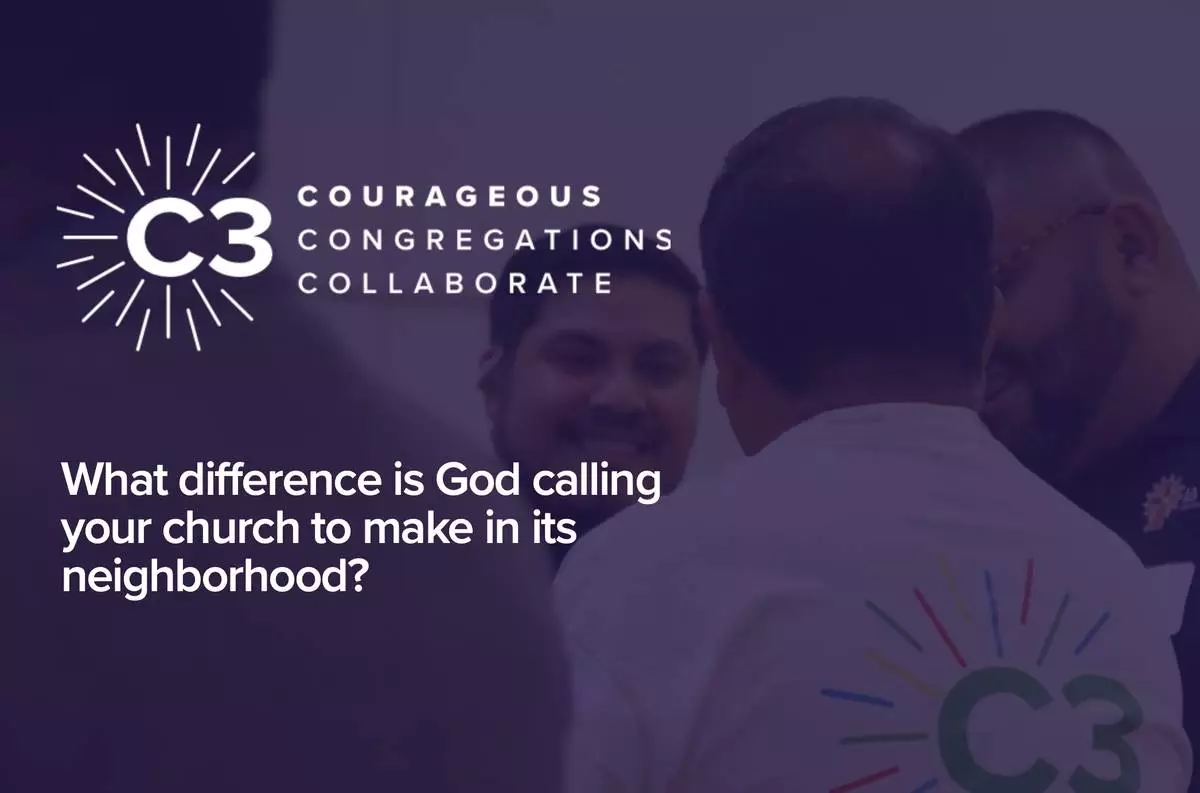
Wesleyan Impact Partners announces the national expansion of Courageous Congregations Collaborate (C3)