China announced on Friday its 1,274-member delegation for the Aichi-Nagoya Asian Games, with 815 athletes set to compete across 38 sports and 369 events.
Led by 36 Olympic champions, the squad has an average age of 24. Over a quarter of the athletes are 20 or under and most will be making their Asian Games debuts.
Among the team staff, there are 69 overseas specialists from 24 countries and regions including Australia, Spain, France, the Netherlands and Britain.
Diver Wang Zongyuan said on behalf of the athletes that the Asian Games represents the highest-level comprehensive sporting event in Asia and serves as a genuine test of the preparation, and they will showcase China's standard and strength on the regional and global stage.
Since 1982, China has topped both the gold medal and overall medal tables at 11 consecutive Asian Games editions, according to Gao Zhidan, director of the China's General Administration of Sport and chef de mission of China's delegation, adding that China will strive to maintain its leading position at the Games.
The 2026 Asian Games will run from September 19 to October 4, featuring 43 sports and athletes from 45 countries and regions.
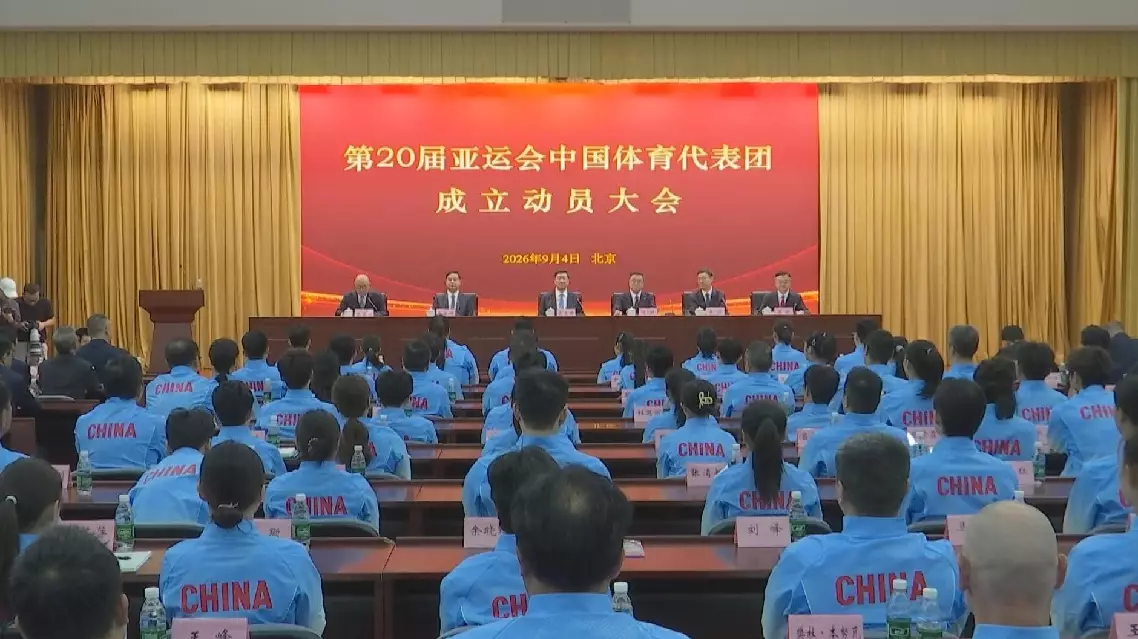
China announces 1,274-member delegation for Aichi-Nagoya Asian Games
Years of electricity disruptions have created a parallel power economy in Sudan, as generators, solar power systems, and batteries are becoming essential for households and businesses in the capital Khartoum and other cities.
As Khartoum struggles to recover from the devastating effects of the war, prolonged power outages are compounding the hardships facing residents.
To keep the lights on at homes or businesses, one must first find power solutions. Generators are now an essential element for many business sectors, homes and public facilities. This makes the electricity crisis a source of income for traders and suppliers.
"Generators are very costly, and to run a business relying on generators and fuel will force you to add the extra cost [into the consumer price,]" said Ahmed Aljafri, a generator owner.
Just as demand grows for generators, repairs, fuel and batteries as a result of frequent power disruptions, so the need increases for technicians and suppliers to keep the sector operating.
"The volume of work has significantly increased in Khartoum since 2025. People pursue reliable power solutions including both solar panels and fuel generators for homes and shops as well," said Mozamil Ahmed, power engineer.
As life gradually returns back to normal, parts of the capital are reconnecting to the national grid. Experts say alternative power could remain crucial as the national grid undergoes reconstruction.
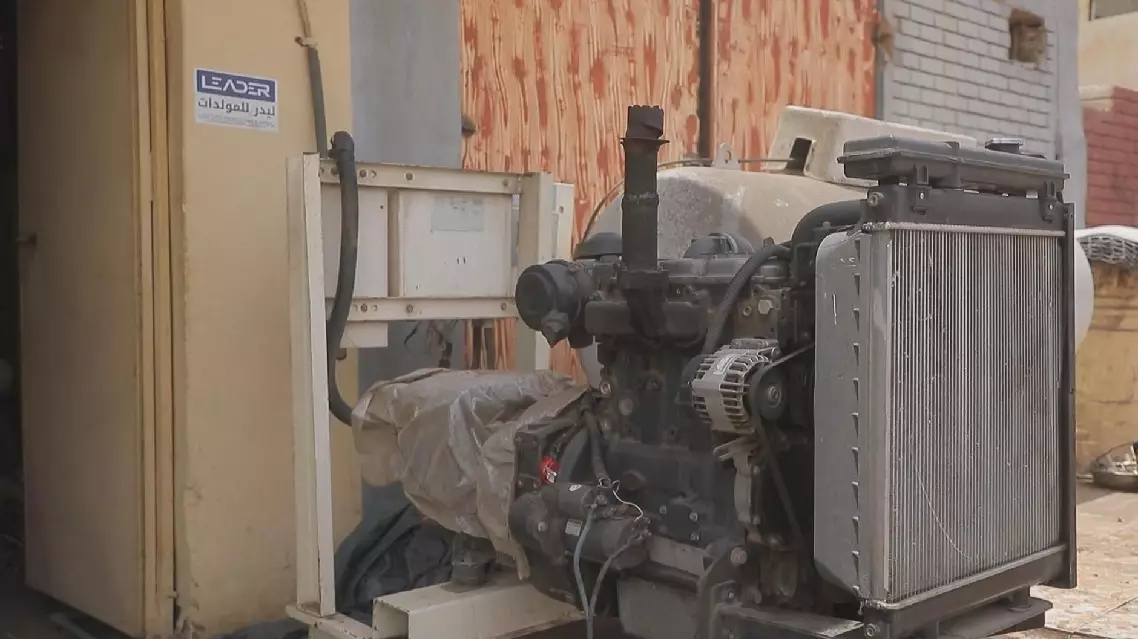
Power generators in growing demand as Khartoum copes with unreliable electricity supply