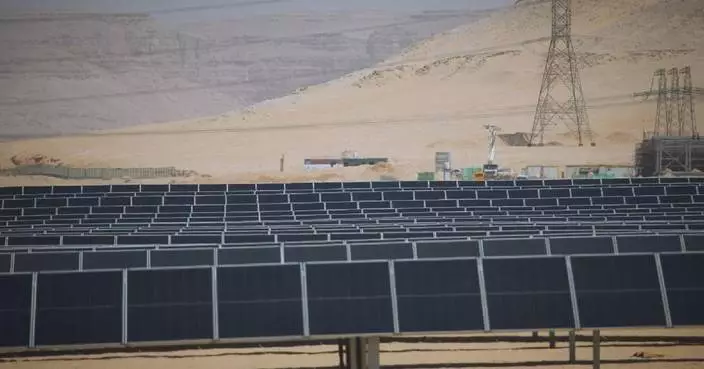
Years of electricity disruptions have created a parallel power economy in Sudan, as generators, solar power systems, and batteries are becoming essential for households and businesses in the capital Khartoum and other cities.
As Khartoum struggles to recover from the devastating effects of the war, prolonged power outages are compounding the hardships facing residents.
To keep the lights on at homes or businesses, one must first find power solutions. Generators are now an essential element for many business sectors, homes and public facilities. This makes the electricity crisis a source of income for traders and suppliers.
"Generators are very costly, and to run a business relying on generators and fuel will force you to add the extra cost [into the consumer price,]" said Ahmed Aljafri, a generator owner.
Just as demand grows for generators, repairs, fuel and batteries as a result of frequent power disruptions, so the need increases for technicians and suppliers to keep the sector operating.
"The volume of work has significantly increased in Khartoum since 2025. People pursue reliable power solutions including both solar panels and fuel generators for homes and shops as well," said Mozamil Ahmed, power engineer.
As life gradually returns back to normal, parts of the capital are reconnecting to the national grid. Experts say alternative power could remain crucial as the national grid undergoes reconstruction.
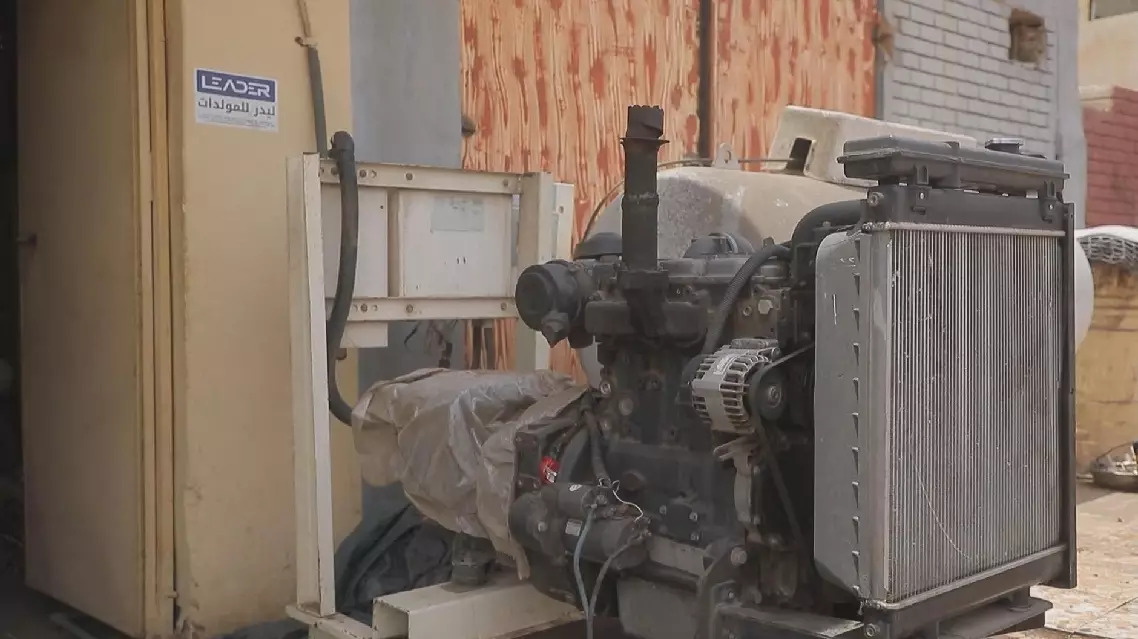
Power generators in growing demand as Khartoum copes with unreliable electricity supply
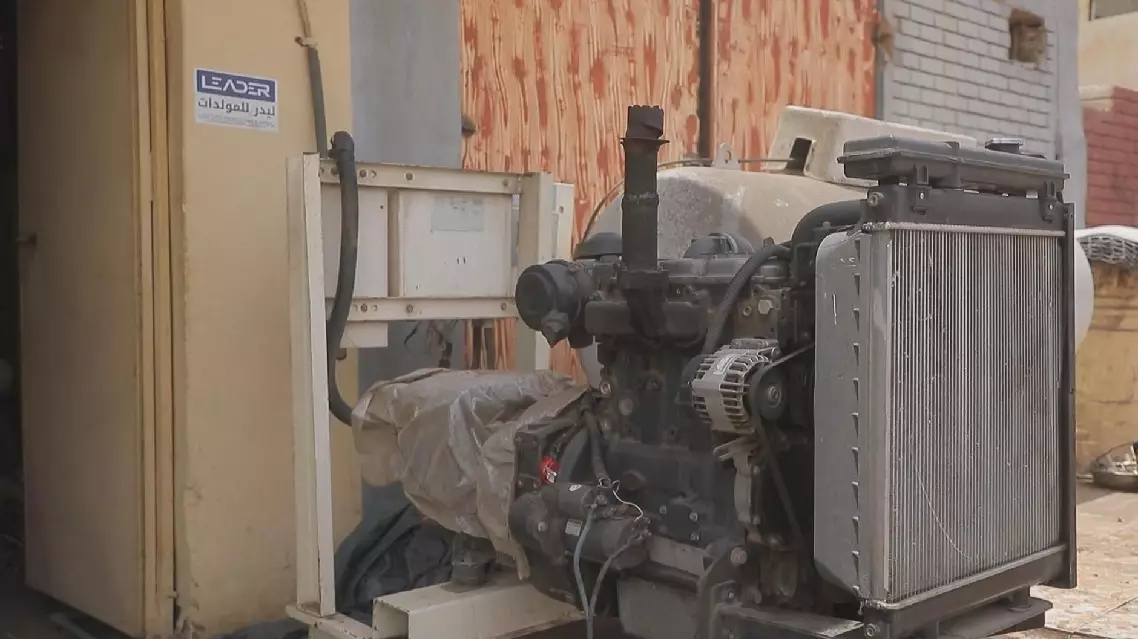
Power generators in growing demand as Khartoum copes with unreliable electricity supply
The Dutch central bank said Wednesday it has shifted about 86 tonnes of its gold reserves from New York and Ottawa to London, a move aimed at improving gold transferability and strengthen crisis preparedness.
The relocation was made in two batches, according to a De Nederlandsche Bank (DNB) news release. About 59 tonnes of the gold were relocated by selling in the New York market and buying equivalent bullion in London. More than 27 tonnes were physically transported from the United States and Canada to the central Dutch city of Zeist, with an equal amount of gold meeting international market standards then transferred from Zeist to London, leaving the total size of the Dutch gold reserves unchanged.
According to the DNB, the Netherlands held 612.4 tonnes of gold at the end of 2025, mainly across Zeist, London, New York and Ottawa. After the adjustment, the share stored in Zeist stayed at 30.8 percent, while the portion in New York dropped sharply from 31.3 percent to 18.5 percent and the Ottawa share fell from 19.7 percent to 18.5 percent. London's share rose from 18.1 percent to 32.1 percent.
The gold held with the Bank of England is regarded as the world's most easily tradable gold and will therefore be the most readily available for the DNB in a crisis situation, the Dutch central bank said.
The decision reflects the DNB's growing concern about transatlantic tensions since Donald Trump reclaimed presidency. The central bank previously warned that the U.S. could easily cut off Dutch payment transactions and urged reduced dependence on the U.S.
France has moved in a similar direction. In April, the French central bank announced it had completed the transfer of 129 tonnes of gold that had been stored in New York since the late 1920s. The operation, carried out in 26 stages between July 2025 and January 2026, involved selling the New York holdings at market prices and purchasing equivalent gold in Europe for transport to Paris. All of France's 2,437 tonnes of gold reserves are now held domestically.
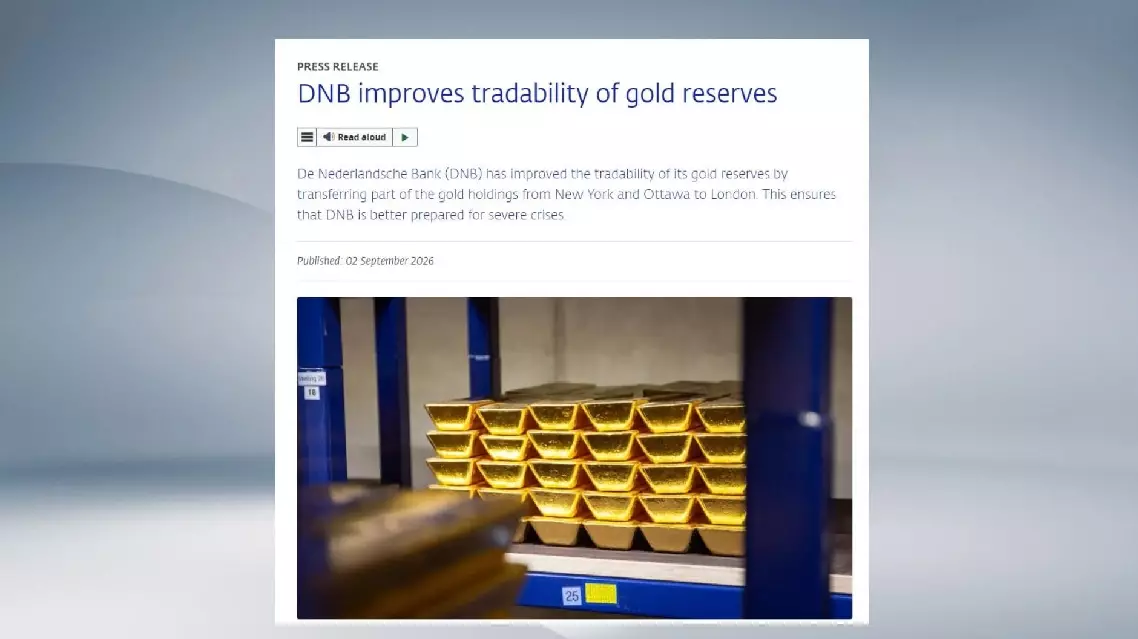
Netherlands relocates 86 tonnes of gold reserves from U.S., Canada to UK