Peru, one of the world's leading anchovy catchers, is taking a severe hit as warming seas caused by El Nino have slashed production and caused job losses. Anchovies are among Peru's most economically valuable fishery resources. Typically, there are two main anchovy fishing seasons in waters off central and northern Peru: the first runs from April to August, and the second is concentrated from November to January of the following year. This year, however, El Nino has sharply altered the marine environment along Peru's coast, disrupting the distribution of anchovies and reducing catches. Under the original plan, the anchovy quota for the first fishing season this year was 1.91 million tons, but the actual catch was only about 470,000 tons as of early June. As deteriorating ocean conditions coincided with the anchovies' breeding period, on June 11, the Peruvian Ministry of Production announced the suspension of anchovy fishing operations in the central and northern waters. "Because of El Nino, there was practically no anchovy fishing during the first fishing season. The second season, which was expected to begin in November, will likely overlap with the toughest conditions: warmer seas and higher salinity. Therefore, it is very likely there will be no second anchovy fishing season in the north-central zone," said Jessica Luna, president of Peru's National Fisheries Society. Fisheries, as a vital pillar of the Peruvian economy, typically accounts for 2.1 percent of GDP. However, due to the ongoing impact of El Nino, this proportion is expected to decline significantly to 1.1 percent, and the economic losses are spreading into the job market and damaging employment. "The social impact, especially on employment, is the loss of 122,000 jobs, that means job creation in the industrial fishing sector will be cut in half. What's happening in the industrial fishing sector is very difficult, very complicated. Above all, we are worried about the suppliers, which are mostly small and medium-sized enterprises. We are concerned about their capacity to prepare for recovery. Some of these companies may end up going bankrupt," said Luna. The sharp decline in anchovy catches has also driven up the prices of fishmeal, fish oil and other related products worldwide. The free-on-board (FOB) value of Peruvian premium fishmeal rose to 2,500 U.S. dollars per ton in May, a sharp increase from 1,400 dollars in the same period of 2025 -- up about 79 percent in one year. Meanwhile, the price of feed-grade fish oil climbed to 4,100 dollars per ton, up 64 percent year on year. To tackle the impact of El Nino, the Peruvian government declared a 120-day state of emergency for the fisheries and aquaculture industries on Aug 24, providing assistance to affected crew members and industry workers through loans, subsidies and other measures designed to help the industry recover.
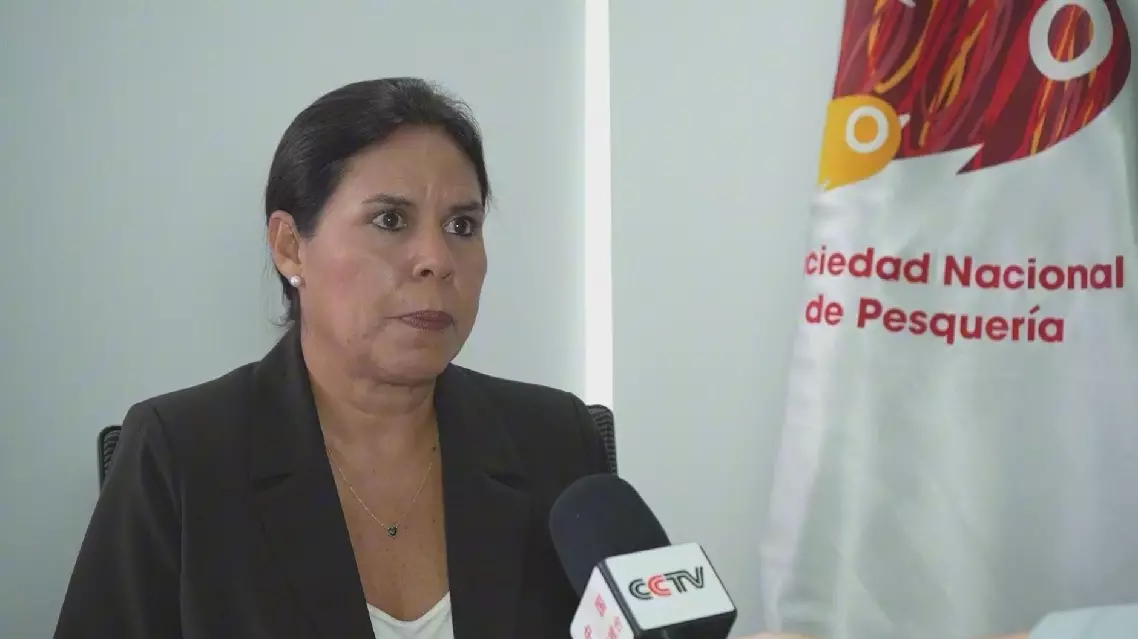
El Nino disrupts Peru's anchovy fishing, leads to job losses