CAPE CANAVERAL, Fla. (AP) — A private spacecraft that was supposed to supply a lifeline to NASA’s Swift Observatory managed to get close to the sinking telescope and even snap photos more than a week after the rescue was abandoned.
But the three-armed robotic salvager had to turn away because of low fuel, according to Katalyst Space Technologies, which attempted the daring operation.
“We got so close, but so far,” Katalyst CEO Ghonhee Lee told The Associated Press this week.
Katalyst's Link spacecraft got within 15 kilometers (nine miles) of Swift last weekend, using its own sensors to gather data on the doomed telescope for NASA. The rescue effort had already been called off in August because of Link's own troubles in orbit, but the company wanted the practice for future satellite service calls.
Link went into an uncontrollable spin soon after rocketing to Swift's rescue in July. Flight controllers managed to reduce the tumble and stabilize the spacecraft, using up precious fuel. In the end, there wasn't enough fuel remaining to boost the aging Swift to a higher, longer-lasting orbit so it could continue observing the cosmos.
Lee blamed Link's problems on the rush to get it flying. The mission was thrown together in just nine months, and engineers often had to grab whatever was available instead of waiting for the preferred parts, he said.
NASA paid the company $30 million to carry out the attempt, which was always going to be rushed. Both sides viewed it as an experiment with little to lose, although no one wanted a wreck that would unleash clouds of space debris.
“Unfortunately, it wasn't the outcome that we were expecting,” NASA Administrator Jared Isaacman said following Sunday's launch of the Roman Space Telescope. “But that's exactly the type of missions that we should be flying at NASA. We will learn from that.”
Isaacman said it makes sense to extend the life of a valuable spacecraft, especially if the cost to salvage it is less than to replace it. That's why the Roman telescope was designed to be refuelable even though it's headed toward an observation point 1 million miles (1.6 million kilometers) away.
It's unlikely that Link has enough fuel left to attempt another close approach to Swift, according to Lee. But it can keep exercising its 3-foot (1-meter) arms and provide important data before it reenters and burns up in the atmosphere sometime in the next month, he said.
Launched in 2004, Swift has a little more time remaining in orbit, depending on how active the sun is. Intense solar storms of recent years are responsible for bringing the telescope down much sooner than expected.
NASA anticipates Swift will plunge through the atmosphere sometime between October and year’s end. The space agency resumed observations with the telescope last week after halting them early this year to save precious power.
Like Swift, the Hubble Space Telescope's orbit also has been shortened by solar activity. Katalyst is developing a next-generation spacecraft that could boost the 36-year-old Hubble to a longer-lasting orbit.
“Hubble does still have a few years of life yet, right? So the good news is this isn't imminent," Lee said.
Servicing old telescopes and other satellites used to be “a very, very niche concept," he added, “and we believe it’s going to become more and more commonplace.”
The Associated Press’ health and science coverage receives financial support from the AP Fund for Journalism and private foundations. AP is solely responsible for all content. Find AP’s standards for working with philanthropies, a list of supporters and funded coverage areas at AP.org.

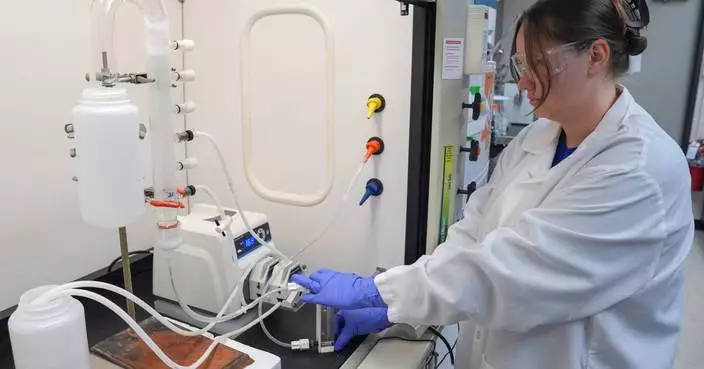
FILE - This photo provided by NASA shows Kieran Wilson, LINK's principal investigator, and Hunter Robertson, a space systems engineer, both at Katalyst Space, standing next to their spacecraft inside the SES (Space Environment Simulator) at NASA's Goddard Space Flight Center in Greenbelt, Md., April 17, 2026, ahead of thermal vacuum testing. (Sophia Roberts/NASA via AP, File)
WASHINGTON (AP) — The Environmental Protection Agency is seeking additional public comments as it tries to redefine the scope of the nation’s bedrock clean water law to significantly limit the wetlands it covers.
The request, announced Friday, comes nearly a year after the agency proposed a rule defining "waters of the United States," or WOTUS, based on a 2023 Supreme Court ruling that removed federal protections for vast areas. The plea for new information is highly unusual and reflects the complexity of the water rule, a contentious regulation that has been argued in the courts for decades and reached the Supreme Court twice since 2006.
The latest proposal is a “supplemental” rule that EPA said will help it and the U.S. Army Corps of Engineers evaluate a wider range of options as they work toward a final rule that fully implements the Supreme Court’s decision in a case known as Sackett v. EPA.
The 2023 ruling sharply limited the federal government’s authority to police water pollution in certain wetlands. It boosted property rights over concerns about clean water in a ruling in favor of Michael and Chantell Sackett, an Idaho couple who sought to build a house near a lake.
The new rule, once made final, will cut “bureaucratic red tape” and protect water quality while “recognizing that states and tribes are best positioned to manage their own water resources,” the EPA said.
The rule will provide greater predictability for landowners, farmers, ranchers, energy producers, the technology sector, developers and small businesses, the agency said. The measure will focus on relatively permanent, standing or continuously flowing bodies of water, such as streams, oceans, rivers and lakes, along with wetlands that are directly connected to such bodies of water.
"The EPA’s goal is a durable WOTUS definition that follows the law and ends burdensome regulatory uncertainty,” EPA Administrator Lee Zeldin said in a statement.
The request for additional comment “reflects our continued commitment to transparency and public input, ensuring we have fully considered a wide range of potential policy options,” he added. "We look forward to public feedback on this supplemental notice, which will help strengthen the real-world expertise behind the final rule.”
The November proposal to rewrite the water rule is among dozens of environmental regulations being rolled back by Republican President Donald Trump's administration as part of what Zeldin calls a concerted effort to accelerate economic prosperity while putting “ a dagger through the heart of climate change religion.” Critics call the planned water rule a giveaway to ranchers and industrial polluters.
“The Trump EPA’s shortsighted push to encourage industries to plow over more wetlands and streams will destroy thousands of miles of waterways critical to wildlife across the United States,” J.W. Glass, a policy specialist at the Center for Biological Diversity, said when the plan was announced last year.
The proposed rule will most likely “wipe out life-sustaining waterways in every corner of the nation,” Glass said, and leave vast stretches of wetlands and other low-lying areas vulnerable to increasingly destructive storm surges driven by climate change.
The EPA's proposal “declares open season” on the nation's waterways, according to Jon Devine, director of freshwater ecosystems at the nonprofit Natural Resources Defense Council.
“The proposal would virtually eliminate protection for freshwater wetlands” and especially hurt the western United States, he said.
Zeldin disputes that argument, saying the agency's proposal strikes a needed balance between federal and state authority. Any lands removed from federal jurisdiction will still face regulation from states and tribes, he said.
The EPA and Army Corps will accept public comments for 30 days once the supplemental plan is published in the Federal Register, expected in the next week. The agencies have held three public meetings on the proposed rule, which has generated more than 220,000 comments from a wide range of stakeholders.
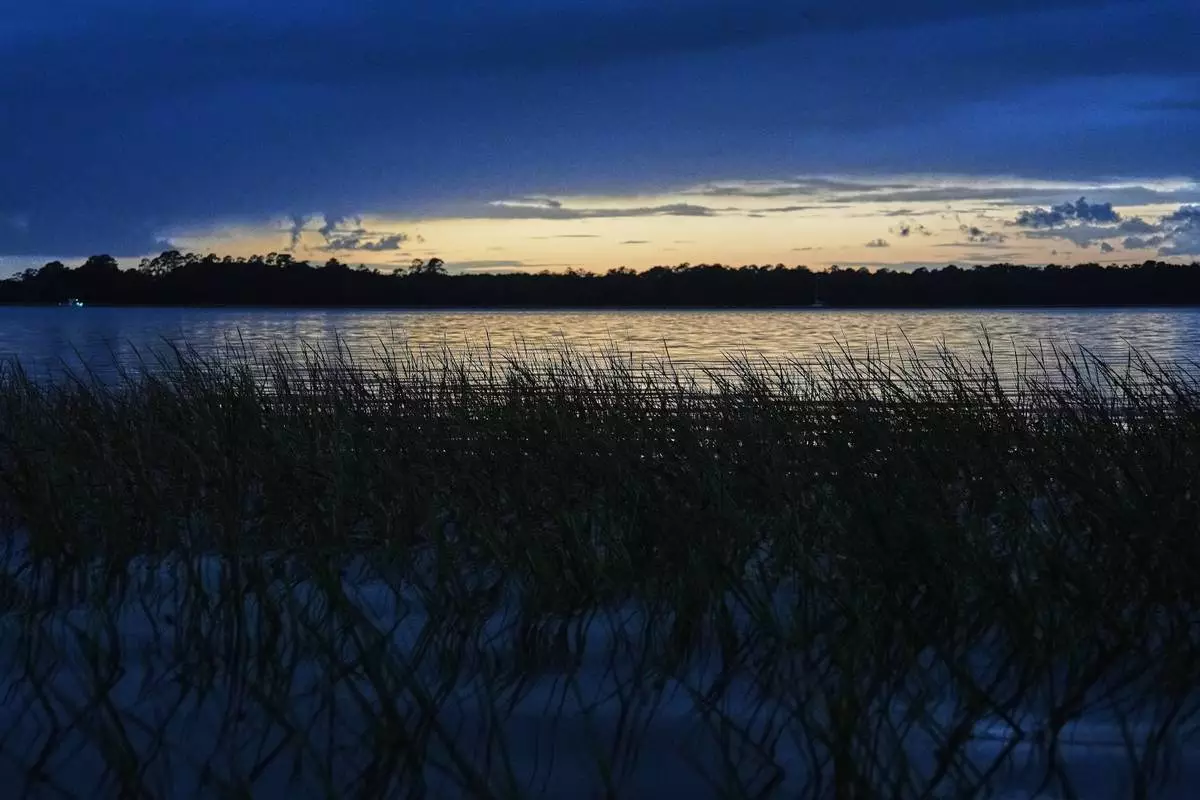
FILE - The sun sets over a salt marsh Monday, Oct. 6, 2025, in Charleston, S.C. (AP Photo/Joshua A. Bickel, File)
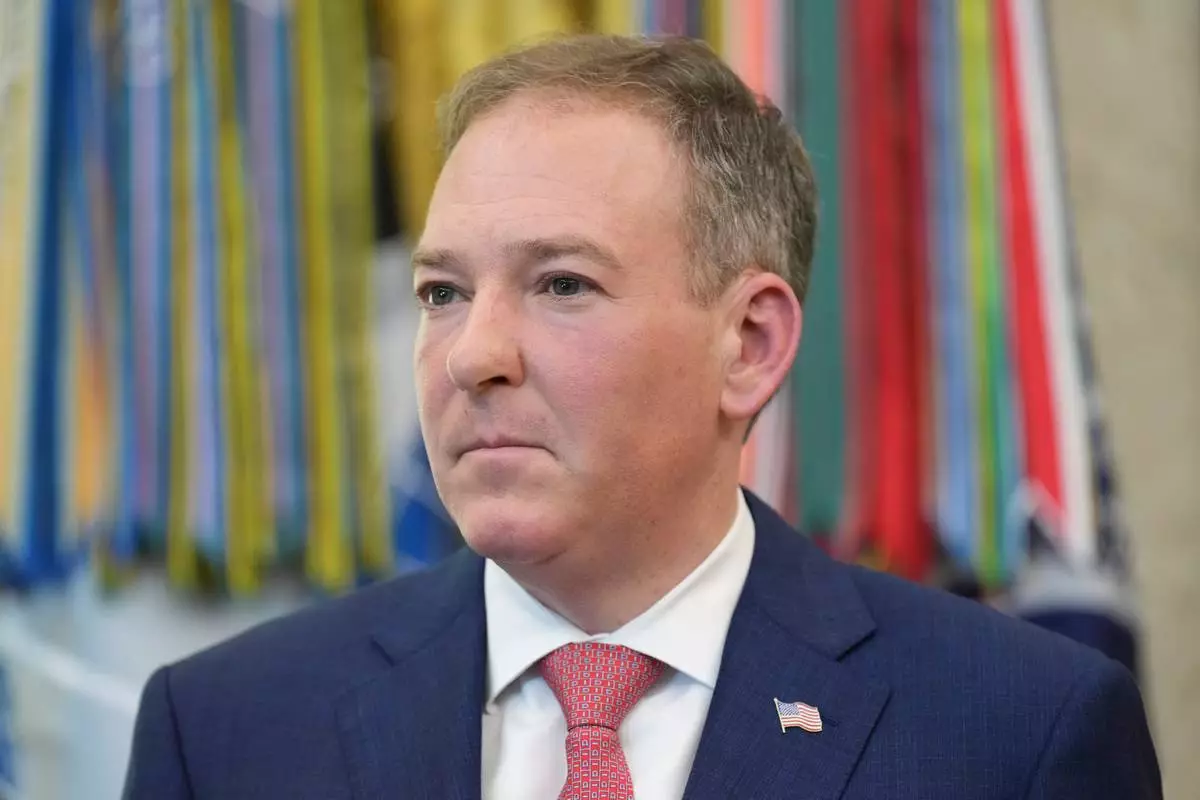
FILE - Environmental Protection Agency administrator Lee Zeldin listens as President Donald Trump speaks in the Oval Office of the White House, June 29, 2026, in Washington. (AP Photo/Jacquelyn Martin, File)