Skip to Content Facebook Feature Image

Women gathered in a small Iranian town for a wedding. Then deadly strikes hit

News

Women gathered in a small Iranian town for a wedding. Then deadly strikes hit
News

News

Women gathered in a small Iranian town for a wedding. Then deadly strikes hit

2026-09-05 01:52 Last Updated At:02:00

KUHESTAK, Iran (AP) — Women with their children were gathered in the house and yard, waiting for the bride and groom to arrive to kick off a wedding celebration in this small town in southern Iran. Then an explosion turned the scene to carnage.

The town of Kuhestak is still reeling from a barrage of strikes that killed five people during an American bombardment of southern Iran on Tuesday evening. Lampposts at the entrance to the town displayed large posters of four of the dead — a 4-year-old boy, a 16-year-old and two women. Another woman, one of more than 60 people wounded in the blasts, died Thursday at a hospital.

More Images
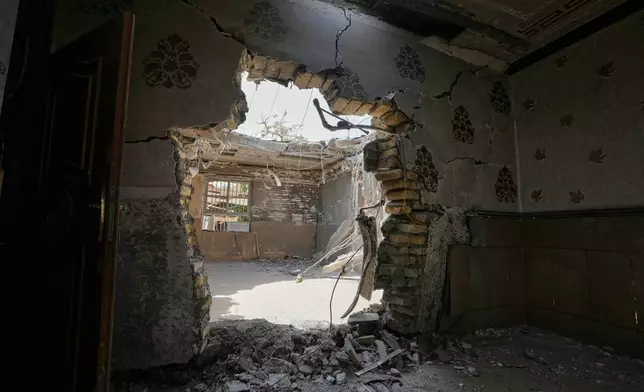
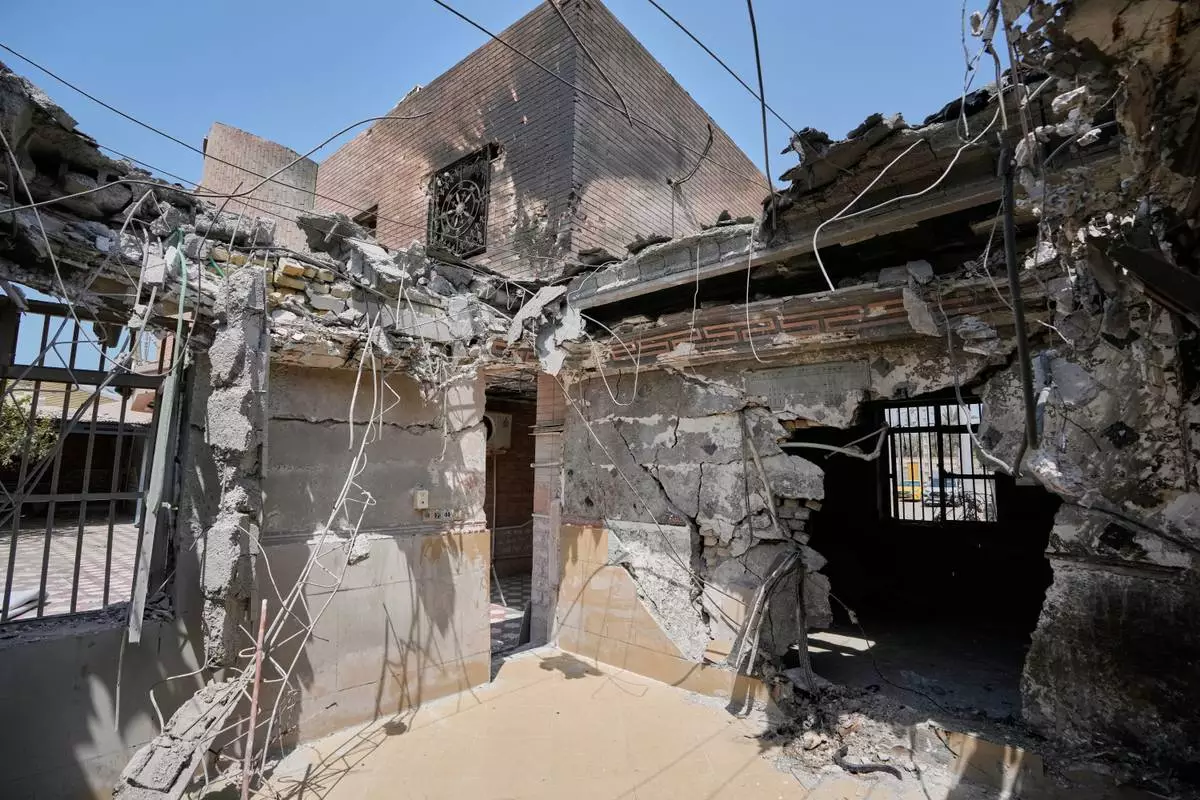
A hole on a wall is seen inside a home that Iranian media said was hit by a U.S. strike while a wedding celebration was taking place late Tuesday, Sept. 1, in Kuhestak, southern Iran, Friday, Sept. 4, 2026. (AP Photo/Vahid Salemi)
A hole on a wall is seen inside a home that Iranian media said was hit by a U.S. strike while a wedding celebration was taking place late Tuesday, Sept. 1, in Kuhestak, southern Iran, Friday, Sept. 4, 2026. (AP Photo/Vahid Salemi)
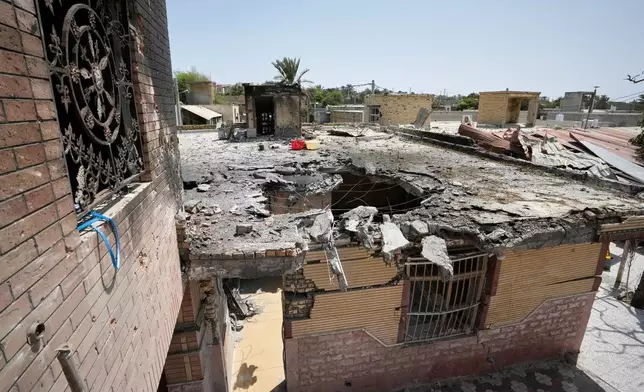
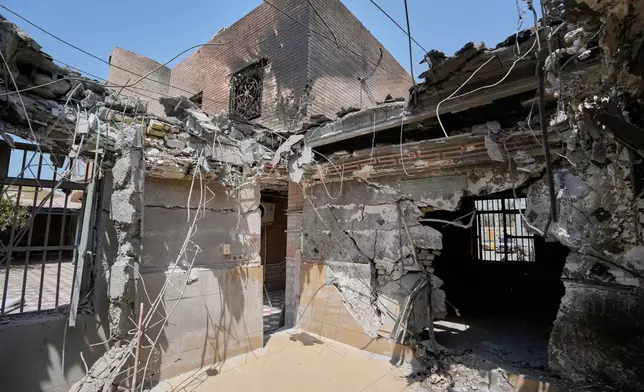
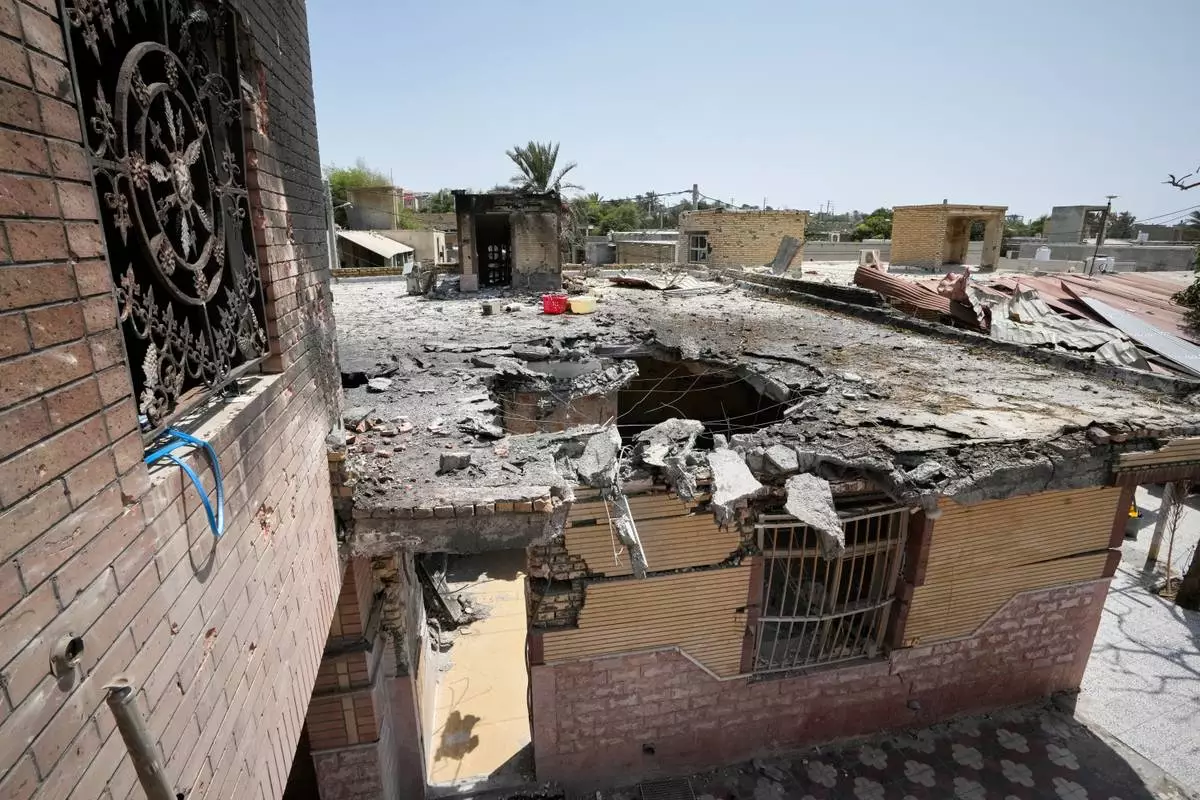
Damage is seen inside a home whose roof was destroyed in what Iranian media said was a U.S. strike while a wedding celebration was taking place late Tuesday, Sept. 1, in Kuhestak, southern Iran, Friday, Sept. 4, 2026. (AP Photo/Vahid Salemi)
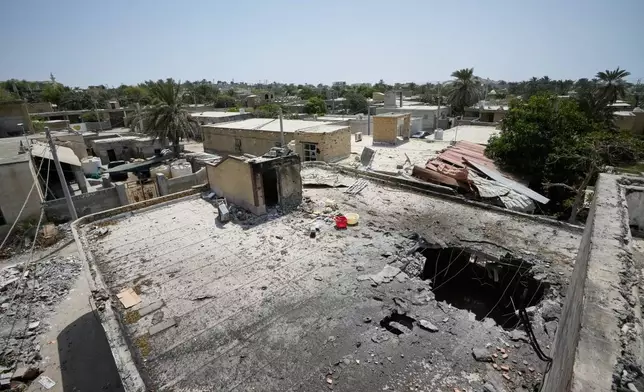
Damage is seen inside a home whose roof was destroyed in what Iranian media said was a U.S. strike while a wedding celebration was taking place late Tuesday, Sept. 1, in Kuhestak, southern Iran, Friday, Sept. 4, 2026. (AP Photo/Vahid Salemi)
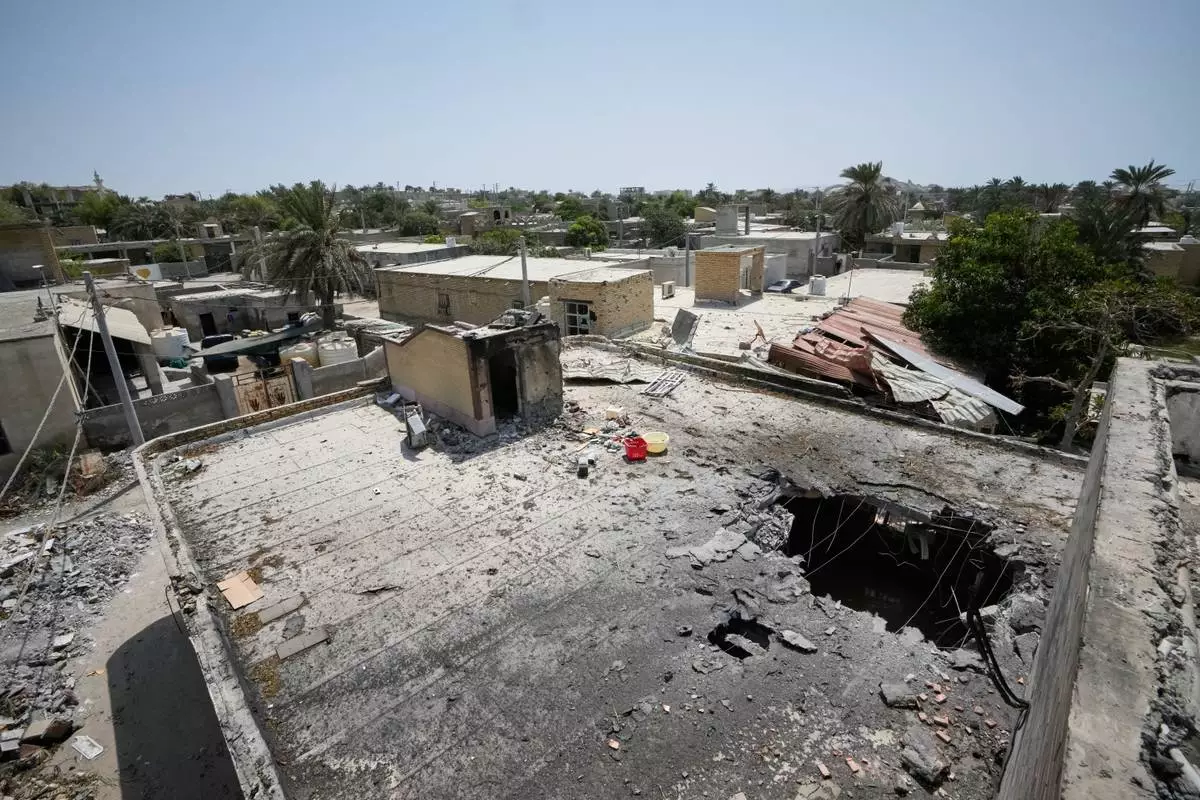
The point of impact is seen on the roof of a building that Iranian media said was hit by a U.S. strike while a wedding celebration was taking place there late Tuesday, Sept. 1, in Kuhestak, southern Iran, Friday, Sept. 4, 2026. (AP Photo/Vahid Salemi)

The point of impact is seen on the roof of a building that Iranian media said was hit by a U.S. strike while a wedding celebration was taking place there late Tuesday, Sept. 1, in Kuhestak, southern Iran, Friday, Sept. 4, 2026. (AP Photo/Vahid Salemi)

The point of impact is seen on the roof of a building that Iranian media said was hit by a U.S. strike while a wedding celebration was taking place there late Tuesday, Sept. 1, in Kuhestak, southern Iran, Friday, Sept. 4, 2026. (AP Photo/Vahid Salemi)

The point of impact is seen on the roof of a building that Iranian media said was hit by a U.S. strike while a wedding celebration was taking place there late Tuesday, Sept. 1, in Kuhestak, southern Iran, Friday, Sept. 4, 2026. (AP Photo/Vahid Salemi)

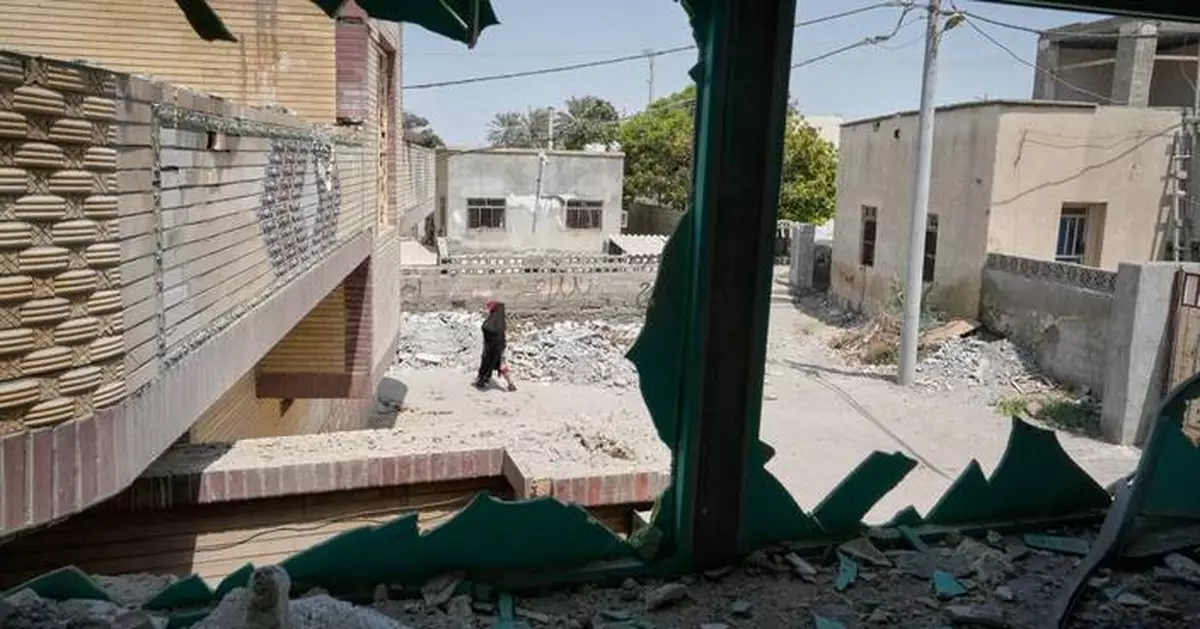
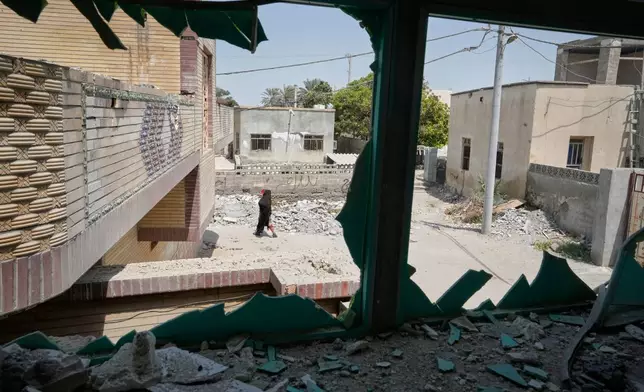
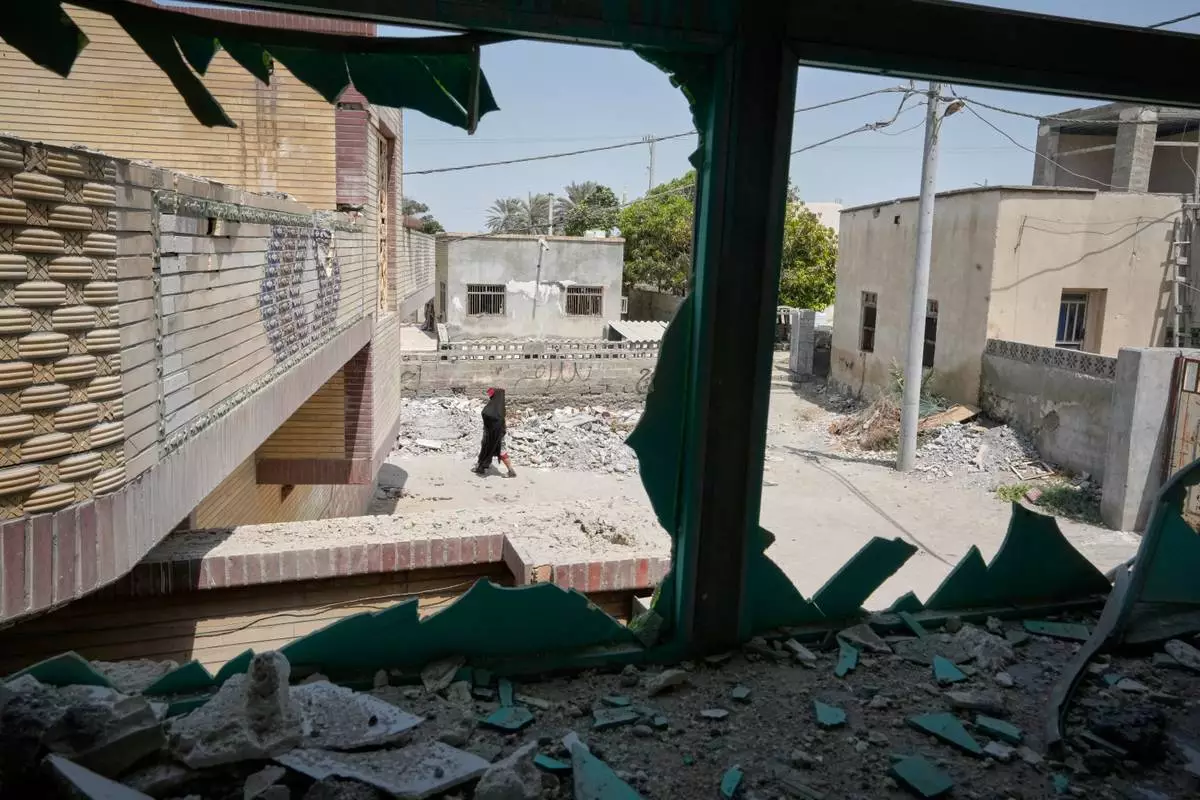
A person walks past debris, seen through a shattered window at the site of what Iranian media said was a U.S. strike on a home where a wedding celebration was being held late Tuesday, Sept. 1, in Kuhestak, southern Iran, Friday, Sept. 4, 2026. (AP Photo/Vahid Salemi)

A person walks past debris, seen through a shattered window at the site of what Iranian media said was a U.S. strike on a home where a wedding celebration was being held late Tuesday, Sept. 1, in Kuhestak, southern Iran, Friday, Sept. 4, 2026. (AP Photo/Vahid Salemi)

On Friday, an Associated Press team made a rare visit to the town on the coast overlooking the Strait of Hormuz. Within a densely built neighborhood of houses and unpaved alleys stood the compound of the Mallahi family, which was struck as relatives celebrated their daughter’s wedding.

A U.S. weapons expert who reviewed images from the scene said the evidence suggests the strikes were carried out with American guided bombs.

Ali Mallahi, a cousin of the bride, pointed to a gaping hole in the roof of a room that took a direct hit in one of the compound's four houses. Big cracks ran through walls decorated with floral designs. Windows were shattered, and twisted sections of roofing and metal framework lay across the courtyard, among carpets and household appliances that the family had pulled out of other damaged rooms.

Video of the immediate aftermath aired in Iranian media showed colorful decorations and palm fronds strewn across the ground.

Weddings in the area are traditionally segregated by gender, and on Tuesday evening, roughly 150 women were gathered in the house, while the men held a separate celebration in another building about 50 meters (yards) away, Mallahi said.

A strike hit the room where the women were due to be served dinner, but at the time, celebrations were only just getting started, Mallahi said. The bride and groom had not yet arrived.

“Thank God, the casualties were not higher,” he said. The father of the bride, his uncle, is also named Ali Mallahi.

Sasan Zarei, a neighbor, said she rushed to the Mallahis’ home and helped people out of the rubble. “Most of the injured were kids. The scenes were very heartbreaking.”

U.S. Vice President JD Vance said Thursday that he was briefed on the wedding attack. “We’re investigating it very fully,” he said. He said the U.S. never targets civilians in combat but added, “Sometimes things happen.”

Residents described to the AP how a series of heavy explosions shook Kuhestak, lighting up the night sky. The blasts came amid the latest round of American bombardment in southern Iran that the U.S. military said targeted air defenses, radar systems and maritime assets.

Also hit was a communications tower by Kuhestak’s port, just over 100 meters (yards) from the Mallahi’s home. AP footage showed the tower toppled and heavy damage to the neighboring building that houses the town’s telecommunications department.

Hassan Sayadi, a technician with the department, said the tower had provided telephone and internet connections across the area. The Hormozgan provincial telecommunications department said Wednesday that U.S. attacks had disrupted landlines and mobile phone service in multiple locations, including Kuhestak, and that it was working to restore services. On Friday, mobile phones and data services were operating.

Kuhestak is about 30 kilometers (18 miles) from the town of Minab, where more than 100 children were killed in an American missile strike that hit a primary school on Feb. 28, the opening day of the war launched by the U.S. and Israel.

Following Tuesday's strikes, residents and Iranian media showed fragments of munitions found at the scene, including a thermal battery unit, a segment of a control fin and part of the exterior body of the munition.

Weapons experts told the AP that they believe imagery of fragments found at the site points to an American guided munition. Trevor Ball, a former U.S. Army explosive ordnance disposal technician and an analyst at Armament Research Services, said the imagery shows remnants of both a JSOW and GBU-39, which are types of guided, air-delivered glide bombs.

The images were “being evaluated to determine if one of these munitions, or another model, was responsible,” he said.

Videos released by U.S. Central Command of its operations that night in Iran show aircraft heading on missions, including an F/A-18E loaded with a JSOW.

The AP could not immediately determine where the remnants were collected or whether they all came from the wedding venue or also from the communication tower.

Associated Press reporters Mohsen Ganji in Kuhestak, Iran, Sarah El Deeb in Beirut and Lee Keath in Cairo contributed to this report.
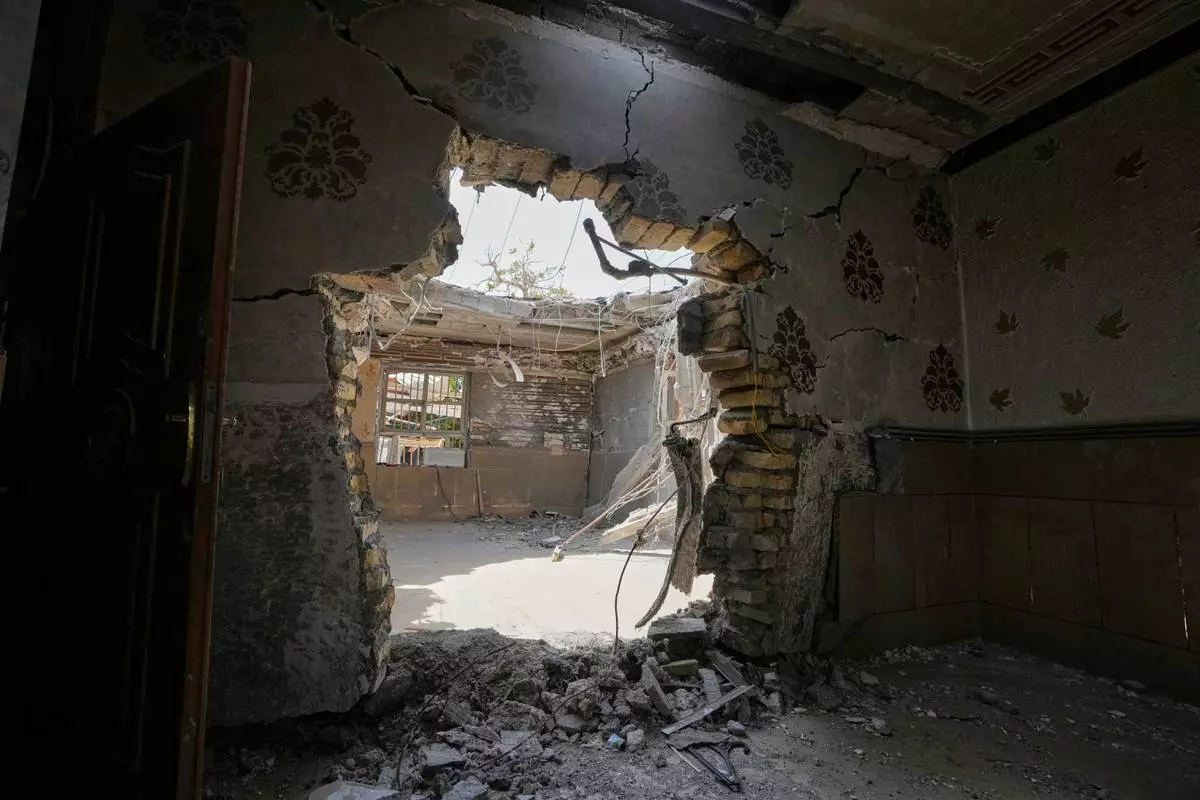
A hole on a wall is seen inside a home that Iranian media said was hit by a U.S. strike while a wedding celebration was taking place late Tuesday, Sept. 1, in Kuhestak, southern Iran, Friday, Sept. 4, 2026. (AP Photo/Vahid Salemi)
A hole on a wall is seen inside a home that Iranian media said was hit by a U.S. strike while a wedding celebration was taking place late Tuesday, Sept. 1, in Kuhestak, southern Iran, Friday, Sept. 4, 2026. (AP Photo/Vahid Salemi)
Damage is seen inside a home whose roof was destroyed in what Iranian media said was a U.S. strike while a wedding celebration was taking place late Tuesday, Sept. 1, in Kuhestak, southern Iran, Friday, Sept. 4, 2026. (AP Photo/Vahid Salemi)
Damage is seen inside a home whose roof was destroyed in what Iranian media said was a U.S. strike while a wedding celebration was taking place late Tuesday, Sept. 1, in Kuhestak, southern Iran, Friday, Sept. 4, 2026. (AP Photo/Vahid Salemi)
The point of impact is seen on the roof of a building that Iranian media said was hit by a U.S. strike while a wedding celebration was taking place there late Tuesday, Sept. 1, in Kuhestak, southern Iran, Friday, Sept. 4, 2026. (AP Photo/Vahid Salemi)

The point of impact is seen on the roof of a building that Iranian media said was hit by a U.S. strike while a wedding celebration was taking place there late Tuesday, Sept. 1, in Kuhestak, southern Iran, Friday, Sept. 4, 2026. (AP Photo/Vahid Salemi)

The point of impact is seen on the roof of a building that Iranian media said was hit by a U.S. strike while a wedding celebration was taking place there late Tuesday, Sept. 1, in Kuhestak, southern Iran, Friday, Sept. 4, 2026. (AP Photo/Vahid Salemi)

The point of impact is seen on the roof of a building that Iranian media said was hit by a U.S. strike while a wedding celebration was taking place there late Tuesday, Sept. 1, in Kuhestak, southern Iran, Friday, Sept. 4, 2026. (AP Photo/Vahid Salemi)

A person walks past debris, seen through a shattered window at the site of what Iranian media said was a U.S. strike on a home where a wedding celebration was being held late Tuesday, Sept. 1, in Kuhestak, southern Iran, Friday, Sept. 4, 2026. (AP Photo/Vahid Salemi)

A person walks past debris, seen through a shattered window at the site of what Iranian media said was a U.S. strike on a home where a wedding celebration was being held late Tuesday, Sept. 1, in Kuhestak, southern Iran, Friday, Sept. 4, 2026. (AP Photo/Vahid Salemi)

Denmark and four other European Union countries agreed Friday on a model for “return hubs” in non-EU nations and hope to begin sending migrants to the facilities as early as 2027, an official said Friday.

The announcement, made after a one-day meeting in Copenhagen, is the latest development in an effort by EU states to send people whose asylum requests have been rejected to third countries outside the bloc.

“We are moving forward toward what is actually a fundamental transformation of the common European migration and asylum system," said Morten Bødskov, Denmark's minister of immigration and integration.

He briefed reporters alongside counterparts from Germany, the Netherlands, Austria and Greece. The five countries have been negotiating with governments mainly in Africa over potential sites, pioneering the initiative for the whole of the EU.

Human rights groups have criticized plans to deport migrants to centers or prisons in third countries, arguing that European nations cannot guarantee their rights will be respected there.

Bødskov rejected the idea that “return hubs” were a euphemism for detention and deportation centers and said the International Organization for Migration and the U.N. Refugee Agency would monitor the centers.

“We are not talking about camps, we are talking about opportunities, for a new chance for irregular migrants who cannot return to their own country today and who have no legal grounds to be in our countries," Bødskov said.

The UNHCR told The Associated Press that it “has not been approached with details of such a proposal,” and therefore “cannot comment on the specific arrangements being discussed or on what any potential role for UNHCR might entail.”

IOM told AP that no decision had been made on IOM's potential role in “return hubs.” “Discussions remain exploratory,” and IOM had provided only "technical advice to some EU Member States on safeguards and operational considerations.”

“We have consistently underscored that any such initiative must comply with EU regulatory and legal frameworks, protect migrants’ rights, respect partner countries’ interests, and ensure individuals’ access to meaningful, sustainable solutions,” an IOM spokesperson said in an emailed statement.

Although the ministers did not specify which third countries were being considered, Bødskov said they expect to reach their first deal by early 2027.

He acknowledged that the concept of “return hubs” was mocked only a few years ago and deemed incompatible with EU and international law.

EU laws, however, have changed due to public and political pressure for tougher measures against irregular migration.

European lawmakers voted in June to allow member states to set up centers outside the EU on their own or in small coalitions, and send rejected asylum seekers there instead of to their home countries.

“This is something new and it’s groundbreaking," said Bart van den Brink, the Netherlands' minister of asylum and migration.

In early August, a spokesperson for the Rwandan government said it "was natural” for her government to negotiate with European countries and others to potentially host asylum seekers who are not allowed to live elsewhere.

Speaking to Royal FM Kigali, Rwandan government spokesperson Yolande Makolo cited an emergency transit mechanism established in Gashora in 2018 for people evacuated from Libya, who could stay there until they were resettled in third countries.

Makolo said one of the ideas discussed was to offer a “safe place” where people who have nowhere else to go could get medical care, training and rest while their asylum applications were processed, until they could go back home if safe or get resettled to yet another country.

“We want to be part of a solution to a big global problem," Makolo said.

It remained unclear what countries in negotiations with EU nations would gain in return for taking Europe's rejected migrants.

Migrant rights groups have criticized European efforts to set up migrant centers abroad where it may be difficult to monitor and enforce human rights.

In an emailed statement, Council of Europe Commissioner for Human Rights, Michael O’Flaherty, said “vague assurances of compliance with human rights law are not enough."

“States need to commit to the guardrails necessary to prevent setting up human rights black holes,” he said.

The European ministers in Copenhagen emphasized the new hubs would abide by European and international law.

Van den Brink, the Dutch immigration minister, said technical talks and missions to potential partner countries would be used “to gain more insight into the human rights situation and the living conditions of the refugees."

"Because we want to do this in a European way, in line with our values and international law and human rights at its core,” he said.

Brussels-based rights group PICUM condemned the meeting in Copenhagen.

Ciobanu reported from Warsaw, Poland, and Brito reported from Barcelona, Spain. Philipp Jenne in Vienna and Sam McNeil in Brussels contributed to this report.

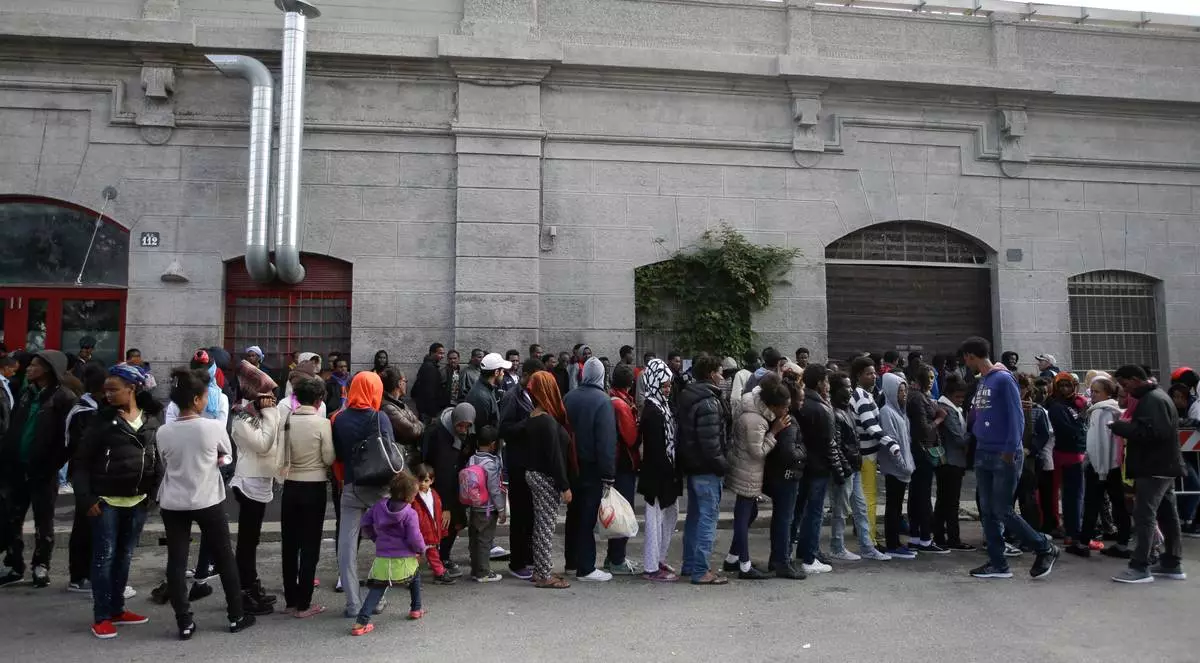
FILE - Migrants queue to enter a refectory in Milan, Italy, on Oct. 21, 2016. (AP Photo/Luca Bruno, File)

FILE - Migrants queue to enter a refectory in Milan, Italy, on Oct. 21, 2016. (AP Photo/Luca Bruno, File)

Recommended Articles